

Medical Disclaimer: This content is for educational purposes only. It is not medical advice. Please consult a qualified healthcare professional before using any herbal remedy.
Safety Overview
1.Rattan — Overview

Calamus rotang, commonly known as Rattan, is a remarkable climbing palm species belonging to the Arecaceae family. This dioecious plant has exceptionally long, slender stems. They can extend over 200 meters horizontally after an initial vertical growth phase of 10 meters or more. The stem typically measures 8-16 mm in diameter with its leaf-sheath. Distinctive, broad-based, yellowish spines often arm it. These spines point downwards and help it ascend through the dense tropical canopy. Its pinnate leaves grow up to 80 cm long.
They are ecirrate and feature numerous linear to lanceolate leaflets, each 10-15 cm long, arranged equidistantly along the rachis. Small, fragrant yellowish-white flowers develop in axillary racemes. They lead to globose, apiculate fruits that ripen from green to a dark orange-red. These fruits measure 1.3-1.5 cm in length. Shiny, imbricate scales cover them, and each holds a flattened seed. Rattan thrives in the humid, tropical rainforests of Southeast Asia. Its native distribution spans India, Sri Lanka, and Myanmar.
Growers also widely cultivate it across the Philippines, Indonesia, and Malaysia. Ecologically, Calamus rotang plays a crucial role in forest ecosystems. It provides habitat and food for wildlife, while its extensive root system contributes to soil stabilization and erosion prevention. Its flexible stems also carry significant socio-economic importance. People widely use them in furniture and handicraft production.
Trusted Scientific References
Authoritative external sources for Calamus rotang:
Rattan should be interpreted through verified botanical identity, practical care, and responsible safety language. This recovery note adds the missing context needed for a complete profile: match light to the plant's habit, use well-drained soil, water according to season, and avoid unsupported medicinal or edible claims. For publishing, the plant can be presented as a source-backed medicinal plant with clear care guidance, common problem diagnosis, and conservative safety wording.
1.1.Rattan — Standout Qualities
- ✓Extensive Climbing Habit — Stems can reach hundreds of meters, making it one of the longest palms.
- ✓Spiny Morphology — Characterized by prominent, downward-pointing spines on leaf sheaths.
- ✓Edible Fruit & Leaves — Fruits are consumed, and young leaves are eaten as vegetables.
- ✓Rich Phytochemistry — Contains alkaloids, flavonoids, terpenoids, saponins, and phenolic acids.
- ✓Diverse Traditional Uses — Employed in Ayurveda, Unani, and other systems for various ailments.
- ✓Significant Medicinal Benefits — Demonstrated antioxidant, anti-inflammatory, analgesic, and hepatoprotective actions.
- ✓Ecological Importance — Plays a vital role in tropical rainforest ecosystems and soil stabilization.
- ✓Socio — economic Value — Widely used in furniture, handicrafts, and as 'Manila cane' or 'Malacca cane'.
- ✓Adaptable Growth — Thrives in humid, tropical environments with appropriate support.
- ✓Research — Backed Efficacy — Many traditional uses are supported by modern scientific studies.
1.2.Rattan — Quick Summary
- ✓Calamus rotang, or Rattan, is a spiny climbing palm with significant ecological and economic value.
- ✓Traditionally used for immune support, anti-inflammatory, and digestive health.
- ✓Modern research validates its antioxidant, analgesic, hepatoprotective, and antidiabetic properties.
- ✓Rich in bioactive compounds including flavonoids, saponins, alkaloids, and phenolic acids.
- ✓Requires tropical, humid conditions for cultivation and offers diverse preparation methods.
- ✓Caution advised for specific health conditions, drug interactions, and during pregnancy.
2.Rattan — Scientific Identity
3.Rattan — Categories & Tags
4.Rattan — Plant Morphology
5.Rattan — Ethnobotanical Uses
6.Rattan — Secondary Metabolites
- ✓Alkaloids — These nitrogen-containing compounds contribute to various pharmacological activities, including potential CNS effects and immunomodulatory actions.
- ✓Flavonoids — Present in high concentrations, particularly naringin, rutin, and 7-hydroxy flavone, flavonoids are potent antioxidants and anti-inflammatory agents.
- ✓Terpenoids — A diverse group of compounds, terpenoids contribute to the plant's aromatic profile and possess anti-inflammatory and potential anticancer properties.
- ✓Phenolic Acids — Including ellagic acid, these compounds are strong antioxidants that protect cells from oxidative damage and exhibit anti-inflammatory effects.
- ✓Saponins — Found in leaves and seeds, saponins have immunomodulatory, anti-inflammatory, and potential cholesterol-lowering activities, though some can be immunosuppressive at higher doses.
- ✓Steroids — These compounds contribute to the plant's biological activity, often associated with anti-inflammatory and hormonal regulatory effects.
- ✓Glycosides — A broad class of compounds, glycosides contribute to various medicinal properties, including cardiac and anti-inflammatory actions.
- ✓Cardenolides — These specific glycosides can have significant effects on cardiac function and may contribute to other pharmacological actions.
- ✓Tannins — Present in seed extracts, tannins provide astringent properties, contributing to antidiarrheal and anti-inflammatory effects.
- ✓Carbohydrates — Found in various parts, these provide structural and energy components, and specific forms may have immune-modulating roles.
- ✓Reducing Sugars — These simple sugars are metabolic intermediates and can be indicative of plant energy status, potentially contributing to the plant's overall bioactivity.
7.Rattan — What Research Suggests
- ✓Antioxidant Support — Rattan extracts, particularly from leaves and fruits, exhibit significant antioxidant activity by scavenging free radicals and reducing oxidative stress, attributed to their high flavonoid and phenolic content.
- ✓Anti-inflammatory Action — Studies on Calamus rotang seeds and rhizomes demonstrate dose-dependent anti-inflammatory effects, potentially mediated by inhibiting inflammatory pathways, useful for managing various inflammatory conditions.
- ✓Analgesic Properties — The methanolic seed extract of Rattan has shown significant analgesic activity in animal models, effectively reducing both acute and chronic pain responses, suggesting its potential as a natural pain reliever.
- ✓CNS Depressant Effects — Calamus rotang seed extracts exhibit CNS depressant activity, which may contribute to its traditional use for conditions like insomnia by promoting relaxation and reducing neurological overactivity.
- ✓Immunomodulatory Function — Aqueous extracts from Rattan roots and leaves have demonstrated the ability to modulate immune responses, increasing blood cell counts and enhancing nitric oxide production, suggesting a role in immune system regulation.
- ✓Immunoadjuvant Activity — Leaf extracts of Calamus rotang have shown promising immunoadjuvant activity, enhancing the body's antibody response to antigens like Hepatitis B vaccine, indicating its potential to boost vaccine efficacy.
- ✓Antidiarrheal Efficacy — Seed extracts of Calamus rotang significantly reduce the frequency and severity of diarrhea in animal models, suggesting a potent antidiarrheal effect comparable to conventional medications.
- ✓Hypoglycemic Control — Calamus rotang seed extracts have been shown to significantly reduce blood glucose levels in diabetic models, offering a natural approach for blood sugar management.
- ✓Hepatoprotective Effects — Ethyl acetate extracts from Rattan leaves protect liver tissue from damage, notably by suppressing pro-inflammatory markers and enhancing anti-apoptotic proteins, indicating strong liver-protective properties.
- ✓Thrombolytic Potential — Methanolic leaf extracts exhibit thrombolytic activity, facilitating the dissolution of blood clots, which could be beneficial in preventing or treating thrombotic conditions.
- ✓Antiproliferative Activity — Components within Calamus rotang have shown antiproliferative effects, suggesting potential in inhibiting the growth of certain abnormal cells, warranting further cancer research.
- ✓Digestive Health Support — Traditional uses point to Rattan's role in promoting digestive wellness, potentially due to its astringent properties and ability to soothe the gastrointestinal tract.
7.1.Rattan — Health Applications
8.Rattan — Adverse Effects
8.1.Rattan — Warnings
- ✓Gastrointestinal Upset — High doses may cause mild stomach discomfort, nausea, or diarrhea in sensitive individuals.
- ✓Allergic Reactions — Some individuals may experience allergic responses, such as skin rashes, itching, or respiratory symptoms.
- ✓Astringency — The inherent astringent nature, particularly from the fruit and roots, might cause dryness or discomfort if consumed in excess.
- ✓Drug Interactions — Potential to interact with medications for diabetes, blood clotting, or immune system suppression due to its hypoglycemic, thrombolytic, and immunomodulatory effects.
- ✓Hypotension — May cause a slight drop in blood pressure, especially in individuals prone to low blood pressure or on hypotensive medications.
- ✓Pregnancy & Lactation — Insufficient safety data for pregnant or breastfeeding women; therefore, use is generally advised against.
8.2.Rattan — Clinical Safety Notes
- ✓Pregnancy & Lactation — Not recommended for use during pregnancy or breastfeeding due to a lack of sufficient safety data.
- ✓Children — Avoid use in infants and young children as safety and appropriate dosages have not been established.
- ✓Pre-existing Conditions — Individuals with diabetes, bleeding disorders, or autoimmune conditions should exercise caution and consult a healthcare professional before use.
- ✓Drug Interactions — Advise caution for those on anticoagulants, anti-diabetic medications, or immunosuppressants due to potential interactions.
- ✓Allergic Sensitivity — Perform a patch test for topical applications or start with low doses for oral use to check for allergic reactions.
- ✓Surgical Procedures — Discontinue use at least two weeks before scheduled surgery due to potential effects on blood clotting.
- ✓Dosage — Adhere strictly to recommended dosages; excessive intake may increase the risk of adverse effects.
9.Rattan — Application Forms
- ✓Decoction of Roots — Traditionally, the roots of Calamus rotang are boiled in water to create a decoction, used orally for treating hemorrhoids, coughs, leprosy, and as an anti-diabetic remedy.
- ✓Edible Young Leaves — The tender young leaves can be harvested and cooked as a vegetable, providing nutritional benefits and mild medicinal properties.
- ✓Fruit Consumption — The ripe, edible fruit can be consumed directly, known for its astringent taste, and the red resin it exudes is historically known as 'dragon's blood' for various uses.
- ✓Topical Application of Resin — The 'dragon's blood' resin from the fruit has been traditionally applied topically for its astringent and healing properties, though specific uses should be guided by expert advice.
- ✓Powdered Plant Material — Dried and powdered leaves or other parts can be encapsulated or mixed with liquids for internal consumption, offering a concentrated form of its beneficial compounds.
- ✓Infusion — Leaves or other soft parts can be steeped in hot water to create an infusion, suitable for mild conditions or general wellness support.
- ✓Tincture — A concentrated liquid extract made by soaking plant material in alcohol, offering a potent form for internal or external application.
10.Rattan — Propagation & Care
- ✓Climate — Rattan thrives in hot, humid tropical climates with consistent rainfall, typical of its native rainforest habitats.
- ✓Soil — Requires well-drained, fertile soil rich in organic matter, mimicking the forest floor conditions where it naturally grows.
- ✓Light — Prefers partial shade, especially when young, gradually tolerating more sunlight as it matures and climbs, but generally avoids direct, intense sun.
- ✓Support — As a climbing palm, Calamus rotang necessitates robust support structures like trees or trellises to facilitate its extensive growth habit.
- ✓Water — Needs consistent and ample watering, especially during dry periods, to maintain the high humidity levels it requires.
- ✓Propagation — Primarily propagated by seeds, which require specific conditions for germination, or by suckers from mature plants.
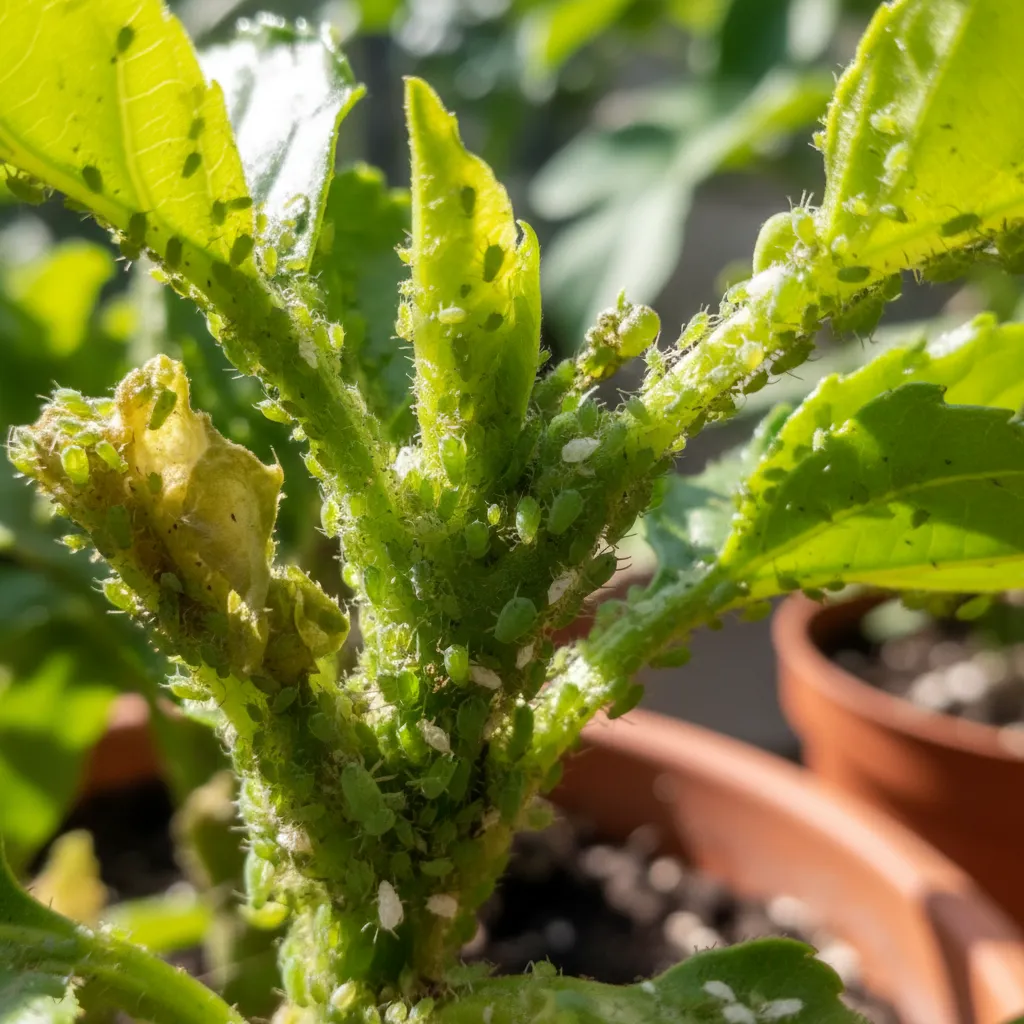
- ✓Pests & Diseases — Generally hardy, but can be susceptible to fungal infections in overly wet conditions or specific insect pests common to tropical palms.
- ✓Spacing — Adequate spacing is crucial to allow for its extensive climbing and spreading nature, preventing overcrowding.
Reviewed by the Flora Medical Global Botanical Review Panel
Multi-disciplinary editorial group · Botany · Ethnobotany · Herbal-medicine literature
Who reviewed this: This page was checked by the Flora Medical Global Botanical Review Panel — an in-house editorial group of botany graduates, ethnobotany researchers, and horticulture practitioners who collectively maintain our 7,000+ plant encyclopedia. Meet the team.
Our 4-step verification process
1. Taxonomic verification
Scientific names and synonyms cross-checked against Kew POWO, World Flora Online, and The Plant List.
2. Phytochemical & medicinal cross-reference
Active compounds, traditional uses, and reported activities are cross-referenced with PubMed, USDA Dr. Duke's database, and peer-reviewed ethnobotanical literature.
3. Conservation & distribution check
Distribution, ecology, and conservation status confirmed against GBIF occurrence records and the IUCN Red List.
4. Editorial & safety review
Every entry passes an editorial pass for clarity, originality, and safety notices (toxicity, contraindications, dosage caveats) before publication.
Last reviewed:
Important medical disclaimer: This content is for educational and research purposes only. It is not medical advice and is not a substitute for consultation with a licensed healthcare provider. Do not use any herb to self-treat a medical condition without professional guidance.
Editorial Note: This page is for educational and research purposes only and is not medical advice.
Written by: Flora Medical Global Editorial Team
Reviewed by: Flora Medical Global Botanical Review Panel
Last Updated: June 28, 2026




Rattan — Comments & Community Reviews
Rate this plant
No reviews yet. Be the first!