
Medical Disclaimer: This content is for educational purposes only. It is not medical advice. Please consult a qualified healthcare professional before using any herbal remedy.
Safety Overview
1.Red Raspberry — Essential Profile

Red Raspberry, scientifically known as Rubus idaeus L., is a deciduous perennial shrub belonging to the diverse Rosaceae family, which also encompasses species like roses, apples, and strawberries. This resilient plant typically grows to a height of 1 to 2 meters, often forming dense thickets. Its stems, known as canes, are usually biennial, growing vegetatively in the first year and producing fruit in the second before dying back. The leaves are distinctive, being pinnately compound with three to five (sometimes seven) ovate to elliptical leaflets that are sharply serrated along their margins.
The upper surface of the leaflets is a deep, vibrant green, while the underside is notably paler, often appearing silvery-white due to a dense covering of fine hairs, providing a striking contrast. Small prickles are frequently present along the stems and leaf petioles. In late spring to early summer, Rubus idaeus produces clusters of delicate, cup-shaped flowers, typically white or pale pink, each measuring approximately 2-3 cm in diameter with five petals and numerous stamens. These flowers develop into the iconic fruit in mid-summer: a bright red, sweet, and tangy aggregate of drupelets, typically 1-2 cm in diameter.
Red Raspberry thrives in well-drained, fertile, slightly acidic to neutral soils and prefers full sun to partial shade. It is widely distributed across temperate regions of Europe, North America, and parts of Asia, frequently found in forest clearings, along woodland edges, and in disturbed areas, showcasing its adaptability and widespread naturalization.
Trusted Scientific References
Authoritative external sources for Rubus idaeus L.:
Red Raspberry should be interpreted through verified botanical identity, practical care, and responsible safety language. This recovery note adds the missing context needed for a complete profile: match light to the plant's habit, use well-drained soil, water according to season, and avoid unsupported medicinal or edible claims. For publishing, the plant can be presented as a source-backed medicinal plant with clear care guidance, common problem diagnosis, and conservative safety wording.
1.1.Red Raspberry — Distinguishing Points
- ✓Botanical Name — Rubus idaeus L., belonging to the Rosaceae family.
- ✓Growth Habit — Deciduous perennial shrub, typically 1-2 meters tall, with biennial canes.
- ✓Leaves — Pinnately compound with serrated leaflets, dark green above, silvery-white and hairy beneath.
- ✓Flowers — Small, white to pale pink, cup-shaped, appearing in clusters in spring to early summer.
- ✓Fruit — Bright red aggregate of drupelets, sweet and tangy, ripening in mid-summer.
- ✓Habitat — Thrives in temperate regions, found in forest clearings and disturbed areas.
- ✓Key Compounds — Abundant in ellagitannins, anthocyanins, flavonoids, and vitamin C.
- ✓Traditional Use — Renowned as a uterine tonic, especially the leaf, and for digestive aid.
- ✓Antioxidant Power — High antioxidant capacity contributing to anti-inflammatory and protective effects.
- ✓Culinary Versatility — Widely used as fresh fruit, in jams, juices, and desserts.
1.2.Red Raspberry — Snapshot Summary
- ✓Red Raspberry (Rubus idaeus L.) is a perennial shrub from the Rosaceae family, known for its sweet, red fruit.
- ✓Traditionally used as a uterine tonic and for digestive support, particularly the leaves.
- ✓Rich in antioxidants like ellagitannins, anthocyanins, and vitamin C, offering anti-inflammatory benefits.
- ✓Requires full sun and well-drained soil for optimal growth, with specific pruning needs.
- ✓Caution advised for pregnant individuals (especially early pregnancy), those with hormone-sensitive conditions, and individuals on blood-thinning or diabetic medications.
- ✓Consumed as fruit, tea, tincture, and utilized in topical skincare for its beneficial compounds.
2.Red Raspberry — Scientific Identity
3.Red Raspberry — Categories & Tags
4.Red Raspberry — Botanical Features
5.Red Raspberry — Folk Medicine Applications
Folklore: Associated with fertility and protection in various European cultures. Traditional Use: Widely used in Western herbal medicine for women's health, particularly for supporting pregnancy and childbirth.
6.Red Raspberry — Chemical Profile
- ✓Ellagitannins — Key compounds include ellagic acid and its glycosides, found abundantly in Red Raspberry fruit and leaves. These potent antioxidants are known for their anti-inflammatory, anti-proliferative, and cell-protective activities.
- ✓Anthocyanins — These are water-soluble pigments responsible for the vibrant red color of the fruit, such as cyanidin-3-glucoside and cyanidin-3-rutinoside. Anthocyanins provide strong antioxidant and anti-inflammatory benefits.
- ✓Flavonoids — Important examples include quercetin, kaempferol, and their glycosides, present in both fruit and leaves. Flavonoids contribute to antioxidant activity, anti-inflammatory effects, and vasorelaxation properties.
- ✓Phenolic Acids — Gallic acid, caffeic acid, p-coumaric acid, and ferulic acid are significant phenolic acids. They offer antioxidant, anti-inflammatory, and antimicrobial properties.
- ✓Vitamin C (Ascorbic Acid) — A crucial water-soluble vitamin found in the fruit, acting as a primary antioxidant and essential for immune function, collagen synthesis, and overall cellular health.
- ✓Vitamin K — Present in the leaves, vitamin K plays a role in blood clotting and bone health.
- ✓Dietary Fiber — Both the fruit and leaves contain significant amounts of dietary fiber, supporting digestive health and contributing to satiety.
- ✓Minerals — Red Raspberry provides essential minerals such as manganese, magnesium, potassium, and iron, vital for various physiological processes.
- ✓Volatile Compounds — Esters, ketones (like raspberry ketone), and terpenes contribute to the characteristic aroma and flavor of the fruit, with some compounds like raspberry ketone also studied for metabolic effects.
- ✓Carotenoids — Beta-carotene and lutein are present in smaller amounts, contributing to antioxidant defense and vision health.
7.Red Raspberry — Pharmacological Findings
- ✓Uterine Tonic — Red Raspberry leaf is traditionally revered as a uterine tonic, believed to strengthen and tone the uterine muscles, potentially aiding in smoother labor and delivery by promoting efficient contractions.
- ✓Antioxidant Protection — Rich in anthocyanins, ellagitannins, and vitamin C, Red Raspberry exhibits potent antioxidant activity, helping to neutralize free radicals and reduce oxidative stress throughout the body.
- ✓Anti-inflammatory Support — The phenolic compounds present in Red Raspberry, such as flavonoids and ellagic acid, contribute to its anti-inflammatory properties, which may help alleviate discomfort associated with inflammatory conditions.
- ✓Digestive Health — Historically used to address gastrointestinal issues, Red Raspberry leaf may help soothe the digestive tract and is sometimes employed to manage mild diarrhea due to its astringent qualities.
- ✓Blood Sugar Regulation — Preliminary research suggests that certain compounds in Red Raspberry may influence glucose metabolism, potentially assisting in the management of blood sugar levels, though caution is advised for those on diabetic medication.
- ✓Immune System Boost — The high vitamin C content, alongside other antioxidants, supports a robust immune system, enhancing the body’s natural defenses against pathogens and promoting overall wellness.
- ✓Cardiovascular Health — Flavonoids and ellagitannins in Red Raspberry may contribute to cardiovascular well-being by supporting healthy blood vessel function and potentially reducing markers of cardiovascular disease.
- ✓Skin Health — Topically, extracts from Red Raspberry, particularly the seed oil, are valued in cosmetics for their antioxidant and moisturizing properties, promoting healthy skin appearance and protecting against environmental damage.
- ✓Anti-proliferative Effects — Studies have indicated that ellagic acid and other phytochemicals in Red Raspberry may possess anti-proliferative properties, showing potential in inhibiting the growth of certain cancer cells in vitro.
- ✓General Wellness — As a nutrient-dense fruit and leaf, Red Raspberry provides essential vitamins, minerals, and dietary fiber, contributing to overall vitality, energy levels, and bodily functions.
7.1.Red Raspberry — Health Applications
8.Red Raspberry — Safety Considerations
8.1.Red Raspberry — Reported Side Effects
- ✓Allergic Reactions — Rare instances of allergic reactions, including skin rashes, asthma, or anaphylaxis, have been reported in sensitive individuals, particularly to freeze-dried raspberry.
- ✓Uterine Contractions — Red Raspberry leaf, especially in early pregnancy, might stimulate uterine contractions, potentially posing a risk of miscarriage or premature labor if not used under professional supervision.
- ✓Hypoglycemia — When taken alongside insulin or other blood sugar-lowering medications, Red Raspberry leaf might excessively decrease blood sugar levels, leading to hypoglycemia.
- ✓Increased Bleeding Risk — Red Raspberry leaf may slow blood clotting; therefore, combining it with anticoagulant or antiplatelet medications could heighten the risk of bruising and bleeding.
- ✓Estrogenic Effects — The leaf is theorized to have mild estrogen-like effects, which could theoretically exacerbate hormone-sensitive conditions.
- ✓Digestive Upset — In some individuals, consuming large quantities of Red Raspberry, particularly the leaves, might cause mild gastrointestinal discomfort such as nausea or loose stools.
- ✓Medication Interactions — Potential interactions exist with various medications beyond those mentioned, necessitating caution and professional consultation.
8.2.Red Raspberry — Risk Assessment
- ✓Pregnancy — Red Raspberry leaf is possibly safe in LATE pregnancy when used under the direct supervision of a healthcare provider; however, it is likely UNSAFE earlier in pregnancy due to potential estrogenic effects.
- ✓Breast-feeding — There is insufficient reliable information regarding the safety of Red Raspberry leaf during breast-feeding; therefore, it is best to avoid use to be on the safe side.
- ✓Hormone-Sensitive Conditions — Individuals with hormone-sensitive conditions like breast, ovarian, or uterine cancer, endometriosis, or uterine fibroids should avoid Red Raspberry leaf due to its potential estrogen-like activity.
- ✓Diabetes Management — People with diabetes or those taking insulin or other blood sugar-lowering medications should monitor blood sugar closely and consult a healthcare provider, as Red Raspberry leaf might lower blood glucose.
- ✓Bleeding Disorders and Surgery — Due to its potential to slow blood clotting, Red Raspberry leaf should be avoided by individuals with bleeding disorders or those scheduled for surgery; discontinue use at least two weeks prior to any surgical procedure.
- ✓General Consumption — Red Raspberry fruit is commonly consumed as food and is generally well-tolerated. However, medicinal use of the leaf in larger amounts should be approached with caution and professional guidance.
- ✓Professional Consultation — Always consult a healthcare professional before using Red Raspberry medicinally, especially if you have underlying health conditions, are pregnant, nursing, or taking other medications.
9.Red Raspberry — Preparations & Uses
- ✓Herbal Tea — Red Raspberry leaves are commonly dried and brewed as an herbal tea, particularly popular for women's health. Use 1-2 teaspoons of dried leaf per cup of hot water, steeped for 5-10 minutes.
- ✓Tincture — A concentrated liquid extract made by steeping fresh or dried Red Raspberry leaves in alcohol, used in drops under the tongue or mixed with water for systemic effects.
- ✓Infusion — A stronger preparation than tea, made by steeping a larger quantity of dried leaves (e.g., 1 ounce per quart of boiling water) for several hours, often overnight, to extract more beneficial compounds.
- ✓Fresh Fruit Consumption — The sweet, tangy fruits are eaten fresh, added to smoothies, yogurts, cereals, or used in desserts and baked goods for their nutritional and antioxidant benefits.
- ✓Jams and Preserves — Red Raspberry fruits are widely processed into delicious jams, jellies, and preserves, offering a way to enjoy their flavor and some nutrients year-round.
- ✓Juices and Syrups — Fresh or frozen raspberries can be juiced or made into syrups for beverages, cocktails, or as a topping for pancakes and other dishes.
- ✓Topical Applications — Raspberry seed oil, pressed from the seeds, is used in skincare products for its moisturizing, antioxidant, and potential UV-protective properties.
- ✓Culinary Ingredient — Both fresh and frozen raspberries are versatile culinary ingredients, used in sauces, salads, and as garnishes, adding flavor and nutritional value to various dishes.
10.Red Raspberry — Garden Cultivation
- ✓Site Selection — Choose a location with full sun (at least 6-8 hours daily) and well-drained, fertile, slightly acidic to neutral soil (pH 6.0-6.8).
- ✓Soil Preparation — Amend soil with organic matter such as compost or aged manure to improve fertility and drainage.
- ✓Planting — Plant dormant bare-root canes in early spring, spacing them about 2-3 feet apart in rows, with rows 6-8 feet apart.
- ✓Watering — Provide consistent moisture, especially during fruit development; aim for 1 inch of water per week through rain or irrigation.
- ✓Fertilization — Apply a balanced fertilizer in early spring as new growth emerges, and again after harvest if needed, avoiding excessive nitrogen.
- ✓Pruning — Prune floricanes (second-year canes that have fruited) to the ground after harvest. Thin primocanes (first-year canes) in late winter/early spring to 4-5 strong canes per foot of row.
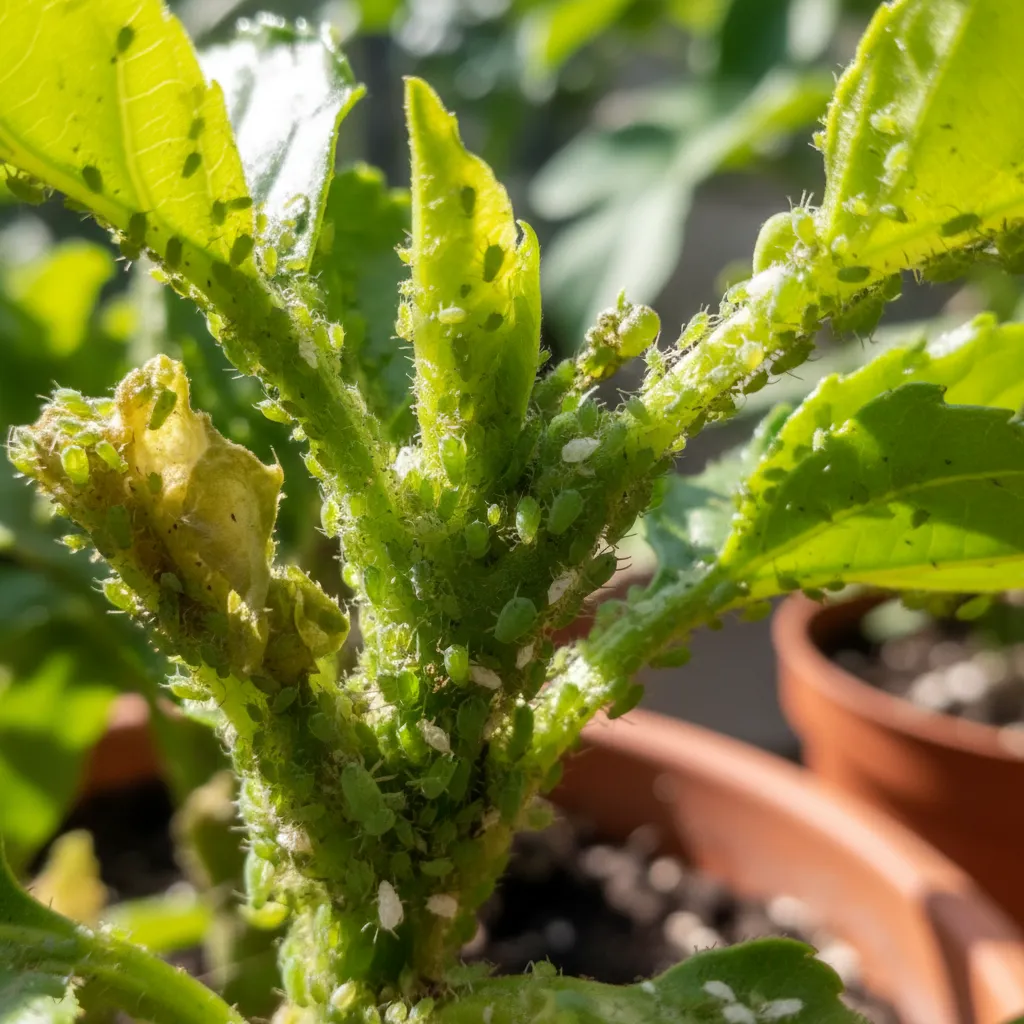
- ✓Pest and Disease Management — Monitor for common pests like Japanese beetles and diseases such as anthracnose or spur blight, employing organic solutions or appropriate treatments as necessary.
- ✓Support System — Trellising or a post-and-wire system can help support canes, improve air circulation, and facilitate harvesting, especially for taller varieties.
Reviewed by the Flora Medical Global Botanical Review Panel
Multi-disciplinary editorial group · Botany · Ethnobotany · Herbal-medicine literature
Who reviewed this: This page was checked by the Flora Medical Global Botanical Review Panel — an in-house editorial group of botany graduates, ethnobotany researchers, and horticulture practitioners who collectively maintain our 7,000+ plant encyclopedia. Meet the team.
Our 4-step verification process
1. Taxonomic verification
Scientific names and synonyms cross-checked against Kew POWO, World Flora Online, and The Plant List.
2. Phytochemical & medicinal cross-reference
Active compounds, traditional uses, and reported activities are cross-referenced with PubMed, USDA Dr. Duke's database, and peer-reviewed ethnobotanical literature.
3. Conservation & distribution check
Distribution, ecology, and conservation status confirmed against GBIF occurrence records and the IUCN Red List.
4. Editorial & safety review
Every entry passes an editorial pass for clarity, originality, and safety notices (toxicity, contraindications, dosage caveats) before publication.
Last reviewed:
Important medical disclaimer: This content is for educational and research purposes only. It is not medical advice and is not a substitute for consultation with a licensed healthcare provider. Do not use any herb to self-treat a medical condition without professional guidance.
Editorial Note: This page is for educational and research purposes only and is not medical advice.
Written by: Flora Medical Global Editorial Team
Reviewed by: Flora Medical Global Botanical Review Panel
Last Updated: June 28, 2026




Red Raspberry — Comments & Community Reviews
Rate this plant
No reviews yet. Be the first!