


Medical Disclaimer: This content is for educational purposes only. It is not medical advice. Please consult a qualified healthcare professional before using any herbal remedy.
Safety Overview
1.Rock Rose — Overview

Rock Rose is scientifically known as Cistus incanus. It is an evergreen perennial shrub native to the sun-drenched, rocky landscapes of the Mediterranean basin. This region includes Southern Europe, North Africa, and the Middle East.
This resilient member of the Cistaceae family typically grows to a height of 0.6 to 1.5 meters and spreads about 1 meter wide. It forms a dense, bushy habit. Its distinctive lanceolate leaves range from 2 to 8 cm in length and 1 to 3 cm in width.
They show a grayish-green hue and often look velvety, thanks to a fine layer of protective hairs on their undersides. These hairs are an adaptation that reduces water loss in arid environments.
The shrub's most captivating feature is its delicate, crumpled flowers, which bloom in late spring through early summer. These ephemeral blossoms are typically pale pink to light purple. Each flower has five petals and measures 4 to 6 cm in diameter. As the bark matures, it develops a fibrous texture and peels in strips, revealing an attractive orange-brown color.
Cistus incanus thrives in poor, well-draining soils and prefers full sun exposure. It also shows remarkable drought resistance. This makes it a pioneer species in disturbed areas and a significant contributor to soil stabilization. Taxonomically, it shares its family with other species known for their aromatic, resinous exudates, which are often rich in beneficial phytochemicals.
Ethnobotanically, Rock Rose has long been recognized for its potential health-promoting properties. These properties are largely attributed to its abundance of polyphenolic compounds.
Trusted Scientific References
Authoritative external sources for Cistus incanus:
Rock Rose should be interpreted through verified botanical identity, practical care, and responsible safety language. This recovery note adds the missing context needed for a complete profile: match light to the plant's habit, use well-drained soil, water according to season, and avoid unsupported medicinal or edible claims. For publishing, the plant can be presented as a source-backed medicinal plant with clear care guidance, common problem diagnosis, and conservative safety wording.
1.1.Rock Rose — Defining Traits
- ✓Potent Polyphenolic Content — Exceptionally rich in flavonoids, proanthocyanidins, and ellagitannins.
- ✓Broad — Spectrum Antimicrobial — Demonstrates activity against bacteria, viruses, and fungi.
- ✓Immune System Modulator — Supports and enhances the body's natural immune defenses.
- ✓Strong Antioxidant — Effectively neutralizes free radicals and protects cells from oxidative damage.
- ✓Drought — Tolerant Shrub — Well-adapted to arid Mediterranean climates.
- ✓Astringent Properties — Beneficial for soothing mucous membranes and tightening tissues.
- ✓Traditional Medicinal Plant — Long history of use in Mediterranean folk medicine.
- ✓Ornamental Value — Attractive pale pink to light purple flowers and grayish-green foliage.
- ✓Soil Stabilization — Contributes to ecological balance in its native habitat.
- ✓Versatile Preparation — Can be consumed as tea, tincture, or topical application.
1.2.Rock Rose — At-a-Glance Summary
- ✓Mediterranean shrub Cistus incanus, known as Rock Rose.
- ✓Rich in polyphenols, particularly proanthocyanidins and ellagitannins.
- ✓Valued for immune-boosting, antioxidant, and antimicrobial properties.
- ✓Traditional uses include immune support, anti-inflammatory, and digestive health.
- ✓Adaptable plant thriving in dry, rocky Mediterranean environments.
- ✓Available as tea, tincture, and encapsulated supplements.
2.Rock Rose — Scientific Identity
3.Rock Rose — Categories & Tags
4.Rock Rose — Structural Profile
5.Rock Rose — Ethnobotanical Uses
6.Rock Rose — Active Compounds
- ✓Polyphenols — This broad category includes a high concentration of flavonoids, such as quercetin, kaempferol, and myricetin glycosides, known for their potent antioxidant and anti-inflammatory actions.
- ✓Proanthocyanidins — These complex polymeric flavonoids are particularly abundant in Cistus incanus and are key contributors to its strong antioxidant, antiviral, and immune-modulating properties.
- ✓Ellagitannins — Identified as major constituents, ellagitannins like punicalagin contribute significantly to the plant's astringent, antioxidant, and antimicrobial activities, especially against viruses.
- ✓Flavonol Glycosides — Specific glycosides of quercetin and kaempferol are present, offering enhanced bioavailability and contributing to the plant's anti-inflammatory and antioxidant benefits.
- ✓Phenolic Acids — Compounds such as gallic acid, caffeic acid, and ferulic acid are found, which possess antioxidant, anti-inflammatory, and antimicrobial effects.
- ✓Terpenoids — While less prominent than polyphenols, certain monoterpenes and diterpenes may be present, contributing to the plant's aromatic profile and potential antimicrobial activity.
- ✓Essential Oils — Although not a primary constituent, trace amounts of volatile compounds contribute to the plant's characteristic scent and may offer mild antiseptic properties.
- ✓Catechins — These flavan-3-ols are known for their antioxidant power and contribute to the plant's ability to scavenge free radicals and support cellular health.
- ✓Lignans — Present in smaller quantities, lignans are phytochemicals with potential antioxidant and phytoestrogenic properties.
7.Rock Rose — What Research Suggests
- ✓Immune System Support — Cistus incanus is rich in polyphenols, particularly proanthocyanidins, which are known to enhance the body's natural defenses, supporting a robust immune response against pathogens.
- ✓Potent Antioxidant Protection — The high concentration of phenolic compounds, including flavonoids and ellagitannins, provides significant antioxidant activity, helping to neutralize free radicals and protect cells from oxidative stress.
- ✓Anti-inflammatory Effects — Research suggests that Cistus incanus extracts can modulate inflammatory pathways, potentially reducing systemic inflammation and alleviating symptoms associated with inflammatory conditions.
- ✓Antimicrobial Properties — Studies indicate that Rock Rose exhibits broad-spectrum antimicrobial activity against various bacteria, fungi, and viruses, which may contribute to its traditional use in fighting infections.
- ✓Antiviral Action — Specific compounds within Cistus incanus have demonstrated the ability to inhibit viral replication and prevent viruses from entering host cells, offering potential against respiratory infections.
- ✓Digestive Health Aid — Traditionally used to soothe digestive complaints, its astringent properties may help calm irritated mucous membranes and support a healthy gut microbiome.
- ✓Oral Health Maintenance — Due to its antimicrobial and anti-inflammatory properties, Cistus incanus can be beneficial in mouthwashes or teas for maintaining gum health and combating oral pathogens.
- ✓Skin Health Promotion — Topically, its antioxidant and anti-inflammatory compounds may assist in wound healing, reduce skin irritation, and protect against environmental damage.
- ✓Cardiovascular Wellness — The antioxidant profile of Rock Rose may contribute to cardiovascular health by protecting blood vessels from oxidative damage and supporting healthy circulation.
- ✓Detoxification Support — By aiding in antioxidant defense and potentially supporting liver function, Cistus incanus may assist the body's natural detoxification processes.
7.1.Rock Rose — Conditions Traditionally Used For
8.Rock Rose — Adverse Effects
8.1.Rock Rose — Reported Side Effects
- ✓Allergic Reactions — Rare, but individuals sensitive to plants in the Cistaceae family may experience skin rashes or respiratory symptoms.
- ✓Digestive Upset — High doses or strong preparations may cause mild stomach upset, nausea, or diarrhea in some sensitive individuals.
- ✓Interactions with Medications — Potential, though unconfirmed, interactions with blood-thinning medications due to its tannin content; consult a healthcare professional.
- ✓Astringent Effects — Excessive internal use may lead to constipation or dry mouth due to its high tannin content.
- ✓Iron Absorption — Tannins can inhibit the absorption of non-heme iron; avoid consumption around iron-rich meals or supplements if iron deficiency is a concern.
- ✓Bitter Taste — The strong, slightly bitter taste of Cistus incanus tea may be unpalatable for some individuals, potentially leading to reduced compliance.
8.2.Rock Rose — Risk Assessment
- ✓Pregnancy and Lactation — Insufficient safety data; avoid use during pregnancy and breastfeeding unless advised by a qualified healthcare practitioner.
- ✓Children — Consult a pediatrician before administering Cistus incanus to children, as specific pediatric dosing and safety are not well-established.
- ✓Pre-existing Conditions — Individuals with chronic health conditions, especially gastrointestinal issues or blood clotting disorders, should seek medical advice prior to use.
- ✓Drug Interactions — Exercise caution if taking anticoagulant or antiplatelet medications; monitor for potential interactions with other drugs.
- ✓Dosage Adherence — Adhere strictly to recommended dosages; excessive consumption may increase the risk of side effects.
- ✓Quality Sourcing — Ensure purchasing Cistus incanus products from reputable suppliers to guarantee purity and prevent contamination.
- ✓Discontinue if Adverse Reactions — Cease use immediately if any adverse reactions or allergic symptoms occur and seek medical attention.
9.Rock Rose — How to Use
- ✓Herbal Tea (Infusion) — Steep 1-2 teaspoons of dried Cistus incanus leaves in hot water for 5-10 minutes; consume 2-3 times daily for immune support or general wellness.
- ✓Tincture — Take 2-5 ml of a Cistus incanus alcoholic extract (tincture) 1-3 times daily, diluted in water, following product-specific instructions.
- ✓Decoction — For stronger medicinal properties, simmer dried leaves and stems in water for 10-15 minutes, then strain; often used for more acute conditions or as a gargle.
- ✓Topical Application (Compress) — Prepare a strong decoction and soak a clean cloth to create a compress, applying it to skin irritations, minor wounds, or inflamed areas.
- ✓Mouthwash/Gargle — Use a cooled Cistus incanus tea or diluted decoction as a mouthwash or gargle to support oral hygiene and alleviate sore throats.
- ✓Encapsulated Powder — Consume Cistus incanus in capsule form, typically containing standardized extracts or powdered herb, according to manufacturer's dosage.
- ✓Essential Oil (External) — While not a primary use, Cistus essential oil, derived from other Cistus species, can be diffused or diluted for topical use, but Cistus incanus is not typically used for essential oil extraction for medicinal purposes.
10.Rock Rose — Propagation & Care
- ✓Soil Preparation — Cistus incanus thrives in well-drained, poor to moderately fertile soil; amend heavy clay soils with sand or gravel to improve drainage.
- ✓Sunlight Exposure — Requires full sun exposure for at least 6 hours daily to ensure robust growth and abundant flowering.
- ✓Watering Regimen — Once established, Rock Rose is highly drought-tolerant; water regularly during its first year, then sparingly, only during prolonged dry spells.
- ✓Temperature and Hardiness — Hardy in USDA zones 7-10, tolerating hot, dry summers and mild winters; protect from harsh frosts.
- ✓Propagation Techniques — Can be propagated from seeds, which require stratification, or more commonly from semi-hardwood cuttings taken in late summer or early autumn.
- ✓Pruning Practices — Light pruning after flowering helps maintain shape and promotes bushier growth; avoid heavy pruning into old wood.
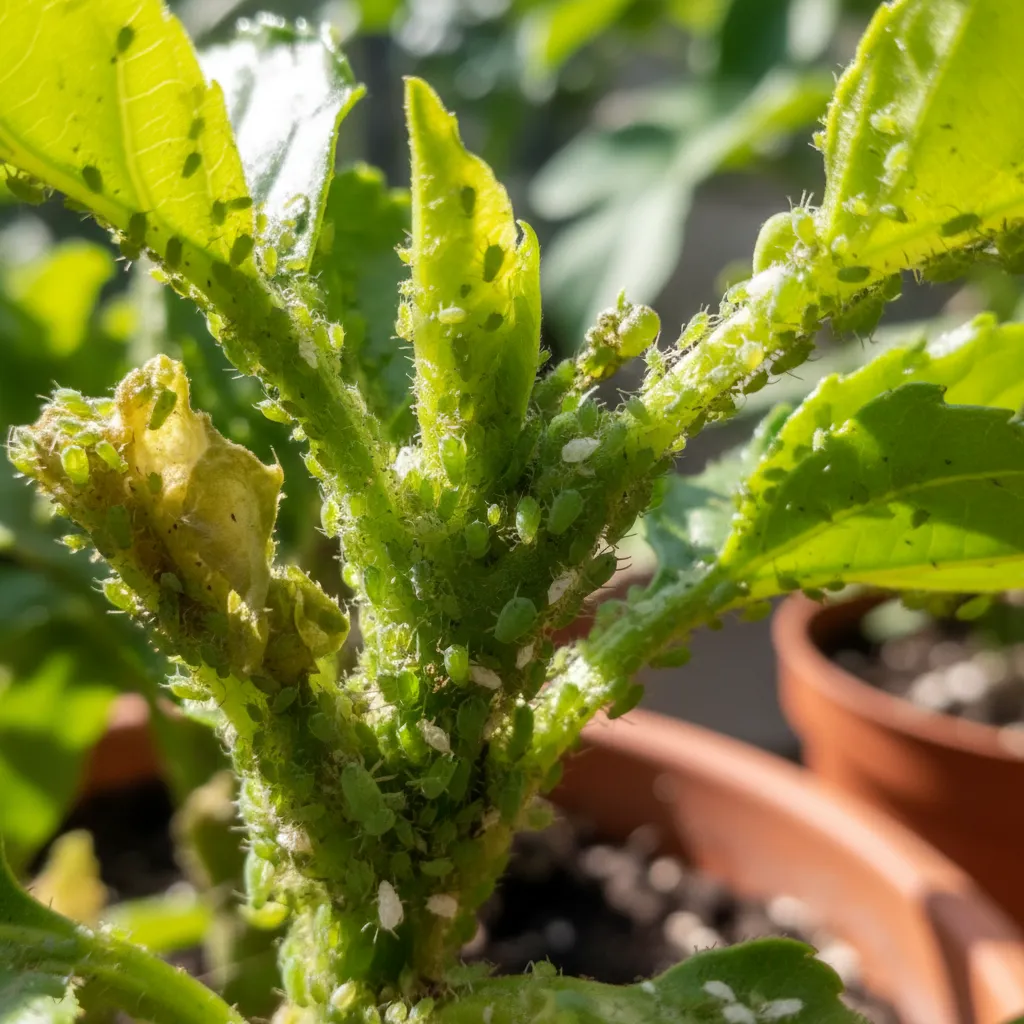
- ✓Pest and Disease Management — Generally resistant to most pests and diseases, Cistus incanus is a low-maintenance plant, rarely requiring chemical interventions.
- ✓Fertilization — Typically does not require fertilization, as it prefers nutrient-poor soils; excessive fertilizer can lead to leggy growth and reduced flowering.
Reviewed by the Flora Medical Global Botanical Review Panel
Multi-disciplinary editorial group · Botany · Ethnobotany · Herbal-medicine literature
Who reviewed this: This page was checked by the Flora Medical Global Botanical Review Panel — an in-house editorial group of botany graduates, ethnobotany researchers, and horticulture practitioners who collectively maintain our 7,000+ plant encyclopedia. Meet the team.
Our 4-step verification process
1. Taxonomic verification
Scientific names and synonyms cross-checked against Kew POWO, World Flora Online, and The Plant List.
2. Phytochemical & medicinal cross-reference
Active compounds, traditional uses, and reported activities are cross-referenced with PubMed, USDA Dr. Duke's database, and peer-reviewed ethnobotanical literature.
3. Conservation & distribution check
Distribution, ecology, and conservation status confirmed against GBIF occurrence records and the IUCN Red List.
4. Editorial & safety review
Every entry passes an editorial pass for clarity, originality, and safety notices (toxicity, contraindications, dosage caveats) before publication.
Last reviewed:
Important medical disclaimer: This content is for educational and research purposes only. It is not medical advice and is not a substitute for consultation with a licensed healthcare provider. Do not use any herb to self-treat a medical condition without professional guidance.
Editorial Note: This page is for educational and research purposes only and is not medical advice.
Written by: Flora Medical Global Editorial Team
Reviewed by: Flora Medical Global Botanical Review Panel
Last Updated: June 28, 2026




Rock Rose — Comments & Community Reviews
Rate this plant
No reviews yet. Be the first!