


Medical Disclaimer: This content is for educational purposes only. It is not medical advice. Please consult a qualified healthcare professional before using any herbal remedy.
Safety Overview
1.Rosehip — Overview

Rosehip comes from the wild rose species Rosa canina L., a resilient deciduous shrub in the diverse Rosaceae family. The plant is native across Europe, Northwest Africa, and Western Asia. It thrives in varied environments and commonly graces hedgerows, woodland edges, and scrubland. Arching, thorny stems characterize the dog rose. It bears delicate pale pink to white five-petaled flowers that bloom in late spring to early summer.
After successful pollination, these blossoms give way to the plant’s most prized feature: the vibrant red-orange, spherical to ovoid fruits known as rosehips. Botanists consider these hips accessory fruits. They enclose numerous achenes—the true fruits, or seeds—within their fleshy pericarp. The leaves are pinnately compound, typically with 5-7 leaflets and finely serrated margins. Rosa canina is a highly adaptable species.
It readily naturalizes in new regions, and many people see it as a symbol of wild beauty and natural resilience. Its significant presence in diverse ecosystems underscores its ecological importance. Meanwhile, its rich nutritional and phytochemical profile has long cemented its role in both traditional and modern medicinal practices.
Trusted Scientific References
Authoritative external sources for Rosa canina:
Rosehip should be interpreted through verified botanical identity, practical care, and responsible safety language. This recovery note adds the missing context needed for a complete profile: match light to the plant's habit, use well-drained soil, water according to season, and avoid unsupported medicinal or edible claims. For publishing, the plant can be presented as a source-backed medicinal plant with clear care guidance, common problem diagnosis, and conservative safety wording.
Rosehip (Rosa canina) is maintained in this recovery file as a complete medicinal profile with practical care, safety, and identification context. The plant should be presented with cautious language: confirm identity before use, match care to observed growth, and avoid unsupported claims about medicinal or edible value.
1.1.Rosehip — Standout Qualities
- ✓Rich in Vitamin C — One of nature's highest sources of ascorbic acid.
- ✓Powerful Antioxidant — Abundant in flavonoids, carotenoids, and phenolic compounds.
- ✓Anti — inflammatory Action — Contains galactolipids like GOPO, effective for joint pain.
- ✓Immune System Support — Boosts defense mechanisms against infections.
- ✓Skin Health Enhancer — Promotes collagen synthesis and reduces oxidative skin damage.
- ✓Traditional Medicinal History — Valued for centuries in European and Asian folk medicine.
- ✓Versatile Usage — Utilized in teas, oils, supplements, and culinary preparations.
- ✓Adaptogenic Potential — May help the body adapt to stress and maintain balance.
- ✓Sustainable Resource — Grows wild and can be cultivated in various climates.
- ✓Digestive and Cardiovascular Benefits — Supports gut health and circulatory function.
1.2.Rosehip — In Brief
- ✓Rosehip, from Rosa canina, is a potent source of Vitamin C and antioxidants.
- ✓Traditionally used for immune support, joint health, and skin rejuvenation.
- ✓Contains anti-inflammatory galactolipids beneficial for arthritis.
- ✓Offers antioxidant, anti-inflammatory, and hepatoprotective properties.
- ✓Available as teas, oils, powders, and extracts for various applications.
- ✓Generally safe but caution advised for certain medical conditions and medication interactions.
2.Rosehip — Scientific Identity
3.Rosehip — Categories & Tags
4.Rosehip — Morphological Account
5.Rosehip — Cultural & Traditional Roles
6.Rosehip — Secondary Metabolites
- ✓Ascorbic Acid (Vitamin C) — Present in exceptionally high concentrations, it is a potent antioxidant vital for immune function, collagen synthesis, and tissue repair.
- ✓Flavonoids — Including quercetin, kaempferol, and rutin, these compounds offer significant antioxidant, anti-inflammatory, and cardioprotective effects.
- ✓Phenolic Acids — Such as gallic acid, caffeic acid, and chlorogenic acid, contributing to the plant's antioxidant and anti-inflammatory properties.
- ✓Carotenoids — Beta-carotene, lycopene, and zeaxanthin are precursors to Vitamin A and provide strong antioxidant defense, crucial for vision and skin health.
- ✓Galactolipids — Particularly (2S)-1,2-di-O-alpha-linolenoyl-3-O-beta-D-galactopyranosyl glycerol (GOPO), which is a key anti-inflammatory agent in joint health.
- ✓Tannins — Astringent compounds that provide antioxidant activity and may aid in wound healing and digestive health.
- ✓Fatty Acids — Linoleic acid (omega-6) and alpha-linolenic acid (omega-3) are essential for skin health, cellular function, and reducing inflammation.
- ✓Terpenoids — A diverse group of compounds with various biological activities, including anti-inflammatory and antimicrobial properties.
- ✓Pectin — A soluble fiber found in the hips, contributing to digestive health and potentially aiding in cholesterol regulation.
- ✓Organic Acids — Malic and citric acids contribute to the tart flavor and also possess antioxidant properties.
- ✓Saponins — These compounds have foaming properties and may exhibit adaptogenic or immune-modulating effects.
7.Rosehip — Modern Studies
- ✓Joint Health Support — Rosehip is well-regarded for its anti-inflammatory properties, particularly beneficial for alleviating symptoms of osteoarthritis and rheumatoid arthritis by reducing pain and improving mobility.
- ✓Immune System Boost — Abundant in Vitamin C, rosehip significantly contributes to a robust immune response, aiding in the prevention and recovery from common colds and flu.
- ✓Antioxidant Protection — Its rich array of polyphenols, flavonoids, and carotenoids provides powerful antioxidant activity, safeguarding cells from oxidative stress and free radical damage.
- ✓Skin Rejuvenation — Applied topically or consumed, rosehip oil and extracts can promote skin regeneration, reduce hyperpigmentation, and improve skin elasticity due to its vitamin C and fatty acid content.
- ✓Digestive Aid — Traditionally used as a mild laxative and diuretic, rosehip can support healthy digestion and alleviate minor gastrointestinal discomfort.
- ✓Pain Relief — The analgesic effects attributed to its anti-inflammatory compounds help reduce various types of pain, including those associated with inflammatory conditions.
- ✓Cardiovascular Wellness — Compounds like flavonoids and phenolic acids may contribute to heart health by improving lipid profiles and supporting healthy blood pressure levels.
- ✓Liver Support (Hepatoprotective) — Emerging research suggests rosehip may offer hepatoprotective benefits, helping to protect liver cells from damage.
- ✓Blood Sugar Regulation — Some studies indicate potential antihyperglycemic effects, suggesting a role in managing blood sugar levels, though more research is needed.
- ✓Anti-cancer Potential — Preliminary in vitro and in vivo studies have explored its anticancer properties, linked to its antioxidant and anti-inflammatory constituents.
- ✓Ophthalmic Health — Historically used for eye-related ailments, its vitamin A (from carotenoids) content is crucial for maintaining good vision and eye health.
7.1.Rosehip — Therapeutic Indications
8.Rosehip — Precautions & Warnings
8.1.Rosehip — Caution Notes
- ✓Mild Digestive Upset — Some individuals may experience nausea, stomach cramps, or diarrhea, particularly with high doses or sensitive stomachs.
- ✓Allergic Reactions — Although rare, allergic responses such as skin rash, itching, or difficulty breathing can occur in susceptible individuals.
- ✓Heartburn — Due to its acidic nature, rosehip supplements or teas might exacerbate heartburn symptoms in people prone to acid reflux.
- ✓Kidney Stones — High doses of Vitamin C over extended periods could theoretically increase the risk of kidney stone formation in predisposed individuals.
- ✓Iron Overload — Vitamin C enhances iron absorption, which could be problematic for individuals with hemochromatosis or other iron overload disorders.
- ✓Dizziness or Fatigue — Infrequent reports suggest feelings of dizziness or unusual tiredness, particularly when first starting consumption.
- ✓Insomnia — In some cases, the stimulant-like effect of high vitamin C intake might lead to mild sleep disturbances if consumed late in the day.
8.2.Rosehip — Safety Profile
- ✓Pregnancy and Lactation — Consult a healthcare professional before use due to insufficient safety data in these populations, though moderate dietary intake is generally considered safe.
- ✓Medication Interactions — May interact with blood-thinning medications (anticoagulants) due to its Vitamin K content, and with antacids due to its acidity.
- ✓Diabetes Management — Individuals with diabetes should monitor blood sugar levels closely, as rosehip may have a mild impact on glucose regulation.
- ✓Kidney Conditions — Use with caution in individuals with kidney disease or a history of kidney stones due to its Vitamin C and oxalate content.
- ✓Iron Disorders — Individuals with conditions like hemochromatosis should avoid high doses due to Vitamin C's effect on iron absorption.
- ✓Gallstones — While not a direct cause, some sources suggest caution in individuals with gallstones as it may stimulate bile flow.
- ✓Hypersensitivity — Discontinue use if any signs of allergic reaction appear, such as rash, itching, or swelling.
9.Rosehip — Application Forms
- ✓Herbal Tea Infusion — Dried rosehips are commonly steeped in hot water to create a nutritious and flavorful tea, often consumed for its high Vitamin C content and immune support.
- ✓Syrups and Jams — Fresh rosehips can be processed into sweet syrups or jams, providing a palatable way to consume their beneficial compounds, particularly popular in Scandinavian cuisine.
- ✓Tinctures and Extracts — Alcohol-based tinctures or glycerin extracts concentrate the active compounds for convenient and potent medicinal use.
- ✓Rosehip Oil (Topical) — Cold-pressed oil from the seeds is highly valued for skincare, applied directly to the skin to improve tone, reduce scars, and moisturize.
- ✓Powders and Capsules — Dried and ground rosehip can be encapsulated or added to smoothies and foods as a dietary supplement for systemic benefits, especially for joint health.
- ✓Culinary Additions — Fresh hips, after removing seeds and hairs, can be added to salads or desserts, or used to flavor sauces and vinegars.
- ✓Decoctions — For tougher plant parts or to extract more robust compounds, rosehips can be simmered in water for a longer period to create a concentrated decoction.
10.Rosehip — Growth Requirements
- ✓Soil Preference — Thrives in well-drained, fertile soil with a pH range of 6.0 to 7.0.
- ✓Sunlight Requirements — Prefers full sun exposure, needing at least 6-8 hours of direct sunlight daily for optimal fruit production.
- ✓Propagation Techniques — Can be propagated effectively through seeds, which require stratification, or via hardwood cuttings taken in late autumn or winter.
- ✓Watering Regimen — Established plants are relatively drought-tolerant, but consistent watering is beneficial during dry spells, especially when fruits are developing.
- ✓Pruning Practices — Prune in late winter or early spring to remove dead or weak branches, encourage new growth, and maintain plant shape and vigor.
- ✓Harvesting — Hips are typically harvested in late summer to early autumn after they have ripened to a bright red or orange color, ideally after the first frost for enhanced sweetness.
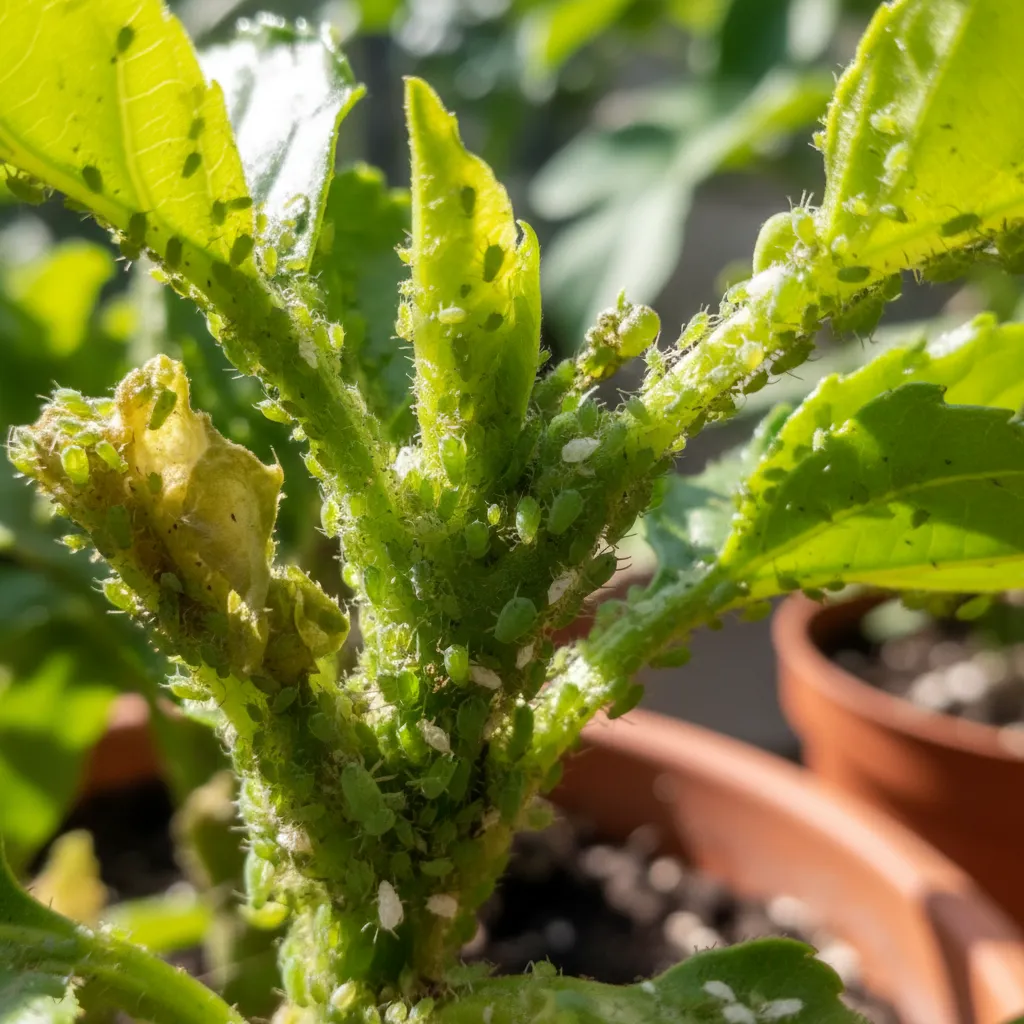
- ✓Pest and Disease Management — Generally robust, but monitor for common rose pests like aphids and black spot, managing with organic solutions when possible.
- ✓Climate Adaptability — Highly cold-hardy and resilient, making it suitable for a wide range of temperate climates.
Reviewed by the Flora Medical Global Botanical Review Panel
Multi-disciplinary editorial group · Botany · Ethnobotany · Herbal-medicine literature
Who reviewed this: This page was checked by the Flora Medical Global Botanical Review Panel — an in-house editorial group of botany graduates, ethnobotany researchers, and horticulture practitioners who collectively maintain our 7,000+ plant encyclopedia. Meet the team.
Our 4-step verification process
1. Taxonomic verification
Scientific names and synonyms cross-checked against Kew POWO, World Flora Online, and The Plant List.
2. Phytochemical & medicinal cross-reference
Active compounds, traditional uses, and reported activities are cross-referenced with PubMed, USDA Dr. Duke's database, and peer-reviewed ethnobotanical literature.
3. Conservation & distribution check
Distribution, ecology, and conservation status confirmed against GBIF occurrence records and the IUCN Red List.
4. Editorial & safety review
Every entry passes an editorial pass for clarity, originality, and safety notices (toxicity, contraindications, dosage caveats) before publication.
Last reviewed:
Important medical disclaimer: This content is for educational and research purposes only. It is not medical advice and is not a substitute for consultation with a licensed healthcare provider. Do not use any herb to self-treat a medical condition without professional guidance.
Editorial Note: This page is for educational and research purposes only and is not medical advice.
Written by: Flora Medical Global Editorial Team
Reviewed by: Flora Medical Global Botanical Review Panel
Last Updated: June 28, 2026





Rosehip — Comments & Community Reviews
Rate this plant
No reviews yet. Be the first!