
Medical Disclaimer: This content is for educational purposes only. It is not medical advice. Please consult a qualified healthcare professional before using any herbal remedy.
Safety Overview
1.Sacha Inchi — Plant Snapshot
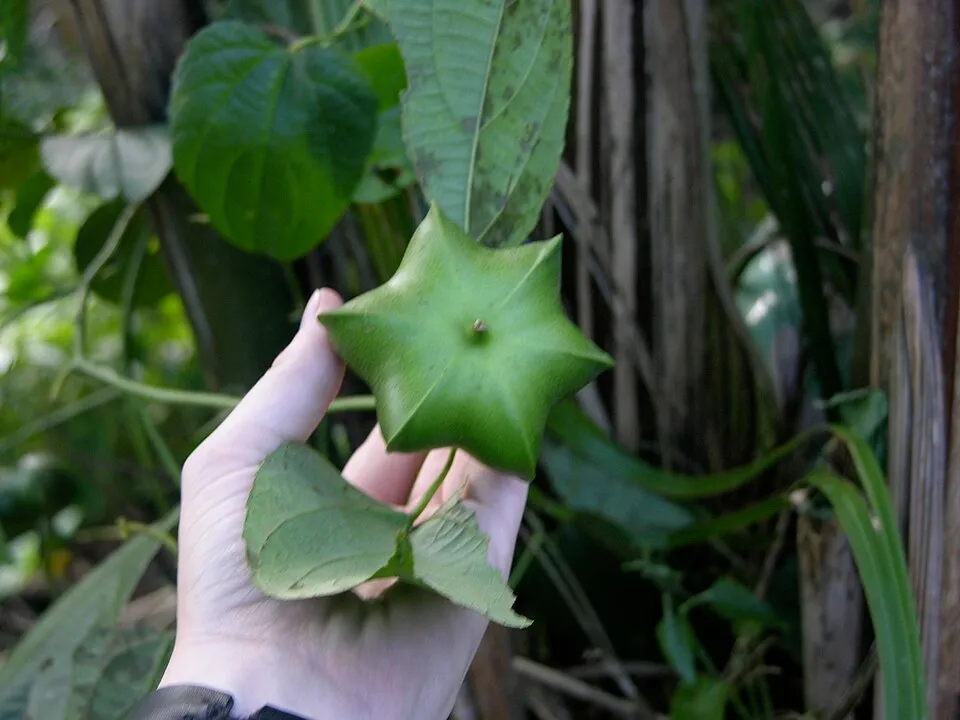
Sacha Inchi, scientifically known as Plukenetia volubilis Linneo, is a distinguished perennial oleaginous plant indigenous to the verdant Amazon rainforest, with its historical roots deeply embedded in the Peruvian Andes. Its evocative name, 'Sacha Inchi,' translates to 'wild peanut,' though botanically, it is distinctly not a peanut, but a proud member of the Euphorbiaceae family.
This remarkable plant boasts a legacy of cultivation and consumption by indigenous communities spanning thousands of years, with compelling archaeological evidence, such as petroglyphs at Chan Chan, indicating its profound significance in ancient dietary and cultural practices of pre-Incan civilizations.
Historically, the Incas revered Sacha Inchi for its dense nutritional profile, meticulously extracting oil from its seeds for both sustenance and medicinal applications. Traditional preparation often involved roasting the seeds, a practice that not only enhanced their palatability but also optimized their nutritional availability, integrating them as a vital source of energy and vitality into the daily diet. Morphologically, Plukenetia volubilis presents as a semi-woody vine, capable of ascending up to 2 meters, characterized by its heart-shaped, serrated leaves and delicate, yellowish-white flowers arranged in racemes.
Its most iconic feature, and the fount of its nutritional prowess, is its star-shaped, capsular fruits. These fruits typically possess 4 to 7 lobes, each cradling a single dark brown, oval-shaped seed. Unripe pods are green, gradually transforming into a dark brown or black hue and hardening significantly upon maturity, at which point they dehisce to reveal the prized seeds within.
The seed is the primary utilized part, celebrated for its exceptionally high oil content, typically ranging from 35-60%, and a substantial protein content of 25-30%. Sacha Inchi thrives in warm climates (10-36°C) with ample rainfall (850-1000mm) and well-drained acidic soils, preferring high-light conditions at altitudes between 200-1500m.
Trusted Scientific References
1. Authoritative external sources for Plukenetia volubilis
1.1 Wikipedia — Plukenetia volubilis
1.2 Kew POWO (Plants of the World Online)
1.3 PubMed — peer-reviewed research
1.4 NCBI Taxonomy Browser
1.5 GBIF — Global Biodiversity
1.1.Sacha Inchi — Defining Traits
- ✓Botanical Name — Plukenetia volubilis Linneo.
- ✓Common Names — Sacha Inchi, Inca Peanut, Wild Peanut, Mountain Peanut.
- ✓Plant Family — Euphorbiaceae.
- ✓Geographic Origin — Amazon rainforest, particularly the Peruvian Andes.
- ✓Primary Utilized Part — The nutrient-rich seeds.
- ✓Key Nutritional Components — Exceptionally high in Omega-3 (ALA), complete protein, and Vitamin E.
- ✓Growth Habit — A perennial, semi-woody climbing vine.
- ✓Fruit Morphology — Distinctive star-shaped capsular fruits with 4-7 lobes.
- ✓Traditional Uses — A staple food and traditional medicine for indigenous communities for millennia.
- ✓Modern Applications — Valued as a functional food, dietary supplement, and ingredient in cosmetics.
1.2.Sacha Inchi — Quick Summary
- ✓Amazonian Superfood — An ancient Peruvian seed revered for its exceptional nutritional profile and historical significance.
- ✓Omega-Rich Powerhouse — Abundant in Omega-3 (ALA), Omega-6, and Omega-9 fatty acids, crucial for holistic health.
- ✓Complete Plant Protein — Offers high-quality, easily digestible plant-based protein with all essential amino acids.
- ✓Antioxidant & Anti-inflammatory — Packed with Vitamin E and phenolics that combat oxidative stress and reduce inflammation.
- ✓Versatile Dietary Addition — Consumed as roasted seeds, cold-pressed oil, or protein powder for diverse applications.
- ✓Supports Vital Systems — Beneficially impacts cardiovascular, cognitive, dermatological, and digestive health.
2.Sacha Inchi — Taxonomic Classification
3.Sacha Inchi — Reference Facts
4.Sacha Inchi — Structural Profile
5.Sacha Inchi — Geographic Distribution
6.Sacha Inchi — Cultural & Traditional Roles
7.Sacha Inchi — Active Compounds
- ✓Essential Fatty Acids — Predominantly alpha-linolenic acid (ALA, Omega-3, 40-50%), linoleic acid (Omega-6, 30-40%), and oleic acid (Omega-9, 6-10%), crucial for cellular integrity, brain function, and anti-inflammatory responses.
- ✓Proteins — High-quality protein (25-30%) with a complete profile of essential amino acids, including tryptophan, leucine, and valine, vital for muscle synthesis and enzyme production.
- ✓Tocopherols (Vitamin E) — Rich in various forms of Vitamin E, particularly gamma-tocopherol, which acts as a powerful lipid-soluble antioxidant, protecting cell membranes from oxidative stress.
- ✓Phytosterols — Contains beta-sitosterol, campesterol, and stigmasterol, compounds known for their cholesterol-lowering properties by inhibiting absorption in the gut.
- ✓Phenolic Compounds — Includes flavonoids and phenolic acids, contributing significantly to the plant's antioxidant and anti-inflammatory activities.
- ✓Carotenoids — Minor amounts of beta-carotene, lutein, and zeaxanthin, which are precursors to Vitamin A and important for vision and antioxidant defense.
- ✓Minerals — A good source of essential minerals such as calcium, magnesium, potassium, zinc, and iron, supporting various physiological functions including bone health and nerve transmission.
- ✓Dietary Fiber — Present in the seed meal, aiding digestive health, promoting satiety, and contributing to blood sugar regulation.
- ✓Saponins — Natural glycosides with potential immunomodulatory, anti-inflammatory, and cholesterol-regulating effects.
- ✓Alkaloids — Found in trace amounts, these compounds may possess various biological activities, though they are not the primary active constituents.
8.Sacha Inchi — Modern Studies
- ✓Antidyslipidemic Effects — Sacha Inchi oil is rich in polyunsaturated fatty acids, particularly alpha-linolenic acid (ALA, an omega-3), which helps regulate cholesterol and triglyceride levels, thereby improving overall lipid profiles.
- ✓Cardiovascular Health Support — By reducing LDL (bad) cholesterol and increasing HDL (good) cholesterol, Sacha Inchi contributes to better arterial health and reduces the risk of cardiovascular diseases.
- ✓Potent Antioxidant Activity — Abundant in tocopherols (Vitamin E), especially gamma-tocopherol, and phenolic compounds, Sacha Inchi helps neutralize free radicals, protecting cells from oxidative damage.
- ✓Anti-inflammatory Properties — The high omega-3 content provides significant anti-inflammatory benefits, modulating inflammatory pathways throughout the body and potentially alleviating symptoms of chronic inflammatory conditions.
- ✓Neuroprotective Benefits — Alpha-linolenic acid is a precursor to EPA and DHA, crucial for brain health, supporting cognitive function, memory, and protecting neuronal integrity.
- ✓Dermatological Applications — Traditionally used topically, Sacha Inchi oil moisturizes and softens the skin, aids in wound healing, treats insect bites, and helps alleviate skin infections.
- ✓Protein Source for Muscle Health — The seeds are a complete plant-based protein, providing all essential amino acids necessary for muscle repair, growth, and overall metabolic function.
- ✓Digestive System Support — Sacha Inchi seeds, particularly the defatted meal, contain dietary fiber that promotes healthy digestion, aids in bowel regularity, and supports a balanced gut microbiome.
- ✓Blood Sugar Regulation — While not a direct hypoglycemic agent, its healthy fat and fiber content can contribute to improved satiety and stable blood glucose levels, benefiting metabolic health.
- ✓Immune System Enhancement — The combination of essential fatty acids, antioxidants, and vital minerals helps to bolster the immune system, improving the body's natural defense mechanisms.
- ✓Bone Health Contribution — Contains essential minerals like calcium, magnesium, and phosphorus which are important cofactors for maintaining bone density and strength.
- ✓Mood and Well-being — Tryptophan, an amino acid present in Sacha Inchi protein, is a precursor to serotonin, which plays a role in mood regulation and overall psychological well-being.
8.1.Sacha Inchi — Reported Uses
9.Sacha Inchi — Risk Profile
9.1.Sacha Inchi — Caution Notes
- ✓Gastrointestinal Discomfort — High doses, particularly of the oil, may induce mild digestive upset such as nausea, bloating, or diarrhea in sensitive individuals.
- ✓Allergic Reactions — While uncommon, individuals with sensitivities to other nuts or seeds might experience allergic symptoms like skin rashes, itching, or swelling.
- ✓Toxicity of Unroasted Seeds — Raw, unprocessed Sacha Inchi seeds contain antinutrients and potentially toxic compounds that are inactivated by proper roasting; raw consumption is strongly discouraged.
- ✓Potential Blood Thinning — Due to its significant omega-3 content, Sacha Inchi oil may theoretically exert mild blood-thinning effects, which could be a concern for individuals on anticoagulant medications.
- ✓Drug Interactions — May potentially interact with medications affecting blood coagulation or lipid metabolism; individuals on prescription drugs should consult a healthcare provider.
- ✓Heavy Metal Accumulation — As with any plant, there is a risk of heavy metal contamination if the plant is grown in polluted soil, underscoring the importance of reputable sourcing.
9.2.Sacha Inchi — Clinical Safety Notes
- ✓Generally Recognized as Safe (GRAS) — Properly roasted Sacha Inchi seeds and cold-pressed oil are generally considered safe for consumption within recommended dietary amounts.
- ✓Pregnancy and Lactation — Limited specific studies on pregnant or breastfeeding individuals; consultation with a healthcare professional is advised before use.
- ✓Pediatric Use — Considered safe for children in moderate, age-appropriate servings, but high supplemental doses should be avoided without medical guidance.
- ✓Pre-existing Health Conditions — Individuals with bleeding disorders, diabetes, or other chronic conditions should seek medical advice prior to consistent use.
- ✓Quality Sourcing — It is paramount to procure Sacha Inchi products from trusted suppliers to ensure purity, quality, and absence of contaminants.
- ✓Adherence to Dosage — Always follow recommended dosages for Sacha Inchi oil supplements to minimize the potential for adverse effects.
- ✓Roasting Requirement — Ensure all Sacha Inchi seeds are thoroughly roasted before consumption to neutralize naturally occurring antinutrients.
10.Sacha Inchi — How to Use
- ✓Roasted Seeds — The most common traditional method; seeds are roasted to enhance flavor, texture, and nutritional availability, then consumed as a healthy snack.
- ✓Cold-Pressed Oil — Oil is extracted from the seeds, typically through cold-pressing to preserve its delicate fatty acid profile, used as a dietary supplement or culinary ingredient.
- ✓Encapsulated Supplements — Sacha Inchi oil is widely available in soft gel capsules, providing a convenient way to supplement omega fatty acids.
- ✓Protein Powder — The defatted meal remaining after oil extraction is ground into a fine powder, serving as a high-quality plant-based protein supplement for smoothies and shakes.
- ✓Culinary Ingredient — The oil can be drizzled over salads, incorporated into dressings, or added to cooked dishes after preparation, but is generally not recommended for high-heat cooking due to omega-3 sensitivity.
- ✓Topical Application — The oil is applied directly to the skin for its moisturizing, emollient, and regenerative properties, often found in natural cosmetic and skincare products.
- ✓Leaf Preparations — Historically, the leaves were cooked and consumed as a vegetable, or potentially used in traditional herbal infusions, though less common today.
- ✓Flour/Meal — Ground Sacha Inchi seeds, sometimes combined with other flours, can be used in baking or as a nutritional enhancer in various food products.
11.Sacha Inchi — Growth Requirements
- ✓Climate Requirement — Thrives in warm tropical and subtropical climates, ideally with temperatures ranging from 10°C to 36°C.
- ✓Rainfall and Water — Requires consistent access to water, with annual rainfall between 850-1000mm; supplemental irrigation is vital during dry seasons.
- ✓Soil Preference — Grows best in well-drained, acidic to neutral soils (sandy loams or clay loams), showing adaptability to areas with high aluminum concentrations.
- ✓Altitude Range — Can be successfully cultivated from low jungle regions at 200 meters up to 1500 meters above sea level.
- ✓Light Exposure — Demands high-light intensity for optimal growth and fruit production; prolonged shade can reduce flowering and extend the vegetative cycle.
- ✓Growth Cycle and Yield — A semi-woody vine that typically begins producing flowers and star-shaped fruit capsules approximately 8 months after planting.
- ✓Support System — As a climbing plant, Sacha Inchi benefits from trellising or other support structures to facilitate vertical growth and maximize yield.
- ✓Propagation — Primarily propagated from seeds, which germinate effectively under warm and moist conditions.
Reviewed by the Flora Medical Global Botanical Review Panel
Multi-disciplinary editorial group · Botany · Ethnobotany · Herbal-medicine literature
Who reviewed this: This page was checked by the Flora Medical Global Botanical Review Panel — an in-house editorial group of botany graduates, ethnobotany researchers, and horticulture practitioners who collectively maintain our 7,000+ plant encyclopedia. Meet the team.
Our 4-step verification process
1. Taxonomic verification
Scientific names and synonyms cross-checked against Kew POWO, World Flora Online, and The Plant List.
2. Phytochemical & medicinal cross-reference
Active compounds, traditional uses, and reported activities are cross-referenced with PubMed, USDA Dr. Duke's database, and peer-reviewed ethnobotanical literature.
3. Conservation & distribution check
Distribution, ecology, and conservation status confirmed against GBIF occurrence records and the IUCN Red List.
4. Editorial & safety review
Every entry passes an editorial pass for clarity, originality, and safety notices (toxicity, contraindications, dosage caveats) before publication.
Last reviewed:
Important medical disclaimer: This content is for educational and research purposes only. It is not medical advice and is not a substitute for consultation with a licensed healthcare provider. Do not use any herb to self-treat a medical condition without professional guidance.
Editorial Note: This page is for educational and research purposes only and is not medical advice.
Written by: Flora Medical Global Editorial Team
Reviewed by: Flora Medical Global Botanical Review Panel
Last Updated: June 16, 2026





Sacha Inchi — Comments & Community Reviews
Rate this plant