
Medical Disclaimer: This content is for educational purposes only. It is not medical advice. Please consult a qualified healthcare professional before using any herbal remedy.
Safety Overview
1.Sahadevi — Plant Snapshot
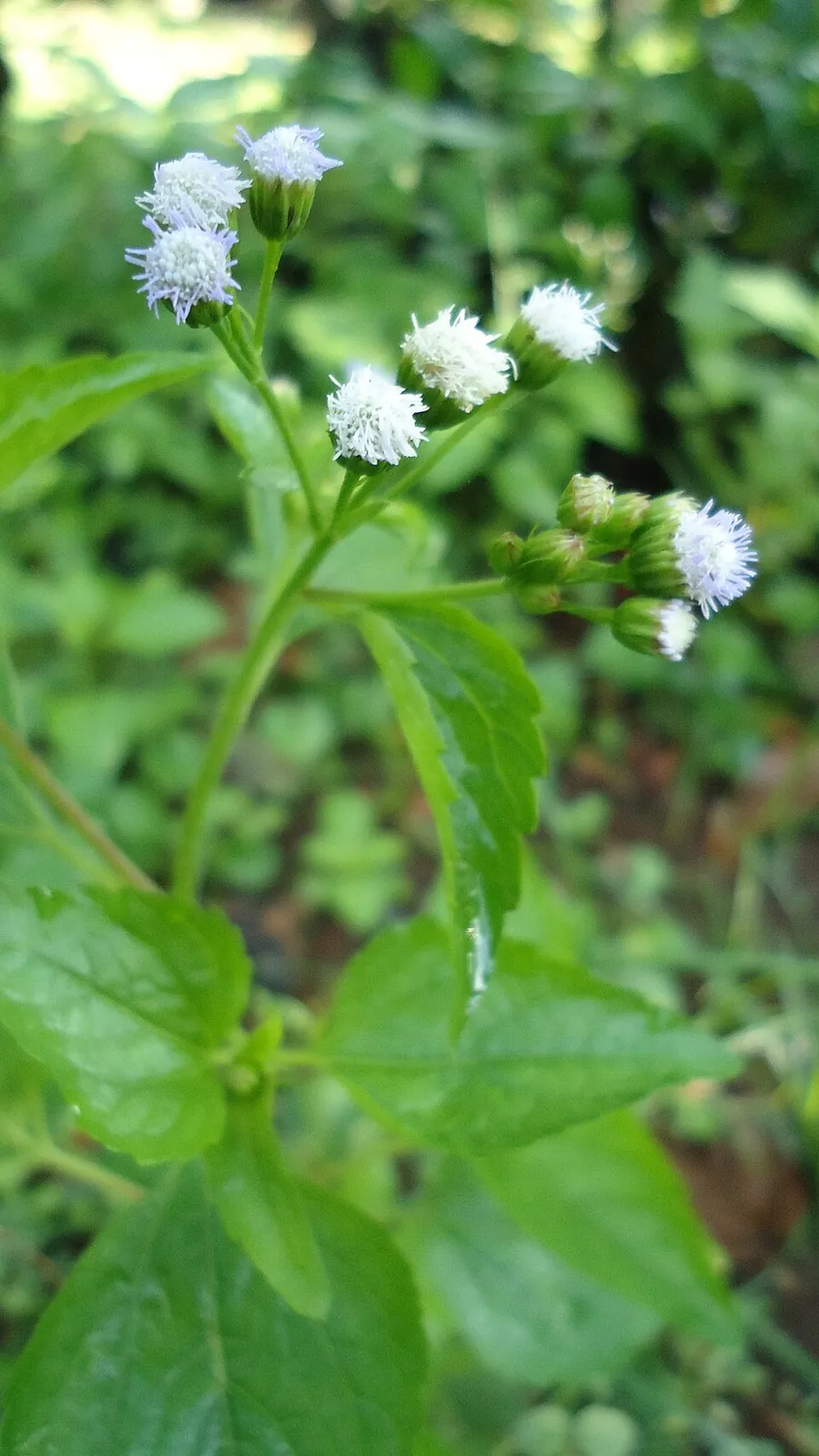
Sahadevi, known scientifically as Vernonia cinerea and also by its synonym Cyanthillium cinereum, is a resilient perennial herbaceous plant belonging to the expansive Asteraceae family. This species typically exhibits an erect or sometimes decumbent growth habit, reaching heights between 30 and 120 cm. Its stems are often branched, slender, and may appear glabrous or slightly pubescent, transitioning to a light brown to grayish, somewhat rough bark with age. The leaves are simple, alternate, and exstipulate, varying in shape from lanceolate to ovate, generally measuring 2.5 to 10 cm in length and 1.8 to 3.6 cm in width.
Lower leaves are typically broader with entire or subentire margins, while upper leaves tend to be smaller, linear, and irregularly toothed. A distinguishing characteristic of Sahadevi is its striking composite flowers, which form dense clusters or terminal cymes, displaying hues from pale violet to vibrant purple. These capitula are small and numerous, attracting a variety of pollinators. The root system comprises a main taproot, 5-12 cm long, with numerous tapering rootlets.
Vernonia cinerea thrives in open grasslands, disturbed areas, and cultivated fields, demonstrating a preference for tropical and subtropical climates. Its natural distribution spans across Asia, including India, Bangladesh, Nepal, and Southeast Asia, extending to parts of Africa and even Australia, highlighting its adaptability and widespread presence. This plant's robust nature and broad geographical range underscore its ecological significance and its long-standing role in diverse traditional medicine systems.
Trusted Scientific References
1. Authoritative external sources for Vernonia cinerea
1.1 Wikipedia — Vernonia cinerea
1.2 Kew POWO (Plants of the World Online)
1.3 PubMed — peer-reviewed research
1.4 NCBI Taxonomy Browser
1.5 GBIF — Global Biodiversity
1.6Sahadevi should be interpreted through verified botanical identity, practical care, and responsible safety language. This recovery note adds the missing context needed for a complete profile: match light to the plant's habit, use well-drained soil, water according to season, and avoid unsupported medicinal or edible claims. For publishing, the plant can be presented as a source-backed medicinal plant with clear care guidance, common problem diagnosis, and conservative safety wording.
1.1.Sahadevi — Key Features
- ✓Perennial herbaceous plant, typically 30 — 120 cm tall.
- ✓Distinctive violet to — Distinctive violet to purple composite flowers in dense clusters.
- ✓Native to tropical — Native to tropical and subtropical regions across Asia, Africa, and Australia.
- ✓Known commonly as — Known commonly as Sahadevi in India and Bach dau ong in Vietnam.
- ✓Member of the — Member of the Asteraceae (daisy) family.
- ✓Contains potent sesquiterpene — Contains potent sesquiterpene lactones like vernodalin and vernolepin.
- ✓Valued for its — Valued for its traditional use in reducing fever and inflammation.
- ✓Recognized for its — Recognized for its unique application in supporting smoking cessation.
- ✓Possesses significant antioxidant — Possesses significant antioxidant and antimicrobial activities.
- ✓Adaptable plant often — Adaptable plant often found in disturbed habitats and grasslands.
1.2.Sahadevi — Quick Summary
- ✓Sahadevi (Vernonia cinerea) is a widely distributed perennial herb of the Asteraceae family.
- ✓Renowned in Ayurveda and Traditional Chinese Medicine for diverse therapeutic uses.
- ✓Rich in sesquiterpene lactones, flavonoids, and phenolic compounds.
- ✓Exhibits antipyretic, anti-inflammatory, antioxidant, and antidiabetic properties.
- ✓Traditionally used for respiratory health, fever, and famously, smoking cessation.
- ✓Requires careful usage and adherence to safety guidelines due to potential interactions.
2.Sahadevi — Systematic Position
3.Sahadevi — Botanical Stats
4.Sahadevi — Morphological Account
5.Sahadevi — Habitat & Distribution
6.Sahadevi — Historical Applications
7.Sahadevi — Active Compounds
- ✓Sesquiterpene Lactones — Key compounds include vernodalin, vernolepin, and vernolide, which are primarily responsible for the plant's anti-inflammatory, anticancer, and antiprotozoal activities.
- ✓Flavonoids — Important examples like luteolin, apigenin, and quercetin contribute significantly to Sahadevi's antioxidant, anti-inflammatory, and antidiabetic properties.
- ✓Phenolic Compounds — A diverse group including caffeic acid derivatives, these compounds are potent antioxidants that protect against cellular damage and oxidative stress.
- ✓Triterpenes — Compounds such as stigmasterol and other triterpenoid saponins are present, offering anti-inflammatory, adaptogenic, and hepatoprotective effects.
- ✓Alkaloids — While not as dominant as other classes, various alkaloids are found, contributing to the plant's general therapeutic spectrum, including potential analgesic actions.
- ✓Steroids — Phytosterols, including beta-sitosterol, are present and known for their anti-inflammatory and cholesterol-lowering potential.
- ✓Saponins — These glycosidic compounds contribute to the plant's expectorant and immune-modulating properties, often found in root extracts.
- ✓Glycosides — Various types of glycosides are found, playing roles in diverse biological activities and contributing to the overall pharmacological profile.
- ✓Coumarins — Identified in some extracts, coumarins can exhibit anti-inflammatory, anticoagulant, and antioxidant activities, enhancing the plant's therapeutic range.
- ✓Fatty Acids — Essential fatty acids are present in the plant, providing nutritional value and supporting cellular health.
8.Sahadevi — Research Insights
- ✓Antipyretic Activity — Sahadevi is traditionally highly regarded for its ability to reduce fever, with infusions of the leaves often used to alleviate febrile symptoms by potentially modulating thermoregulatory pathways.
- ✓Respiratory Support — Extracts from Vernonia cinerea are frequently employed in traditional medicine to ease symptoms of respiratory illnesses such as the common cold, influenza, and coughs, acting as an expectorant and bronchodilator.
- ✓Smoking Cessation Aid — Historically, particularly in Vietnamese traditional medicine, this plant has been utilized to help individuals quit smoking by mitigating nicotine withdrawal symptoms and reducing cravings.
- ✓Anti-inflammatory Properties — Rich in sesquiterpene lactones and flavonoids, Sahadevi exhibits significant anti-inflammatory effects, helping to reduce swelling and pain associated with various inflammatory conditions.
- ✓Antioxidant Effects — The presence of phenolic compounds and flavonoids provides potent antioxidant activity, protecting cells from oxidative stress and free radical damage.
- ✓Antimicrobial Action — Crude extracts of Vernonia cinerea have demonstrated broad-spectrum antimicrobial properties, inhibiting the growth of certain bacteria and fungi.
- ✓Antidiabetic Potential — Some traditional uses and preliminary research suggest Sahadevi may help in regulating blood glucose levels, offering a complementary approach for managing diabetes.
- ✓Anticancer Activity — Certain sesquiterpene lactones isolated from the plant, such as vernodalin and vernolepin, have shown promising cytotoxic effects against various cancer cell lines in in-vitro studies.
- ✓Hepatoprotective Effects — Traditionally, Sahadevi has been used to support liver health, and some studies indicate its extracts can protect liver cells from damage.
- ✓Renoprotective Benefits — Emerging research suggests Vernonia cinerea may offer protective effects to the kidneys, contributing to renal health.
- ✓Analgesic Relief — The plant is also recognized for its traditional use in alleviating pain, acting as a natural analgesic for various discomforts.
- ✓Sedative Qualities — In some folk medicine systems, Sahadevi is used for its mild sedative properties, promoting relaxation and aiding in sleep.
8.1.Sahadevi — Indications & Uses
9.Sahadevi — Adverse Effects
9.1.Sahadevi — Reported Side Effects
- ✓Gastrointestinal Upset — High doses may lead to mild side effects such as nausea, vomiting, or diarrhea in sensitive individuals.
- ✓Allergic Reactions — Individuals with sensitivities or known allergies to plants in the Asteraceae family may experience skin rashes or other allergic responses.
- ✓Hypoglycemia — May potentially lower blood sugar levels, necessitating caution for diabetics or those on antidiabetic medications due to additive effects.
- ✓Hypotension — There is a theoretical risk of lowering blood pressure, which could be significant for individuals on antihypertensive drugs.
- ✓Sedation — When combined with other sedative medications or herbs, Vernonia cinerea might amplify sedative effects.
- ✓Pregnancy and Lactation — Insufficient safety data exists, hence its use is generally advised against during pregnancy and breastfeeding.
- ✓Drug Interactions — Potential interactions with blood-thinning medications (due to coumarins) or immunosuppressants should be considered.
9.2.Sahadevi — Risk Assessment
- ✓Professional Consultation — Always consult a healthcare provider or qualified herbalist before using Sahadevi, especially if you have pre-existing medical conditions or are on medication.
- ✓Dosage Adherence — Strictly follow recommended dosages; excessive intake can increase the risk of adverse effects.
- ✓Allergy Alert — Avoid use if you have a known allergy to any plants in the Asteraceae (daisy) family, as cross-reactivity may occur.
- ✓Pregnancy and Breastfeeding — Due to a lack of comprehensive safety studies, Sahadevi is not recommended for use by pregnant or breastfeeding women.
- ✓Pediatric Use — Exercise extreme caution when considering use in children, and always do so under the guidance of a medical professional.
- ✓Chronic Conditions Monitoring — Individuals with diabetes or hypertension should monitor their blood sugar and blood pressure closely if using Sahadevi.
- ✓Quality Assurance — Ensure the source of Sahadevi is reputable and free from contaminants, pesticides, or heavy metals.
10.Sahadevi — Application Forms
- ✓Herbal Infusion (Tea) — Dried or fresh leaves can be steeped in hot water for 5-10 minutes to make a tea, commonly used for fever and respiratory ailments.
- ✓Decoction — Roots and tougher plant parts are simmered in water for a longer period to extract active compounds, often used for more chronic or systemic conditions.
- ✓Topical Poultice — Crushed fresh leaves can be applied directly as a poultice to skin conditions like boils, rashes, or minor injuries for anti-inflammatory and antiseptic effects.
- ✓Powdered Form — Dried Sahadevi material can be ground into a fine powder and encapsulated, or mixed with honey/water for internal consumption.
- ✓Tincture — An alcohol-based extract provides a concentrated form, allowing for precise dosing and extended shelf life, often used for systemic benefits.
- ✓Chewing Fresh Leaves — Traditionally, fresh leaves are chewed as a method to help reduce nicotine cravings and support smoking cessation.
- ✓Juicing — Fresh leaves can be juiced and consumed directly, offering a rapid way to absorb its nutrients and active compounds, especially for detoxification.
11.Sahadevi — Growing Guide
- ✓Climate — Thrives in warm, tropical, and subtropical climates, requiring consistent warmth and humidity.
- ✓Soil Requirements — Prefers well-drained, fertile soil ranging from sandy loam to clay loam, with an optimal pH between 6.0 and 7.5.
- ✓Propagation — Easily propagated by seeds, which can be sown directly or started in nurseries, or through stem cuttings for faster growth.
- ✓Sunlight Exposure — Requires full sun to partial shade for optimal growth, with at least 6 hours of direct sunlight daily.
- ✓Watering — Needs moderate and consistent watering, especially during dry periods, but avoid waterlogging to prevent root rot.
- ✓Fertilization — Benefits from regular feeding with organic compost or a balanced liquid fertilizer during its active growing season.
- ✓Pest and Disease Management — Generally robust, but monitor for common garden pests like aphids and occasional fungal infections in overly humid conditions.
- ✓Harvesting — Leaves are typically harvested before flowering for maximum medicinal potency, while roots are collected from mature plants.
Reviewed by the Flora Medical Global Botanical Review Panel
Multi-disciplinary editorial group · Botany · Ethnobotany · Herbal-medicine literature
Who reviewed this: This page was checked by the Flora Medical Global Botanical Review Panel — an in-house editorial group of botany graduates, ethnobotany researchers, and horticulture practitioners who collectively maintain our 7,000+ plant encyclopedia. Meet the team.
Our 4-step verification process
1. Taxonomic verification
Scientific names and synonyms cross-checked against Kew POWO, World Flora Online, and The Plant List.
2. Phytochemical & medicinal cross-reference
Active compounds, traditional uses, and reported activities are cross-referenced with PubMed, USDA Dr. Duke's database, and peer-reviewed ethnobotanical literature.
3. Conservation & distribution check
Distribution, ecology, and conservation status confirmed against GBIF occurrence records and the IUCN Red List.
4. Editorial & safety review
Every entry passes an editorial pass for clarity, originality, and safety notices (toxicity, contraindications, dosage caveats) before publication.
Last reviewed:
Important medical disclaimer: This content is for educational and research purposes only. It is not medical advice and is not a substitute for consultation with a licensed healthcare provider. Do not use any herb to self-treat a medical condition without professional guidance.
Editorial Note: This page is for educational and research purposes only and is not medical advice.
Written by: Flora Medical Global Editorial Team
Reviewed by: Flora Medical Global Botanical Review Panel
Last Updated: June 16, 2026





Sahadevi — Comments & Community Reviews
Rate this plant