


Medical Disclaimer: This content is for educational purposes only. It is not medical advice. Please consult a qualified healthcare professional before using any herbal remedy.
Safety Overview
1.Sapodilla — At a Glance

Sapodilla (Manilkara zapota), also known by names such as chiko, naseberry, or sapota, is a majestic evergreen tree belonging to the Sapotaceae family. It typically reaches impressive heights of 9 to 30 meters (30 to 100 feet), characterized by a dense, rounded crown that provides ample shade. The leaves are alternately arranged, distinctly leathery, and elliptical in shape, usually measuring between 5 to 15 centimeters (2 to 6 inches) long, presenting a glossy dark green surface that contrasts with paler undersides.
Small, inconspicuous creamy-white to yellowish flowers bloom in clusters, each featuring five petals that often create a delicate star-like pattern. The tree’s bark is notably rough, brown, and scaly, exuding a milky latex known as chicle—a substance historically significant as a base for natural chewing gum. The fruit of the sapodilla is a brown, spherical to ovoid berry-like drupe, typically 7 to 13 centimeters (3 to 5 inches) in diameter, weighing between 75 to 200 grams.
Its inner pulp is distinctly grainy, soft, and possesses a unique sweet, malty flavor, often containing 3 to 12 glossy black seeds that are easily separated. Native to the tropical regions of Central America, particularly southern Mexico, Belize, and Guatemala, Manilkara zapota thrives in deep, well-drained soils and consistently humid environments. Its robust nature allows it to adapt and tolerate various soil conditions, making it a valuable species in diverse agroforestry systems across tropical and subtropical regions worldwide, including India, Sri Lanka, the Philippines, Mexico, Malaysia, and Venezuela.
Trusted Scientific References
Authoritative external sources for Manilkara zapota:
Sapodilla should be interpreted through verified botanical identity, practical care, and responsible safety language. This recovery note adds the missing context needed for a complete profile: match light to the plant's habit, use well-drained soil, water according to season, and avoid unsupported medicinal or edible claims. For publishing, the plant can be presented as a source-backed medicinal plant with clear care guidance, common problem diagnosis, and conservative safety wording.
1.1.Sapodilla — Highlights
- ✓Botanical Name — Manilkara zapota, of the Sapotaceae family.
- ✓Common Names — Sapodilla, Chiko, Naseberry, Sapota.
- ✓Edible Fruit — Sweet, grainy, brown-skinned drupe rich in simple sugars.
- ✓Medicinal Properties — Antioxidant, anti-inflammatory, digestive, antimicrobial, potential anticancer.
- ✓Rich Phytochemistry — Contains phenolic acids, flavonoids, tannins, saponins, and vitamins.
- ✓Traditional Uses — Employed for diarrhea, dysentery, fevers, and general wellness.
- ✓Latex Source — Produces chicle, historically used for chewing gum.
- ✓Agroforestry Value — Resilient tree tolerant of varied soils, important in tropical agriculture.
- ✓Native Region — Indigenous to Central America, widely cultivated globally in tropical zones.
- ✓Nutritional Value — Good source of Vitamin A, C, folate, potassium, and iron.
1.2.Sapodilla — Quick Summary
- ✓Sapodilla (Manilkara zapota) is a tropical evergreen tree known for its sweet, malty fruit.
- ✓Rich in antioxidants, vitamins, and minerals, supporting overall health.
- ✓Offers traditional and research-backed benefits including anti-inflammatory, digestive aid, and antimicrobial properties.
- ✓Seeds are toxic and must be removed before consuming the fruit.
- ✓Versatile in culinary uses, from fresh eating to processed products like jams.
- ✓Native to Central America, it thrives in humid, tropical climates.
2.Sapodilla — Scientific Identity
3.Sapodilla — Categories & Tags
4.Sapodilla — Physical Description
5.Sapodilla — Heritage Uses
6.Sapodilla — Chemical Profile
- ✓Phenolic Acids — Includes gallic acid, chlorogenic acid, and their derivatives like methyl chlorogenate and 4-O-galloylchlorogenic acid, contributing significantly to antioxidant and anti-inflammatory activities.
- ✓Flavonoids — A diverse group comprising anthocyanins, flavanols (catechin, epicatechin, gallocatechin), quercitrin, myricitrin, and dihydromyricetin, known for their potent antioxidant and anti-inflammatory effects.
- ✓Tannins — Predominantly ellagitannins and gallotannins, found in various parts of the plant, provide astringent properties that contribute to its traditional use for digestive ailments and wound healing.
- ✓Saponins — Compounds like sapogenin, sapotin, and sapotanine are present, particularly in the seeds, which can be toxic in high concentrations and require caution.
- ✓Cyanogenic Glycosides — Traces of hydrocyanic acid are found in sapodilla seeds, necessitating their removal before consumption due to potential toxicity.
- ✓Terpenoids — Various terpenoid compounds are present, contributing to the plant's aromatic profile and potentially exhibiting diverse pharmacological activities.
- ✓Sugars — Mature fruit is rich in simple sugars such as fructose, glucose, and sucrose, providing readily available energy and contributing to its characteristic sweetness.
- ✓Polysaccharides — Unripe fruit extracts contain complex carbohydrates like L-arabinose, 3-O-acyl-L-rhamnose, and 3-O-acetyl-D-methyl galacturonate, which may have unique biological activities.
- ✓Alkaloids — Various alkaloidal compounds are present, which are often associated with a wide range of pharmacological effects, though specific structures require further elucidation.
- ✓Vitamins and Minerals — The fruit is a good source of Vitamin A, Vitamin C, folate, niacin, pantothenic acid, and essential minerals such as copper, potassium, and iron, supporting overall nutritional health.
7.Sapodilla — Scientific Evidence
- ✓Antioxidant Support — Sapodilla is rich in polyphenols and flavonoids, which act as potent antioxidants, neutralizing harmful free radicals and protecting cells from oxidative damage, a key factor in chronic disease prevention.
- ✓Anti-inflammatory Action — Extracts from sapodilla have demonstrated significant anti-inflammatory properties, potentially alleviating symptoms associated with inflammatory conditions by modulating inflammatory pathways.
- ✓Digestive Health Aid — Traditionally, various parts of the sapodilla tree, especially unripe fruit and bark, have been used to treat digestive issues such as indigestion, diarrhea, and dysentery, attributed to their astringent qualities.
- ✓Antimicrobial Properties — Bioactive compounds found in Manilkara zapota exhibit antimicrobial activity against a range of pathogens, suggesting its potential in combating bacterial and fungal infections.
- ✓Potential Anticancer Effects — Research indicates that sapodilla extracts may possess anticancer or anti-tumor properties, showing cytotoxic effects against certain cancer cell lines and inhibiting tumor growth in preliminary studies.
- ✓Cardioprotective Benefits — The fruit's rich nutritional profile, including potassium and antioxidants, contributes to cardiovascular health by supporting healthy blood pressure and reducing oxidative stress on the heart.
- ✓Antidiabetic Potential — Studies suggest that sapodilla may help in managing blood glucose levels, potentially beneficial for individuals with diabetes by improving insulin sensitivity or inhibiting carbohydrate digestion.
- ✓Analgesic Activity — Traditional uses and some studies point to sapodilla's capacity to act as an analgesic, helping to relieve pain, which aligns with its anti-inflammatory effects.
- ✓Hepatoprotective Effects — Certain components of sapodilla have shown protective effects on the liver, helping to guard against damage from toxins and promoting overall liver health.
- ✓Antispasmodic Relief — Historically, sapodilla has been employed to alleviate muscle pains and spasms, indicating its potential antispasmodic activity.
7.1.Sapodilla — Therapeutic Indications
8.Sapodilla — Safety Considerations
8.1.Sapodilla — Reported Side Effects
- ✓Seed Toxicity — Sapodilla seeds contain saponins, sapotanine, and hydrocyanic acid, which are toxic if ingested; always remove seeds before consuming the fruit.
- ✓Astringency of Unripe Fruit — Unripe sapodilla contains high levels of latex and tannins, leading to an extremely astringent taste and potential mouth irritation or digestive upset.
- ✓Allergic Reactions — Rare instances of allergic reactions, such as skin rashes or oral allergy syndrome, may occur in sensitive individuals.
- ✓Digestive Discomfort — Excessive consumption, particularly of less ripe fruit, might cause mild digestive discomfort, including constipation or gas, due to its fiber content.
- ✓Latex Irritation — The milky latex (chicle) found in unripe fruit and bark can be irritating to the skin or mucous membranes if handled improperly.
- ✓Blood Sugar Impact — While potentially beneficial for diabetes, individuals with blood sugar regulation issues should consume in moderation due to the fruit's natural sugar content.
8.2.Sapodilla — Toxicity Assessment
- ✓Ripe Fruit Only — Consume only fully ripe sapodilla fruit; unripe fruit is highly astringent and contains irritating latex.
- ✓Seed Removal — Always ensure all seeds are removed from the fruit before consumption, as they contain toxic compounds.
- ✓Moderation is Key — Enjoy sapodilla in moderation as part of a balanced diet, especially due to its natural sugar content.
- ✓Pregnancy and Lactation — Pregnant or breastfeeding individuals should consult a healthcare professional before using sapodilla medicinally, especially non-fruit parts.
- ✓Children and Elderly — Generally safe for children and the elderly when consumed as ripe fruit in appropriate portions.
- ✓Allergy Awareness — Individuals with known allergies to Sapotaceae family plants or latex should exercise caution.
- ✓Medication Interactions — Consult a healthcare provider if taking medications, especially for diabetes or blood clotting, before using sapodilla for medicinal purposes.
9.Sapodilla — Usage Guide
- ✓Fresh Fruit Consumption — Ripe sapodilla fruit is consumed raw, peeled or unpeeled, offering a sweet, malty flavor; ensure seeds are discarded before eating.
- ✓Juices and Smoothies — The soft, sweet pulp can be blended into refreshing juices, smoothies, or milkshakes, often combined with other tropical fruits.
- ✓Jams and Jellies — Processed into preserves like jams, jellies, and marmalades, utilizing its natural pectin content and sweetness.
- ✓Desserts and Baked Goods — Incorporated into various desserts such as pies, tarts, ice creams, custards, and as a topping for cakes.
- ✓Dried Fruit Slices — Osmo-dehydrated slices or candies are prepared from the fruit, offering a longer shelf-life and concentrated flavor.
- ✓Traditional Decoctions — Bark and unripe fruit are traditionally boiled to make decoctions used for treating diarrhea, dysentery, and fevers due to their astringent properties.
- ✓Culinary Additions — Used in savory applications like chutneys and pickles in some regional cuisines, providing a unique sweet and tangy note.
- ✓Leaf Infusions — In traditional medicine, leaf infusions are occasionally prepared for their purported anti-inflammatory and antioxidant benefits, though less common than fruit consumption.
10.Sapodilla — Cultivation & Care
- ✓Climate Preference — Thrives in tropical to subtropical climates with high humidity and consistent warmth, intolerant to frost.
- ✓Soil Requirements — Prefers deep, fertile, well-drained loamy soils but is notably tolerant of a range of soil types, including poor or rocky conditions.
- ✓Sunlight Exposure — Requires full sun exposure for optimal growth and fruit production, needing at least 6-8 hours of direct sunlight daily.
- ✓Watering Regimen — Young trees need regular, consistent watering; mature trees are drought-tolerant but benefit from supplemental irrigation during dry periods, especially when fruiting.
- ✓Propagation Techniques — Commonly propagated from seeds, though superior cultivars are often grafted or air-layered to ensure genetic fidelity and faster fruiting.
- ✓Fertilization Schedule — Benefits from balanced fertilization, particularly during flowering and fruiting seasons, with organic compost or slow-release granular fertilizers.
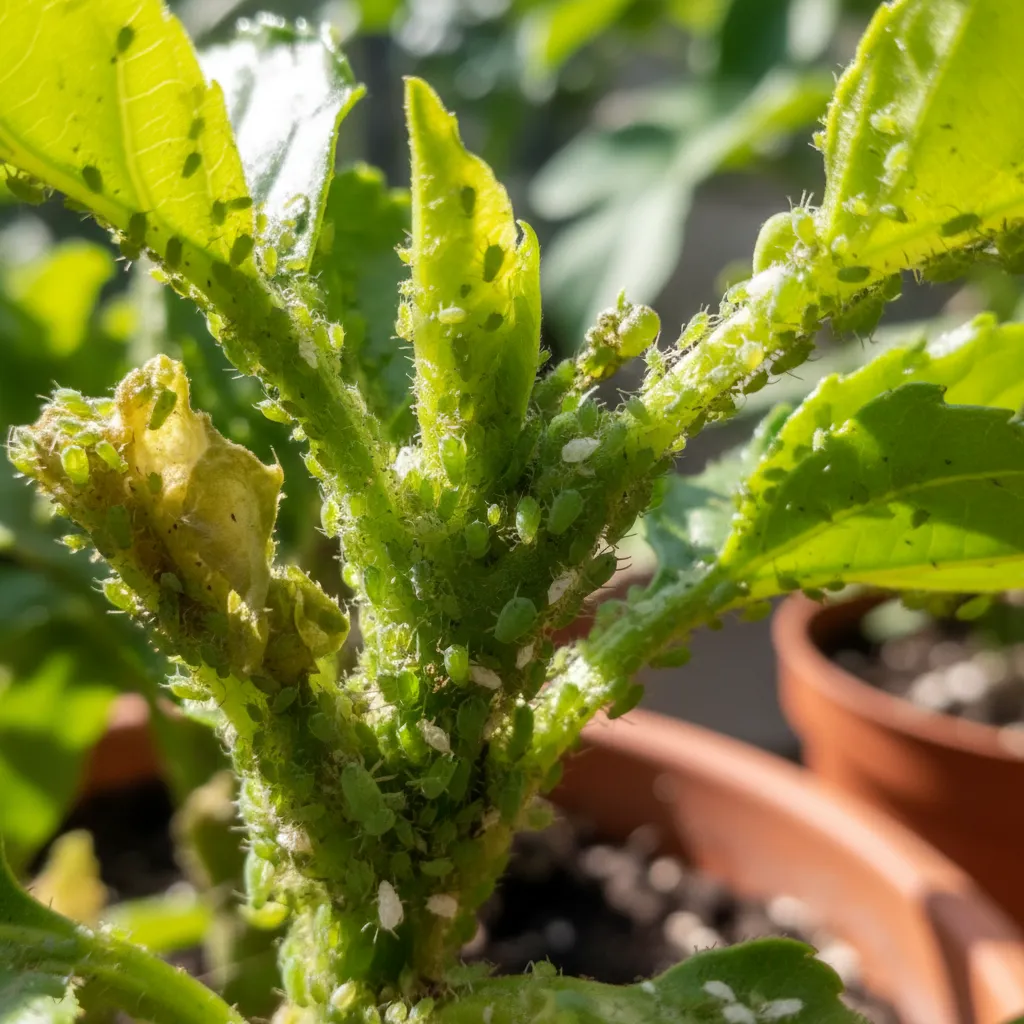
- ✓Pest and Disease Management — Generally robust, but can be susceptible to fruit flies, scale insects, and occasional fungal issues; integrated pest management is recommended.
- ✓Pruning Practices — Light pruning to shape the tree and remove dead or diseased branches is beneficial, typically performed after the fruiting season.
Reviewed by the Flora Medical Global Botanical Review Panel
Multi-disciplinary editorial group · Botany · Ethnobotany · Herbal-medicine literature
Who reviewed this: This page was checked by the Flora Medical Global Botanical Review Panel — an in-house editorial group of botany graduates, ethnobotany researchers, and horticulture practitioners who collectively maintain our 7,000+ plant encyclopedia. Meet the team.
Our 4-step verification process
1. Taxonomic verification
Scientific names and synonyms cross-checked against Kew POWO, World Flora Online, and The Plant List.
2. Phytochemical & medicinal cross-reference
Active compounds, traditional uses, and reported activities are cross-referenced with PubMed, USDA Dr. Duke's database, and peer-reviewed ethnobotanical literature.
3. Conservation & distribution check
Distribution, ecology, and conservation status confirmed against GBIF occurrence records and the IUCN Red List.
4. Editorial & safety review
Every entry passes an editorial pass for clarity, originality, and safety notices (toxicity, contraindications, dosage caveats) before publication.
Last reviewed:
Important medical disclaimer: This content is for educational and research purposes only. It is not medical advice and is not a substitute for consultation with a licensed healthcare provider. Do not use any herb to self-treat a medical condition without professional guidance.
Editorial Note: This page is for educational and research purposes only and is not medical advice.
Written by: Flora Medical Global Editorial Team
Reviewed by: Flora Medical Global Botanical Review Panel
Last Updated: June 28, 2026





Sapodilla — Comments & Community Reviews
Rate this plant
No reviews yet. Be the first!