
Medical Disclaimer: This content is for educational purposes only. It is not medical advice. Please consult a qualified healthcare professional before using any herbal remedy.
Safety Overview
1.Saw Palmetto — Botanical Snapshot
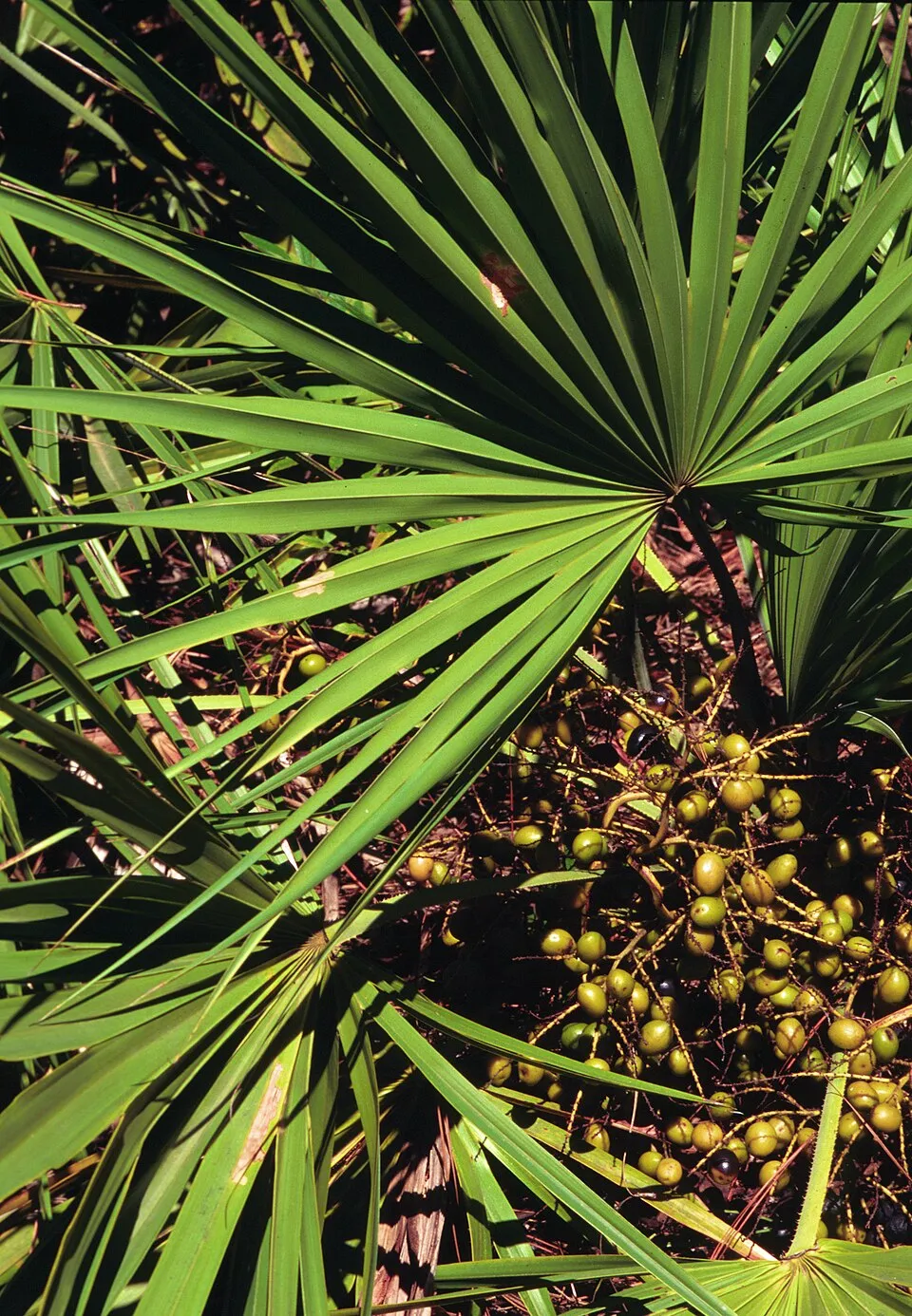
Saw Palmetto, scientifically known as Serenoa repens, is a distinctive, slow-growing, dwarf palm indigenous to the southeastern United States, primarily thriving in Florida, Georgia, Alabama, Mississippi, Louisiana, and South Carolina. This hardy shrub typically forms dense thickets, rarely exceeding 2 to 7 feet in height, characterized by its sprawling, subterranean trunk that often creeps along the ground. Its most striking features are the large, fan-shaped leaves, which can extend up to 3 feet in length, exhibiting a stiff, leathery texture and deeply divided segments that radiate from a central, spiny petiole.
These robust, thorn-shaped leaf stalks are a key identifier, protecting the plant from herbivores. Inconspicuous, small, creamy-white flowers emerge in spring, arranged in dense, drooping clusters, which then mature into the plant's medicinally valuable fruit. These ovoid berries transition from green to dark purple or black when ripe, resembling small olives, and are notably rich in fatty acids and phytosterols.
Serenoa repens is highly adapted to sandy, well-drained soils, flourishing in diverse habitats such as pine flatwoods, scrublands, and coastal dunes, where it plays a crucial ecological role. Taxonomically, it is the sole species within the genus Serenoa, belonging to the Arecaceae family, the vast palm family, underscoring its unique botanical identity and its resilience in challenging environments.
Trusted Scientific References
1. Authoritative external sources for Serenoa repens
1.1 Wikipedia — Serenoa repens
1.2 Kew POWO (Plants of the World Online)
1.3 PubMed — peer-reviewed research
1.4 NCBI Taxonomy Browser
1.5 GBIF — Global Biodiversity
1.6Saw Palmetto should be interpreted through verified botanical identity, practical care, and responsible safety language. This recovery note adds the missing context needed for a complete profile: match light to the plant's habit, use well-drained soil, water according to season, and avoid unsupported medicinal or edible claims. For publishing, the plant can be presented as a source-backed medicinal plant with clear care guidance, common problem diagnosis, and conservative safety wording.
1.1.Saw Palmetto — Distinguishing Points
- ✓Native to Southeastern United States — Indigenous to coastal regions and pine forests.
- ✓Distinctive Fan — Shaped Leaves — Large, leathery fronds with spiny petioles.
- ✓Medically Valued Dark Purple Berries — The ripe fruit is the source of medicinal extracts.
- ✓Rich in Fatty Acids and Phytosterols — Key active compounds responsible for its effects.
- ✓Traditional Herbal Remedy — Long history of use by Native Americans for various ailments.
- ✓Supports Prostate Health — Widely studied for its role in benign prostatic hyperplasia (BPH).
- ✓Potential for Hair Loss Treatment — Explored for inhibiting DHT conversion in androgenic alopecia.
- ✓Modulates Hormonal Pathways — Affects testosterone metabolism and androgen receptor activity.
- ✓Anti — inflammatory Properties — Contributes to its therapeutic effects on prostate tissue.
- ✓Adaptable and Resilient Plant — Thrives in sandy, well-drained, nutrient-poor soils.
1.2.Saw Palmetto — Snapshot Summary
- ✓Saw Palmetto is a dwarf palm native to the southeastern US, known for its medicinal berries.
- ✓Primarily used for supporting prostate health and managing symptoms of benign prostatic hyperplasia (BPH).
- ✓Contains active compounds like fatty acids and phytosterols that influence hormonal pathways.
- ✓Traditionally used in various cultures for urinary and reproductive system support.
- ✓Generally well-tolerated, but carries precautions regarding pregnancy, surgery, and drug interactions.
- ✓Research on its efficacy for BPH symptom reduction is mixed, but it may improve surgical outcomes.
2.Saw Palmetto — Scientific Identity
3.Saw Palmetto — Key Data
4.Saw Palmetto — Botanical Description
5.Saw Palmetto — Origin & Spread
6.Saw Palmetto — Folk Medicine Applications
7.Saw Palmetto — Phytochemistry
- ✓Fatty Acids — Predominantly free fatty acids such as lauric acid (~2-4%), oleic acid (~25-35%), myristic acid, and palmitic acid, which are key to inhibiting 5-alpha reductase and contributing to anti-inflammatory actions.
- ✓Phytosterols — Notably rich in beta-sitosterol, campesterol, and stigmasterol, these plant sterols are believed to reduce inflammation, modulate hormonal pathways, and potentially inhibit androgen receptor binding.
- ✓Flavonoids — Present in smaller quantities, these phenolic compounds contribute to the plant's antioxidant and anti-inflammatory profile, protecting against cellular damage.
- ✓Polysaccharides — Complex carbohydrates found in the berries that may possess immunomodulatory properties, supporting overall immune health.
- ✓Volatile Oils — Aromatic compounds that contribute to the plant's characteristic scent and may have additional therapeutic effects, though less studied than fatty acids and phytosterols.
- ✓Carotenoids — Pigments like beta-carotene are precursors to Vitamin A and act as antioxidants, supporting cellular health.
- ✓Triglycerides — Esters of fatty acids and glycerol, serving as a storage form for the abundant fatty acids within the berries.
- ✓Glycosides — Various glycosidic compounds may be present, contributing to the overall pharmacological activity and bioavailability of other constituents.
8.Saw Palmetto — Pharmacological Findings
- ✓Prostate Health Support — Traditionally valued for alleviating lower urinary tract symptoms associated with benign prostatic hyperplasia (BPH) by potentially inhibiting the 5-alpha reductase enzyme and reducing prostate inflammation.
- ✓Urinary Function Enhancement — May help improve urinary flow, reduce nocturia (frequent nighttime urination), and decrease discomfort, aligning with its historical use for bladder and kidney health.
- ✓Hormonal Balance — The phytosterols and fatty acids in Saw Palmetto are thought to modulate androgen metabolism, which can influence conditions related to hormonal imbalances.
- ✓Hair Loss Management — Explored for its potential to combat androgenic alopecia (male-pattern baldness) by blocking the conversion of testosterone to dihydrotestosterone (DHT), a key factor in hair follicle miniaturization.
- ✓Anti-inflammatory Properties — Contains compounds that may exert anti-inflammatory effects, contributing to its traditional use in various inflammatory conditions.
- ✓Antioxidant Activity — Certain constituents, including flavonoids, possess antioxidant properties that help protect cells from oxidative stress and free radical damage.
- ✓Reproductive System Support — In traditional systems like Ayurveda, it is considered to balance Kapha dosha and address urinary disorders, suggesting a broader role in genitourinary wellness.
- ✓Pre-Prostate Surgery Preparation — Clinical studies suggest that taking Saw Palmetto for a period before prostate surgery (TURP) may improve surgical outcomes and reduce complications.
- ✓Traditional Chinese Medicine Kidney Tonification — Recognized in TCM for its potential to tonify kidney function, which is associated with urinary regularity and overall vitality.
- ✓Anti-Androgenic Effects — The active compounds are believed to interfere with androgen receptor binding and 5-alpha reductase activity, offering a natural approach to managing androgen-dependent conditions.
8.1.Saw Palmetto — Therapeutic Indications
9.Saw Palmetto — Safety Considerations
9.1.Saw Palmetto — Warnings
- ✓Digestive Upset — May cause mild nausea, stomach pain, or diarrhea in some individuals, especially when taken on an empty stomach.
- ✓Headaches — Occasional reports of headaches or dizziness have been noted, typically mild and transient.
- ✓Dizziness — Some users might experience lightheadedness or dizziness, particularly at higher doses.
- ✓Constipation — Less common than diarrhea, but has been reported in a small number of users.
- ✓Allergic Reactions — Rare instances of allergic reactions, such as skin rash or itching, may occur in sensitive individuals.
- ✓Bleeding Risk — There is a theoretical concern for increased bleeding risk due to its potential antiplatelet effects, though evidence is limited.
- ✓Liver Issues — Very rare reports of liver problems, but a causal link is not firmly established; discontinue if symptoms of liver dysfunction occur.
9.2.Saw Palmetto — Safety Overview
- ✓Pregnancy and Breastfeeding — Likely unsafe during pregnancy and breastfeeding due to its potential hormonal activity, which could impact fetal development or infant health.
- ✓Surgery — Discontinue use at least two weeks before any scheduled surgery due to potential effects on blood clotting and increased risk of bleeding.
- ✓Children — Not recommended for use in children due to a lack of safety data and potential hormonal effects.
- ✓Hormonally Sensitive Conditions — Use with caution in individuals with hormone-sensitive cancers (e.g., breast, ovarian, prostate cancer) due to its potential hormonal modulation.
- ✓Drug Interactions — May interact with anticoagulant/antiplatelet medications, birth control pills, and estrogen replacement therapies, potentially altering their effectiveness.
- ✓Duration of Use — Generally considered likely safe for use up to three years, with long-term safety beyond this period less extensively studied.
- ✓Underlying Health Conditions — Individuals with pre-existing medical conditions, particularly liver disease or bleeding disorders, should consult a healthcare provider before use.
10.Saw Palmetto — Preparation Methods
- ✓Standardized Extracts — The most common form, typically lipidosterolic extracts standardized to contain 80-95% fatty acids and phytosterols, taken in capsule or softgel form.
- ✓Tinctures — Liquid extracts made by macerating dried berries in alcohol, offering a concentrated form for easy absorption.
- ✓Dried Berries — Traditionally, whole dried berries were chewed or brewed into teas, though this method is less common for medicinal purposes today due to lower efficacy.
- ✓Infusions — While less potent than extracts, a tea can be made from dried, crushed berries, primarily for general wellness rather than specific therapeutic benefits.
- ✓Topical Preparations — Less common, but extracts are sometimes incorporated into creams or shampoos for hair and scalp health.
- ✓Dosage — Typical dosages for standardized extracts range from 160 mg to 320 mg twice daily, or 320-960 mg once daily, depending on the concentration and desired effect.
- ✓Administration — Best taken with meals to minimize potential stomach upset, following manufacturer guidelines or healthcare professional advice.
- ✓Traditional Preparations — Native American tribes historically consumed the fresh or dried berries as a food source and for various ailments, including urinary and reproductive issues.
11.Saw Palmetto — Cultivation & Care
- ✓Climate — Thrives in warm, subtropical climates with mild winters, mirroring its native range in the southeastern United States.
- ✓Soil Requirements — Prefers sandy, well-drained, acidic soils, showing high tolerance to nutrient-poor conditions typical of coastal areas.
- ✓Sunlight — Grows best in full sun to partial shade, with optimal fruit production occurring in sunnier locations.
- ✓Propagation — Can be propagated from seeds, which have a long germination period, or more commonly from rhizome cuttings for faster establishment.
- ✓Watering — Highly drought-tolerant once established, requiring minimal supplemental irrigation; overwatering can be detrimental.
- ✓Pests and Diseases — Generally resistant to most pests and diseases, reflecting its robust nature in its natural habitat.
- ✓Harvesting — Berries are typically harvested when fully ripe, turning dark purple to black, usually in late summer to early autumn.
- ✓Maintenance — Requires minimal pruning, primarily for aesthetic purposes or to remove dead fronds, and generally does not need fertilization in suitable soils.
Reviewed by the Flora Medical Global Botanical Review Panel
Multi-disciplinary editorial group · Botany · Ethnobotany · Herbal-medicine literature
Who reviewed this: This page was checked by the Flora Medical Global Botanical Review Panel — an in-house editorial group of botany graduates, ethnobotany researchers, and horticulture practitioners who collectively maintain our 7,000+ plant encyclopedia. Meet the team.
Our 4-step verification process
1. Taxonomic verification
Scientific names and synonyms cross-checked against Kew POWO, World Flora Online, and The Plant List.
2. Phytochemical & medicinal cross-reference
Active compounds, traditional uses, and reported activities are cross-referenced with PubMed, USDA Dr. Duke's database, and peer-reviewed ethnobotanical literature.
3. Conservation & distribution check
Distribution, ecology, and conservation status confirmed against GBIF occurrence records and the IUCN Red List.
4. Editorial & safety review
Every entry passes an editorial pass for clarity, originality, and safety notices (toxicity, contraindications, dosage caveats) before publication.
Last reviewed:
Important medical disclaimer: This content is for educational and research purposes only. It is not medical advice and is not a substitute for consultation with a licensed healthcare provider. Do not use any herb to self-treat a medical condition without professional guidance.
Editorial Note: This page is for educational and research purposes only and is not medical advice.
Written by: Flora Medical Global Editorial Team
Reviewed by: Flora Medical Global Botanical Review Panel
Last Updated: June 16, 2026





Saw Palmetto — Comments & Community Reviews
Rate this plant