

Medical Disclaimer: This content is for educational purposes only. It is not medical advice. Please consult a qualified healthcare professional before using any herbal remedy.
Safety Overview
1.Schisandra Berry — At a Glance

Schisandra Berry, scientifically known as Schisandra chinensis Baill., is an enchanting deciduous woody vine belonging to the Schisandraceae family. This resilient plant typically ascends to heights of 9 to 15 feet (2.7 to 4.5 meters) in its native habitat, utilizing other plants for support. Its foliage consists of simple, ovate leaves, glossy and vibrant green, each measuring approximately 4 to 6 inches (10 to 15 cm) in length, culminating in a distinct pointed tip.
During the warmer summer months, Schisandra chinensis adorns itself with small, delicately fragrant white to pale pink flowers, which are typically borne in pendulous axillary racemes and possess multiple petal-like organs. These blossoms mature into striking clusters of bright red, globular berries, which are prized for their complex flavor profile—a unique blend of sweet, sour, bitter, pungent, and salty notes—earning them the traditional Chinese name 'Wu Wei Zi,' or 'five-flavor fruit.' The vine's bark is generally smooth and exhibits a grayish-brown coloration. Schisandra chinensis thrives in the rich, well-drained soils and dappled sunlight of forested regions across Northeast China, Korea, and parts of Russia.
Taxonomically, it is a prominent member of the Schisandraceae, a small, ancient family recognized for its distinct fruit morphology and significant medicinal attributes. The berries are typically harvested in late summer to early autumn when fully ripe, destined for fresh consumption, drying, or extraction into various health-promoting preparations.
Trusted Scientific References
Authoritative external sources for Schisandra chinensis Baill.:
Schisandra Berry should be interpreted through verified botanical identity, practical care, and responsible safety language. This recovery note adds the missing context needed for a complete profile: match light to the plant's habit, use well-drained soil, water according to season, and avoid unsupported medicinal or edible claims. For publishing, the plant can be presented as a source-backed medicinal plant with clear care guidance, common problem diagnosis, and conservative safety wording.
1.1.Schisandra Berry — Highlights
- ✓Adaptogenic Herb — Helps the body manage stress and maintain homeostasis.
- ✓Five — Flavor Fruit (Wu Wei Zi) — Unique taste profile encompassing sweet, sour, bitter, pungent, and salty.
- ✓Rich in Lignans — Contains potent compounds like schisandrins with diverse pharmacological effects.
- ✓Hepatoprotective — Supports liver function and detoxification processes.
- ✓Neuroprotective — May enhance cognitive performance and protect brain cells.
- ✓Antioxidant Powerhouse — Protects against oxidative damage and supports cellular health.
- ✓Immune Modulator — Balances and strengthens the body's immune response.
- ✓Energy and Endurance Booster — Traditionally used to combat fatigue and improve stamina.
- ✓Anti — aging Potential — Contributes to cellular longevity and skin health.
- ✓Traditional Chinese Medicine Staple — Long history of use for various ailments.
1.2.Schisandra Berry — At-a-Glance Summary
- ✓Schisandra Berry is a powerful adaptogen from TCM, known as 'Wu Wei Zi' for its five distinct flavors.
- ✓Rich in lignans, it supports liver health, cognitive function, and stress resilience.
- ✓Offers significant antioxidant, anti-inflammatory, and immune-modulating benefits.
- ✓Traditionally used to enhance physical endurance and overall vitality.
- ✓Available as dried berries, tinctures, powders, and extracts for diverse applications.
- ✓Generally well-tolerated, but caution advised for certain medical conditions and drug interactions.
2.Schisandra Berry — Scientific Identity
3.Schisandra Berry — Categories & Tags
4.Schisandra Berry — Botanical Features
5.Schisandra Berry — Traditional Uses
6.Schisandra Berry — Phytochemistry
- ✓Lignans — The primary active compounds, including schisandrin A, B, C, gomisin A, deoxyschisandrin, and gamma-schisandrin, are responsible for adaptogenic, hepatoprotective, and neuroprotective activities.
- ✓Triterpenoids — Such as schisantherin A and B, contribute to anti-inflammatory and antioxidant effects.
- ✓Essential Oils — Comprising various monoterpenes and sesquiterpenes, these provide the characteristic aroma and contribute to antimicrobial and anti-inflammatory properties.
- ✓Polysaccharides — Contribute to immunomodulatory and antioxidant activities, supporting overall immune health.
- ✓Flavonoids — Including quercetin and rutin, act as potent antioxidants and anti-inflammatory agents.
- ✓Phenolic Acids — Such as ferulic acid and caffeic acid, offer additional antioxidant and protective benefits.
- ✓Vitamins — Contains Vitamin C and E, important for immune function and antioxidant defense.
- ✓Minerals — Provides essential trace elements that support various physiological processes.
- ✓Organic Acids — Malic acid, citric acid, and tartaric acid contribute to the berry's tart flavor and overall nutritional profile.
- ✓Alkaloids — Present in smaller quantities, these compounds may contribute to some of the plant's diverse pharmacological actions.
7.Schisandra Berry — Pharmacological Findings
- ✓Adaptogenic Support — Schisandra Berry helps the body adapt to physical and psychological stressors, enhancing resilience and reducing fatigue by modulating stress hormones.
- ✓Hepatoprotective Action — Its lignans, particularly schisandrin, protect liver cells from damage caused by toxins, improving liver enzyme function and supporting detoxification pathways.
- ✓Enhanced Cognitive Function — Schisandra chinensis may improve mental clarity, concentration, and memory, potentially by increasing cerebral blood flow and protecting neurons from oxidative stress.
- ✓Immune System Modulation — It supports a balanced immune response, helping to bolster the body's defenses against pathogens while also regulating inflammatory processes.
- ✓Antioxidant Defense — Rich in powerful antioxidants, Schisandra scavenges free radicals, protecting cells and tissues from oxidative damage and contributing to anti-aging effects.
- ✓Anti-inflammatory Properties — Compounds within Schisandra Berry help to reduce systemic inflammation, which is beneficial for various chronic health conditions.
- ✓Improved Physical Endurance — Traditionally used to combat fatigue, Schisandra can enhance stamina and reduce recovery time after physical exertion, making it popular among athletes.
- ✓Supports Cardiovascular Health — It may help regulate blood pressure and improve circulation, contributing to overall heart and vascular system wellness.
- ✓Gastrointestinal Health — Schisandra has been traditionally used to aid digestion, reduce stomach acid, and protect the gastrointestinal lining.
- ✓Skin Photoaging Protection — Research suggests its compounds can protect skin cells from UV-induced damage, supporting skin health and potentially delaying signs of aging.
- ✓Anti-diabetic Potential — Studies indicate Schisandra may help regulate blood sugar levels, improve insulin sensitivity, and protect pancreatic function.
- ✓Anti-obesity Effects — It has shown potential in preventing lipid accumulation and inhibiting the differentiation of preadipocytes, suggesting a role in weight management.
7.1.Schisandra Berry — Conditions Traditionally Used For
8.Schisandra Berry — Cautions & Contraindications
8.1.Schisandra Berry — Reported Side Effects
- ✓Mild Gastrointestinal Upset — Some individuals may experience heartburn, indigestion, or stomach discomfort.
- ✓Allergic Reactions — Rare cases of skin rash or itching have been reported in sensitive individuals.
- ✓Increased Stomach Acid — Can potentially exacerbate symptoms in individuals with hyperacidity or GERD.
- ✓Insomnia — High doses, particularly when taken close to bedtime, might lead to difficulty sleeping due to its stimulating effects.
- ✓Headaches — Infrequently, some users may report mild headaches.
- ✓Dizziness — Very rare instances of dizziness have been noted in susceptible individuals.
8.2.Schisandra Berry — Clinical Safety Notes
- ✓Pregnancy and Lactation — Not recommended for use during pregnancy or breastfeeding due due to insufficient safety data.
- ✓Bleeding Disorders — Use with caution in individuals with bleeding disorders or those on anticoagulant medications, as it may affect blood clotting.
- ✓Gastroesophageal Reflux Disease (GERD) — Individuals with severe GERD or peptic ulcers should use with caution due to potential to increase stomach acid in some cases.
- ✓Drug Interactions — May interact with certain medications, including blood thinners, immunosuppressants, and drugs metabolized by the liver’s cytochrome P450 system.
- ✓Consultation Required — Always consult a healthcare professional before starting any new herbal supplement, especially if you have pre-existing medical conditions or are on medication.
- ✓Dosage — Adhere to recommended dosages; excessive intake may increase the likelihood of side effects.
- ✓Children — Safety in children has not been well-established; use only under professional guidance.
9.Schisandra Berry — Preparation Methods
- ✓Dried Berries for Tea — Steep 1-2 teaspoons of dried Schisandra berries in hot water for 10-15 minutes to create a health-promoting herbal tea.
- ✓Tinctures — Prepare or purchase alcohol-based tinctures, typically taken in drops or small doses mixed with water, for concentrated benefits.
- ✓Powders — Grind dried berries into a fine powder, which can be added to smoothies, yogurts, or encapsulated for convenient consumption.
- ✓Extracts — Liquid or encapsulated extracts are common, standardized for their active lignan content, offering a potent dosage.
- ✓Traditional Decoctions — In TCM, berries are often simmered with other herbs in water for an extended period to create a potent medicinal brew.
- ✓Culinary Use — Fresh or dried berries can be incorporated into jams, jellies, juices, wines, or used as a flavorful, tart addition to savory dishes.
- ✓Infused Oils/Vinegars — Infuse dried berries in carrier oils or vinegars to create topical applications or flavorful culinary ingredients.
10.Schisandra Berry — How to Grow
- ✓Site Selection — Choose a location with dappled sunlight or partial shade, protected from harsh afternoon sun, mimicking its natural forest edge habitat.
- ✓Soil Requirements — Plant in rich, well-drained, slightly acidic to neutral soil (pH 6.0-7.0) with ample organic matter to ensure good fertility and moisture retention.
- ✓Support Structure — As a climbing vine, Schisandra requires a sturdy trellis, arbor, or fence for support, allowing its tendrils to climb and spread.
- ✓Watering — Maintain consistent soil moisture, especially during dry periods and fruit development; avoid waterlogging, which can lead to root rot.
- ✓Propagation — Can be propagated from seeds (requiring cold stratification), cuttings, or layering for faster establishment.
- ✓Pruning — Prune in late winter or early spring to remove dead or weak wood and to manage growth, encouraging better fruit production.
- ✓Fertilization — Apply a balanced organic fertilizer in spring to support vigorous growth and fruit development.
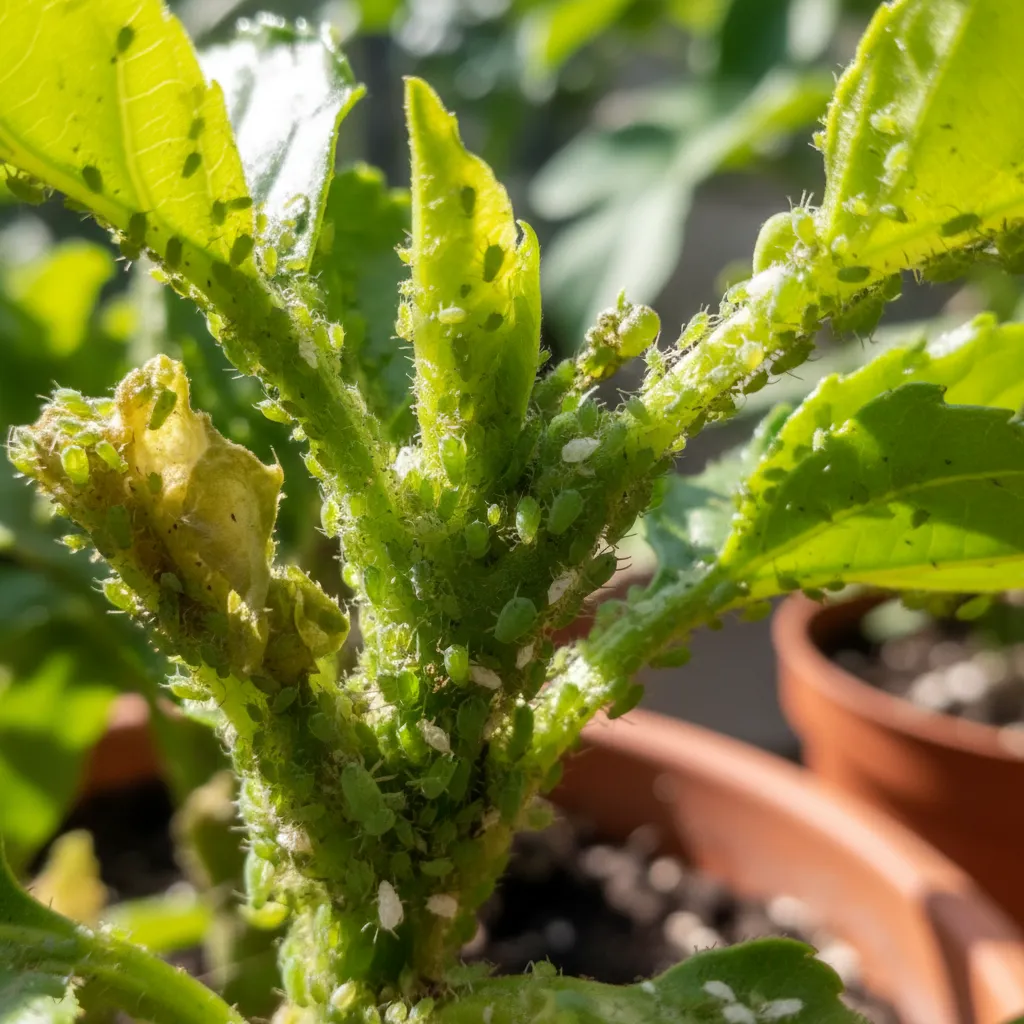
- ✓Pest and Disease Management — Generally resistant, but monitor for common vine pests and fungal diseases, addressing issues promptly with organic solutions.
Reviewed by the Flora Medical Global Botanical Review Panel
Multi-disciplinary editorial group · Botany · Ethnobotany · Herbal-medicine literature
Who reviewed this: This page was checked by the Flora Medical Global Botanical Review Panel — an in-house editorial group of botany graduates, ethnobotany researchers, and horticulture practitioners who collectively maintain our 7,000+ plant encyclopedia. Meet the team.
Our 4-step verification process
1. Taxonomic verification
Scientific names and synonyms cross-checked against Kew POWO, World Flora Online, and The Plant List.
2. Phytochemical & medicinal cross-reference
Active compounds, traditional uses, and reported activities are cross-referenced with PubMed, USDA Dr. Duke's database, and peer-reviewed ethnobotanical literature.
3. Conservation & distribution check
Distribution, ecology, and conservation status confirmed against GBIF occurrence records and the IUCN Red List.
4. Editorial & safety review
Every entry passes an editorial pass for clarity, originality, and safety notices (toxicity, contraindications, dosage caveats) before publication.
Last reviewed:
Important medical disclaimer: This content is for educational and research purposes only. It is not medical advice and is not a substitute for consultation with a licensed healthcare provider. Do not use any herb to self-treat a medical condition without professional guidance.
Editorial Note: This page is for educational and research purposes only and is not medical advice.
Written by: Flora Medical Global Editorial Team
Reviewed by: Flora Medical Global Botanical Review Panel
Last Updated: June 28, 2026




Schisandra Berry — Comments & Community Reviews
Rate this plant
No reviews yet. Be the first!