
Medical Disclaimer: This content is for educational purposes only. It is not medical advice. Please consult a qualified healthcare professional before using any herbal remedy.
Safety Overview
1.Sesame — Botanical Snapshot

Sesame, known scientifically as Sesamum indicum L., is an herbaceous annual flowering plant belonging to the Pedaliaceae family. Typically reaching heights of 1 to 3 feet (30-90 cm), this resilient plant is characterized by its opposite, ovate leaves, which are usually 3 to 10 cm long and possess a distinct rough texture. The plant produces delicate tubular flowers, appearing in axillary clusters, which can vary in color from pristine white to soft pink or vibrant purple, each measuring approximately 2 to 4 cm in length. Following pollination, these flowers give way to a characteristic fruit: a dehiscent capsule that matures into a pod, also about 2 to 4 cm long.
Within these pods are numerous small, flat, and oval-shaped seeds, famous for their diverse coloration ranging from creamy white and yellow to dark brown and black varieties. The stem of the sesame plant is smooth and grayish. Historically, Sesamum indicum is one of the oldest cultivated oilseed crops, with its origins traced back to ancient sites. It is predominantly cultivated in tropical and subtropical regions across Africa, Asia, and South America.
Major producers include India, Sudan, Myanmar, China, and Tanzania. Sesame thrives best in well-drained soils and requires consistently warm temperatures and ample sunlight for optimal growth and seed production. Taxonomically, its placement within the Pedaliaceae family underscores its unique botanical characteristics and its significant role in global culinary and medicinal traditions.
Trusted Scientific References
Authoritative external sources for Sesamum indicum L.:
Sesame should be interpreted through verified botanical identity, practical care, and responsible safety language. This recovery note adds the missing context needed for a complete profile: match light to the plant's habit, use well-drained soil, water according to season, and avoid unsupported medicinal or edible claims. For publishing, the plant can be presented as a source-backed medicinal plant with clear care guidance, common problem diagnosis, and conservative safety wording.
1.1.Sesame — Highlights
- ✓Ancient Cultivar — One of the oldest oilseed crops cultivated by humans, dating back thousands of years.
- ✓Rich Lignan Content — Contains unique lignans such as sesamin and sesamolin, potent bioactive compounds.
- ✓High Nutritional Value — Packed with healthy fats, protein, dietary fiber, vitamins, and essential minerals.
- ✓Versatile Culinary Use — Employed globally in diverse cuisines as seeds, oil, and paste (tahini).
- ✓Traditional Medicine Staple — Integral to Ayurvedic, TCM, and Unani systems for its therapeutic properties.
- ✓Antioxidant Powerhouse — Exhibits strong antioxidant activity, protecting against oxidative stress.
- ✓Cardioprotective Benefits — Known for its positive impact on cholesterol levels and blood pressure.
- ✓Global Distribution — Widely cultivated across tropical and subtropical regions worldwide.
- ✓Drought Tolerant — A resilient plant capable of thriving in challenging environmental conditions.
- ✓Diverse Seed Colors — Seeds vary from white and yellow to black and brown, each with distinct characteristics.
1.2.Sesame — Concise Overview
- ✓Ancient oilseed crop with global culinary and medicinal significance.
- ✓Rich in beneficial lignans like sesamin, offering antioxidant and anti-inflammatory properties.
- ✓Supports cardiovascular health, regulates blood lipids, and aids liver/kidney protection.
- ✓Excellent source of protein, healthy fats, fiber, and essential minerals.
- ✓Widely used in various forms — seeds, oil, tahini, and traditional remedies.
- ✓Generally safe, but significant allergen for some individuals; consult healthcare for medicinal use.
2.Sesame — Scientific Identity
3.Sesame — Categories & Tags
4.Sesame — Physical Description
5.Sesame — Heritage Uses
6.Sesame — Key Phytochemicals
- ✓Lignans — Key compounds include sesamin, sesamolin, and sesamol, renowned for their potent antioxidant, anti-inflammatory, and cholesterol-lowering properties.
- ✓Fatty Acids — Rich in unsaturated fatty acids, primarily oleic acid (monounsaturated) and linoleic acid (polyunsaturated), crucial for cardiovascular health and cell membrane integrity.
- ✓Tocopherols (Vitamin E) — Contains gamma-tocopherol and alpha-tocopherol, powerful lipid-soluble antioxidants that protect cells from oxidative damage.
- ✓Phytosterols — Notably beta-sitosterol, which helps reduce cholesterol absorption in the digestive tract and supports heart health.
- ✓Phenolic Acids — Includes caffeic acid, p-coumaric acid, and ferulic acid, contributing to the plant's overall antioxidant capacity.
- ✓Flavonoids — Compounds like luteolin and apigenin are present, offering additional antioxidant and anti-inflammatory benefits.
- ✓Proteins and Amino Acids — Sesame seeds are a good source of plant-based protein, providing essential amino acids vital for muscle repair and overall bodily functions.
- ✓Dietary Fiber — Both soluble and insoluble fibers are present, promoting digestive health, satiety, and blood sugar regulation.
- ✓Minerals — Abundant in essential minerals such as calcium, magnesium, zinc, iron, phosphorus, and selenium, critical for numerous physiological processes.
- ✓Vitamins — Contains B vitamins (B1, B3, B6) and folate, which are important for energy metabolism and nervous system function.
- ✓Saponins — These glycosides contribute to some of the plant's biological activities and may have cholesterol-lowering effects.
- ✓Terpenoids — Various triterpenoids and other terpenoid compounds are found, which may contribute to the plant's medicinal properties.
7.Sesame — Evidence-Based Benefits
- ✓Antioxidant Protection — Sesame seeds and oil are rich in lignans (like sesamin and sesamolin) and tocopherols, which effectively neutralize free radicals and mitigate oxidative stress throughout the body.
- ✓Anti-inflammatory Effects — Compounds within sesame, particularly sesamin, exhibit potent anti-inflammatory properties, helping to reduce chronic inflammation associated with various diseases.
- ✓Cardiovascular Health Support — Sesame contributes to heart health by helping to lower LDL cholesterol levels and regulate blood pressure, primarily due to its unsaturated fatty acids, phytosterols, and lignans.
- ✓Blood Lipid Regulation — The unique composition of essential fatty acids and lignans in sesame aids in balancing lipid profiles, reducing harmful triglycerides and promoting healthier cholesterol ratios.
- ✓Liver and Kidney Protection — Research suggests that sesame's antioxidants and anti-inflammatory agents can safeguard liver and kidney tissues from damage, supporting their vital functions.
- ✓Immune System Enhancement — The micronutrients, including zinc, selenium, and iron, along with various phytochemicals in sesame, play a crucial role in bolstering the body's immune response and overall resilience.
- ✓Digestive Health Promotion — High dietary fiber content in sesame seeds supports healthy digestion, aids in bowel regularity, and contributes to a balanced gut microbiome.
- ✓Bone Health Maintenance — Sesame is a good source of calcium, magnesium, and phosphorus, minerals essential for maintaining strong bones and preventing conditions like osteoporosis.
- ✓Anti-tumor Potential — Preliminary studies indicate that certain lignans in sesame may possess anti-proliferative effects, potentially inhibiting the growth of certain cancer cells.
- ✓Hormonal Balance Support — Especially in women, compounds in sesame may help modulate hormone levels, offering benefits during menopause by mimicking estrogenic activity.
7.1.Sesame — Therapeutic Indications
8.Sesame — Cautions & Contraindications
8.1.Sesame — Reported Side Effects
- ✓Allergic Reactions — Sesame is a common allergen, potentially causing mild to severe reactions, including hives, swelling, difficulty breathing, and anaphylaxis in sensitive individuals.
- ✓Digestive Upset — High fiber content can cause bloating, gas, or diarrhea in some individuals, especially when consumed in large quantities or by those unaccustomed to high-fiber diets.
- ✓Hypotension — Due to its blood pressure-lowering effects, excessive consumption might lead to low blood pressure in susceptible individuals or those on hypotensive medication.
- ✓Blood Thinning — While generally mild, compounds in sesame may have slight antiplatelet effects, potentially increasing the risk of bleeding when combined with anticoagulant medications.
- ✓Weight Gain — Sesame seeds are calorie-dense; excessive intake without balancing overall diet can contribute to weight gain.
- ✓Oxalate Content — Contains oxalates, which can contribute to kidney stone formation in individuals prone to them if consumed in very large amounts.
8.2.Sesame — Safety Profile
- ✓General Consumption — Sesame seeds and oil are generally recognized as safe for most individuals when consumed in typical food amounts.
- ✓Allergy Awareness — Individuals with known sesame allergies must strictly avoid all sesame-containing products due to the risk of severe allergic reactions.
- ✓Pregnancy and Lactation — While generally considered safe in culinary amounts, pregnant and lactating women should consult a healthcare provider before using sesame in medicinal doses or as supplements.
- ✓Medication Interactions — Individuals on blood-thinning, blood pressure-lowering, or anti-diabetic medications should consult their doctor due to potential additive effects.
- ✓Children — Sesame is safe for children in food quantities, but caution is advised for very young children due to potential allergy development.
- ✓Storage — Store sesame seeds and oil in cool, dark places to prevent rancidity, which can degrade beneficial compounds and produce off-flavors.
- ✓Quality — Opt for high-quality, reputable sources to ensure purity and minimize exposure to contaminants or adulterants.
9.Sesame — Usage Guide
- ✓Whole Seeds (Toasted/Raw) — Sesame seeds can be consumed whole, either raw or toasted, sprinkled over salads, baked goods, stir-fries, or incorporated into various dishes for flavor and nutrition.
- ✓Sesame Oil — Expeller-pressed or cold-pressed sesame oil is used as a cooking oil, a flavorful condiment, or as a base for salad dressings and marinades, particularly in Asian cuisine.
- ✓Tahini (Sesame Paste) — Ground sesame seeds form a rich, creamy paste known as tahini, a staple in Middle Eastern and Mediterranean diets, used in hummus, dips, and sauces.
- ✓Sesame Flour/Meal — After oil extraction, the remaining seed meal can be ground into flour, which is gluten-free and can be used in baking or as a protein supplement.
- ✓Traditional Medicinal Preparations — In Ayurveda and Traditional Chinese Medicine (TCM), sesame seeds (especially black sesame) are used in decoctions, powders, or as an oil massage for various ailments, including immune support and skin health.
- ✓Nutritional Supplements — Concentrated extracts of sesame lignans, particularly sesamin, are available in capsule or powder form as dietary supplements for targeted health benefits like antioxidant support.
- ✓Infusions and Decoctions — While less common for the seeds themselves, some traditional practices utilize parts of the plant, such as leaves, in infusions for specific therapeutic effects.
- ✓Topical Applications — Sesame oil is widely used topically in traditional medicine for skin moisturization, massage therapy, and as a carrier oil for other herbal preparations due to its emollient properties.
10.Sesame — Cultivation & Care
- ✓Climate Requirements — Sesamum indicum thrives in warm, tropical to subtropical climates, requiring average daily temperatures between 25-30°C for optimal growth.
- ✓Soil Preference — Prefers well-drained, fertile, sandy loam to loamy soils with a neutral to slightly alkaline pH (6.0-7.5).
- ✓Sunlight Exposure — Requires full sun exposure, ideally 6-8 hours of direct sunlight per day, for robust growth and high seed yield.
- ✓Sowing and Spacing — Seeds are typically sown directly into the soil after the last frost, about 1-2 cm deep, with plants spaced 15-30 cm apart in rows 60-90 cm apart.
- ✓Watering Regime — Needs consistent moisture during germination and flowering stages; however, it is relatively drought-tolerant once established.
- ✓Fertilization — Benefits from moderate fertilization, particularly phosphorus and potassium, and a balanced nitrogen application to support vegetative growth and seed development.
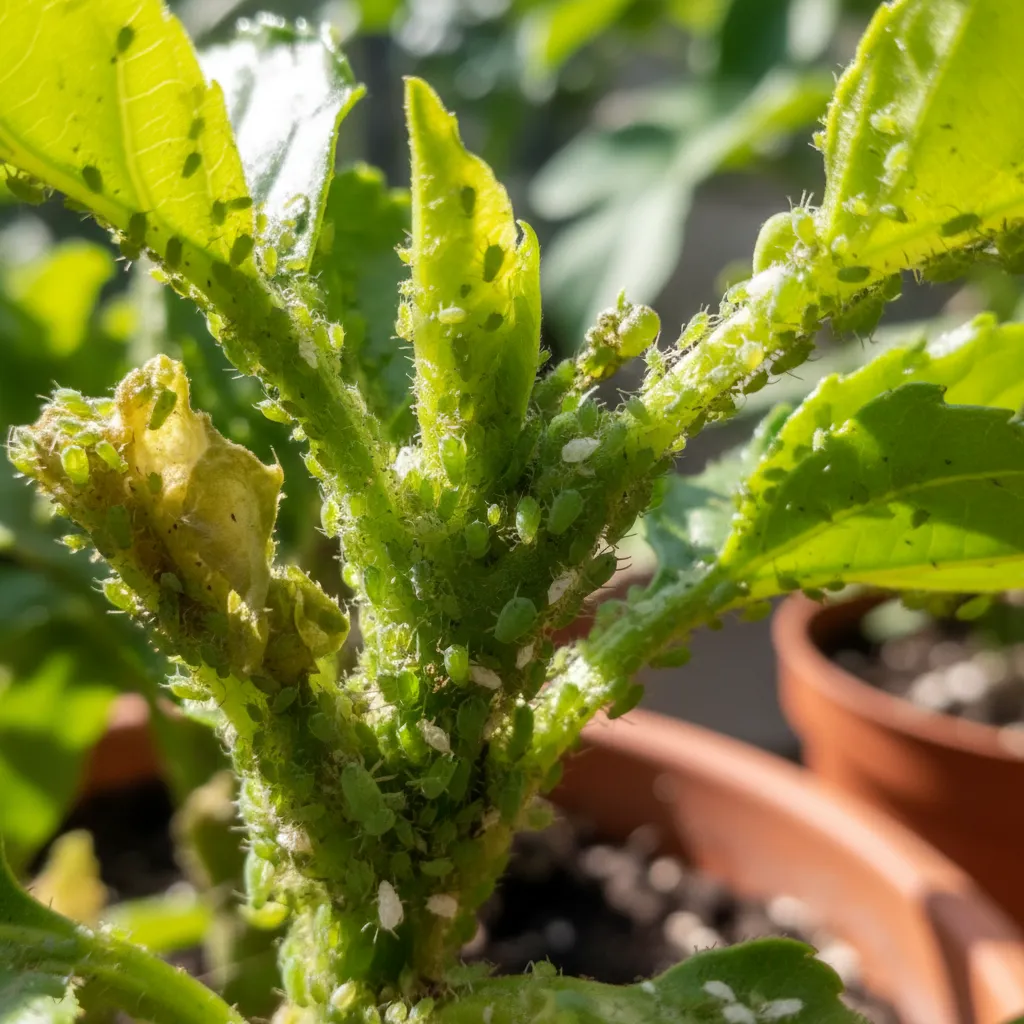
- ✓Pest and Disease Management — While generally hardy, monitoring for common pests like aphids and diseases such as powdery mildew is important, with organic treatments preferred.
- ✓Harvesting — Seeds are harvested when the capsules begin to dry and split, typically 90-120 days after planting, before they fully dehisce and scatter the seeds.
Reviewed by the Flora Medical Global Botanical Review Panel
Multi-disciplinary editorial group · Botany · Ethnobotany · Herbal-medicine literature
Who reviewed this: This page was checked by the Flora Medical Global Botanical Review Panel — an in-house editorial group of botany graduates, ethnobotany researchers, and horticulture practitioners who collectively maintain our 7,000+ plant encyclopedia. Meet the team.
Our 4-step verification process
1. Taxonomic verification
Scientific names and synonyms cross-checked against Kew POWO, World Flora Online, and The Plant List.
2. Phytochemical & medicinal cross-reference
Active compounds, traditional uses, and reported activities are cross-referenced with PubMed, USDA Dr. Duke's database, and peer-reviewed ethnobotanical literature.
3. Conservation & distribution check
Distribution, ecology, and conservation status confirmed against GBIF occurrence records and the IUCN Red List.
4. Editorial & safety review
Every entry passes an editorial pass for clarity, originality, and safety notices (toxicity, contraindications, dosage caveats) before publication.
Last reviewed:
Important medical disclaimer: This content is for educational and research purposes only. It is not medical advice and is not a substitute for consultation with a licensed healthcare provider. Do not use any herb to self-treat a medical condition without professional guidance.
Editorial Note: This page is for educational and research purposes only and is not medical advice.
Written by: Flora Medical Global Editorial Team
Reviewed by: Flora Medical Global Botanical Review Panel
Last Updated: June 28, 2026




Sesame — Comments & Community Reviews
Rate this plant
No reviews yet. Be the first!