


Medical Disclaimer: This content is for educational purposes only. It is not medical advice. Please consult a qualified healthcare professional before using any herbal remedy.
Safety Overview
1.Shalaparni — Plant Snapshot
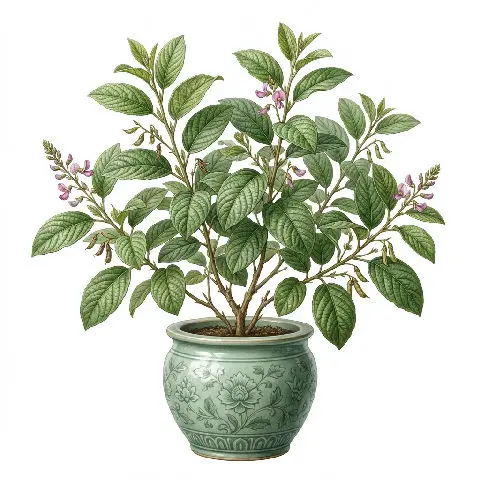
Shalaparni, scientifically known as Desmodium gangeticum, is a significant perennial under-shrub belonging to the Fabaceae family, often reaching heights of 60 to 120 cm. This robust plant is characterized by its irregularly angled, often glabrescent stems and angled branches that are typically clothed with fine white hairs. Its distinctive leaves are unifoliate, though often described as trifoliate in general accounts due to its close relatives, with petioles measuring 1 to 2 cm.
The leaflets are membranous, ovate-oblong in shape, with an acute or slightly acuminate apex and a rounded base, featuring wavy margins and prominently reticulate venation. The inflorescence presents as terminal and axillary racemes, bearing delicate violet or white flowers that are filiform and pubescent, with subulate bracts. The fruit is a pod, indehiscent, and sparsely covered with minute hooked hairs, facilitating seed dispersal.
Native to tropical and subtropical regions, Desmodium gangeticum thrives in warm, humid climates and is commonly found across various parts of Asia, including India, where it is deeply integrated into traditional medicinal practices. As a member of the Dashamoola, a revered group of ten roots in Ayurveda, Shalaparni holds a prominent position in numerous polyherbal formulations. Its roots are notable for their length, often penetrating deep into the soil, which is reflected in some of its Sanskrit synonyms like 'Dirghangri'.
The plant's adaptability allows it to grow in diverse soil types, though it prefers well-drained, fertile loamy soils. Its widespread distribution and cultural significance underscore its importance in both ecological and ethnobotanical contexts.
Trusted Scientific References
1. Authoritative external sources for Desmodium gangeticum
1.1 Wikipedia — Desmodium gangeticum
1.2 Kew POWO (Plants of the World Online)
1.3 PubMed — peer-reviewed research
1.4 NCBI Taxonomy Browser
1.5 GBIF — Global Biodiversity
1.6Shalaparni should be interpreted through verified botanical identity, practical care, and responsible safety language. This recovery note adds the missing context needed for a complete profile: match light to the plant's habit, use well-drained soil, water according to season, and avoid unsupported medicinal or edible claims. For publishing, the plant can be presented as a source-backed medicinal plant with clear care guidance, common problem diagnosis, and conservative safety wording.
1.1.Shalaparni — Standout Qualities
- ✓Dashamoola Member — One of the ten revered roots in Ayurvedic medicine.
- ✓Tridosha Balancer — Balances Vata, Pitta, and Kapha, with a strong affinity for Vata.
- ✓Adaptogenic Herb — Enhances the body's ability to resist physical, chemical, and biological stress.
- ✓Neuroprotective Agent — Supports brain health and nervous system function.
- ✓Cardiotonic Action — Beneficial for heart health, especially in Vata-related cardiac issues.
- ✓Anti — inflammatory & Analgesic — Reduces pain and inflammation effectively.
- ✓Respiratory System Support — Aids in managing conditions like asthma and bronchitis.
- ✓Rich Phytochemistry — Contains diverse alkaloids, flavonoids, and triterpenoids.
- ✓Traditional Ayurvedic Uses — Extensively used in various Ayurvedic formulations for centuries.
- ✓Undershrub Morphology — Characterized by distinct leaves, purplish flowers, and pods.
1.2.Shalaparni — At-a-Glance Summary
- ✓Shalaparni (Desmodium gangeticum) is a revered Ayurvedic herb, a key component of Dashamoola.
- ✓It offers broad-spectrum medicinal benefits, including adaptogenic, anti-inflammatory, and neuroprotective properties.
- ✓Known for balancing all three Doshas, particularly Vata, supporting nervous and cardiovascular health.
- ✓Rich in alkaloids, flavonoids, and triterpenoids, contributing to its diverse pharmacological actions.
- ✓Used traditionally for fever, respiratory issues, digestive complaints, and as a general tonic.
- ✓Requires careful dosage and professional consultation, especially for pregnant individuals or those on medication.
2.Shalaparni — Scientific Profile
3.Shalaparni — Reference Facts
4.Shalaparni — Structural Profile
5.Shalaparni — Geographic Distribution
6.Shalaparni — Ethnobotanical Uses
7.Shalaparni — Bioactive Constituents
- ✓Alkaloids — Key alkaloids like gangetin, desmodin, desmodimine, and desmosine contribute to its neuroprotective and anti-inflammatory activities, influencing neurotransmitter systems.
- ✓Flavonoids — Compounds such as vitexin, isovitexin, and their glycosides exhibit significant antioxidant, anti-inflammatory, and cardioprotective effects.
- ✓Pterocarpans — These are phytoalexins, like medicarpin and maackiain, known for their antimicrobial and anti-fungal properties, contributing to the plant's defense mechanisms.
- ✓Triterpenoids — Including compounds like lupeol and β-sitosterol, triterpenoids offer anti-inflammatory, analgesic, and adaptogenic benefits.
- ✓Steroids — Presence of various phytosterols, such as β-sitosterol, contributes to its anti-inflammatory and hypolipidemic potential.
- ✓Phenolic Acids — Gallic acid and caffeic acid derivatives provide antioxidant and anti-inflammatory properties, protecting cells from oxidative stress.
- ✓Saponins — These compounds have expectorant and immune-modulating effects, potentially aiding in respiratory and overall immune health.
- ✓Tannins — Present in the plant, tannins contribute astringent properties, useful in conditions like diarrhea and promoting wound healing.
- ✓Glycosides — Various glycosides are found, often linked to the bioactivity of other constituent classes, enhancing their absorption and efficacy.
- ✓Amino Acids — Essential and non-essential amino acids contribute to the plant's nutritive value and support cellular functions and overall vitality.
8.Shalaparni — What Research Suggests
- ✓Adaptogenic Properties — Shalaparni helps the body adapt to various stressors, promoting overall resilience and balance.
- ✓Anti-inflammatory Action — It significantly reduces inflammation throughout the body, providing relief in conditions like myalgia and oedema.
- ✓Analgesic Effects — The herb possesses pain-relieving qualities, making it beneficial for alleviating various aches and discomforts.
- ✓Neuroprotective Qualities — Desmodium gangeticum supports nervous system health, potentially protecting neurons from damage and enhancing cognitive function.
- ✓Cardiotonic Benefits — It acts as a heart tonic, particularly beneficial for addressing Vata-aggravated cardiac conditions and supporting overall cardiovascular well-being.
- ✓Febrifuge Activity — Shalaparni is effective in reducing fever and managing symptoms associated with various febrile conditions.
- ✓Respiratory Support — It helps in alleviating respiratory disorders such as asthma, bronchitis, and dyspnoea by expelling vitiated Kapha dosha.
- ✓Digestive Aid — The herb acts as a carminative and absorbent, useful in treating conditions like vomiting, diarrhea, dysentery, and even helminthiasis.
- ✓General Tonic and Rejuvenator — As a Balya herb, it improves strength, combats general weakness, and aids in recovery from debility and emaciation.
- ✓Vata Dosha Pacification — It is highly regarded in Ayurveda for its ability to balance all three Doshas, with a particular emphasis on pacifying aggravated Vata, which is often linked to nervous system and musculoskeletal issues.
- ✓Diuretic Action — Shalaparni can increase urine production, making it beneficial for conditions like dysuria and potentially supporting kidney function.
- ✓Aphrodisiac Properties — Traditionally, it is used to enhance reproductive health and is indicated in conditions like oligospermia.
8.1.Shalaparni — Reported Uses
9.Shalaparni — Adverse Effects
9.1.Shalaparni — Caution Notes
- ✓Digestive Discomfort — Due to its 'Guru' (heavy to digest) quality and 'Ushna Veerya' (hot potency), some individuals might experience mild indigestion or increased Pitta symptoms if consumed in excess.
- ✓Allergic Reactions — Although rare, individuals sensitive to plants in the Fabaceae family may experience allergic reactions such as skin rashes or itching.
- ✓Sedation — High doses, particularly of certain alkaloid-rich extracts, might potentially cause mild drowsiness or sedation in some users.
- ✓Interaction with Medications — Shalaparni may interact with certain conventional medications, particularly those affecting the cardiovascular or nervous systems.
- ✓Pregnancy and Lactation — Lack of sufficient research necessitates caution; it is generally advised for pregnant or lactating women to avoid its use without medical supervision.
- ✓Blood Pressure Effects — While generally considered cardiotonic, individuals with existing blood pressure conditions should monitor their response, as its effects on circulation can vary.
9.2.Shalaparni — Safety Profile
- ✓Professional Consultation — Always consult a qualified healthcare practitioner, especially an Ayurvedic physician, before initiating Shalaparni supplementation.
- ✓Pregnancy and Breastfeeding — Due to limited research, pregnant and breastfeeding women should avoid Shalaparni or use it only under strict medical guidance.
- ✓Drug Interactions — Individuals on prescription medications, particularly for cardiovascular conditions, diabetes, or neurological disorders, should seek medical advice to avoid potential interactions.
- ✓Dosage Adherence — Strict adherence to recommended dosages is crucial to prevent adverse effects and ensure therapeutic efficacy.
- ✓Pre-existing Conditions — Patients with chronic health conditions, especially liver or kidney disorders, should exercise caution and consult their doctor.
- ✓Allergic Sensitivity — Individuals with known allergies to legumes or plants within the Fabaceae family should approach Shalaparni with caution.
- ✓Quality Sourcing — Ensure the use of high-quality, unadulterated Shalaparni products from reputable sources to guarantee safety and efficacy.
10.Shalaparni — Application Forms
- ✓Powder (Churna) — The dried root or whole plant powder is commonly consumed in doses of 3-5 grams, typically mixed with warm water, honey, or ghee, one to two times daily.
- ✓Decoction (Kwatha) — A decoction is prepared by boiling 40-80 ml of the herb's coarse powder in water until reduced to a quarter, then filtered and consumed.
- ✓Medicated Milk (Ksheerapaka) — For specific conditions like heart diseases due to Vata imbalance, milk boiled with Shalaparni (Amsumati) is traditionally recommended.
- ✓Ayurvedic Formulations — Shalaparni is a key ingredient in numerous polyherbal Ayurvedic medicines such as Dasamoolarishtam, Amritarishtam, and Mritasanjeevani Sura.
- ✓Topical Application — In some traditional practices, pastes or oils containing Shalaparni extracts might be applied externally for local pain or inflammation.
- ✓Infusion — A milder preparation can be made by infusing the dried leaves or roots in hot water, similar to a herbal tea.
- ✓Dosage Adherence — Always adhere to recommended dosages from a qualified Ayurvedic practitioner or product label, as individual needs and specific formulations may vary.
- ✓Consultation — It is advisable to consult a medical herbalism expert or Ayurvedic physician before starting any Shalaparni regimen to determine the appropriate form and dosage.
11.Shalaparni — Propagation & Care
- ✓Seed Propagation — Shalaparni can be effectively cultivated from seeds, which are typically sown in well-prepared nursery beds or directly into the field.
- ✓Optimal Sowing Time — Seeds are best sown after the last frost or at the onset of the monsoon season in tropical climates for optimal germination.
- ✓Stem Cuttings — Semi-hardwood stem cuttings, approximately 15-20 cm long with a few nodes, can be rooted successfully in a suitable propagation medium.
- ✓Soil Requirements — The plant thrives in well-drained, fertile loamy to sandy-loam soils with a slightly acidic to neutral pH (6.0-7.0).
- ✓Climate and Light — It prefers warm, humid tropical and subtropical climates and grows best under partial shade to full sunlight conditions.
- ✓Watering and Maintenance — Regular watering is essential, especially during dry periods, to maintain consistent soil moisture, but avoid waterlogging. Weeding and occasional fertilization can enhance growth.
- ✓Spacing — When planting, maintain adequate spacing (e.g., 30-45 cm between plants) to allow for proper growth and air circulation.
- ✓Pest and Disease Management — While generally robust, monitor for common pests and diseases and apply organic or appropriate controls as needed.
Reviewed by the Flora Medical Global Botanical Review Panel
Multi-disciplinary editorial group · Botany · Ethnobotany · Herbal-medicine literature
Who reviewed this: This page was checked by the Flora Medical Global Botanical Review Panel — an in-house editorial group of botany graduates, ethnobotany researchers, and horticulture practitioners who collectively maintain our 7,000+ plant encyclopedia. Meet the team.
Our 4-step verification process
1. Taxonomic verification
Scientific names and synonyms cross-checked against Kew POWO, World Flora Online, and The Plant List.
2. Phytochemical & medicinal cross-reference
Active compounds, traditional uses, and reported activities are cross-referenced with PubMed, USDA Dr. Duke's database, and peer-reviewed ethnobotanical literature.
3. Conservation & distribution check
Distribution, ecology, and conservation status confirmed against GBIF occurrence records and the IUCN Red List.
4. Editorial & safety review
Every entry passes an editorial pass for clarity, originality, and safety notices (toxicity, contraindications, dosage caveats) before publication.
Last reviewed:
Important medical disclaimer: This content is for educational and research purposes only. It is not medical advice and is not a substitute for consultation with a licensed healthcare provider. Do not use any herb to self-treat a medical condition without professional guidance.
Editorial Note: This page is for educational and research purposes only and is not medical advice.
Written by: Flora Medical Global Editorial Team
Reviewed by: Flora Medical Global Botanical Review Panel
Last Updated: June 16, 2026





Shalaparni — Comments & Community Reviews
Rate this plant