
Medical Disclaimer: This content is for educational purposes only. It is not medical advice. Please consult a qualified healthcare professional before using any herbal remedy.
Safety Overview
1.Shan Yao — Introduction & Highlights

Shan Yao, scientifically known as Dioscorea polystachya, is a remarkable perennial climbing vine in the Dioscoreaceae family. This robust plant can usually ascend to heights of up to 3 meters. Its sturdy stems may feel slightly rough and carry a thin, brownish bark.
Its foliage is distinct. It features heart-shaped leaves with a glossy green surface. These leaves generally measure between 8 to 15 centimeters in length and 8 to 12 centimeters in width.
During the summer months, specifically from June to August, Dioscorea polystachya produces clusters of delicate yet attractive flowers. These flowers are usually white or pale yellow in color.
Dioscorea polystachya is native to East Asia. Its primary distribution covers China, Korea, the Kuril Islands, and Taiwan. People have also introduced and cultivated it in regions such as the United States, Japan, and the Himalayas. This species thrives in temperate zones.
It prefers moist, well-drained soils and often flourishes under partial shade. Taxonomically, it is an important member of the Dioscorea genus. This genus itself comprises over 600 species of yam-like plants. The plant's most pharmacologically and culinarily significant part is its edible tuber.
These tubers are elongated and cylindrical, with creamy white flesh. People widely harvest them for their nutritional value as a staple food source and for their profound traditional medicinal applications. The tubers offer a rich profile of carbohydrates, proteins, vitamins, and minerals.
Trusted Scientific References
Authoritative external sources for Dioscorea polystachya:
Shan Yao should be interpreted through verified botanical identity, practical care, and responsible safety language. This recovery note adds the missing context needed for a complete profile: match light to the plant's habit, use well-drained soil, water according to season, and avoid unsupported medicinal or edible claims. For publishing, the plant can be presented as a source-backed medicinal plant with clear care guidance, common problem diagnosis, and conservative safety wording.
1.1.Shan Yao — Key Features
- ✓Perennial Climbing Vine — Perennial Climbing Vine
- ✓Edible and Medicinal — Edible and Medicinal Tuber
- ✓Native to East — Native to East Asia (China, Korea, Taiwan)
- ✓Rich in Diosgenin — Rich in Diosgenin and Polysaccharides
- ✓Supports Digestive System — Supports Digestive System
- ✓Aids Blood Sugar — Aids Blood Sugar Management
- ✓Boosts Immune Function — Boosts Immune Function
- ✓Antioxidant and Anti — inflammatory Properties
- ✓Versatile Culinary and — Versatile Culinary and Herbal Use
- ✓Significant Nutritional Content — Significant Nutritional Content
1.2.Shan Yao — Snapshot Summary
- ✓Shan Yao (Dioscorea polystachya) is a revered Chinese yam, known for its edible and medicinal tubers.
- ✓Rich in starch, proteins, fiber, and bioactive compounds like diosgenin and polysaccharides.
- ✓Traditionally used for digestive health, blood sugar regulation, immune support, and vitality.
- ✓Cultivated for both culinary and medicinal purposes, particularly in East Asian traditional systems.
- ✓Offers antioxidant and anti-inflammatory benefits, supported by both traditional use and modern research.
2.Shan Yao — Scientific Identity
3.Shan Yao — Categories & Tags
4.Shan Yao — Structural Profile
5.Shan Yao — Ethnobotanical Uses
6.Shan Yao — Bioactive Constituents
- ✓Polysaccharides — These complex carbohydrates are abundant in Shan Yao and are primarily responsible for its immunomodulatory, antidiabetic, and antioxidant activities, playing a crucial role in its functional food properties.
- ✓Diosgenin (Sapogenins) — A prominent steroidal saponin, diosgenin is a vital precursor in the biosynthesis of various steroid hormones and is extensively studied for its anti-inflammatory, antioxidant, and potential cardioprotective effects.
- ✓Starch — Comprising a significant portion of the tuber's dry weight, starch serves as the primary carbohydrate reserve, providing sustained energy and contributing to the plant's nutritional density.
- ✓Proteins and Amino Acids — Shan Yao tubers contain a notable percentage of protein and a diverse profile of essential and non-essential amino acids, crucial for metabolic processes and cellular repair.
- ✓Flavonoids — These polyphenolic compounds are known for their strong antioxidant and anti-inflammatory activities, contributing to the plant's protective effects against oxidative stress.
- ✓Phenolic Acids — Including compounds like caffeic acid and ferulic acid, phenolic acids contribute to the overall antioxidant capacity of Shan Yao, scavenging free radicals and protecting cells.
- ✓Vitamins — The tubers are a source of various vitamins, notably B-vitamins such as riboflavin, which are essential cofactors in numerous metabolic pathways.
- ✓Minerals — Shan Yao provides essential dietary minerals, including potassium, calcium, and phosphorus, which are vital for bone health, nerve function, and electrolyte balance.
- ✓Mucilage — Present in the fresh tuber, mucilage is a gelatinous substance composed of complex carbohydrates that provides a protective coating for mucous membranes, aiding digestive health.
7.Shan Yao — Modern Studies
- ✓Digestive Health Support — Shan Yao is highly valued in traditional medicine for its ability to soothe and regulate the digestive system, particularly effective in addressing conditions like chronic diarrhea due to its mucilaginous content.
- ✓Blood Sugar Regulation — Research indicates that the polysaccharides within Shan Yao may help improve insulin sensitivity and manage blood glucose levels, offering potential benefits for individuals with diabetes.
- ✓Immune System Modulation — The bioactive compounds, especially polysaccharides, are believed to enhance and balance immune responses, contributing to the body's natural defense mechanisms.
- ✓Anti-inflammatory Properties — Shan Yao contains sapogenins, such as diosgenin, and other compounds that exhibit anti-inflammatory effects, potentially alleviating inflammation in various bodily systems.
- ✓Antioxidant Protection — Rich in phenolic acids and other phytochemicals, Dioscorea polystachya provides significant antioxidant activity, helping to combat oxidative stress and cellular damage.
- ✓Energy and Vitality Enhancement — Traditionally, Shan Yao is consumed to invigorate the body, replenish energy, and combat fatigue, supporting overall vitality and well-being.
- ✓Respiratory Health — In Traditional Chinese Medicine, it has been historically used to support lung function and alleviate symptoms associated with respiratory conditions like asthma.
- ✓Skin Health and Wound Healing — Topically, extracts containing diosgenin and polysaccharides from Shan Yao have shown promise in promoting wound healing and reducing skin inflammation.
- ✓Support for Hormonal Balance — Diosgenin, a key constituent, is a precursor for various steroid hormones, suggesting a potential indirect role in supporting hormonal equilibrium.
- ✓Nutritional Fortification — Beyond its medicinal properties, the tuber is a significant source of carbohydrates, proteins, and essential minerals, contributing to a balanced diet.
7.1.Shan Yao — Therapeutic Indications
8.Shan Yao — Precautions & Warnings
8.1.Shan Yao — Side Effects & Warnings
- ✓Allergic Reactions — Rare instances of allergic reactions, such as skin rashes, itching, or mild gastrointestinal upset, may occur in sensitive individuals.
- ✓Digestive Discomfort — Overconsumption or raw ingestion of Shan Yao may occasionally lead to bloating, gas, or mild stomach discomfort due to its fiber and enzyme content.
- ✓Blood Sugar Fluctuations — Individuals with diabetes should monitor blood glucose levels closely as Shan Yao may influence blood sugar, potentially requiring medication adjustments.
- ✓Hormone Sensitivity — Due to the presence of diosgenin, which can act as a precursor to steroid hormones, individuals with hormone-sensitive conditions should exercise caution.
- ✓Raw Irritation — Raw Shan Yao contains enzymes (e.g., dioscorin) that can cause mild irritation or itching in the mouth and throat for some sensitive individuals if not properly cooked.
- ✓Medication Interactions — Potential interactions with certain medications, particularly antidiabetic drugs, anticoagulants, or hormone therapies, warrant medical consultation.
8.2.Shan Yao — Toxicity Assessment
- ✓Pregnancy and Lactation — Pregnant or breastfeeding individuals should consult a healthcare professional before using Shan Yao due to limited scientific data on its safety in these populations.
- ✓Diabetic Patients — Individuals with diabetes should use Shan Yao under medical supervision, as it may affect blood glucose levels and potentially interact with antidiabetic medications.
- ✓Hormone-Sensitive Conditions — Caution is advised for individuals with hormone-sensitive conditions (e.g., breast cancer, endometriosis) due to diosgenin's potential hormonal effects.
- ✓Raw Consumption — While edible, raw Shan Yao can cause mouth and throat irritation in some people due to oxalate crystals and enzymes; it is generally recommended to cook it thoroughly.
- ✓Known Allergies — Avoid use if allergic to any plants in the Dioscoreaceae family or other starchy tubers.
- ✓Quality and Purity — Ensure Shan Yao products are sourced from reputable suppliers to guarantee purity and prevent contamination or adulteration with less potent species.
9.Shan Yao — How to Use
- ✓Culinary Preparation — Fresh Shan Yao tubers can be peeled, sliced, and cooked by steaming, boiling, or stir-frying, often incorporated into soups, stews, and porridges for its mild flavor and mucilaginous texture.
- ✓Herbal Decoctions — Dried Shan Yao slices are a common ingredient in Traditional Chinese Medicine formulas, prepared by simmering in water to create a medicinal tea or broth for internal consumption.
- ✓Powdered Supplementation — The dried tuber can be ground into a fine powder and used as a dietary supplement, mixed into smoothies, yogurts, or encapsulated for convenient daily intake.
- ✓Congee and Gruels — Often added to nourishing congee (rice porridge) to enhance its digestive and tonifying properties, particularly beneficial for convalescence or general wellness.
- ✓Topical Applications — Extracts or pastes made from Shan Yao, especially those rich in diosgenin, may be used externally in creams or poultices for skin inflammation and wound care.
- ✓Food Processing Ingredient — Due to its high starch content, Shan Yao flour can be used in various food products, including noodles, breads, and functional food formulations.
- ✓Fermented Products — In some traditional practices, Shan Yao may be used in fermented foods or beverages to potentially enhance nutrient bioavailability and medicinal properties.
10.Shan Yao — Growing Guide
- ✓Soil Preference — Shan Yao thrives best in deep, fertile, well-drained loamy soils with a slightly acidic to neutral pH range (6.0-7.0) to facilitate optimal tuber development.
- ✓Climate Requirements — Prefers temperate to subtropical climates, requiring a long growing season with adequate warmth and humidity, and protection from severe frosts.
- ✓Propagation — Primarily propagated vegetatively by planting tuber sections, known as 'setts,' ensuring each piece contains at least one 'eye' or bud for successful sprouting.
- ✓Planting Depth and Spacing — Setts are typically planted 10-15 cm deep and spaced about 30-45 cm apart, with rows 60-90 cm apart, to allow for vine spread and tuber growth.
- ✓Water and Nutrients — Requires consistent moisture, especially during dry spells, and benefits from balanced fertilization to support vigorous vine growth and tuber bulking.
- ✓Support Structure — As a climbing vine, Shan Yao necessitates a trellis, stakes, or other support structures to prevent sprawling and promote healthier growth and air circulation.
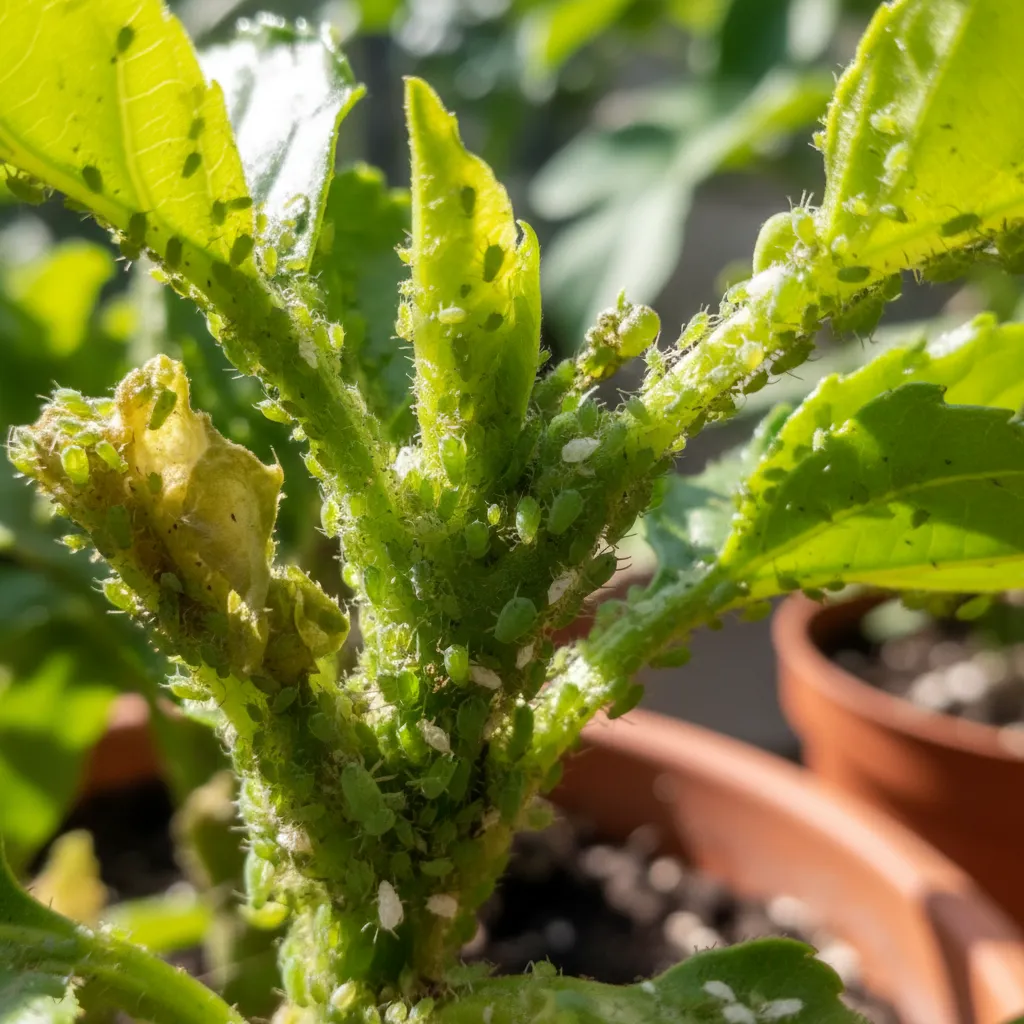
- ✓Pest and Disease Management — Regular monitoring for common pests and fungal diseases is essential; organic pest control methods and proper sanitation can help maintain plant health.
- ✓Harvesting — Tubers are typically harvested in late autumn or early winter after the foliage has died back, carefully dug to avoid damage to the elongated roots.
Reviewed by the Flora Medical Global Botanical Review Panel
Multi-disciplinary editorial group · Botany · Ethnobotany · Herbal-medicine literature
Who reviewed this: This page was checked by the Flora Medical Global Botanical Review Panel — an in-house editorial group of botany graduates, ethnobotany researchers, and horticulture practitioners who collectively maintain our 7,000+ plant encyclopedia. Meet the team.
Our 4-step verification process
1. Taxonomic verification
Scientific names and synonyms cross-checked against Kew POWO, World Flora Online, and The Plant List.
2. Phytochemical & medicinal cross-reference
Active compounds, traditional uses, and reported activities are cross-referenced with PubMed, USDA Dr. Duke's database, and peer-reviewed ethnobotanical literature.
3. Conservation & distribution check
Distribution, ecology, and conservation status confirmed against GBIF occurrence records and the IUCN Red List.
4. Editorial & safety review
Every entry passes an editorial pass for clarity, originality, and safety notices (toxicity, contraindications, dosage caveats) before publication.
Last reviewed:
Important medical disclaimer: This content is for educational and research purposes only. It is not medical advice and is not a substitute for consultation with a licensed healthcare provider. Do not use any herb to self-treat a medical condition without professional guidance.
Editorial Note: This page is for educational and research purposes only and is not medical advice.
Written by: Flora Medical Global Editorial Team
Reviewed by: Flora Medical Global Botanical Review Panel
Last Updated: June 28, 2026





Shan Yao — Comments & Community Reviews
Rate this plant
No reviews yet. Be the first!