


Medical Disclaimer: This content is for educational purposes only. It is not medical advice. Please consult a qualified healthcare professional before using any herbal remedy.
Safety Overview
1.Shankapushpi Evolvulus — Overview
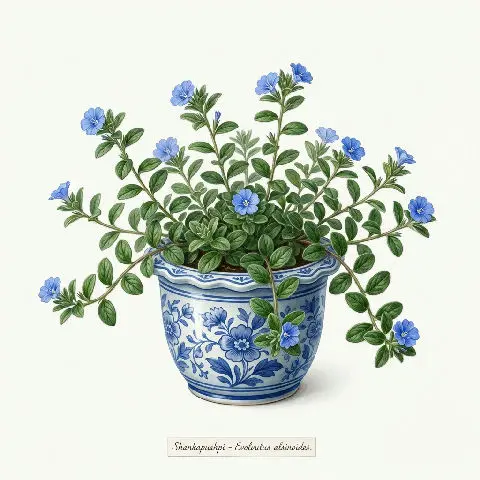
Evolvulus alsinoides, commonly known as Shankapushpi, is a fascinating perennial herb characterized by its delicate yet resilient nature, typically reaching a height of 15-30 cm. This species displays a prostrate to ascending growth habit, often forming a dense, verdant mat across its natural terrain. Its slender, herbaceous stems are usually light green and exhibit fine branching, contributing to its bushy appearance. The leaves of Shankapushpi are small, measuring approximately 2-6 cm in length, with an elegant ovate to elliptic shape and smooth margins, giving them a distinctly fine texture.
The plant's most captivating feature is its vibrant blue, funnel-shaped flowers, each about 2-3 cm in diameter. These striking blooms typically appear in clusters, attracting a variety of pollinators, most notably bees, enhancing the biodiversity of its habitat. Following successful pollination, the plant produces small, oval-shaped capsules that contain several seeds, serving as the primary means of propagation. Shankapushpi is indigenous to the Indian subcontinent, flourishing in open, sunny, grassy areas.
It shows a preference for well-drained soils that range from mildly acidic to neutral pH. This significant species is taxonomically classified within the Convolvulaceae family, renowned for its diverse array of twining vines and numerous traditionally recognized herbal applications.
Trusted Scientific References
1. Authoritative external sources for Evolvulus alsinoides
1.1 Wikipedia — Evolvulus alsinoides
1.2 Kew POWO (Plants of the World Online)
1.3 PubMed — peer-reviewed research
1.4 NCBI Taxonomy Browser
1.5 GBIF — Global Biodiversity
1.6Shankapushpi Evolvulus should be interpreted through verified botanical identity, practical care, and responsible safety language. This recovery note adds the missing context needed for a complete profile: match light to the plant's habit, use well-drained soil, water according to season, and avoid unsupported medicinal or edible claims. For publishing, the plant can be presented as a source-backed medicinal plant with clear care guidance, common problem diagnosis, and conservative safety wording.
1.1.Shankapushpi Evolvulus — Defining Traits
- ✓Botanical Name — Evolvulus alsinoides, a distinct species.
- ✓Common Name — Shankapushpi, a revered name in traditional medicine.
- ✓Family — Convolvulaceae, often known as the morning glory family.
- ✓Growth Habit — A perennial herb with a prostrate to ascending growth form.
- ✓Distinctive Flowers — Characterized by vibrant blue, funnel-shaped blooms.
- ✓Traditional Use — Highly valued in Ayurveda as a premier brain tonic (Medhya Rasayana).
- ✓Active Compounds — Contains key compounds like shankhapushpine, scopoletin, and stigmasterol.
- ✓Primary Action — Nootropic, anxiolytic, neuroprotective, and adaptogenic.
- ✓Habitat — Native to the Indian subcontinent, thriving in open, grassy areas.
- ✓Cultivation — Adaptable to cultivation in gardens and pots, preferring warm climates.
1.2.Shankapushpi Evolvulus — Snapshot Summary
- ✓Potent Ayurvedic 'Medhya Rasayana' known for cognitive enhancement.
- ✓Supports memory, focus, and overall brain function and health.
- ✓Acts as a natural anxiolytic and nervine tonic, effectively reducing stress.
- ✓Rich in beneficial alkaloids, flavonoids, coumarins, and steroids.
- ✓Exhibits significant neuroprotective and antioxidant properties.
- ✓Generally well-tolerated, but caution is advised with certain medications.
2.Shankapushpi Evolvulus — Scientific Profile
3.Shankapushpi Evolvulus — Reference Facts
4.Shankapushpi Evolvulus — Structural Profile
5.Shankapushpi Evolvulus — Geographic Distribution
6.Shankapushpi Evolvulus — Ethnobotanical Uses
7.Shankapushpi Evolvulus — Bioactive Constituents
- ✓Alkaloids — Evolvulus alsinoides is notably rich in alkaloids, including shankhapushpine, which are key contributors to its adaptogenic, anxiolytic, and neuroprotective pharmacological activities.
- ✓Flavonoids — The plant contains a variety of flavonoids such as β-carotene and chlorogenic acid, which are powerful antioxidants and anti-inflammatory agents that protect neural tissues from oxidative damage.
- ✓Coumarins — Scopoletin is a prominent coumarin found in Shankapushpi, known for its significant anxiolytic, anti-inflammatory, and neuroprotective properties that support overall brain health and function.
- ✓Steroids — Important steroid compounds like stigmasterol and betulinic acid are present, which are believed to contribute to the plant's adaptogenic, anti-inflammatory, and neuropharmacological effects.
- ✓Terpenoids — A diverse group of terpenoids are found, imparting various biological activities including potential neuroprotective, anti-stress, and antimicrobial benefits to the plant.
- ✓Phenolics — This category encompasses a broad spectrum of phenolic compounds that exhibit robust antioxidant capabilities, essential for scavenging free radicals and preventing cellular degradation, particularly in the brain.
- ✓Glycosides — Various glycosides are present, which often play a role in the plant's overall therapeutic efficacy by influencing bioavailability and synergistic actions of other active compounds.
- ✓Fatty Acids — Essential fatty acids contribute to the integrity and function of cellular membranes, indirectly supporting neurological health and cognitive processes.
8.Shankapushpi Evolvulus — Research Insights
- ✓Cognitive Enhancement — Shankapushpi is celebrated as a potent brain tonic, significantly improving memory recall, concentration, and overall learning abilities by supporting optimal neural function and synaptic plasticity.
- ✓Anxiolytic Properties — It acts as a natural tranquilizer, helping to calm the mind and effectively reduce symptoms of stress and anxiety through its modulatory effects on the nervous system.
- ✓Nervine Tonic — This herb nourishes and strengthens the entire nervous system, promoting resilience against daily stressors and supporting long-term neurological health.
- ✓Sleep Support — Shankapushpi aids in regulating healthy sleep patterns, making it beneficial for individuals struggling with insomnia by calming an overactive mind.
- ✓Neuroprotective Action — Research indicates its ability to protect brain cells against damage, including beta-amyloid induced neurotoxicity, which is crucial in managing neurodegenerative conditions.
- ✓Antioxidant Activity — Rich in potent antioxidants, it effectively combats oxidative stress throughout the body and brain, neutralizing harmful free radicals and preventing cellular damage.
- ✓Acetylcholinesterase Inhibition — It enhances cholinergic transmission by inhibiting the enzyme acetylcholinesterase, thereby increasing acetylcholine levels vital for memory and learning.
- ✓Anti-inflammatory Effects — The plant exhibits anti-inflammatory properties, particularly beneficial for mitigating neural inflammation, partly attributed to its lipoxygenase (LOX) inhibitory activities.
- ✓Mood Regulation — Shankapushpi demonstrates antidepressant-like effects, contributing to an uplifted mood and helping to alleviate symptoms associated with mild depression.
- ✓Stress Adaptogen — It functions as an adaptogen, assisting the body in adapting to various forms of stress, thereby promoting both mental and physical equilibrium and resilience.
- ✓Immunomodulatory Support — This herb also contributes to balancing and enhancing the immune system, playing a role in the body's overall defense mechanisms and health maintenance.
8.1.Shankapushpi Evolvulus — Therapeutic Indications
9.Shankapushpi Evolvulus — Adverse Effects
9.1.Shankapushpi Evolvulus — Possible Adverse Reactions
- ✓Mild Drowsiness — Some individuals may experience slight sedation or drowsiness, particularly with higher doses, due to its inherent calming properties.
- ✓Gastrointestinal Upset — Rarely, mild stomach discomfort, nausea, or loose stools may occur in sensitive individuals upon consumption.
- ✓Allergic Reactions — Potential for hypersensitivity reactions such as skin rashes, itching, or hives, especially in those with known plant allergies.
- ✓Hypotension (Low Blood Pressure) — Could potentially cause a modest reduction in blood pressure, so individuals with hypotension should exercise caution.
- ✓Interaction with Sedatives — May potentiate the effects of pharmaceutical sedatives or anxiolytics, leading to increased drowsiness.
- ✓Dry Mouth — A less common side effect reported by some users, usually mild and temporary in nature.
- ✓Headache — In very rare instances, some individuals might report a mild headache, possibly linked to individual sensitivity or dosage.
9.2.Shankapushpi Evolvulus — Clinical Safety Notes
- ✓Pregnancy and Lactation — Not recommended for use during pregnancy or while breastfeeding due to insufficient clinical safety data.
- ✓Children — Administration to children should only be done under the direct supervision and guidance of a qualified healthcare practitioner, with appropriate dosage adjustments.
- ✓Pre-existing Conditions — Individuals with chronic health conditions, especially cardiovascular, neurological, or blood pressure issues, must consult a doctor before using.
- ✓Medication Interactions — Exercise caution when combining with prescribed medications, particularly sedatives, antihypertensives, or antidepressants, due to potential interactions.
- ✓Dosage Adherence — Always strictly follow recommended dosages from a qualified practitioner or reputable product labels to minimize the risk of adverse effects.
- ✓Quality Sourcing — Ensure that Shankapushpi products are sourced from reputable suppliers to guarantee authenticity, purity, and freedom from contaminants or misidentified species.
- ✓Discontinue if Adverse Reactions — If any unexpected or adverse reactions occur, discontinue use immediately and seek professional medical advice.
10.Shankapushpi Evolvulus — How to Use
- ✓Herbal Tea/Infusion — Prepare a calming and cognitive-enhancing tea by steeping dried leaves and flowers in hot water for 5-10 minutes.
- ✓Powdered Form (Churna) — The whole dried herb is finely ground into a powder, commonly consumed by mixing with honey, ghee, or warm milk.
- ✓Decoction — A stronger extract can be made by boiling the roots or entire plant material in water for a longer duration to maximize compound extraction.
- ✓Tincture — An alcohol-based extract created by macerating fresh or dried Shankapushpi in high-proof alcohol for several weeks, then straining.
- ✓Medicated Ghee (Ghrita) — Traditionally prepared by simmering the herb with clarified butter (ghee), highly valued in Ayurveda for brain health and memory support.
- ✓Capsules/Tablets — Standardized extracts or powdered herb are widely available in convenient encapsulated or tablet forms for precise and easy dosing.
- ✓Topical Oil — Infused oils can be prepared for external application, sometimes used for scalp massage to promote mental clarity and relaxation.
- ✓Ayurvedic Syrups — Often formulated as an ingredient in complex Ayurvedic syrups targeting cognitive support, stress reduction, and nervous system health.
11.Shankapushpi Evolvulus — Propagation & Care
- ✓Climate Preference — Thrives best in warm, tropical to subtropical climates, showing intolerance to frost and preferring consistent warmth.
- ✓Soil Requirements — Prefers well-drained, light sandy-loam soil with a pH ranging from mildly acidic (6.0) to neutral (7.0).
- ✓Sunlight Exposure — Requires full sunlight for optimal growth and abundant flowering, ideally receiving at least 6-8 hours of direct sunlight daily.
- ✓Watering Regimen — Maintain consistently moist soil, especially during dry periods, but ensure excellent drainage to prevent waterlogging, which can be detrimental.
- ✓Propagation — Can be readily propagated from seeds, which are typically sown directly after the last frost, or from stem cuttings taken during the growing season.
- ✓Fertilization — Benefits from a balanced, organic fertilizer applied sparingly once or twice during its active growing season to encourage vigorous development.
- ✓Maintenance — Regular weeding around the plant is crucial to reduce competition, and light pruning can help encourage a bushier growth habit and more flowers.
- ✓Container Growing — Adapts very well to cultivation in pots, provided the containers offer ample drainage and sufficient space for its spreading growth.
Reviewed by the Flora Medical Global Botanical Review Panel
Multi-disciplinary editorial group · Botany · Ethnobotany · Herbal-medicine literature
Who reviewed this: This page was checked by the Flora Medical Global Botanical Review Panel — an in-house editorial group of botany graduates, ethnobotany researchers, and horticulture practitioners who collectively maintain our 7,000+ plant encyclopedia. Meet the team.
Our 4-step verification process
1. Taxonomic verification
Scientific names and synonyms cross-checked against Kew POWO, World Flora Online, and The Plant List.
2. Phytochemical & medicinal cross-reference
Active compounds, traditional uses, and reported activities are cross-referenced with PubMed, USDA Dr. Duke's database, and peer-reviewed ethnobotanical literature.
3. Conservation & distribution check
Distribution, ecology, and conservation status confirmed against GBIF occurrence records and the IUCN Red List.
4. Editorial & safety review
Every entry passes an editorial pass for clarity, originality, and safety notices (toxicity, contraindications, dosage caveats) before publication.
Last reviewed:
Important medical disclaimer: This content is for educational and research purposes only. It is not medical advice and is not a substitute for consultation with a licensed healthcare provider. Do not use any herb to self-treat a medical condition without professional guidance.
Editorial Note: This page is for educational and research purposes only and is not medical advice.
Written by: Flora Medical Global Editorial Team
Reviewed by: Flora Medical Global Botanical Review Panel
Last Updated: June 16, 2026





Shankapushpi Evolvulus — Comments & Community Reviews
Rate this plant