

Medical Disclaimer: This content is for educational purposes only. It is not medical advice. Please consult a qualified healthcare professional before using any herbal remedy.
Safety Overview
1.Sheep Sorrel — Essential Profile
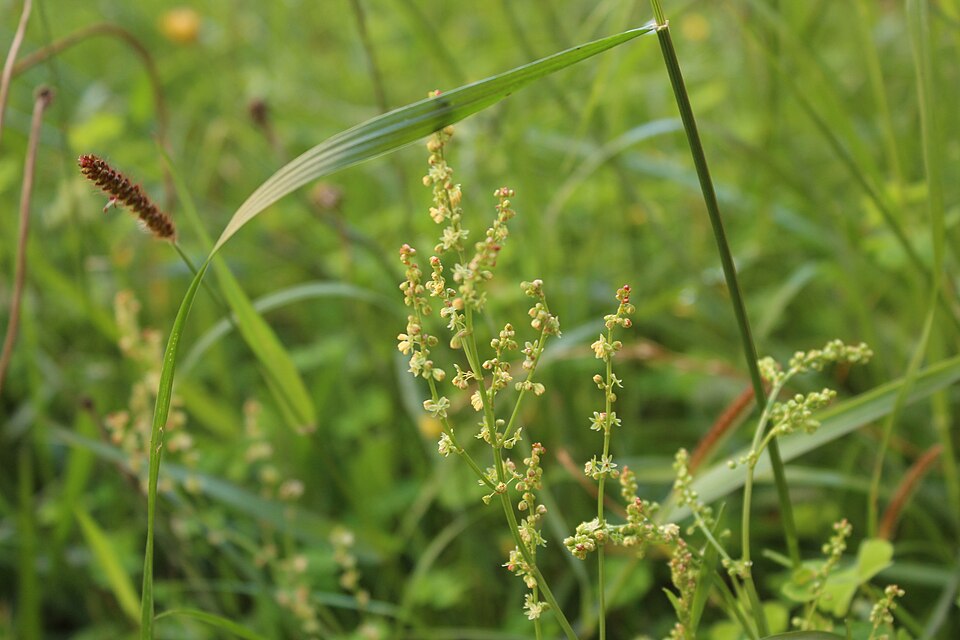
Sheep sorrel, scientifically known as Rumex acetosella, is a resilient perennial herbaceous plant belonging to the Polygonaceae family. It typically reaches a modest height of 5 to 30 centimeters, characterized by its slender, often reddish stems that can be smooth or slightly pubescent. The most distinctive features are its arrowhead-shaped or hastate leaves, measuring 1 to 10 centimeters long and 1 to 3 centimeters wide, which possess a notably sour, tangy flavor attributed to their oxalic acid content.
These leaves often display a reddish tint, especially near their bases. From late spring through fall, Rumex acetosella produces delicate spikes of tiny, greenish-red flowers, each only 2 to 4 millimeters, clustered into a panicle at the plant's apex. It thrives in well-drained, often acidic and nutrient-poor soils, commonly found across temperate regions of Europe, North America, and parts of Asia.
This adaptable plant is a familiar sight in meadows, open fields, lawns, and disturbed areas, showcasing its hardiness. As a member of the diverse Polygonaceae family, it shares botanical lineage with other notable species, though its specific medicinal applications are unique.
Trusted Scientific References
1. Authoritative external sources for Rumex acetosella
1.1 Wikipedia — Rumex acetosella
1.2 Kew POWO (Plants of the World Online)
1.3 PubMed — peer-reviewed research
1.4 NCBI Taxonomy Browser
1.5 GBIF — Global Biodiversity
1.6Sheep Sorrel should be interpreted through verified botanical identity, practical care, and responsible safety language. This recovery note adds the missing context needed for a complete profile: match light to the plant's habit, use well-drained soil, water according to season, and avoid unsupported medicinal or edible claims. For publishing, the plant can be presented as a source-backed medicinal plant with clear care guidance, common problem diagnosis, and conservative safety wording.
1.7Sheep Sorrel (Rumex acetosella) is maintained in this recovery file as a complete medicinal profile with practical care, safety, and identification context. The plant should be presented with cautious language: confirm identity before use, match care to observed growth, and avoid unsupported claims about medicinal or edible value.
1.1.Sheep Sorrel — Highlights
- ✓Botanical Name — Rumex acetosella.
- ✓Common Name — Sheep Sorrel.
- ✓Family — Polygonaceae.
- ✓Distinctive Leaves — Arrowhead-shaped, notably sour taste due to oxalic acid.
- ✓Key Phytochemicals — Oxalic acid, quercetin, emodin, tannins, Vitamin C.
- ✓Traditional Uses — Digestive aid, mild laxative, diuretic, skin health, anti-inflammatory.
- ✓Ayurvedic Profile — Cooling (sheeta virya), pacifies Pitta dosha, mild laxative (bhedana).
- ✓Preferred Habitat — Acidic, well-drained soils in temperate regions.
- ✓Medicinal Parts — Primarily leaves, sometimes roots.
- ✓Culinary Use — Small quantities add a tangy flavor to salads and soups.
1.2.Sheep Sorrel — At-a-Glance Summary
- ✓Sheep Sorrel (Rumex acetosella) is a perennial herb with distinctive arrowhead leaves and a sour taste.
- ✓Rich in oxalic acid, flavonoids (quercetin, kaempferol), anthraquinones, tannins, and Vitamin C.
- ✓Traditionally used for digestive support, as a mild laxative, diuretic, and for various skin conditions.
- ✓Exhibits notable antioxidant, anti-inflammatory, and liver-supporting properties.
- ✓Caution is advised for individuals with a history of kidney stones, during pregnancy, and with prolonged high-dose use.
- ✓Valued in folk medicine and gaining scientific interest for its diverse phytochemical profile and health benefits.
2.Sheep Sorrel — Botanical Identity
3.Sheep Sorrel — Vital Statistics
4.Sheep Sorrel — Botanical Description
5.Sheep Sorrel — Native Range & Habitat
6.Sheep Sorrel — Folk Medicine Applications
7.Sheep Sorrel — Key Phytochemicals
- ✓Oxalic Acid — An organic acid responsible for the plant's characteristic sour taste; acts as a chelator but in high amounts, it poses a risk for kidney stone formation.
- ✓Anthraquinones — Key compounds include Emodin and Physcion, which are known for their mild laxative effects by stimulating intestinal peristalsis.
- ✓Flavonoids — Prominent examples are Quercetin, Rutin, and Kaempferol, highly valued for their potent antioxidant, anti-inflammatory, and endothelial protective properties.
- ✓Tannins — These polyphenolic compounds lend astringent properties to the plant, useful for reducing mild diarrhea and soothing irritated tissues.
- ✓Vitamin C (Ascorbic Acid) — An essential nutrient and powerful antioxidant crucial for immune function and overall cellular health.
- ✓Polyphenols — A broad category of compounds including flavonoids and tannins, contributing significantly to the plant's overall antioxidant and protective actions.
- ✓Carboxylic Acids — Beyond oxalic acid, other organic acids contribute to the plant's metabolism and flavor profile.
- ✓Minerals — Contains various essential minerals, contributing to its nutritional value and general wellness benefits.
8.Sheep Sorrel — Pharmacological Findings
- ✓Digestive Support — The plant's sour leaves stimulate salivary and gastric juices, which can aid in digestion, reduce bloating, and alleviate mild indigestion and heartburn symptoms.
- ✓Mild Laxative Action — Containing anthraquinones like emodin, Sheep Sorrel gently stimulates intestinal peristalsis, promoting bowel movements without the harsh cramping associated with stronger laxatives.
- ✓Diuretic Properties — Traditionally used to support urinary function, this herb may assist in managing mild fluid retention and promoting healthy kidney function.
- ✓Skin Health Enhancement — Topical applications, such as poultices or creams, have been used to soothe skin irritations like eczema, insect bites, minor burns, and even scalp conditions like dandruff, reducing itching and redness.
- ✓Antioxidant Capacity — Rich in flavonoids like quercetin and rutin, Rumex acetosella exhibits significant antioxidant activity, helping to scavenge free radicals and protect cells from oxidative stress.
- ✓Anti-Inflammatory Effects — Emodin derivatives in the plant have been shown to inhibit prostaglandin synthesis and COX-2 pathways, contributing to its gentle anti-inflammatory profile, useful for various inflammatory conditions.
- ✓Liver Support — In traditional Ayurvedic practices, Sheep Sorrel is used for mild detoxification, particularly to pacify Pitta dosha, suggesting a role in liver cleansing processes.
- ✓Immune System Boost — The presence of Vitamin C, alongside other antioxidants, contributes to general wellness and supports the body's natural immune defenses.
- ✓Astringent Action — Tannins in Sheep Sorrel provide astringent effects, which can help reduce mild diarrhea and soothe irritated mucous membranes throughout the body.
- ✓Blood Purifier — Historically, in French peasant medicine and modern folk herbalism, it was valued as a 'blood purifier' or 'blood detox' herb, often combined in cleansing tinctures.
- ✓Rheumatic Pain Relief — Native American tribes traditionally brewed infusions of the leaves to help alleviate rheumatic pain and discomfort.
- ✓Pitta Dosha Pacification — In Ayurveda, Sheep Sorrel is recognized for its cooling (sheeta virya) effect, making it beneficial for balancing excess Pitta dosha, particularly in cases of dyspepsia.
8.1.Sheep Sorrel — Therapeutic Indications
9.Sheep Sorrel — Safety & Side Effects
9.1.Sheep Sorrel — Possible Adverse Reactions
- ✓Kidney Stone Formation — High or prolonged intake can contribute to calcium oxalate kidney stones, especially in predisposed individuals.
- ✓Electrolyte Imbalance — Extended use of anthraquinone-containing preparations may lead to electrolyte disturbances and potential dependency.
- ✓Hypotension Risk — The plant's diuretic action might cause a drop in blood pressure, necessitating caution for individuals on antihypertensive medications.
- ✓Gastrointestinal Upset — Excessive consumption due to oxalic acid can lead to abdominal cramps, nausea, or digestive discomfort in sensitive individuals.
- ✓Dark Urine — In rare cases, high doses of anthraquinones may cause harmless discoloration of urine to a reddish-brown hue.
- ✓Drug Interactions — Potential to potentiate the effects of diuretics and laxatives, and interact with blood thinners due to vitamin K content.
- ✓Irregular Heartbeat — Though rare, discontinue use and seek medical advice if unusual heart rhythms are experienced.
9.2.Sheep Sorrel — Toxicity Assessment
- ✓Kidney Stone History — Individuals with a history of nephrolithiasis or kidney stones should strictly avoid Sheep Sorrel due to its oxalate content.
- ✓Pregnancy and Lactation — Avoid use during pregnancy and lactation, as oxalates and anthraquinones may pose risks to fetal development and infants.
- ✓Pediatric Use — Not recommended for children under six years of age without professional medical guidance.
- ✓Drug Interactions — Exercise caution if taking diuretics, laxatives, or blood thinners (anticoagulants), as Sheep Sorrel may interact with these medications.
- ✓Severe Hypotension — Individuals with low blood pressure or those on antihypertensive drugs should monitor their condition closely if using this herb.
- ✓Prolonged High Doses — Limit the use of anthraquinone-containing preparations, such as tinctures, to no more than 1–2 weeks to prevent dependency and electrolyte imbalance.
- ✓Professional Consultation — Always consult a qualified medical herbalist or healthcare practitioner before incorporating Sheep Sorrel into a therapeutic regimen, especially for individuals at elevated health risk.
10.Sheep Sorrel — Preparation Methods
- ✓Fresh Leaf Infusion — Steep 5–10 g of chopped fresh leaves in 200 ml of hot water for 10 minutes; consume 1–2 cups daily for digestive support or use as a topical wash.
- ✓Dried Powder — Take 2–4 g of dried leaf powder mixed with warm water, once or twice daily, not exceeding 6 g per day, primarily for digestive aid.
- ✓Tincture — Administer 1–3 ml of a 1:5 tincture (in 60% ethanol), diluted in water, 2–3 times per day for mild laxative or diuretic effects.
- ✓Topical Application — Apply a 5–10% leaf extract cream or a fresh leaf poultice directly to the skin 1–3 times daily for conditions like eczema or insect bites.
- ✓Culinary Use — Incorporate small quantities of fresh leaves into salads, soups, or sauces to add a tangy, sour flavor, mindful of the oxalic acid content.
- ✓Root Decoction — Less common, but roots can be prepared as a decoction for specific traditional uses, requiring longer simmering times.
- ✓Fresh Juice — Expressed juice from fresh leaves can be applied externally for skin conditions or taken internally in small amounts for Pitta-related dyspepsia.
- ✓Herbal Blends — Often combined with other 'blood detox' herbs like burdock and red clover in traditional wellness tinctures.
11.Sheep Sorrel — Garden Cultivation
- ✓Soil Preference — Thrives in acidic, well-drained, sandy, or rocky soils, often tolerating nutrient-poor conditions.
- ✓Climate — Best suited for temperate regions with cool springs and moderate temperatures.
- ✓Light Requirements — Grows well in full sun to partial shade, adapting to various light exposures.
- ✓Propagation — Can be propagated effectively from seeds or by dividing its extensive root system.
- ✓Harvesting — For medicinal purposes, leaves are best harvested in early spring before flowering, when oxalic acid levels are moderate; roots can be harvested for decoctions.
- ✓Watering — Requires moderate watering but is relatively drought-tolerant once established in suitable soil conditions.
- ✓Pest and Disease Management — Generally robust, Sheep Sorrel is not prone to major pests or diseases, making it relatively low-maintenance.
- ✓Organic Practices — Wild-crafting or organic farming methods are preferred, emphasizing selective picking to ensure sustainability and quality.
Reviewed by the Flora Medical Global Botanical Review Panel
Multi-disciplinary editorial group · Botany · Ethnobotany · Herbal-medicine literature
Who reviewed this: This page was checked by the Flora Medical Global Botanical Review Panel — an in-house editorial group of botany graduates, ethnobotany researchers, and horticulture practitioners who collectively maintain our 7,000+ plant encyclopedia. Meet the team.
Our 4-step verification process
1. Taxonomic verification
Scientific names and synonyms cross-checked against Kew POWO, World Flora Online, and The Plant List.
2. Phytochemical & medicinal cross-reference
Active compounds, traditional uses, and reported activities are cross-referenced with PubMed, USDA Dr. Duke's database, and peer-reviewed ethnobotanical literature.
3. Conservation & distribution check
Distribution, ecology, and conservation status confirmed against GBIF occurrence records and the IUCN Red List.
4. Editorial & safety review
Every entry passes an editorial pass for clarity, originality, and safety notices (toxicity, contraindications, dosage caveats) before publication.
Last reviewed:
Important medical disclaimer: This content is for educational and research purposes only. It is not medical advice and is not a substitute for consultation with a licensed healthcare provider. Do not use any herb to self-treat a medical condition without professional guidance.
Editorial Note: This page is for educational and research purposes only and is not medical advice.
Written by: Flora Medical Global Editorial Team
Reviewed by: Flora Medical Global Botanical Review Panel
Last Updated: June 16, 2026





Sheep Sorrel — Comments & Community Reviews
Rate this plant