


Medical Disclaimer: This content is for educational purposes only. It is not medical advice. Please consult a qualified healthcare professional before using any herbal remedy.
Safety Overview
1.Shiso — Essential Profile

Shiso, scientifically known as Perilla frutescens, is a captivating annual herb belonging to the Lamiaceae family, commonly referred to as the mint family. This aromatic plant typically achieves a height of 30 to 90 cm, displaying a robust and often bushy growth habit. Its distinctive leaves are broad, ovate to slightly serrated, ranging from 5 to 15 cm in length, and are notable for their vibrant green or striking reddish-purple coloration, which varies by cultivar. The leaves possess a unique, complex aroma often described as a blend of mint, basil, and anise, and are covered with fine, soft hairs, imparting a slightly fuzzy texture.
Shiso produces small, delicate flowers, typically white or pale purple, arranged in dense, spike-like clusters that bloom throughout the summer months. The stems are characteristically square in shape, a hallmark of the Lamiaceae family, and tend to become woody as the plant matures. Native to East Asia, Perilla frutescens has been cultivated for over two millennia in regions such as China, Japan, and Korea, where it thrives in humid, subtropical to tropical climates. It is frequently found in both cultivated gardens and agricultural settings.
Botanically, Perilla frutescens encompasses several varieties, including the green-leaved Perilla frutescens var. frutescens (historically Baisu) and the purple-leaved Perilla frutescens var. purpurascens (historically Zisu), both highly esteemed for their significant culinary and medicinal versatility. The plant flourishes best in well-drained, fertile soil, with exposure to full sun or partial shade, conditions that greatly enhance its vigorous growth and aromatic potency.
Trusted Scientific References
Authoritative external sources for Perilla frutescens:
Shiso should be interpreted through verified botanical identity, practical care, and responsible safety language. This recovery note adds the missing context needed for a complete profile: match light to the plant's habit, use well-drained soil, water according to season, and avoid unsupported medicinal or edible claims. For publishing, the plant can be presented as a source-backed medicinal plant with clear care guidance, common problem diagnosis, and conservative safety wording.
1.1.Shiso — Notable Characteristics
- ✓Botanical Name — Perilla frutescens, a versatile annual herb.
- ✓Family — Lamiaceae, commonly known as the mint family.
- ✓Common Names — Shiso, Perilla, Kkaennip (Korean), Beefsteak plant.
- ✓Key Bioactives — Perillaldehyde, rosmarinic acid, alpha-linolenic acid (ALA).
- ✓Primary Uses — Highly valued as a culinary herb, traditional medicine, and source of omega-3 rich seed oil.
- ✓Distinctive Aroma — A unique minty, basil-like, slightly spicy, and sometimes citrusy fragrance.
- ✓Leaf Color Variations — Features prominent green (var. frutescens) and reddish-purple (var. purpurascens) leaf varieties.
- ✓Traditional Systems — Extensively utilized in Traditional Chinese Medicine (TCM), Korean traditional medicine, and Japanese herbal practices.
- ✓Nutritional Value — Provides essential vitamins (A, C), minerals, and beneficial fatty acids, contributing to its functional food status.
- ✓Growth Habit — An upright annual plant, typically reaching 30-90 cm in height, thriving in warm, humid conditions.
1.2.Shiso — In Brief
- ✓Shiso (Perilla frutescens) is an aromatic herb from the mint family, native to East Asia, known for its green or purple leaves.
- ✓Valued for its distinctive flavor in culinary arts and extensive traditional medicinal applications for over 2000 years.
- ✓Rich in bioactive compounds including volatile oils (perillaldehyde), flavonoids, phenolic acids (rosmarinic acid), and omega-3 fatty acids (ALA in seeds).
- ✓Offers significant health benefits, supporting immune function, digestive health, respiratory comfort, and potent antioxidant protection.
- ✓Available in various forms, including fresh leaves, dried herb for teas, essential oil, and omega-3 rich seed oil for internal and external use.
- ✓Generally safe as a food, but caution is advised regarding specific chemotypes, dosage in therapeutic use, and during pregnancy or lactation.
2.Shiso — Scientific Identity
3.Shiso — Categories & Tags
4.Shiso — Physical Description
5.Shiso — Heritage Uses
6.Shiso — Phytochemistry
- ✓Volatile Oils/Essential Oils — Primarily composed of monoterpenes and phenylpropanoids, including perillaldehyde (responsible for its characteristic aroma and antiallergic effects), perilla ketone (a furanone with potential toxicity in high doses), citral, perillen, piperitenone, shisofuran, and elsholtziaketone. These contribute to its antimicrobial, anti-inflammatory, and aromatic properties.
- ✓Flavonoids — Key flavonoids include luteolin, apigenin, quercetin, and in purple varieties, anthocyanins. These compounds are powerful antioxidants and contribute to Shiso’s anti-inflammatory and antiallergic actions.
- ✓Phenolic Acids — Abundant in rosmarinic acid, caffeic acid, and ferulic acid, which are potent antioxidants, anti-inflammatory agents, and have demonstrated antiviral activities.
- ✓Omega-3 Fatty Acids — Perilla seed oil is exceptionally rich in alpha-linolenic acid (ALA), an essential omega-3 fatty acid vital for cardiovascular health and systemic anti-inflammatory processes.
- ✓Terpenoids — Various triterpenes and diterpenes are present, contributing to the plant's anti-inflammatory and potentially anticancer properties.
- ✓Alkaloids — While in smaller quantities, alkaloids are also part of Shiso's complex phytochemical profile, contributing to its overall bioactivity.
- ✓Tannins — Provide astringent properties, contributing to digestive and skin health benefits.
- ✓Sterols — Including beta-sitosterol, which may have cholesterol-lowering effects.
- ✓Vitamins and Minerals — Contains essential nutrients such as Vitamin A, Vitamin C, B vitamins, calcium, iron, and potassium, enhancing its nutritional value.
7.Shiso — Scientific Evidence
- ✓Immune System Support — Shiso contains compounds like rosmarinic acid and flavonoids that help modulate immune responses, enhancing the body's natural defenses against pathogens.
- ✓Anti-inflammatory Action — Bioactive constituents, including perillaldehyde and various phenolic acids, work to inhibit inflammatory pathways, potentially alleviating symptoms associated with chronic inflammation.
- ✓Antioxidant Protection — Rich in potent antioxidants such as rosmarinic acid, luteolin, and anthocyanins (in purple varieties), Shiso helps to neutralize harmful free radicals, protecting cells from oxidative damage.
- ✓Digestive Health Enhancement — Traditionally used to soothe gastrointestinal discomfort, Shiso can help alleviate indigestion, nausea, bloating, and promote overall digestive wellness.
- ✓Respiratory Relief — The volatile oils in Shiso, particularly perillaldehyde, are recognized for their bronchodilatory and expectorant properties, offering relief for coughs, colds, and mild asthmatic symptoms.
- ✓Anti-allergic Properties — Compounds like rosmarinic acid and perillaldehyde have demonstrated the ability to modulate histamine release and other mediators involved in allergic reactions, providing potential relief from seasonal allergies.
- ✓Antimicrobial Activity — Shiso's essential oil exhibits broad-spectrum antimicrobial effects against various bacteria and fungi, contributing to its traditional use in preventing food spoilage and treating infections.
- ✓Cardiovascular Well-being — The seeds of Perilla frutescens are an exceptional source of alpha-linolenic acid (ALA), an omega-3 fatty acid crucial for maintaining heart health, reducing cholesterol levels, and supporting healthy blood pressure.
- ✓Neuroprotective Effects — Flavonoids and phenolic acids found in Shiso possess neuroprotective qualities, potentially safeguarding brain cells from oxidative stress and supporting cognitive function.
- ✓Skin Health Soothing — Applied topically, Shiso's anti-inflammatory and antioxidant compounds can help soothe skin irritations, reduce redness, and promote a healthy complexion.
- ✓Mood and Stress Regulation — The distinctive aroma of Shiso's volatile oils may have mild anxiolytic effects, contributing to relaxation and stress reduction through aromatherapy.
7.1.Shiso — Conditions Traditionally Used For
8.Shiso — Safety & Side Effects
8.1.Shiso — Possible Adverse Reactions
- ✓Allergic Reactions — Individuals sensitive to Lamiaceae family plants may experience allergic reactions such as skin rashes, itching, or respiratory symptoms.
- ✓Digestive Upset — Ingesting large quantities, especially of the essential oil, can lead to mild digestive discomfort including nausea, diarrhea, or stomach cramps.
- ✓Drug Interactions — Perilla seed oil, due to its high omega-3 content, may interact with anticoagulant or antiplatelet medications, increasing the risk of bleeding.
- ✓Perilla Ketone Toxicity — Certain chemotypes of Perilla frutescens, particularly those high in perilla ketone, have been linked to lung damage in livestock, though this is rare with typical human consumption.
- ✓Pregnancy and Lactation — Due to insufficient safety data, Shiso is generally advised against during pregnancy and breastfeeding.
- ✓Blood Sugar Modulation — Shiso may have a hypoglycemic effect, potentially lowering blood sugar levels, requiring caution for individuals with diabetes or those on blood sugar-lowering medications.
- ✓Traditional Contraindication — Traditional Chinese Medicine advises against consuming Shiso leaves with crucian carp, as it is believed to potentially cause toxic sores.
8.2.Shiso — Clinical Safety Notes
- ✓General Consumption — Shiso is widely regarded as safe for culinary use in moderate amounts, acting as both food and medicine in many cultures.
- ✓Dosage Adherence — When used therapeutically, it is crucial to adhere to recommended dosages for extracts, teas, or essential oils to avoid adverse effects.
- ✓Pregnancy & Children — Due to a lack of comprehensive safety studies, pregnant or breastfeeding women and young children should exercise caution and consult a healthcare professional before use.
- ✓Chemotype Awareness — Be mindful of the specific chemotype of Perilla frutescens being used, as those high in perilla ketone may carry a higher risk of toxicity, especially in concentrated forms.
- ✓Quality Sourcing — Always procure Shiso products from reputable suppliers to ensure purity, proper identification, and absence of contaminants or incorrect species.
- ✓Topical Patch Test — Before applying Shiso preparations extensively to the skin, perform a patch test on a small area to check for any potential sensitivity or allergic reactions.
- ✓Professional Consultation — For any significant medicinal use or if you have underlying health conditions, it is advisable to consult a qualified medical herbalist or healthcare provider.
9.Shiso — Usage Guide
- ✓Culinary Fresh Leaves — Enjoyed raw in salads, as a garnish for sushi and sashimi, or used as a flavorful wrap for grilled meats and vegetables in East Asian cuisines.
- ✓Herbal Tea (Infusion) — Dried or fresh Shiso leaves can be steeped in hot water to create a soothing tea, traditionally used for digestive complaints, colds, and respiratory issues.
- ✓Tinctures and Extracts — Concentrated liquid extracts are prepared using alcohol or glycerin to harness the plant's medicinal compounds for therapeutic purposes.
- ✓Essential Oil (Aromatherapy) — Steam-distilled essential oil from Shiso leaves is used in aromatherapy for its calming and uplifting properties, or topically (diluted) for skin support.
- ✓Perilla Seed Oil — Cold-pressed from the seeds, this oil is consumed directly as a dietary supplement or incorporated into cooking and baking as a rich source of omega-3 fatty acids.
- ✓Topical Applications (Poultices) — Crushed fresh leaves can be applied directly to the skin as a poultice to soothe minor irritations, insect bites, or reduce inflammation.
- ✓Traditional Decoctions — In Traditional Chinese Medicine, Shiso is often prepared as a decoction, sometimes combined with other herbs, to address specific imbalances like 'expelling cold' or 'resolving phlegm'.
10.Shiso — How to Grow
- ✓Climate — Thrives in warm, humid, subtropical to tropical climates, preferring consistent moisture and temperatures between 20-30°C.
- ✓Soil — Requires well-drained, fertile soil rich in organic matter, with an optimal pH range of 6.0 to 7.0.
- ✓Sunlight — Prefers full sun exposure for robust growth and optimal flavor development, though it can tolerate partial shade.
- ✓Watering — Needs consistent and regular watering, especially during dry periods, to maintain soil moisture without becoming waterlogged.
- ✓Propagation — Primarily propagated from seeds sown directly into the garden after the last frost or started indoors 4-6 weeks prior.
- ✓Planting — Sow seeds shallowly, about 0.5 cm deep, and thin seedlings to 20-30 cm apart to allow for adequate growth.
- ✓Fertilization — Benefits from moderate feeding with a balanced organic fertilizer or compost, particularly during its active growth phase.
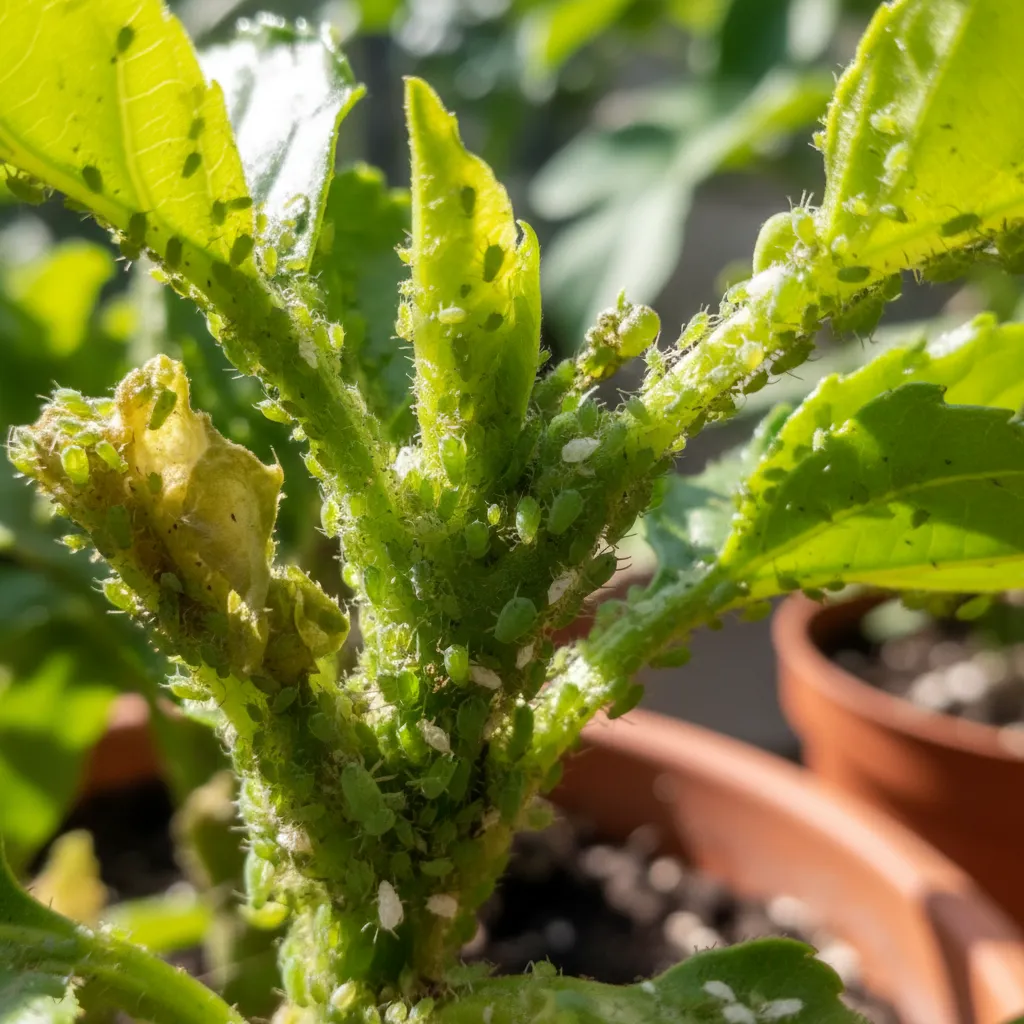
- ✓Pests & Diseases — Generally resistant, but can occasionally be affected by aphids or powdery mildew; good air circulation helps prevent fungal issues.
Reviewed by the Flora Medical Global Botanical Review Panel
Multi-disciplinary editorial group · Botany · Ethnobotany · Herbal-medicine literature
Who reviewed this: This page was checked by the Flora Medical Global Botanical Review Panel — an in-house editorial group of botany graduates, ethnobotany researchers, and horticulture practitioners who collectively maintain our 7,000+ plant encyclopedia. Meet the team.
Our 4-step verification process
1. Taxonomic verification
Scientific names and synonyms cross-checked against Kew POWO, World Flora Online, and The Plant List.
2. Phytochemical & medicinal cross-reference
Active compounds, traditional uses, and reported activities are cross-referenced with PubMed, USDA Dr. Duke's database, and peer-reviewed ethnobotanical literature.
3. Conservation & distribution check
Distribution, ecology, and conservation status confirmed against GBIF occurrence records and the IUCN Red List.
4. Editorial & safety review
Every entry passes an editorial pass for clarity, originality, and safety notices (toxicity, contraindications, dosage caveats) before publication.
Last reviewed:
Important medical disclaimer: This content is for educational and research purposes only. It is not medical advice and is not a substitute for consultation with a licensed healthcare provider. Do not use any herb to self-treat a medical condition without professional guidance.
Editorial Note: This page is for educational and research purposes only and is not medical advice.
Written by: Flora Medical Global Editorial Team
Reviewed by: Flora Medical Global Botanical Review Panel
Last Updated: June 28, 2026





Shiso — Comments & Community Reviews
Rate this plant
No reviews yet. Be the first!