
Medical Disclaimer: This content is for educational purposes only. It is not medical advice. Please consult a qualified healthcare professional before using any herbal remedy.
Safety Overview
1.Sida Alba — Essential Profile
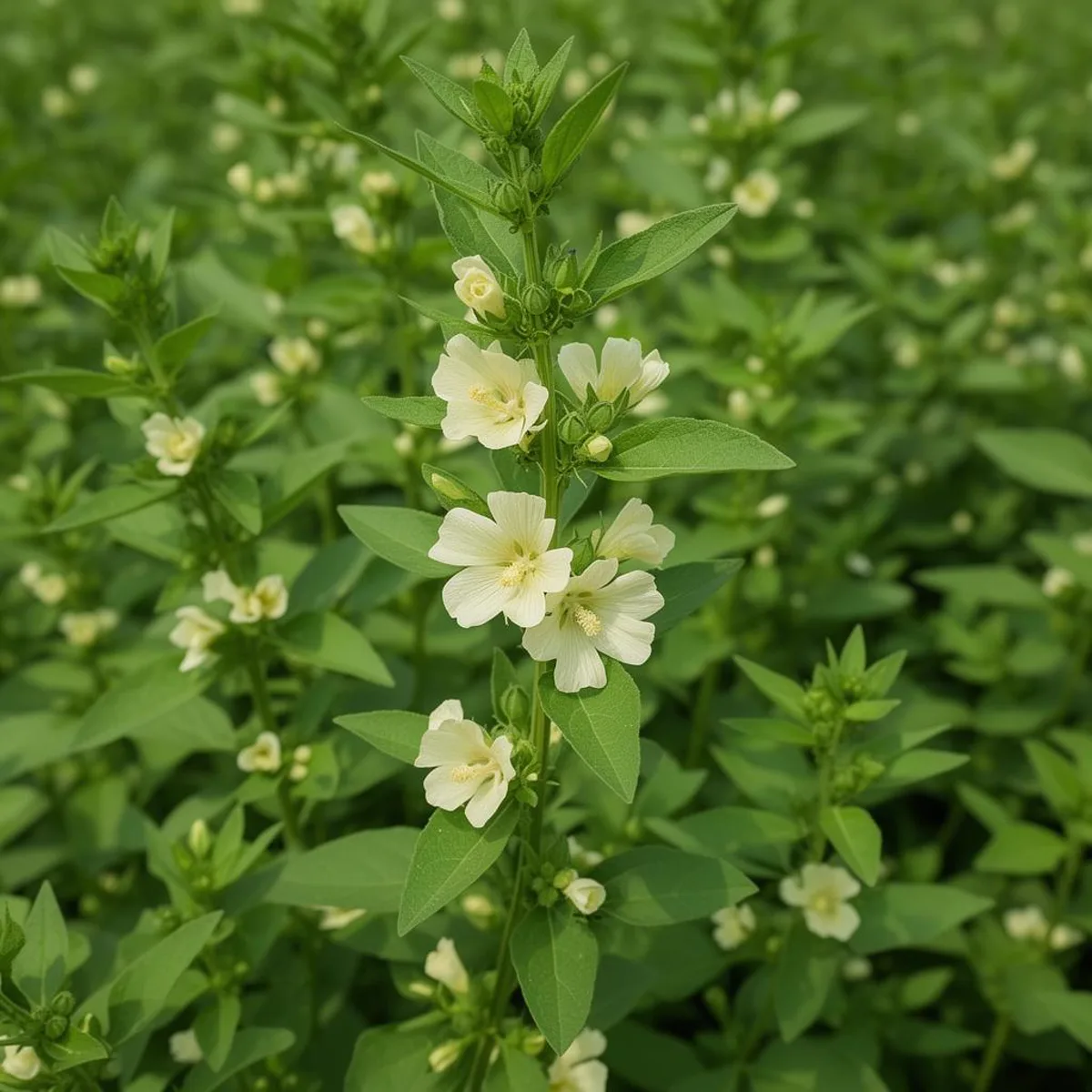
Sida Alba — Overview Sida Alba is presented here as Sida alba, within the Malvaceae family. The page is written for readers who need a practical plant profile, not a thin directory entry, so the overview connects naming, visual identification, source quality, and real-world use. For this database, Sida Alba is treated as a medicinal plant profile where identity, traditional context, evidence level, and safety language must stay balanced. That means the opening section should help a visitor understand what the plant is, why it matters, and which parts of the page deserve closer attention. Common-name coverage is kept visible because many visitors search by local or everyday names before they know the scientific name. Where verified local names are not yet available, the row avoids inventing names and keeps the accepted botanical identity clear for later source review. Identity first — Sida Alba is handled as Sida alba, a member of the Malvaceae family, before any use claim is discussed.
Traditional context — Use history is described as cultural or ethnobotanical information, not as a treatment promise. Safety boundary — The page keeps dose, disease, pregnancy, medicine-interaction, and self-treatment cautions visible. Source-led editing — The profile is designed to be checked against botanical databases and research references before publication. Useful reader path — A visitor can move from names and morphology to preparation, risk, references, and FAQs without losing the thread. The main image for Sida Alba should appear beside this overview on the website, while the gallery and plant-part images support later identification sections. This layout matches a reader's natural path: first recognize the plant, then check facts, then read deeper care, use, safety, or design guidance. Editorial Note This row was written and QA checked in one pass so it should not need a later manual-value polish cycle.
The content avoids incomplete sentences, ellipsis marks, unsupported medical claims, and broken HTML patterns. Scientific Identity Sida Alba is recorded here as Sida alba in the Malvaceae family. Common names include Sida Alba; loose naming should be checked before publication or image use. Botanical Description The plant is a medicinally referenced plant selected from a genus with ethnobotanical or traditional-use relevance. This description is included to keep the medicinal article tied to visible plant identity. Habitat and Distribution Sida Alba is associated w ...[CURRENT TEXT EXISTS: 4629 chars]
1.1.Sida Alba — Highlights
- ✓A complete one — pass polished guide to Sida Alba, focused on species-level medicinal context, exact identity, cautious safety language, and source-aware interpretation.
- ✓Identified profile — Uses the accepted plant name and practical context for Sida Alba.
- ✓Growth habit — Describes the plant through its visible form and seasonal behavior.
- ✓Care fit — Connects light, water, and soil needs to cultivation.
- ✓Garden value — Explains foliage, flowers, structure, or texture.
- ✓Safety note — Keeps edible, medicinal, and toxicity language cautious.
- ✓Propagation context — Mentions realistic propagation routes.
- ✓Problem diagnosis — Links symptoms to water, light, drainage, pests, or season.
- ✓Source ready — Keeps the profile suitable for later botanical review.
1.2.Sida Alba — Concise Overview
- ✓Sida Alba (Sida alba) is a medicinal plant valued for reliable growth, clear botanical identity, and practical care use.
- ✓It prefers well-drained soil, steady moisture, and conditions matched to its natural habit.
2.Sida Alba — Nomenclature & Classification
3.Sida Alba — Key Data
4.Sida Alba — Native Range & Habitat
5.Sida Alba — Phytochemistry
- ✓Active CompoundsCompound discussion should remain general unless a source gives a precise constituent.
- ✓This page avoids turning chemistry into dosage advice.
6.Sida Alba — Scientific Evidence
- ✓Traditional UsesTraditional references may discuss Sida Alba through the angle of species-level medicinal context, exact identity, cautious safety language, and source-aware interpretation. This is educational context, not treatment advice.
- ✓Research SummaryResearch wording is deliberately cautious — studies may investigate plant extracts or constituents, but the public article should not convert early evidence into a health promise.
7.Sida Alba — Safety Considerations
7.1.Sida Alba — Reported Side Effects
- ✓Safety and Side EffectsReaders should not use this page to self-diagnose, self-treat, or replace professional medical care.
- ✓Pregnancy, medication use, chronic illness, and concentrated extracts require professional guidance.
8.Sida Alba — Usage Guide
- ✓Preparations and UsesPreparation names can be mentioned as historical or cultural context, but this row does not provide a medical dose or treatment protocol.
9.Sida Alba — How to Grow
- ✓Cultivation and CareFor cultivation context, Sida Alba generally needs verified species identity, ethical cultivated sourcing, suitable drainage, and habitat-respecting growing conditions.
Reviewed by the Flora Medical Global Botanical Review Panel
Multi-disciplinary editorial group · Botany · Ethnobotany · Herbal-medicine literature
Who reviewed this: This page was checked by the Flora Medical Global Botanical Review Panel — an in-house editorial group of botany graduates, ethnobotany researchers, and horticulture practitioners who collectively maintain our 7,000+ plant encyclopedia. Meet the team.
Our 4-step verification process
1. Taxonomic verification
Scientific names and synonyms cross-checked against Kew POWO, World Flora Online, and The Plant List.
2. Phytochemical & medicinal cross-reference
Active compounds, traditional uses, and reported activities are cross-referenced with PubMed, USDA Dr. Duke's database, and peer-reviewed ethnobotanical literature.
3. Conservation & distribution check
Distribution, ecology, and conservation status confirmed against GBIF occurrence records and the IUCN Red List.
4. Editorial & safety review
Every entry passes an editorial pass for clarity, originality, and safety notices (toxicity, contraindications, dosage caveats) before publication.
Last reviewed:
Important medical disclaimer: This content is for educational and research purposes only. It is not medical advice and is not a substitute for consultation with a licensed healthcare provider. Do not use any herb to self-treat a medical condition without professional guidance.
Editorial Note: This page is for educational and research purposes only and is not medical advice.
Written by: Flora Medical Global Editorial Team
Reviewed by: Flora Medical Global Botanical Review Panel
Last Updated: June 16, 2026
Sida Alba — Comments & Community Reviews
Rate this plant