
Medical Disclaimer: This content is for educational purposes only. It is not medical advice. Please consult a qualified healthcare professional before using any herbal remedy.
Safety Overview
1.Sisal — Plant Snapshot

Sisal, scientifically known as Agave sisalana, is a robust succulent perennial. It belongs to the Asparagaceae family, and people highly value it for its strong fibers and emerging medicinal properties. This impressive plant typically forms a dense rosette of sword-shaped, fleshy leaves. The leaves can extend up to 1.5 meters in length and 10 centimeters in width, and they have a distinctive grey-green hue and often spiny margins.
The plant generally reaches an overall height of 1.5 to 2 meters. Upon maturity, which can take several years, Agave sisalana produces a majestic flowering stalk, or 'mast'. This stalk can soar to an astonishing 5 meters and is crowned with panicles of yellow-green flowers that bloom primarily during the summer. People often describe its bark as fibrous, but it is more accurately the leaf pulp and structural elements that yield the renowned sisal fibers.
Native to the arid and semi-arid regions of Mexico, Sisal has been extensively naturalized and cultivated across tropical and subtropical zones globally, with significant production in countries like Brazil and various African nations. Taxonomically, it is a prominent member of the Agave genus, which encompasses over 200 species. Many of these species share similar adaptations to harsh environments and are used for their fibers, sweet sap, or as ornamental specimens. The plant's ability to thrive in challenging conditions underscores its resilience and ecological importance.
Trusted Scientific References
Authoritative external sources for Agave sisalana:
Sisal should be interpreted through verified botanical identity, practical care, and responsible safety language. This recovery note adds the missing context needed for a complete profile: match light to the plant's habit, use well-drained soil, water according to season, and avoid unsupported medicinal or edible claims. For publishing, the plant can be presented as a source-backed medicinal plant with clear care guidance, common problem diagnosis, and conservative safety wording.
1.1.Sisal — Key Features
- ✓Botanical Identity — Agave sisalana, a member of the Asparagaceae family, native to Mexico.
- ✓Leaf Morphology — Distinctive sword-shaped, grey-green leaves with spiny margins, forming a large rosette.
- ✓Economic Importance — Globally renowned for its strong, durable fibers used in ropes, twine, and textiles.
- ✓Medicinal Potential — Increasingly recognized for anti-inflammatory, antioxidant, and antiseptic properties.
- ✓Key Phytochemicals — Contains saponins (e.g., hecogenin), flavonoids, phenolic acids, and fructans.
- ✓Arid Adaptation — Highly adapted to arid and semi-arid environments, thriving with minimal water.
- ✓Traditional Uses — Historically applied topically for antiseptic purposes and consumed orally for various ailments.
- ✓Sustainable Resource — A resilient plant that contributes to sustainable agriculture in many regions.
- ✓Tall Inflorescence — Produces a striking, tall flowering stalk that can reach up to 5 meters.
- ✓CAM Photosynthesis — Utilizes Crassulacean Acid Metabolism, allowing for efficient water use.
1.2.Sisal — Snapshot Summary
- ✓Agave sisalana is a succulent perennial known for its strong fibers and medicinal potential.
- ✓Traditionally used for anti-inflammatory, antiseptic, and digestive support.
- ✓Rich in saponins, flavonoids, phenolic acids, and fructans.
- ✓Requires well-drained soil, full sun, and is drought-tolerant.
- ✓Potential side effects include skin irritation and gastrointestinal upset.
- ✓Professional consultation is crucial before medicinal use.
2.Sisal — Scientific Identity
3.Sisal — Categories & Tags
4.Sisal — Plant Morphology
5.Sisal — Cultural & Traditional Roles
6.Sisal — Bioactive Constituents
- ✓Saponins — Key compounds like hecogenin and tigogenin are abundant, known for their anti-inflammatory, antimicrobial, and cholesterol-lowering properties, often found in the leaf sap.
- ✓Flavonoids — A diverse group of polyphenolic compounds such as quercetin and kaempferol derivatives, contributing significant antioxidant, anti-inflammatory, and cardioprotective effects.
- ✓Phenolic Acids — Including caffeic acid and ferulic acid, these compounds exhibit strong antioxidant activity, protecting against oxidative damage and supporting cellular health.
- ✓Fructans — Long-chain fructooligosaccharides (FOS) and inulin-type fructans are present, acting as prebiotics that support gut health and influence glucose metabolism.
- ✓Alkaloids — While less studied in Sisal, alkaloids are a class of nitrogen-containing compounds that can possess diverse pharmacological activities, including analgesic and antispasmodic effects.
- ✓Terpenoids — These diverse organic compounds, including triterpenes and sterols, contribute to the plant's defense mechanisms and may offer anti-inflammatory and adaptogenic benefits.
- ✓Glycosides — Various glycosides are present, often responsible for specific biological activities when metabolized in the body, potentially contributing to the plant's overall therapeutic profile.
- ✓Vitamins and Minerals — Sisal also contains trace amounts of essential vitamins and minerals that contribute to its nutritional value and support general physiological functions.
7.Sisal — Research Insights
- ✓Anti-inflammatory Effects — Sisal extracts have demonstrated significant anti-inflammatory properties, potentially by modulating inflammatory pathways and reducing the production of pro-inflammatory mediators, as suggested by recent research.
- ✓Antioxidant Protection — The rich profile of phenolic compounds and flavonoids in Agave sisalana contributes to its potent antioxidant capacity, helping to neutralize free radicals and protect cells from oxidative stress.
- ✓Immune System Support — Traditional uses suggest Sisal may enhance immune function, possibly due to its array of bioactive compounds that can bolster the body's natural defenses and response mechanisms.
- ✓Digestive Health Promotion — Certain compounds, such as fructans found in Agave species, can act as prebiotics, supporting a healthy gut microbiome and aiding in digestive processes.
- ✓Antiseptic Properties — Historically, the leaf juice of Sisal has been applied topically as an antiseptic, indicating its potential to inhibit the growth of microorganisms and aid in wound cleansing.
- ✓General Wellness Enhancement — The collective action of various phytochemicals in Sisal contributes to overall vitality and well-being, supporting various physiological functions.
- ✓Potential Pain Relief — Through its anti-inflammatory actions, Sisal may offer relief from pain associated with inflammatory conditions, making it a subject of interest for natural pain management strategies.
- ✓Detoxification Support — The plant's compounds may aid the body's natural detoxification processes, helping to eliminate harmful substances and promote cellular health.
7.1.Sisal — Health Applications
8.Sisal — Precautions & Warnings
8.1.Sisal — Warnings
- ✓Skin Irritation — Direct contact with fresh Sisal sap or leaf juice can cause skin irritation, redness, or dermatitis in sensitive individuals due to irritant compounds.
- ✓Gastrointestinal Upset — Oral consumption of improperly prepared or excessive amounts of Sisal can lead to nausea, vomiting, or diarrhea.
- ✓Allergic Reactions — Individuals with sensitivities to plants in the Asparagaceae family may experience allergic reactions, including itching or swelling.
- ✓Toxicity Concerns — Research indicates potential toxicity, particularly with crude extracts or high doses, necessitating careful preparation and dosage control.
- ✓Drug Interactions — Sisal may interact with certain medications, especially those affecting blood sugar levels or inflammation, requiring professional medical advice.
- ✓Photosensitivity — Some plant compounds can increase skin sensitivity to sunlight, though this is less commonly reported for Sisal.
8.2.Sisal — Clinical Safety Notes
- ✓Professional Consultation — Always consult a qualified healthcare professional or medical herbalist before using Sisal for medicinal purposes, especially for oral administration.
- ✓Pregnancy and Lactation — Sisal use is generally not recommended during pregnancy or lactation due to insufficient safety data and potential effects on fetal development or infant health.
- ✓Children — Avoid administering Sisal to children without explicit medical guidance, as their systems are more sensitive to potent plant compounds.
- ✓Pre-existing Conditions — Individuals with chronic health conditions, especially liver, kidney, or gastrointestinal disorders, should exercise extreme caution and seek medical advice.
- ✓Topical Patch Test — Before topical application, perform a patch test on a small skin area to check for any adverse reactions or sensitivities.
- ✓Dosage Adherence — Strictly adhere to recommended dosages and preparation methods to minimize the risk of side effects and toxicity.
- ✓Purity and Source — Ensure that any Sisal product is sourced from reputable suppliers and is free from contaminants or adulterants.
9.Sisal — Application Forms
- ✓Topical Poultices — Freshly crushed or macerated Sisal leaves can be applied as a poultice to minor wounds, skin irritations, or inflammatory areas, leveraging its antiseptic and anti-inflammatory properties.
- ✓Leaf Juice Extracts — The juice extracted from Sisal leaves can be used topically for its traditional antiseptic qualities or, with careful preparation, taken orally for specific pathologies as per traditional practices.
- ✓Decoctions — Dried Sisal leaf material can be simmered in water to create a decoction, traditionally used for internal consumption to support digestive health or as a general tonic.
- ✓Tinctures — Alcoholic extracts (tinctures) can be prepared from Sisal leaves, concentrating its bioactive compounds for internal use, usually taken in small, diluted doses.
- ✓Infusions — Although less common for the fibrous leaves, infusions can be made from specific dried parts for milder applications, particularly for its more soluble compounds.
- ✓Fermented Preparations — In some traditional contexts, parts of Agave species are fermented to produce beverages, which may also carry medicinal properties.
- ✓Fiber-based Applications — While primarily for industrial use, the fibers themselves may be infused or treated for external applications in certain traditional remedies or wound dressings.
- ✓Standardized Extracts — Modern research focuses on creating standardized extracts for precise dosing and targeted therapeutic applications, ensuring consistent potency.
10.Sisal — Propagation & Care
- ✓Climate Preference — Sisal thrives in tropical to subtropical climates, tolerating arid and semi-arid conditions where many other crops struggle.
- ✓Soil Requirements — It requires well-drained soil, preferably sandy loams, and can tolerate a wide range of soil pH, though slightly acidic to neutral is ideal.
- ✓Propagation — Primarily propagated from bulbils (small plantlets that form on the flower stalk) or suckers (offshoots from the base of the parent plant), ensuring genetic consistency.
- ✓Sunlight — Agave sisalana demands full sunlight exposure for optimal growth and fiber development; shade can hinder its robust growth.
- ✓Watering — While drought-tolerant, young plants benefit from regular watering until established; mature plants require minimal irrigation, relying on natural rainfall.
- ✓Spacing — Proper spacing (e.g., 2.5m x 1m) is crucial for adequate air circulation, light penetration, and ease of harvesting, preventing disease spread.
- ✓Fertilization — Though hardy, application of balanced fertilizers can enhance growth and yield, especially in nutrient-poor soils.
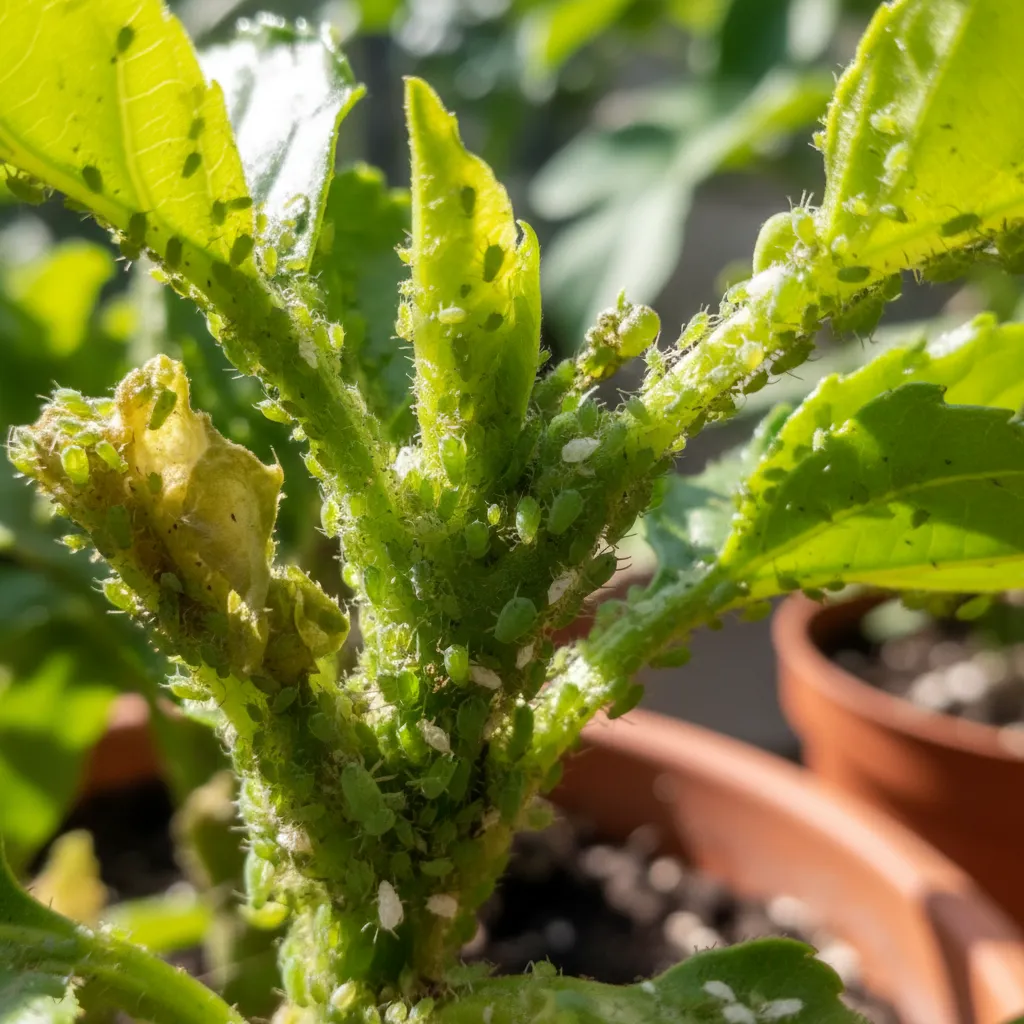
- ✓Pest and Disease Management — Sisal is relatively resistant to pests and diseases, but vigilance for common agave pests like agave snout weevils and fungal leaf spots is important.
Reviewed by the Flora Medical Global Botanical Review Panel
Multi-disciplinary editorial group · Botany · Ethnobotany · Herbal-medicine literature
Who reviewed this: This page was checked by the Flora Medical Global Botanical Review Panel — an in-house editorial group of botany graduates, ethnobotany researchers, and horticulture practitioners who collectively maintain our 7,000+ plant encyclopedia. Meet the team.
Our 4-step verification process
1. Taxonomic verification
Scientific names and synonyms cross-checked against Kew POWO, World Flora Online, and The Plant List.
2. Phytochemical & medicinal cross-reference
Active compounds, traditional uses, and reported activities are cross-referenced with PubMed, USDA Dr. Duke's database, and peer-reviewed ethnobotanical literature.
3. Conservation & distribution check
Distribution, ecology, and conservation status confirmed against GBIF occurrence records and the IUCN Red List.
4. Editorial & safety review
Every entry passes an editorial pass for clarity, originality, and safety notices (toxicity, contraindications, dosage caveats) before publication.
Last reviewed:
Important medical disclaimer: This content is for educational and research purposes only. It is not medical advice and is not a substitute for consultation with a licensed healthcare provider. Do not use any herb to self-treat a medical condition without professional guidance.
Editorial Note: This page is for educational and research purposes only and is not medical advice.
Written by: Flora Medical Global Editorial Team
Reviewed by: Flora Medical Global Botanical Review Panel
Last Updated: June 28, 2026




Sisal — Comments & Community Reviews
Rate this plant
No reviews yet. Be the first!