
Medical Disclaimer: This content is for educational purposes only. It is not medical advice. Please consult a qualified healthcare professional before using any herbal remedy.
Safety Overview
1.Skullcap — Botanical Snapshot

Skullcap, known scientifically as Scutellaria lateriflora, is a distinctive perennial herb indigenous to North America, belonging to the expansive mint family, Lamiaceae. This herbaceous plant typically attains a height of 1 to 3 feet (30-90 cm), characterized by its square, often purplish, branching stems—a hallmark feature of its botanical lineage. Its leaves are oppositely arranged, lanceolate to ovate in shape, with finely serrated margins and a vibrant, deep green hue, often displaying prominent venation.
The most striking morphological feature, which gives rise to its common name, are the small, helmet-shaped, bilabiate flowers, typically blue-purple, though occasionally pinkish, that emerge in late summer. These unique flowers are not borne at the apex of the stem but rather in one-sided racemes (lateriflora means 'flowering on the side') nestled in the leaf axils, presenting a distinctive and elegant appearance.
Scutellaria lateriflora thrives in specific ecological niches, preferring moist, rich, and well-drained soils. Its natural habitats include wetlands, marshy areas, damp meadows, and along the banks of streams and rivers across a vast geographical expanse. Its distribution spans from the maritime provinces of Canada, westward to British Columbia, and southward throughout the eastern and central United States, reaching Florida and New Mexico.
This wide range underscores its adaptability to diverse temperate climates. The plant's root system is fibrous and somewhat rhizomatous, contributing to its perennial nature and resilience. Taxonomically, it is a member of the genus Scutellaria, which encompasses over 300 species globally, many of which are valued in traditional medicine for their shared rich flavonoid profiles.
The specific arrangement of its lateral flowers and the characteristic helmet-like calyx are crucial diagnostic features that distinguish S. lateriflora from its numerous relatives and potential botanical misidentifications.
Trusted Scientific References
Authoritative external sources for Scutellaria lateriflora:
1.1.Skullcap — Notable Characteristics
- ✓Botanical Name — Scutellaria lateriflora.
- ✓Common Names — Skullcap, American Skullcap, Mad-dog Skullcap.
- ✓Plant Family — Lamiaceae (Mint Family).
- ✓Native Region — North America.
- ✓Key Constituents — Flavonoids (Baicalin, Scutellarin), Phenolic acids.
- ✓Primary Actions — Anxiolytic, Sedative, Nervine Tonic, Antispasmodic.
- ✓Growth Habit — Perennial herb, typically 1-3 feet tall.
- ✓Flower Characteristic — Helmet-shaped, blue-purple, arranged in lateral racemes.
- ✓Habitat — Moist soils, wetlands, stream banks.
- ✓Traditional Use — Nervous system support, anxiety, insomnia.
1.2.Skullcap — Quick Summary
- ✓Native North American nervine herb.
- ✓Renowned for anxiolytic and sedative properties.
- ✓Rich in beneficial flavonoids like baicalin.
- ✓Traditionally used for nervous tension and sleep support.
- ✓Caution with sedatives, pregnancy, and lactation.
2.Skullcap — Scientific Identity
3.Skullcap — Categories & Tags
4.Skullcap — Physical Description
5.Skullcap — Folk Medicine Applications
6.Skullcap — Phytochemistry
- ✓Flavonoids — Key compounds include baicalin, baicalein, scutellarin, and wogonin, which are largely responsible for Skullcap's anxiolytic, anti-inflammatory, and antioxidant activities, often modulating GABAergic pathways.
- ✓Iridoids — Such as catalpol and harpagide, contribute to the plant's anti-inflammatory and analgesic effects, though typically present in lower concentrations than flavonoids.
- ✓Phenolic Acids — Including caffeic acid and rosmarinic acid, provide significant antioxidant and anti-inflammatory benefits, protecting cellular integrity and reducing oxidative stress.
- ✓Volatile Oils — Comprising various monoterpenes and sesquiterpenes, these contribute to the plant's subtle aroma and may offer mild calming or antispasmodic effects.
- ✓Tannins — Present in the plant, tannins confer astringent properties, which can be beneficial in certain traditional applications, though not primary to its nervine actions.
- ✓Amino Acids — Essential amino acids are present, contributing to the overall nutritive value and metabolic function of the plant, indirectly supporting human health.
- ✓Minerals — Scutellaria lateriflora contains various essential minerals such as calcium, magnesium, and potassium, which are vital for nerve function and overall physiological balance.
- ✓Polysaccharides — These complex carbohydrates may contribute to immune-modulating effects, supporting the body's natural defense mechanisms.
- ✓Sterols — Plant sterols are present and may offer additional health benefits, including potential anti-inflammatory or cholesterol-modulating properties.
7.Skullcap — Pharmacological Findings
- ✓Anxiolytic Effects — Skullcap is widely revered for its profound ability to mitigate anxiety and nervous tension by modulating gamma-aminobutyric acid (GABA) receptors, thereby enhancing the calming effects of this inhibitory neurotransmitter in the brain.
- ✓Sedative Properties — It acts as a gentle yet effective sedative, promoting deep relaxation and facilitating the onset of restful sleep without typically inducing significant next-day drowsiness or a 'hangover' effect.
- ✓Anti-inflammatory Action — The plant's rich array of flavonoids, particularly baicalin and baicalein, contributes significantly to its anti-inflammatory capabilities, helping to reduce systemic inflammation and discomfort.
- ✓Nervine Tonic — Scutellaria lateriflora functions as a restorative nervine tonic, nourishing and strengthening the nervous system, which can alleviate symptoms of irritability, nervous exhaustion, and overstimulation.
- ✓Antispasmodic Effects — Its constituents possess antispasmodic properties that help relax smooth muscles, making it beneficial for easing nervous spasms, muscle tension, and cramps.
- ✓Anticonvulsant Potential — Traditionally, Skullcap was employed for conditions involving nervous excitement, including mild seizure activity, with modern research exploring its potential neuroprotective and anticonvulsant mechanisms.
- ✓Antioxidant Properties — The high concentration of phenolic compounds and flavonoids provides potent antioxidant activity, protecting cells from oxidative stress and damage caused by free radicals.
- ✓Mood Regulation — Beyond anxiety, Skullcap may offer support for mood balance, potentially alleviating symptoms of mild depression and promoting a sense of well-being through its calming and restorative actions.
- ✓Pain Relief — It exhibits mild analgesic properties, particularly effective for tension headaches, nerve pain, and discomfort associated with nervous system overactivity or muscle spasms.
- ✓Cognitive Support — By calming the nervous system and reducing mental chatter, Skullcap can indirectly support improved focus and cognitive clarity, especially when stress or anxiety impairs concentration.
- ✓Cardiovascular Support — Emerging research suggests potential for mild hypotensive effects and general cardiovascular support, possibly by reducing stress-induced heart rate fluctuations and promoting vascular relaxation.
- ✓Adaptogenic Tendencies — While not a classic adaptogen, its ability to help the body adapt to stress and restore nervous system balance gives it mild adaptogenic qualities, enhancing resilience.
7.1.Skullcap — Conditions Traditionally Used For
8.Skullcap — Cautions & Contraindications
8.1.Skullcap — Side Effects & Warnings
- ✓Drowsiness/Sedation — May cause excessive drowsiness or sedation, particularly at higher doses or when combined with other central nervous system depressants.
- ✓Gastrointestinal Upset — Some individuals may experience mild stomach discomfort, nausea, or diarrhea, especially with initial use or high doses.
- ✓Liver Concerns — While true Scutellaria lateriflora is not hepatotoxic, historical confusion with adulterants like Germander (Teucrium canadense) led to liver toxicity reports; ensure product authenticity.
- ✓Allergic Reactions — Rare allergic reactions, such as skin rash, itching, or hives, may occur in sensitive individuals.
- ✓Headache/Dizziness — Infrequent reports of headache or dizziness have been noted, typically associated with overconsumption.
- ✓Potentiation of Sedatives — Skullcap can enhance the effects of pharmaceutical sedatives, anxiolytics, and alcohol, potentially leading to excessive sedation.
- ✓Paradoxical Excitation — In very rare cases, some individuals might experience increased agitation or restlessness instead of calming effects.
8.2.Skullcap — Risk Assessment
- ✓Pregnancy and Lactation — Avoid use during pregnancy and breastfeeding due to insufficient research regarding its safety for the fetus or infant.
- ✓Children — Use in children should only be under the guidance of a qualified healthcare practitioner, with significantly reduced dosages.
- ✓Driving/Operating Machinery — Exercise caution if taking Skullcap, especially initially, as it may cause drowsiness and impair the ability to drive or operate heavy machinery safely.
- ✓Drug Interactions — Consult a healthcare professional if taking prescription medications, particularly sedatives, anxiolytics, anticonvulsants, or hypnotics, due to potential additive effects.
- ✓Pre-existing Conditions — Individuals with liver disease, severe depression, or other neurological conditions should use Skullcap with extreme caution and medical supervision.
- ✓Authenticity — Always ensure that Skullcap products are verified as Scutellaria lateriflora to avoid potential adulteration with other species that may pose health risks.
- ✓Dosage Adherence — Strictly follow recommended dosages from reputable sources or healthcare providers to minimize the risk of adverse effects.
9.Skullcap — Preparation Methods
- ✓Herbal Tea/Infusion — Prepare by steeping 1-2 teaspoons of dried Skullcap aerial parts in 8 ounces of hot water for 10-15 minutes; consume up to 3 times daily for nervous tension.
- ✓Tincture — A concentrated alcohol extract, typically taken in doses of 1-4 ml (20-80 drops) up to three times daily, diluted in water, for acute or chronic anxiety.
- ✓Capsules/Tablets — Standardized extracts or powdered herb are available in capsule form, providing a convenient and precise dosage for consistent use.
- ✓Fluid Extracts — More concentrated than tinctures, fluid extracts are taken in smaller doses, typically 0.5-1 ml, offering potent nervine support.
- ✓Glycerites — A non-alcoholic extract using vegetable glycerin, suitable for individuals avoiding alcohol or for children, often used for mild restlessness.
- ✓Poultices — Historically, fresh or dried herb steeped in hot water could be applied externally as a poultice for localized muscle spasms or nerve pain.
- ✓Topical Oils/Salves — Infused oil made from Skullcap can be massaged into tense muscles or the temples for headache relief and relaxation.
10.Skullcap — Garden Cultivation
- ✓Site Selection — Choose a location with partial shade to full sun and consistently moist, well-drained soil; ideal for woodland edges or near water sources.
- ✓Soil Preparation — Amend heavy soils with organic matter like compost to improve drainage and fertility, aiming for a slightly acidic to neutral pH (6.0-7.0).
- ✓Propagation — Skullcap can be propagated from seeds sown directly in late fall or early spring, or more easily from root divisions in spring or fall.
- ✓Planting — Space individual plants 12-18 inches (30-45 cm) apart to allow for mature growth and good air circulation.
- ✓Watering — Maintain consistent soil moisture, especially during dry periods; Skullcap prefers perpetually damp conditions but not waterlogged soil.
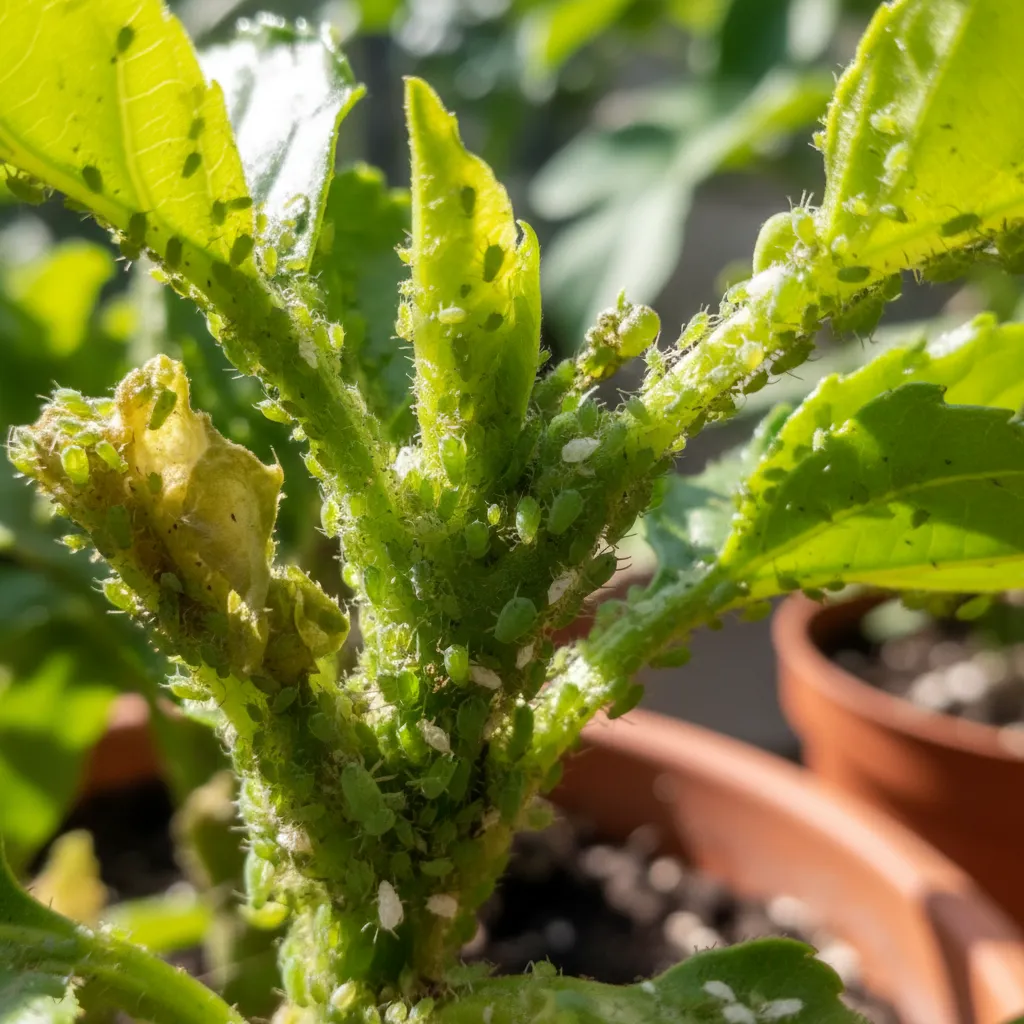
- ✓Pest and Disease Management — Generally resilient, but monitor for common garden pests like aphids or slugs; ensure good air circulation to prevent fungal issues.
- ✓Harvesting — Harvest the aerial parts (leaves, stems, flowers) when the plant is in full bloom, typically in late summer, for optimal medicinal potency.
- ✓Drying — Dry harvested material by hanging small bundles in a cool, dark, well-ventilated area to preserve active constituents and prevent mold.
Reviewed by the Flora Medical Global Botanical Review Panel
Multi-disciplinary editorial group · Botany · Ethnobotany · Herbal-medicine literature
Who reviewed this: This page was checked by the Flora Medical Global Botanical Review Panel — an in-house editorial group of botany graduates, ethnobotany researchers, and horticulture practitioners who collectively maintain our 7,000+ plant encyclopedia. Meet the team.
Our 4-step verification process
1. Taxonomic verification
Scientific names and synonyms cross-checked against Kew POWO, World Flora Online, and The Plant List.
2. Phytochemical & medicinal cross-reference
Active compounds, traditional uses, and reported activities are cross-referenced with PubMed, USDA Dr. Duke's database, and peer-reviewed ethnobotanical literature.
3. Conservation & distribution check
Distribution, ecology, and conservation status confirmed against GBIF occurrence records and the IUCN Red List.
4. Editorial & safety review
Every entry passes an editorial pass for clarity, originality, and safety notices (toxicity, contraindications, dosage caveats) before publication.
Last reviewed:
Important medical disclaimer: This content is for educational and research purposes only. It is not medical advice and is not a substitute for consultation with a licensed healthcare provider. Do not use any herb to self-treat a medical condition without professional guidance.
Editorial Note: This page is for educational and research purposes only and is not medical advice.
Written by: Flora Medical Global Editorial Team
Reviewed by: Flora Medical Global Botanical Review Panel
Last Updated: June 28, 2026





Skullcap — Comments & Community Reviews
Rate this plant
No reviews yet. Be the first!