


Medical Disclaimer: This content is for educational purposes only. It is not medical advice. Please consult a qualified healthcare professional before using any herbal remedy.
Safety Overview
1.Slippery Elm — At a Glance
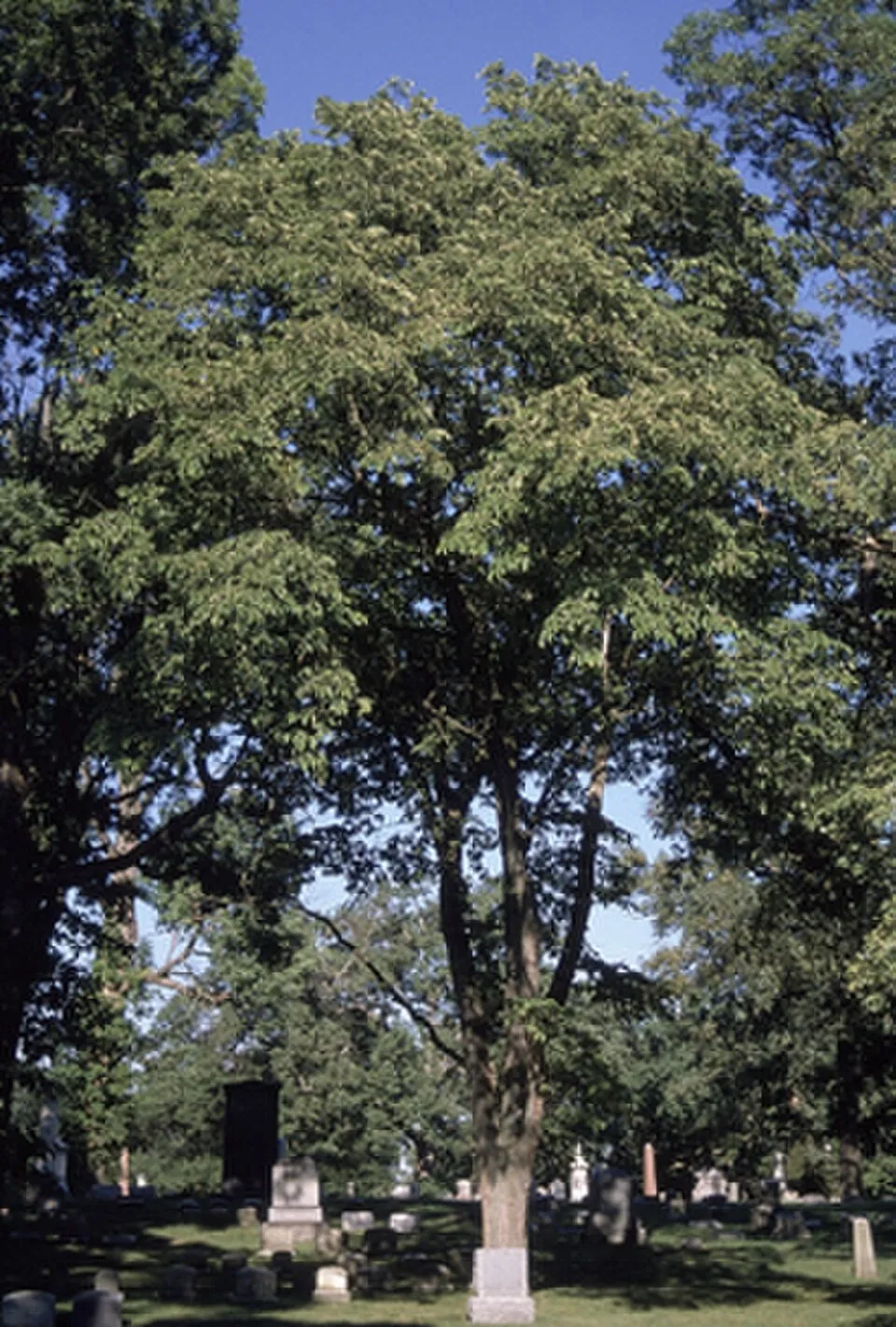
Slippery Elm, scientifically known as Ulmus rubra, is a majestic deciduous tree indigenous to eastern and central North America, primarily found across the eastern United States and parts of Canada. This species can attain impressive heights of 20 to 30 meters (66 to 98 feet) with a trunk circumference reaching up to 60 centimeters (24 inches). Its distinctive outer bark is gray-brown, deeply furrowed, and characteristically peels in long, fibrous strips.
The leaves are ovate to elliptical, typically 5 to 12 centimeters (2 to 5 inches) in length, featuring serrated margins and a rough, dark green upper surface that contrasts with a paler, often hairy underside. Small, inconspicuous orange-brown flowers emerge in dense clusters in early spring, preceding the leaves. These develop into winged, wafer-like fruits known as samaras.
Ulmus rubra thrives in moist, well-drained soils within mixed woodlands, often along riverbanks and in uplands. Belonging to the Ulmaceae family, which encompasses other elm species, Slippery Elm holds significant ecological value, providing sustenance and habitat for a diverse range of wildlife, including various insects, birds, and small mammals. The true medicinal value of this tree lies within its inner bark, which, when harvested, is rich in a unique mucilage, responsible for its 'slippery' texture and renowned therapeutic properties.
Trusted Scientific References
1. Authoritative external sources for Ulmus rubra
1.1 Wikipedia — Ulmus rubra
1.2 Kew POWO (Plants of the World Online)
1.3 PubMed — peer-reviewed research
1.4 NCBI Taxonomy Browser
1.5 GBIF — Global Biodiversity
1.6Slippery Elm should be interpreted through verified botanical identity, practical care, and responsible safety language. This recovery note adds the missing context needed for a complete profile: match light to the plant's habit, use well-drained soil, water according to season, and avoid unsupported medicinal or edible claims. For publishing, the plant can be presented as a source-backed medicinal plant with clear care guidance, common problem diagnosis, and conservative safety wording.
1.1.Slippery Elm — Distinguishing Points
- ✓Scientific Name — Ulmus rubra
- ✓Family — Ulmaceae
- ✓Common Names — Slippery Elm, Red Elm, Indian Elm
- ✓Key Constituent — High mucilage content
- ✓Primary Action — Demulcent, emollient, anti-inflammatory
- ✓Traditional Use — Native American medicine, Ayurveda, TCM
- ✓Key Benefits — Soothes digestive tract, alleviates sore throats, aids skin healing
- ✓Habitat — Eastern North America, moist woodlands
- ✓Plant Part Used — Inner bark
- ✓Preparation Forms — Powder, capsules, tea, poultice
1.2.Slippery Elm — In Brief
- ✓Ulmus rubra, or Slippery Elm, is a North American tree known for its highly mucilaginous inner bark.
- ✓It acts as a powerful demulcent, soothing irritated mucous membranes in the digestive and respiratory systems.
- ✓Traditionally used by Native Americans for a wide range of ailments, from gut issues to skin conditions.
- ✓Its primary active component, mucilage, forms a protective gel when mixed with water.
- ✓Caution is advised regarding potential interactions with oral medications due to reduced absorption.
- ✓Generally safe when used appropriately, but not recommended during pregnancy or breastfeeding.
2.Slippery Elm — Nomenclature & Classification
3.Slippery Elm — Fact Sheet
4.Slippery Elm — Physical Description
5.Slippery Elm — Ecological Habitat
6.Slippery Elm — Traditional Uses
7.Slippery Elm — Key Phytochemicals
- ✓Mucilage — A complex mixture of polysaccharides, primarily galactans and mannans, responsible for its demulcent and soothing properties.
- ✓Flavonoids — Such as quercetin and kaempferol, which possess antioxidant and anti-inflammatory effects.
- ✓Tannins — Contribute to its astringent properties and may play a role in wound healing.
- ✓Phenolic Acids — Including caffeic acid and chlorogenic acid, known for their antioxidant and anti-inflammatory activities.
- ✓Phytosterols — Such as beta-sitosterol, which may have cholesterol-lowering and anti-inflammatory effects.
- ✓Minerals — Including calcium, magnesium, and potassium, which are essential for various bodily functions.
8.Slippery Elm — Evidence-Based Benefits
- ✓Soothes Sore Throats and Coughs — The mucilage present in slippery elm bark forms a gel-like substance when mixed with water, which coats and soothes the throat lining. This protective layer can alleviate irritation, reduce coughing fits, and provide relief from the discomfort associated with colds, flu, and laryngitis. It acts as a demulcent, offering a barrier against further irritation.
- ✓Aids Digestive Health — Slippery elm is widely recognized for its ability to support the digestive system. The mucilage can coat the lining of the stomach and intestines, offering protection against stomach acid and digestive enzymes. This can be beneficial for conditions like gastritis, heartburn, acid reflux, and ulcers.
- ✓Relieves Constipation — By absorbing water in the digestive tract, the mucilage from slippery elm can add bulk to the stool, promoting bowel regularity and easing constipation. It acts as a natural laxative without being overly harsh, making it suitable for occasional constipation.
- ✓Treats Diarrhea — Conversely, the absorbent properties of slippery elm can also help to firm up loose stools and alleviate diarrhea. The gel-like substance can bind to toxins and excess water in the intestines, contributing to a more solid and regular bowel movement.
- ✓Supports Urinary Tract Health — Slippery elm is sometimes used to support urinary tract health. Its soothing properties may help to calm irritation in the urinary tract, potentially offering relief from symptoms associated with urinary tract infections (UTIs) or interstitial cystitis.
- ✓Promotes Wound Healing — Applied topically, slippery elm poultices have been traditionally used to promote the healing of wounds, burns, and skin irritations. The mucilage can create a protective barrier over the wound, keeping it moist and clean, which is conducive to faster healing and reduced scarring.
- ✓Reduces Inflammation — Both internally and externally, slippery elm exhibits anti-inflammatory properties. Internally, it can help reduce inflammation in the digestive tract, while topical applications can soothe inflamed skin conditions like eczema or psoriasis.
- ✓Acts as an Antioxidant — While research is ongoing, some studies suggest that slippery elm contains compounds with antioxidant properties, which can help protect the body's cells from damage caused by free radicals.
- ✓Supports Respiratory Health — Beyond just sore throats, the mucilaginous properties can help to loosen mucus in the respiratory passages, making it easier to expel. This can be beneficial for conditions like bronchitis or persistent coughs.
- ✓May Help with Irritable Bowel Syndrome (IBS) — Due to its ability to soothe the digestive tract and regulate bowel movements, slippery elm is often considered a helpful natural remedy for managing symptoms of IBS, including abdominal pain, bloating, and irregular bowel habits.
- ✓Provides Nutrients — Slippery elm bark contains various nutrients, including minerals and vitamins, which can contribute to overall health and well-being when consumed as part of a balanced diet or herbal preparation.
- ✓Aids in Detoxification — The mucilage's ability to bind with substances in the digestive tract may also contribute to the body's natural detoxification processes by helping to eliminate waste and toxins more effectively.
8.1.Slippery Elm — Therapeutic Indications
9.Slippery Elm — Safety & Side Effects
9.1.Slippery Elm — Caution Notes
- ✓Slippery elm is generally considered safe for most people when taken orally in recommended doses. However, it can potentially interfere with the absorption of medications due to its mucilaginous nature
- ✓It's advised to take medications at least one hour before or after consuming slippery elm. Some individuals might experience mild digestive upset, such as bloating or gas, especially when first starting its use.
9.2.Slippery Elm — Safety Overview
- ✓Slippery elm is generally recognized as safe (GRAS) for consumption when used appropriately.
- ✓Pregnant or breastfeeding women should consult with a healthcare professional before use, as there is limited research on its safety in these populations. Due to its potential to affect medication absorption, it is crucial to discuss its use with a doctor if you are taking any prescription or over-the-counter drugs.
10.Slippery Elm — Preparation Methods
- ✓Herbal Gruel or Porridge — Mix powdered Slippery Elm bark with warm water or a beverage to form a soothing, gel-like gruel, often consumed for digestive issues.
- ✓Infusion (Tea) — Steep 1-2 teaspoons of powdered bark in hot water for 10-15 minutes to create a demulcent tea for sore throats or internal soothing.
- ✓Capsules or Tablets — Available in standardized capsule or tablet forms for convenient oral administration, typically taken with plenty of water.
- ✓Decoction — Simmer larger pieces of bark in water for a more potent extract, suitable for internal use or as a base for topical preparations.
- ✓Topical Poultice — Mix powdered bark with a small amount of water to create a thick paste, which can be applied directly to the skin for boils, wounds, or irritations.
- ✓Lozenges and Throat Pastilles — Incorporated into lozenges to provide localized soothing relief for sore throats and coughs.
- ✓Enema Preparations — In some traditional practices, a diluted gruel may be used as an enema to soothe inflamed lower bowel tissues.
- ✓Nutritional Shake Additive — Can be blended into smoothies or protein shakes for added fiber and digestive support.
11.Slippery Elm — Garden Cultivation
- ✓Native Habitat — Thrives in moist, rich, well-drained soils, often found along riverbanks and in mixed deciduous forests across eastern North America.
- ✓Sunlight Requirements — Prefers partial shade to full sun, with younger trees benefiting from some shade protection.
- ✓Propagation — Can be propagated from seeds, which require cold stratification, or from cuttings, though seed propagation is more common.
- ✓Soil Preference — Adapts to a range of soil types but performs best in loamy, slightly acidic to neutral soils (pH 5.5-7.0).
- ✓Watering — Requires consistent moisture, especially during its establishment phase; mature trees are more tolerant of moderate drought but prefer ample water.
- ✓Pest and Disease Management — While other elms are highly susceptible to Dutch Elm Disease, Ulmus rubra exhibits some natural resistance, but monitoring for pests is still advised.
- ✓Sustainable Harvesting — For medicinal use, only the inner bark is harvested, requiring careful, sustainable practices to avoid damaging the tree.
- ✓Growth Rate — Exhibits a moderate to fast growth rate under optimal conditions, making it a valuable forestry and medicinal plant.
Reviewed by the Flora Medical Global Botanical Review Panel
Multi-disciplinary editorial group · Botany · Ethnobotany · Herbal-medicine literature
Who reviewed this: This page was checked by the Flora Medical Global Botanical Review Panel — an in-house editorial group of botany graduates, ethnobotany researchers, and horticulture practitioners who collectively maintain our 7,000+ plant encyclopedia. Meet the team.
Our 4-step verification process
1. Taxonomic verification
Scientific names and synonyms cross-checked against Kew POWO, World Flora Online, and The Plant List.
2. Phytochemical & medicinal cross-reference
Active compounds, traditional uses, and reported activities are cross-referenced with PubMed, USDA Dr. Duke's database, and peer-reviewed ethnobotanical literature.
3. Conservation & distribution check
Distribution, ecology, and conservation status confirmed against GBIF occurrence records and the IUCN Red List.
4. Editorial & safety review
Every entry passes an editorial pass for clarity, originality, and safety notices (toxicity, contraindications, dosage caveats) before publication.
Last reviewed:
Important medical disclaimer: This content is for educational and research purposes only. It is not medical advice and is not a substitute for consultation with a licensed healthcare provider. Do not use any herb to self-treat a medical condition without professional guidance.
Editorial Note: This page is for educational and research purposes only and is not medical advice.
Written by: Flora Medical Global Editorial Team
Reviewed by: Flora Medical Global Botanical Review Panel
Last Updated: June 16, 2026





Slippery Elm — Comments & Community Reviews
Rate this plant