
Medical Disclaimer: This content is for educational purposes only. It is not medical advice. Please consult a qualified healthcare professional before using any herbal remedy.
Safety Overview
1.Solomon Seal — Overview
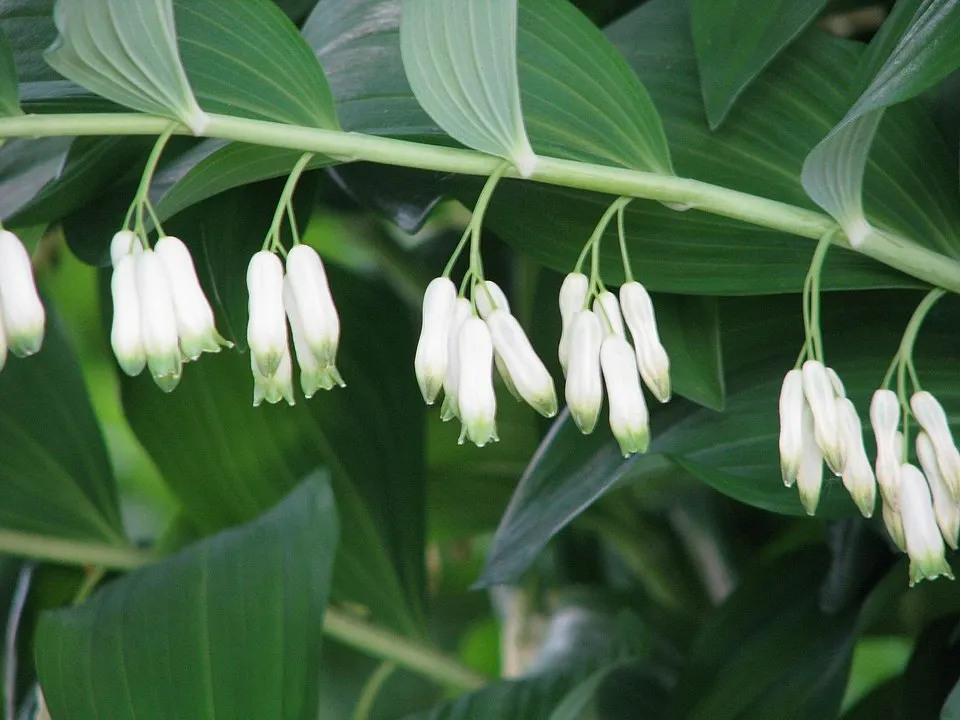
Solomon Seal, scientifically known as Polygonatum multiflorum, is an elegant perennial herb belonging to the Asparagaceae family. Native to the woodlands and shady areas across the Northern Hemisphere, particularly Europe and Asia, this plant is characterized by its arching stems that bear pairs of ovate-lanceolate leaves. The leaves are typically arranged alternately along the stem, giving it a distinctive, graceful appearance. Small, bell-shaped, greenish-white flowers dangle in clusters of two to five from the leaf axils in late spring to early summer, eventually developing into dark blue to black berries.
The most distinguishing feature, and the origin of its common name, is its thick, knotty rhizome. When old stems die back, they leave circular, seal-like scars on the rhizome, resembling the mythical Seal of Solomon. This subterranean structure is the primary medicinal part of the plant, rich in bioactive compounds. Polygonatum multiflorum thrives in moist, well-drained soil, often found in deciduous forests, on forest edges, and in hedgerows, preferring partial to full shade.
Its subtle beauty and historical medicinal significance make it a cherished plant in both gardens and traditional pharmacopeias. The plant's morphology, from its characteristic rhizome to its delicate flowers, is crucial for its identification and appreciation.
Trusted Scientific References
1. Authoritative external sources for Polygonatum multiflorum
1.1 Wikipedia — Polygonatum multiflorum
1.2 Kew POWO (Plants of the World Online)
1.3 PubMed — peer-reviewed research
1.4 NCBI Taxonomy Browser
1.5 GBIF — Global Biodiversity
1.6Solomon Seal should be interpreted through verified botanical identity, practical care, and responsible safety language. This recovery note adds the missing context needed for a complete profile: match light to the plant's habit, use well-drained soil, water according to season, and avoid unsupported medicinal or edible claims. For publishing, the plant can be presented as a source-backed medicinal plant with clear care guidance, common problem diagnosis, and conservative safety wording.
1.1.Solomon Seal — Standout Qualities
- ✓Distinctive Rhizome Scars — The 'seal' marks on its rhizome are a unique identifying feature and the source of its common name.
- ✓Adaptogenic Potential — Traditionally revered for its ability to help the body adapt to stress and support overall vitality.
- ✓Broad Traditional Use — Valued across various ancient healing systems for its versatility in addressing musculoskeletal, respiratory, and digestive complaints.
- ✓Rich Phytochemical Profile — Contains a complex array of bioactive compounds, including saponins, flavonoids, and polysaccharides.
- ✓Shade — Loving Woodland Plant — An ideal choice for shaded garden areas, thriving in conditions unsuitable for many other medicinal herbs.
- ✓Demulcent Properties — Known for its soothing, mucilaginous qualities beneficial for irritated tissues, particularly in the digestive and respiratory tracts.
- ✓Anti — inflammatory Action — Modern research supports its traditional use in reducing inflammation, particularly in joints and connective tissues.
- ✓Immune Support — Contains compounds that can modulate and support the body's immune system.
- ✓Perennial Herb — A long-lived plant that returns year after year, offering sustainable harvesting options.
- ✓Ethnobotanical Significance — Deeply rooted in folklore and historical herbal remedies across the Northern Hemisphere.
1.2.Solomon Seal — Snapshot Summary
- ✓Traditional powerhouse for joint and connective tissue health.
- ✓Rich in saponins, flavonoids, and polysaccharides with anti-inflammatory potential.
- ✓Used in Ayurveda, TCM, and Western herbalism for diverse applications.
- ✓Requires careful consideration for individuals with diabetes due to blood sugar effects.
- ✓Not recommended during pregnancy, breastfeeding, or prior to surgery.
- ✓Thrives in shady, well-drained woodland environments.
2.Solomon Seal — Systematic Position
3.Solomon Seal — Botanical Stats
4.Solomon Seal — Plant Morphology
5.Solomon Seal — Habitat & Distribution
6.Solomon Seal — Historical Applications
7.Solomon Seal — Secondary Metabolites
- ✓Steroidal Saponins — Key compounds like polygonatoside A, polyfuroside, and diosgenin derivatives are responsible for many of Solomon Seal's anti-inflammatory, adaptogenic, and immunomodulatory effects.
- ✓Flavonoids — Quercetin, kaempferol, and their glycosides are potent antioxidants, contributing to free radical scavenging and offering protective cellular benefits.
- ✓Polysaccharides — Including beta-glucans and fructans, these compounds are known for their immunomodulatory and prebiotic properties, supporting gut health and immune function.
- ✓Alkaloids — Such as solasodine, which, while present in smaller quantities, may contribute to some of the plant's pharmacological actions, though more research is needed.
- ✓Anthraquinones — These compounds can have laxative effects and contribute to the plant's overall digestive support properties.
- ✓Glycosides — Various cardiac glycosides and other sugar-bound compounds contribute to the plant's complex pharmacology and traditional uses.
- ✓Phenolic Acids — Including caffeic acid and ferulic acid, these possess antioxidant and anti-inflammatory activities, augmenting the plant's therapeutic profile.
- ✓Amino Acids — Essential and non-essential amino acids are present, contributing to the plant's nutritional value and overall biological activity.
- ✓Minerals — The rhizome contains various essential minerals, which support metabolic processes and overall physiological health.
8.Solomon Seal — Research Insights
- ✓Joint and Connective Tissue Support — Traditionally revered for its demulcent and anti-inflammatory properties, Solomon Seal is used to soothe irritated or inflamed joints, tendons, and ligaments, promoting flexibility and comfort.
- ✓Anti-inflammatory Action — The presence of saponins and flavonoids contributes to its traditional use in reducing systemic inflammation, a factor in various chronic conditions.
- ✓Immune System Modulation — Polysaccharides like beta-glucans, alongside other phytochemicals, are believed to support and modulate immune responses, enhancing the body's natural defense mechanisms.
- ✓Digestive Health Promotion — Historically used to alleviate stomach complaints and promote healthy digestion, its demulcent properties can soothe the gastrointestinal tract.
- ✓Respiratory System Relief — In traditional medicine, Solomon Seal has been applied to address various lung disorders, providing a soothing effect on respiratory passages.
- ✓Skin Condition Management — Topically, the plant has been used for bruises, boils, hemorrhoids, and general skin irritation due to its potential to reduce swelling and aid tissue regeneration.
- ✓Wound Healing Enhancement — Its astringent qualities, combined with anti-inflammatory effects, traditionally supported the healing of minor wounds and skin lesions.
- ✓Musculoskeletal Pain Relief — Often employed in Western herbalism for sprains, strains, and general muscle soreness, helping to restore balance and reduce discomfort.
- ✓Blood Sugar Regulation — Preliminary research suggests Polygonatum multiflorum may help in decreasing blood sugar levels, warranting careful consideration for individuals with diabetes.
- ✓General Wellness Enhancement — Through its diverse phytochemical profile, Solomon Seal contributes to overall vitality and well-being, supporting various bodily functions.
8.1.Solomon Seal — Health Applications
9.Solomon Seal — Adverse Effects
9.1.Solomon Seal — Warnings
- ✓Gastrointestinal Upset — Oral consumption, especially in large doses or over prolonged periods, may lead to diarrhea, stomach discomfort, and nausea.
- ✓Blood Sugar Fluctuations — Due to its potential to lower blood sugar, individuals with diabetes must monitor their levels closely, as it may interact with antidiabetic medications.
- ✓Allergic Reactions — As with any plant material, sensitive individuals may experience allergic responses, including skin rashes or respiratory symptoms.
- ✓Hypotension Risk — There is a theoretical concern that it might contribute to lower blood pressure, especially in combination with hypotensive drugs.
- ✓Unknown Topical Effects — While traditionally used topically, reliable information on its safety and potential side effects when applied to the skin is limited.
- ✓Drug Interactions — Potential for moderate interaction with blood-sugar-lowering medications, including insulin and oral antidiabetic drugs.
9.2.Solomon Seal — Safety Profile
- ✓Pregnancy and Breastfeeding — Avoid use during pregnancy and breastfeeding due to insufficient reliable information regarding its safety in these conditions.
- ✓Diabetes Management — Individuals with diabetes should exercise extreme caution and consult a healthcare professional, as Solomon Seal may lower blood sugar levels and interfere with medication.
- ✓Surgical Procedures — Discontinue use at least two weeks prior to any scheduled surgery, as it may interfere with blood sugar control during and after the procedure.
- ✓Dosage Adherence — Always follow recommended dosages from a qualified herbalist or product label, avoiding large or prolonged use without professional guidance.
- ✓Professional Consultation — It is strongly advised to consult with a healthcare provider or a qualified medical herbalist before incorporating Solomon Seal into any health regimen.
- ✓Identification Accuracy — Ensure correct plant identification, as some look-alike species may be toxic or lack medicinal properties.
- ✓Children and Infants — Due to limited safety data, Solomon Seal is generally not recommended for use in children or infants.
10.Solomon Seal — Preparation & Dosage
- ✓Decoction for Internal Use — Prepare a decoction by simmering dried Solomon Seal rhizome slices in water for 20-30 minutes, commonly used for joint support and respiratory issues.
- ✓Tincture Preparation — Macerate fresh or dried rhizomes in alcohol (e.g., 40-60% ethanol) for several weeks to create a potent extract, used internally for systemic effects.
- ✓Poultice Application — Crush fresh rhizomes or rehydrate dried ones to form a paste, applied topically to bruises, sprains, or skin irritations for localized relief.
- ✓Infused Oil or Salve — Slowly infuse dried rhizomes in a carrier oil (like olive or almond oil) over low heat, then strain and use as a massage oil or incorporate into a salve for musculoskeletal discomfort.
- ✓Tea from Dried Leaves/Flowers — While less common than rhizome preparations, dried leaves or flowers can be steeped to make a mild tea, though their medicinal potency is lower.
- ✓External Wash for Skin Conditions — A strong decoction can be cooled and used as a wash for minor skin irritations, hemorrhoids, or to promote wound healing.
- ✓Culinary Use (Caution) — Young shoots are sometimes consumed as a vegetable in some cultures, but berries are toxic, and careful identification is crucial.
- ✓Glycerite Extraction — For those avoiding alcohol, a glycerine-based extract can be made, suitable for internal use, particularly for children or sensitive individuals.
11.Solomon Seal — Growth Requirements
- ✓Site Selection — Choose a location with partial to full shade, mimicking its natural woodland habitat, protected from harsh afternoon sun.
- ✓Soil Preparation — Ensure well-drained, humus-rich soil with a slightly acidic to neutral pH (6.0-7.0), amending with compost or leaf mold to improve fertility and drainage.
- ✓Propagation — Primarily propagated by division of the rhizomes in early spring or fall, ensuring each section has at least one bud; seeds can also be sown but take longer to germinate.
- ✓Planting Depth — Plant rhizome sections horizontally about 2-4 inches deep, ensuring the 'eye' or bud is facing upwards.
- ✓Watering — Maintain consistent moisture, especially during dry spells, but avoid waterlogging, which can lead to rhizome rot.
- ✓Fertilization — Light feeding with a balanced organic fertilizer in spring can promote vigorous growth, though rich soil often suffices.
- ✓Pest and Disease Management — Generally robust, but watch for slugs, snails, and occasional fungal issues in overly damp conditions; ensure good air circulation.
- ✓Harvesting — Rhizomes are typically harvested in the fall after the foliage has died back, allowing the plant to store maximum energy.
Reviewed by the Flora Medical Global Botanical Review Panel
Multi-disciplinary editorial group · Botany · Ethnobotany · Herbal-medicine literature
Who reviewed this: This page was checked by the Flora Medical Global Botanical Review Panel — an in-house editorial group of botany graduates, ethnobotany researchers, and horticulture practitioners who collectively maintain our 7,000+ plant encyclopedia. Meet the team.
Our 4-step verification process
1. Taxonomic verification
Scientific names and synonyms cross-checked against Kew POWO, World Flora Online, and The Plant List.
2. Phytochemical & medicinal cross-reference
Active compounds, traditional uses, and reported activities are cross-referenced with PubMed, USDA Dr. Duke's database, and peer-reviewed ethnobotanical literature.
3. Conservation & distribution check
Distribution, ecology, and conservation status confirmed against GBIF occurrence records and the IUCN Red List.
4. Editorial & safety review
Every entry passes an editorial pass for clarity, originality, and safety notices (toxicity, contraindications, dosage caveats) before publication.
Last reviewed:
Important medical disclaimer: This content is for educational and research purposes only. It is not medical advice and is not a substitute for consultation with a licensed healthcare provider. Do not use any herb to self-treat a medical condition without professional guidance.
Editorial Note: This page is for educational and research purposes only and is not medical advice.
Written by: Flora Medical Global Editorial Team
Reviewed by: Flora Medical Global Botanical Review Panel
Last Updated: June 16, 2026





Solomon Seal — Comments & Community Reviews
Rate this plant