
Medical Disclaimer: This content is for educational purposes only. It is not medical advice. Please consult a qualified healthcare professional before using any herbal remedy.
Safety Overview
1.Soursop — Botanical Snapshot
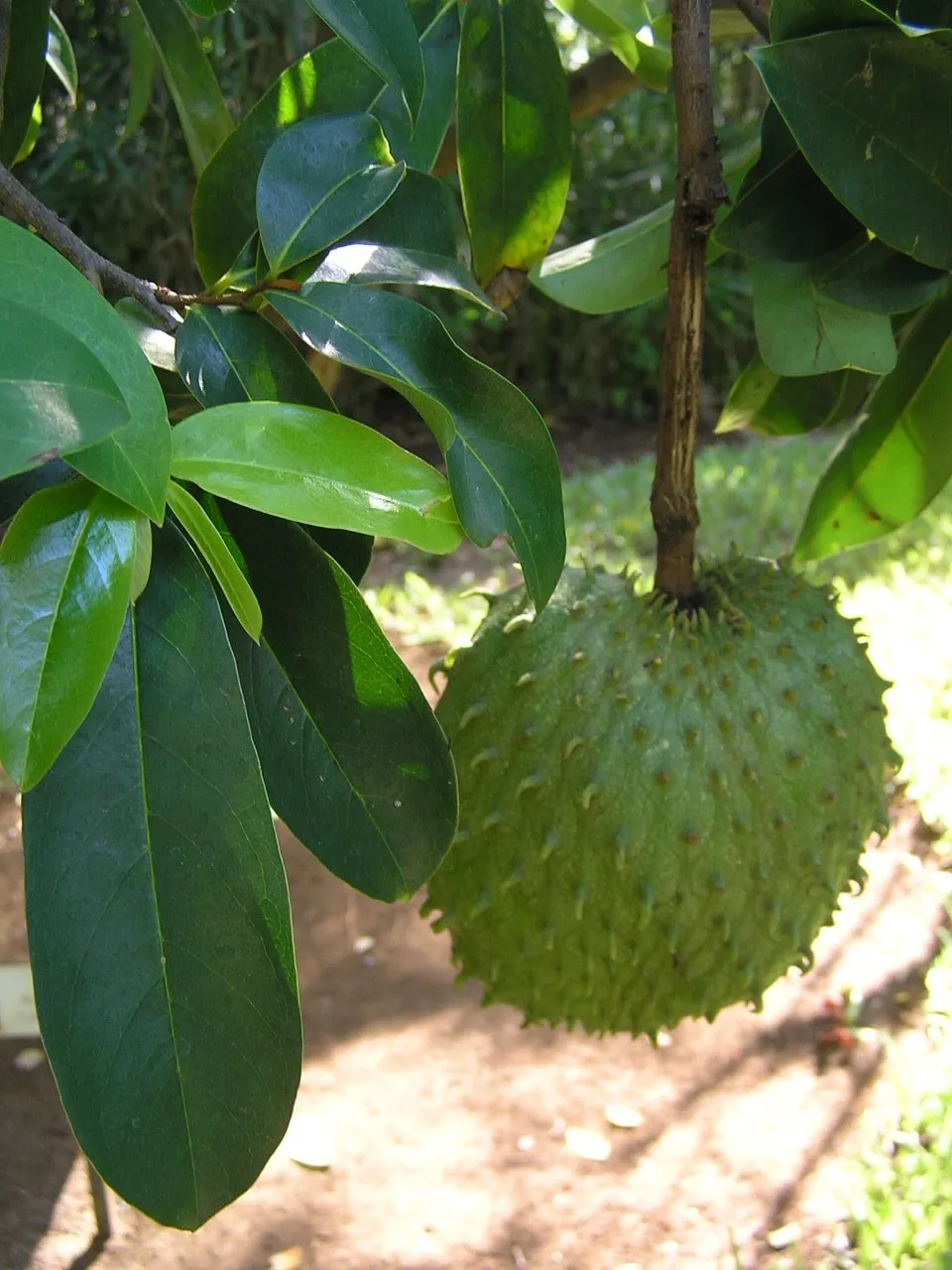
Annona muricata, universally known as soursop, graviola, or guanabana, is a compelling evergreen tree that typically ascends to heights of 5 to 9 meters (16 to 30 feet). Its foliage consists of broad, glossy dark-green leaves, measuring between 10 to 25 cm in length, which emit a distinct aroma when crushed. The tree is celebrated for its truly unique, large, spiny, heart-shaped fruit, which can astonishingly weigh from 2 to 7 kg (4.4 to 15.4 lbs) and boasts a creamy, fibrous, sweet-sour white pulp. Its yellowish-green flowers, often appearing solitary or in small clusters, possess a subtle fragrance crucial for attracting various pollinators. Soursop is indigenous to the humid, tropical regions of the Americas, particularly thriving across the Caribbean and parts of Central and South America.
Its cultivation has successfully expanded globally to diverse tropical zones including Southeast Asia, parts of Africa, and even specific warm microclimates in Southern Europe, demonstrating its remarkable adaptability. The tree flourishes in well-drained, fertile soils rich in organic matter, underpinned by consistent warmth and humidity. Historically, indigenous communities across its native range have deeply revered A. muricata, employing various parts—leaves, bark, roots, and seeds—in traditional remedies for ailments such as fever, pain, and parasitic infections. Its rich cultural footprint is also evident in local cuisines, where the fruit's distinct flavor is a staple in juices, smoothies, and desserts.
The burgeoning interest in soursop within modern herbal medicine is predominantly driven by the identification of powerful bioactive compounds, particularly Annonaceous acetogenins, which show promising health benefits in scientific investigations, notably in cancer research and antimicrobial activity. Despite this potential, significant caution is paramount due to concerns regarding neurotoxicity associated with certain plant parts, particularly the seeds and bark, which contain higher concentrations of annonacin. Ethnobotanical records provide a robust foundation for ongoing scientific inquiry, underscoring the critical need for rigorous clinical trials to validate traditional claims and establish safe, evidence-based dosages for therapeutic applications. Trusted Scientific References Authoritative external sources for Annona muricata : Wikipedia — Annona muricata Kew POWO (Plants of the World Online) PubMed — peer-reviewed research NCBI Taxonomy Browser GBIF ...[CURRENT TEXT EXISTS: 2522 chars]
1.1.Soursop — Highlights
- ✓Botanical Name — Annona muricata.
- ✓Family — Annonaceae.
- ✓Common Names — Soursop, Graviola, Guanabana.
- ✓Bioactive Compounds — Annonaceous acetogenins, alkaloids, flavonoids, phenolic acids.
- ✓Traditional Uses — Fever, pain, parasitic infections, anti-inflammatory, cancer support.
- ✓Key Benefits — Anti-cancer, antimicrobial, antioxidant, anti-inflammatory, hypotensive.
- ✓Caution — Neurotoxicity risk, especially from leaves, bark, and seeds due to annonacin content.
- ✓Edible Part — Sweet-sour, creamy fruit pulp.
- ✓Global Distribution — Native to tropical Americas, widely cultivated in tropical regions worldwide.
- ✓Research Focus — Oncology, infectious diseases, metabolic disorders, neuroprotection (complex context).
1.2.Soursop — In Brief
- ✓Tropical fruit tree known for its spiny, heart-shaped fruit and medicinally valued leaves.
- ✓Rich in Annonaceous acetogenins, flavonoids, and phenolic compounds with diverse bioactivities.
- ✓Traditionally used for anti-inflammatory, antimicrobial, and anti-cancer properties.
- ✓Fruit pulp is safe and nutritious; leaves, bark, and seeds are used medicinally but with caution.
- ✓Caution advised due to neurotoxicity risk from annonacin, particularly in non-fruit parts with prolonged use.
- ✓Extensive ongoing research explores its potential in cancer, diabetes, and infectious disease management.
2.Soursop — Scientific Identity
3.Soursop — Key Data
4.Soursop — Botanical Features
5.Soursop — Ecological Habitat
6.Soursop — Traditional Uses
7.Soursop — Phytochemistry
- ✓Annonaceous Acetogenins — A unique class of polyketides, including annonacin, annonaine, and muricatin, known for their potent cytotoxic and anti-tumor activities by inhibiting mitochondrial complex I.
- ✓Alkaloids — Comprising isoquinoline alkaloids like anonaine, reticuline, and anoniacin, these compounds contribute to various pharmacological effects, though some are linked to neurotoxicity.
- ✓Flavonoids — Such as quercetin, rutin, and kaempferol, which are powerful antioxidants and anti-inflammatory agents, protecting cells from oxidative damage.
- ✓Phenolic Compounds — Including gallic acid, caffeic acid, and epicatechin, these contribute significantly to the plant's antioxidant, antimicrobial, and anti-inflammatory properties.
- ✓Terpenoids — Volatile compounds like alpha- and beta-pinene, and limonene, found in essential oils, which provide characteristic aroma and possess antimicrobial and insecticidal activities.
- ✓Vitamins — Abundant in the fruit, particularly Vitamin C (ascorbic acid) which is a strong antioxidant and immune booster, and B vitamins (B1, B2) vital for metabolic processes.
- ✓Minerals — Rich in essential minerals such as potassium, magnesium, and phosphorus, crucial for electrolyte balance, bone health, and enzymatic functions.
- ✓Saponins — Glycosides with surfactant properties, potentially contributing to anti-inflammatory, hypolipidemic, and immune-stimulating effects.
- ✓Phytosterols — Plant sterols like beta-sitosterol, which can help lower cholesterol levels and possess anti-inflammatory properties.
- ✓Tannins — Astringent compounds that contribute to antimicrobial and anti-inflammatory effects and may aid in wound healing.
8.Soursop — Evidence-Based Benefits
- ✓Anti-cancer Properties — Soursop has garnered significant attention for its potential anti-cancer effects, primarily attributed to Annonaceous acetogenins that exhibit selective cytotoxicity against various cancer cell lines, disrupting ATP production in abnormal cells.
- ✓Antimicrobial Activity — Extracts from leaves and other parts demonstrate potent activity against a wide range of bacteria, fungi, and parasites, making it a traditional remedy for infections and infestations.
- ✓Anti-inflammatory Effects — Rich in flavonoids and phenolic compounds, soursop helps to reduce inflammation and alleviate pain, offering relief for conditions like arthritis and general bodily discomfort.
- ✓Antioxidant Properties — The plant is a rich source of antioxidants like vitamin C, flavonoids, and phenolic acids, which combat free radicals, reduce oxidative stress, and protect cells from damage.
- ✓Antidiabetic Potential — Studies suggest soursop can help regulate blood sugar levels by improving insulin sensitivity and reducing glucose absorption, offering potential benefits for managing Type 2 diabetes.
- ✓Antihypertensive Effects — Certain compounds in soursop may help lower blood pressure by promoting vasodilation and acting as a mild diuretic, thus supporting cardiovascular health.
- ✓Immunomodulatory Support — Soursop may enhance immune function, strengthening the body's natural defenses against pathogens and contributing to overall wellness.
- ✓Analgesic Effects — Traditionally used for pain relief, soursop exhibits analgesic properties that can help soothe various types of pain, from headaches to body aches.
- ✓Gastrointestinal Health — Historically employed to treat stomach ailments, soursop can aid digestion, reduce gastric inflammation, and may offer protective effects against ulcers.
- ✓Antimalarial Properties — Some traditional uses and preliminary research indicate that soursop extracts may possess compounds effective against malaria parasites.
- ✓Skin Health — Applied topically, soursop preparations are used for skin conditions like boils, eczema, and rashes due to their antiseptic and anti-inflammatory attributes.
8.1.Soursop — Therapeutic Indications
9.Soursop — Safety Considerations
9.1.Soursop — Possible Adverse Reactions
- ✓Neurotoxicity — High or prolonged consumption of annonacin-rich parts (leaves, bark, seeds) is linked to atypical parkinsonism and neurodegenerative issues.
- ✓Hypotension — May significantly lower blood pressure, posing a risk for individuals with hypotension or those on antihypertensive medications.
- ✓Hypoglycemia — Can reduce blood sugar levels, which may interact negatively with antidiabetic medications and cause dangerously low glucose.
- ✓Gastrointestinal Upset — Some individuals may experience nausea, vomiting, or constipation, especially with high doses or sensitive stomachs.
- ✓Uterine Contractions — Traditional use to induce labor suggests it should be avoided by pregnant women due to potential uterine stimulation.
- ✓Immunosuppression — Certain compounds might have immune-suppressing effects, which could be a concern for immunocompromised individuals.
- ✓Drug Interactions — Potentially interacts with MAO inhibitors, cardiac medications, and antidepressants, necessitating medical consultation.
9.2.Soursop — Risk Assessment
- ✓Moderate Fruit Consumption — The fruit pulp is generally considered safe for consumption in moderate amounts as part of a balanced diet.
- ✓Avoid Seeds and Bark — These parts contain higher concentrations of annonacin and should be avoided due to potential neurotoxicity.
- ✓Pregnancy and Lactation — Contraindicated for pregnant and breastfeeding women due to lack of safety data and potential uterine stimulant effects.
- ✓Pre-existing Conditions — Individuals with Parkinson's disease, low blood pressure, or diabetes should avoid soursop or use it only under strict medical supervision.
- ✓Drug Interactions — Always consult a healthcare professional if taking medications for blood pressure, diabetes, or neurological conditions before using soursop.
- ✓Duration of Use — Long-term, high-dose use of soursop extracts (especially leaf tea) is strongly discouraged due to cumulative neurotoxicity concerns.
- ✓Children — Limited safety data exists for children; therefore, its use is generally not recommended for pediatric populations without expert advice.
10.Soursop — Usage Guide
- ✓Fruit Consumption — Eaten fresh when ripe, its creamy pulp is also widely used in juices, smoothies, ice creams, and various desserts.
- ✓Leaf Tea — Dried or fresh soursop leaves are steeped in hot water to prepare an herbal tea, traditionally consumed for various health benefits.
- ✓Decoctions — Bark or root pieces are boiled in water to create stronger medicinal decoctions, often used in traditional medicine for fevers or pain relief.
- ✓Tinctures — Alcoholic extracts of soursop leaves or bark are prepared to create concentrated forms of bioactive compounds for therapeutic use.
- ✓Topical Applications — Crushed leaves or poultices made from the plant are applied externally for skin ailments, pain, or inflammation.
- ✓Seed Oil — Oil extracted from soursop seeds is traditionally used as a natural insecticide and sometimes for specific skin conditions.
- ✓Culinary Processing — The pulp is processed into jams, jellies, and flavorings, or dried into powder for dietary supplements.
11.Soursop — Cultivation & Care
- ✓Climate — Thrives in humid, tropical to subtropical climates (USDA Zones 10-11), highly sensitive to frost and cold temperatures.
- ✓Soil Requirements — Prefers well-drained, fertile, slightly acidic to neutral soils (pH 6.0-7.0) rich in organic matter.
- ✓Propagation — Primarily propagated from seeds, which should be fresh; grafting is often used to ensure genetic consistency and faster fruiting.
- ✓Watering — Requires consistent and ample moisture, especially during dry spells, but susceptible to root rot if waterlogged.
- ✓Sunlight — Needs full sun exposure (at least 6-8 hours daily) for optimal growth, flowering, and fruit production.
- ✓Fertilization — Benefits from regular application of balanced NPK fertilizers, particularly during active growth and fruiting periods.
- ✓Pruning — Annual pruning helps maintain tree shape, improves air circulation, and encourages higher fruit yields.
- ✓Pest and Disease Management — Vigilant monitoring for common pests like fruit borers and scale insects, and diseases such as anthracnose, is essential; organic pest control methods are often preferred.
Reviewed by the Flora Medical Global Botanical Review Panel
Multi-disciplinary editorial group · Botany · Ethnobotany · Herbal-medicine literature
Who reviewed this: This page was checked by the Flora Medical Global Botanical Review Panel — an in-house editorial group of botany graduates, ethnobotany researchers, and horticulture practitioners who collectively maintain our 7,000+ plant encyclopedia. Meet the team.
Our 4-step verification process
1. Taxonomic verification
Scientific names and synonyms cross-checked against Kew POWO, World Flora Online, and The Plant List.
2. Phytochemical & medicinal cross-reference
Active compounds, traditional uses, and reported activities are cross-referenced with PubMed, USDA Dr. Duke's database, and peer-reviewed ethnobotanical literature.
3. Conservation & distribution check
Distribution, ecology, and conservation status confirmed against GBIF occurrence records and the IUCN Red List.
4. Editorial & safety review
Every entry passes an editorial pass for clarity, originality, and safety notices (toxicity, contraindications, dosage caveats) before publication.
Last reviewed:
Important medical disclaimer: This content is for educational and research purposes only. It is not medical advice and is not a substitute for consultation with a licensed healthcare provider. Do not use any herb to self-treat a medical condition without professional guidance.
Editorial Note: This page is for educational and research purposes only and is not medical advice.
Written by: Flora Medical Global Editorial Team
Reviewed by: Flora Medical Global Botanical Review Panel
Last Updated: June 16, 2026





Soursop — Comments & Community Reviews
Rate this plant