

Medical Disclaimer: This content is for educational purposes only. It is not medical advice. Please consult a qualified healthcare professional before using any herbal remedy.
Safety Overview
1.Spanish Broom — Introduction & Highlights

Spanish Broom (Spartium junceum) is an elegant perennial shrub belonging to the diverse Fabaceae family. It is renowned for its striking appearance and ecological resilience across its native Mediterranean basin. This robust plant typically reaches heights of up to 3 meters (approximately 10 feet). Its slender, rush-like green stems are largely leafless during its prominent flowering period. The leaves are sparse, linear, and inconspicuous, measuring about 5-10 cm in length. They often shed early in the season to minimize water loss, a key adaptation to its arid habitat.
From late spring through early summer, Spartium junceum produces a profusion of brilliant yellow, pea-like flowers. These are arranged in dense terminal racemes. Each flower measures approximately 2-3 cm across. It emits a pleasant fragrance and strongly attracts a variety of insect pollinators. After successful pollination, the plant develops elongated, flattened seed pods typical of legumes. Spanish Broom thrives in challenging environments.
It prefers well-drained, often rocky or sandy soils. It is commonly found along coastal regions, dry hillsides, and disturbed areas throughout Southern Europe, Western Asia, and Northwestern Africa. Its taxonomic classification places it within the Genisteae tribe, which highlights its close evolutionary ties to other broom species. Beyond its indigenous range, Spartium junceum has been introduced and naturalized in various Mediterranean-like climates globally. People value it for its ornamental appeal and drought tolerance.
Trusted Scientific References
Authoritative external sources for Spartium junceum:
Spanish Broom should be interpreted through verified botanical identity, practical care, and responsible safety language. This recovery note adds the missing context needed for a complete profile: match light to the plant's habit, use well-drained soil, water according to season, and avoid unsupported medicinal or edible claims. For publishing, the plant can be presented as a source-backed medicinal plant with clear care guidance, common problem diagnosis, and conservative safety wording.
1.1.Spanish Broom — Standout Qualities
- ✓Native to the — Native to the Mediterranean region, adaptable to dry, rocky soils.
- ✓Distinctive leafless or — Distinctive leafless or sparsely leaved green stems, giving a broom-like appearance.
- ✓Produces abundant, fragrant, bright yellow, pea — like flowers in racemes.
- ✓Contains the potent — Contains the potent quinolizidine alkaloid sparteine.
- ✓Historically utilized for — Historically utilized for its strong fibers to make ropes and textiles.
- ✓Traditional applications include — Traditional applications include diuretic and laxative effects.
- ✓Valued ornamentally for — Valued ornamentally for its drought tolerance and vibrant blooms.
- ✓Member of the — Member of the Fabaceae (legume) family, indicative of its flower structure.
- ✓Flowers are attractive — Flowers are attractive to pollinators, playing a role in local ecosystems.
- ✓Used as a — Used as a natural flavoring and fragrance ingredient in some industries.
1.2.Spanish Broom — Snapshot Summary
- ✓Mediterranean shrub with striking yellow flowers and rush-like stems.
- ✓Traditionally used as a diuretic and laxative, and for general wellness.
- ✓Rich in quinolizidine alkaloids, particularly sparteine, and flavonoids.
- ✓Absolutely contraindicated in pregnancy due to uterotonic effects.
- ✓Requires expert guidance for any medicinal use due to narrow therapeutic window.
- ✓Also valued for fiber production and as a cosmetic fragrance.
2.Spanish Broom — Scientific Identity
3.Spanish Broom — Categories & Tags
4.Spanish Broom — Structural Profile
5.Spanish Broom — Historical Applications
6.Spanish Broom — Secondary Metabolites
- ✓Quinolizidine Alkaloids — Contains significant levels of sparteine, a potent alkaloid known for its cardiotonic, antiarrhythmic, and oxytocic properties, which also contributes to the plant's toxicity at higher doses.
- ✓Flavonoids — Abundant in compounds like luteolin, rutin, and genistein, which are recognized for their antioxidant, anti-inflammatory, and potentially phytoestrogenic activities.
- ✓Phenolic Acids — Includes caffeic acid and ferulic acid, contributing to the plant's overall antioxidant capacity and protective effects against oxidative stress.
- ✓Terpenoids — Various monoterpenes and sesquiterpenes are present, which can contribute to the plant's characteristic aroma and may possess antimicrobial or insecticidal properties.
- ✓Tannins — Found in the bark and stems, these compounds are known for their astringent properties, contributing to traditional uses for wound healing and digestive regulation.
- ✓Saponins — Glycosides that can have expectorant, anti-inflammatory, and cholesterol-lowering effects, though their specific role in Spartium junceum's medicinal profile requires more study.
- ✓Coumarins — Simple phenolic compounds that may exhibit anticoagulant, anti-inflammatory, and antimicrobial activities, further diversifying the plant's pharmacological potential.
- ✓Carbohydrates — Polysaccharides and simple sugars are present in various plant parts, contributing to the plant's structural integrity and energy storage.
- ✓Fatty Acids — Seeds contain various fatty acids, which are typical storage compounds in legumes and may offer nutritional or industrial applications.
- ✓Sterols — Plant sterols such as beta-sitosterol are present, known for their potential to support cardiovascular health.
7.Spanish Broom — What Research Suggests
- ✓Traditional Diuretic — Historically used to promote urine flow, aiding in the management of fluid retention, particularly in cases of dropsy, though requiring careful dosage due to potential renal irritation.
- ✓Laxative Properties — In traditional European folk medicine, Spanish Broom has been employed to alleviate constipation, acting as a gentle purgative in appropriate preparations.
- ✓Anti-inflammatory Support — Contains various phytochemicals, including flavonoids, which are traditionally recognized for their potential to mitigate inflammatory responses within the body.
- ✓Antioxidant Protection — Rich in phenolic compounds and flavonoids, Spartium junceum is believed to offer antioxidant benefits, helping to neutralize free radicals and protect cellular integrity.
- ✓Cardiovascular Toning (Traditional) — Historically, certain compounds within the plant were thought to influence heart function, though modern research requires further validation for this traditional claim.
- ✓Immune System Modulation — Traditional uses suggest a role in general wellness, potentially supporting the body's natural defense mechanisms through its complex array of bioactive constituents.
- ✓Digestive Health Aid — Beyond its laxative effect, it has been traditionally associated with overall digestive comfort and regulation, particularly when used in mild preparations.
- ✓General Tonic — Considered a general wellness herb in some traditional practices, contributing to vitality and systemic balance, often as part of broader herbal formulations.
- ✓Flavoring Agent — Beyond medicinal applications, the flowers of Spanish Broom have been historically utilized as a natural flavoring component in certain foods and beverages.
- ✓Cosmetic Fragrance — Due to its agreeable scent, extracts from Spanish Broom flowers have found traditional applications as a fragrant ingredient in soaps and various cosmetic products.
7.1.Spanish Broom — Indications & Uses
8.Spanish Broom — Adverse Effects
8.1.Spanish Broom — Warnings
- ✓Pregnancy Risk — Contains sparteine, which is uterotonic and can induce menstruation or potentially cause miscarriage, making it UNSAFE for pregnant individuals.
- ✓Gastrointestinal Distress — Overdoses or sensitive individuals may experience severe vomiting and purging, indicative of its emetic properties.
- ✓Renal Irritation — High doses have been associated with irritation of the kidneys, particularly in historical accounts of its use for fluid retention.
- ✓Cardiovascular Effects — Sparteine can affect heart rhythm and function; improper dosing can lead to adverse cardiac events.
- ✓Allergic Reactions — As with any plant, individuals may experience allergic skin reactions or respiratory symptoms upon exposure or ingestion.
- ✓Drug Interactions — Potential to interact with medications affecting cardiovascular function, diuretics, or central nervous system depressants due to alkaloid content.
- ✓General Toxicity — Ingestion of large quantities, particularly seeds, can be toxic due to concentrated alkaloid levels, leading to severe systemic effects.
8.2.Spanish Broom — Clinical Safety Notes
- ✓Pregnancy Contraindication — Absolutely contraindicated during pregnancy due to the risk of inducing uterine contractions and miscarriage from sparteine.
- ✓Lactation Caution — Avoid use during breastfeeding as insufficient safety data exists regarding the transfer of active compounds into breast milk.
- ✓Dosage Sensitivity — The therapeutic window is narrow; even small increases in dose can lead to significant side effects, especially with sparteine.
- ✓Professional Guidance — Always consult a qualified healthcare professional or medical herbalist before using Spanish Broom for medicinal purposes.
- ✓Not for Children — Due to potent compounds and potential toxicity, Spanish Broom is not recommended for use in infants, children, or adolescents.
- ✓Avoid Self-Medication — Given its potent pharmacological effects and toxicity risks, self-medication with Spanish Broom is strongly discouraged.
- ✓Distinguish from Look-alikes — Crucially, do not confuse Spanish Broom with other similar-looking species like Scotch Broom (Cytisus scoparius) or Butcher's Broom (Ruscus aculeatus), which have different chemical profiles and safety considerations.
9.Spanish Broom — Application Forms
- ✓Herbal Infusion (Tea) — Traditionally, dried flowers can be steeped in hot water to create an infusion for diuretic or mild laxative purposes, always with caution regarding dosage.
- ✓Decoction — Stems or roots, if used, may be prepared as a decoction by simmering in water to extract less soluble compounds, historically for more potent effects.
- ✓Tincture — Alcoholic extracts of Spanish Broom flowers or seeds were historically prepared, particularly for conditions like dropsy, allowing for concentrated dosing.
- ✓Topical Application — Extracts or infused oils may be used externally for their traditional anti-inflammatory or skin-soothing properties, though evidence is limited.
- ✓Food Flavoring — The aromatic flowers are used in small quantities as a natural flavoring agent in certain culinary traditions.
- ✓Cosmetic Ingredient — Extracts are incorporated into soaps, perfumes, and other cosmetic products for their pleasant fragrance.
- ✓Fiber Production — Historically, the tough stems were macerated to extract fibers, used for making ropes, baskets, and coarse textiles.
- ✓Animal Feed (Caution) — While some parts might be consumed by livestock, its alkaloid content necessitates extreme caution as it can be toxic.
10.Spanish Broom — Propagation & Care
- ✓Site Selection — Prefers full sun exposure, requiring at least 6-8 hours of direct sunlight daily for optimal growth and flowering.
- ✓Soil Requirements — Thrives in well-drained, sandy or gravelly soils; tolerant of poor, infertile conditions, but sensitive to heavy, waterlogged clay soils.
- ✓Watering Regime — Established plants are highly drought-tolerant, requiring minimal supplemental irrigation once mature, especially in Mediterranean climates. Young plants need regular watering until established.
- ✓Propagation — Can be propagated by seeds, which benefit from scarification before planting, or by semi-hardwood cuttings taken in late summer or early autumn.
- ✓Hardiness Zones — Best suited for USDA hardiness zones 7-10, where it can withstand mild frosts but may suffer damage in prolonged freezing temperatures.
- ✓Pruning — Light pruning after flowering helps maintain shape and promotes bushier growth. Avoid heavy pruning into old wood, as it may not regenerate.
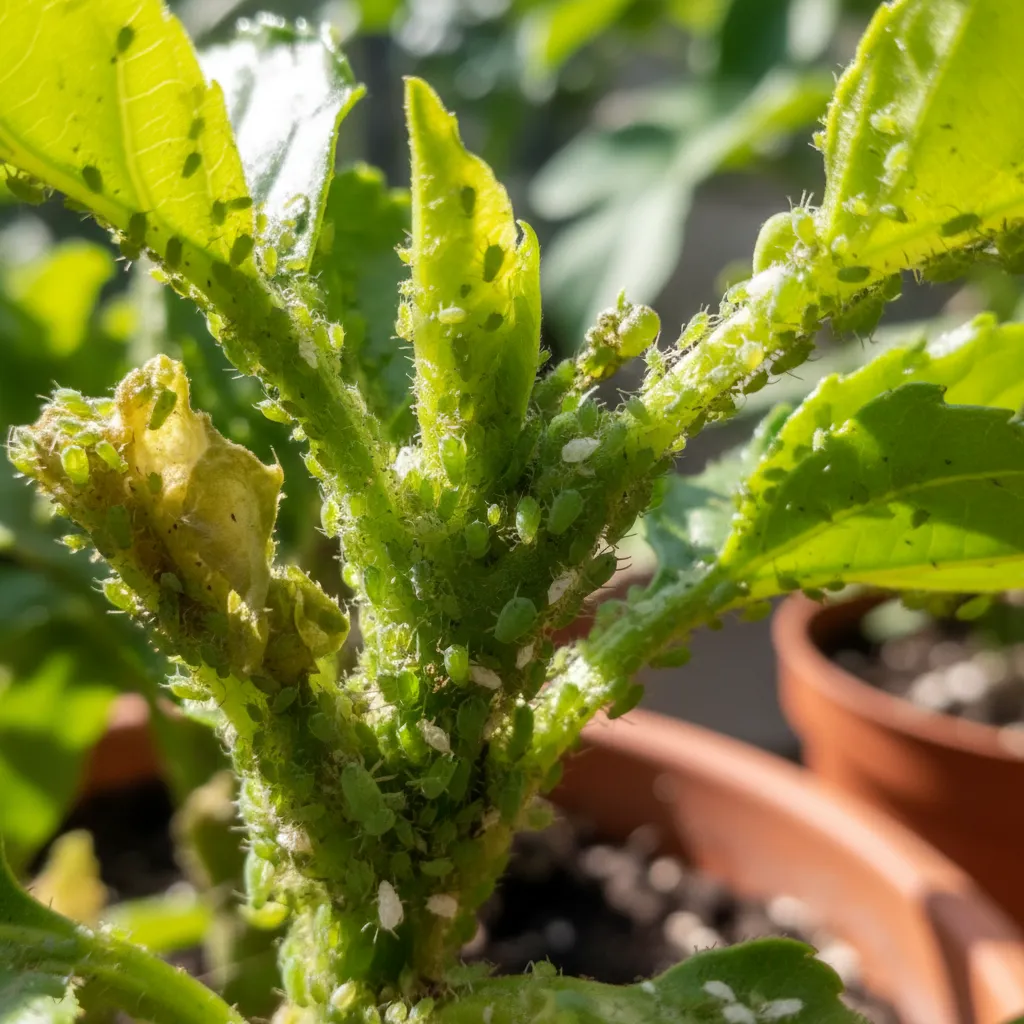
- ✓Pest and Disease — Generally resistant to most common pests and diseases, due to its robust nature and adaptation to challenging environments.
Reviewed by the Flora Medical Global Botanical Review Panel
Multi-disciplinary editorial group · Botany · Ethnobotany · Herbal-medicine literature
Who reviewed this: This page was checked by the Flora Medical Global Botanical Review Panel — an in-house editorial group of botany graduates, ethnobotany researchers, and horticulture practitioners who collectively maintain our 7,000+ plant encyclopedia. Meet the team.
Our 4-step verification process
1. Taxonomic verification
Scientific names and synonyms cross-checked against Kew POWO, World Flora Online, and The Plant List.
2. Phytochemical & medicinal cross-reference
Active compounds, traditional uses, and reported activities are cross-referenced with PubMed, USDA Dr. Duke's database, and peer-reviewed ethnobotanical literature.
3. Conservation & distribution check
Distribution, ecology, and conservation status confirmed against GBIF occurrence records and the IUCN Red List.
4. Editorial & safety review
Every entry passes an editorial pass for clarity, originality, and safety notices (toxicity, contraindications, dosage caveats) before publication.
Last reviewed:
Important medical disclaimer: This content is for educational and research purposes only. It is not medical advice and is not a substitute for consultation with a licensed healthcare provider. Do not use any herb to self-treat a medical condition without professional guidance.
Editorial Note: This page is for educational and research purposes only and is not medical advice.
Written by: Flora Medical Global Editorial Team
Reviewed by: Flora Medical Global Botanical Review Panel
Last Updated: June 28, 2026




Spanish Broom — Comments & Community Reviews
Rate this plant
No reviews yet. Be the first!