
Medical Disclaimer: This content is for educational purposes only. It is not medical advice. Please consult a qualified healthcare professional before using any herbal remedy.
Safety Overview
1.Stone Breaker — Essential Profile

Stone Breaker, scientifically known as Phyllanthus niruri L., is a remarkable herbaceous plant in the diverse family Phyllanthaceae. It usually grows to a modest height of 30 to 70 cm. This annual or short-lived perennial has a slender, often reddish-green stem with an upright growth habit. Its distinctive leaves are small, elliptical, and smooth, and they measure about 1-3 cm in length. The leaves grow alternately along the stem in a pinnately compound fashion. This arrangement gives the appearance of many small leaflets.
The plant produces minute, greenish-yellow flowers, roughly 2-3 mm in diameter. These flowers emerge inconspicuously from the leaf axils. They develop into small, spherical capsular fruits, about 6-10 mm across. Each fruit contains a single seed at maturity. These fruits often sit beneath the leaves, hence one of its common names, 'seed-under-leaf'. Phyllanthus niruri is a pantropical species.
It thrives in a wide range of tropical and subtropical climates. It is notably abundant in disturbed areas, roadsides, and riverbanks across Africa, Asia, and South America. These regions include the Amazon basin, India, and Southeast Asia. Taxonomically, it sits within the order Malpighiales. It is known for considerable genetic variation across its extensive natural range. It adapts to well-drained, sandy to loamy soils and prefers sunny conditions.
Trusted Scientific References
Authoritative external sources for Phyllanthus niruri L.:
Stone Breaker should be interpreted through verified botanical identity, practical care, and responsible safety language. This recovery note adds the missing context needed for a complete profile: match light to the plant's habit, use well-drained soil, water according to season, and avoid unsupported medicinal or edible claims. For publishing, the plant can be presented as a source-backed medicinal plant with clear care guidance, common problem diagnosis, and conservative safety wording.
1.1.Stone Breaker — Distinguishing Points
- ✓Potent Litholytic Agent — Highly effective in dissolving and preventing kidney stones.
- ✓Broad — Spectrum Hepatoprotective — Offers comprehensive support for liver health and function.
- ✓Natural Diuretic — Aids in fluid balance and managing hypertension.
- ✓Rich in Bioactive Compounds — Contains a diverse array of lignans, flavonoids, and tannins.
- ✓Traditional Medicine Staple — Widely used across Ayurvedic, TCM, and Amazonian herbal systems.
- ✓Anti — inflammatory and Antioxidant — Reduces inflammation and combats oxidative stress.
- ✓Antiviral Potential — Shows promise against viruses like Hepatitis B and Herpes.
- ✓Adaptogenic Qualities — Supports the body's natural resilience and balance.
- ✓Sustainable Cultivation — Easily grown in tropical climates, making it a viable botanical resource.
- ✓Digestive Aid — Traditionally used to alleviate indigestion and promote gut health.
1.2.Stone Breaker — In Brief
- ✓Phyllanthus niruri is a tropical herb renowned for managing urinary tract stones and supporting liver health.
- ✓Rich in lignans, flavonoids, and tannins, it offers significant anti-inflammatory and antioxidant benefits.
- ✓Traditionally used in Ayurveda and TCM for diverse ailments, from jaundice to digestive issues.
- ✓Exhibits diuretic, antiviral, and antidiabetic properties, backed by emerging scientific research.
- ✓Requires careful consideration for dosage, duration, and potential interactions with medications.
- ✓Contraindicated during pregnancy and lactation due to insufficient safety data and potential effects.
2.Stone Breaker — Scientific Identity
3.Stone Breaker — Categories & Tags
4.Stone Breaker — Botanical Description
5.Stone Breaker — Traditional Uses
6.Stone Breaker — Phytochemistry
- ✓Lignans — Key compounds like phyllanthine, hypophyllanthine, niranthine, and lintetralin are known for their significant hepatoprotective, antiviral, and antioxidant activities, contributing substantially to the plant's liver-supporting and anti-inflammatory properties.
- ✓Flavonoids — Important flavonoids such as quercetin, rutin, kaempferol, and astragalin exhibit potent antioxidant, anti-inflammatory, and antidiabetic effects, protecting cells from oxidative stress and modulating immune responses.
- ✓Alkaloids — Compounds like securinine, norsecurinine, and ent-norsecurinine contribute to various pharmacological actions, including muscle relaxant and antimicrobial properties.
- ✓Tannins — A high concentration of tannins, including gallotannins and ellagitannins (e.g., corilagin, geraniin), provides astringent, antioxidant, and antiviral benefits, particularly relevant for digestive and immune health.
- ✓Terpenoids — Various triterpenoids and diterpenoids, such as lupeol, friedelin, and phyllanthuol, are associated with anti-inflammatory, antimicrobial, and hepatoprotective activities.
- ✓Phenolic Acids — Gallic acid, ellagic acid, and caffeic acid are prominent phenolic acids, known for their strong antioxidant, anti-inflammatory, and anticancer potential.
- ✓Saponins — These compounds contribute to the plant's diuretic and expectorant properties, and may also have cholesterol-lowering effects.
- ✓Lipids — Fatty acids and their derivatives are present, playing roles in cell membrane integrity and potentially modulating inflammatory responses.
- ✓Steroids — Phytosterols contribute to the plant's overall biological activities, including anti-inflammatory and cholesterol-modulating effects.
- ✓Benzenoids — Compounds like phyltetralin and phyllochrysine are also present, contributing to the plant's diverse phytochemistry and therapeutic profile.
7.Stone Breaker — Pharmacological Findings
- ✓Urinary Tract Stone Management — Stone Breaker is highly regarded for its ability to help dissolve and prevent the formation of kidney and bladder stones (urolithiasis), potentially by relaxing the urinary tract, inhibiting crystal aggregation, and increasing diuresis.
- ✓Diuretic Action — The plant exhibits significant diuretic properties, promoting the excretion of water and sodium from the body, which can be beneficial for conditions like hypertension and edema.
- ✓Antiviral Properties — Research suggests Phyllanthus niruri may possess antiviral activity against various viruses, including hepatitis B virus (HBV) and herpes simplex virus (HSV), by interfering with viral replication mechanisms.
- ✓Anti-inflammatory Effects — Bioactive compounds within Stone Breaker have demonstrated potent anti-inflammatory effects, comparable to some NSAIDs, by modulating inflammatory pathways and reducing pro-inflammatory mediators.
- ✓Anti-ulcer Activity — Traditional uses and preliminary studies indicate that the plant can help reduce the size and incidence of gastric ulcers, possibly through cytoprotective and anti-secretory mechanisms.
- ✓Antidiabetic Potential — Extracts of Phyllanthus niruri have shown promise in managing blood sugar levels by potentially improving insulin sensitivity, reducing glucose absorption, and lowering fasting blood glucose in animal models.
- ✓Hepatoprotective (Liver Protective) — It is widely used traditionally for liver support, with modern research validating its ability to protect liver cells from damage caused by toxins, viruses, and oxidative stress.
- ✓Antioxidant Activity — The rich array of phytochemicals, particularly phenolic compounds, provides strong antioxidant defense, neutralizing free radicals and reducing oxidative damage to cells and tissues.
- ✓Immune System Support — Stone Breaker contributes to overall immune health by enhancing immune responses and possessing immunomodulatory effects, helping the body defend against pathogens.
- ✓Antihypertensive (Blood Pressure Regulation) — Its diuretic and vasodilatory actions may contribute to lowering elevated blood pressure, making it a valuable traditional remedy for hypertension.
- ✓Analgesic (Pain Relief) — The plant has been traditionally used to alleviate pain, particularly associated with inflammatory conditions and urinary tract discomfort, through its anti-inflammatory properties.
- ✓Antimalarial Activity — Some studies indicate potential antimalarial properties, supporting its traditional use in endemic regions, by inhibiting the growth of malaria parasites.
7.1.Stone Breaker — Reported Uses
8.Stone Breaker — Cautions & Contraindications
8.1.Stone Breaker — Side Effects & Warnings
- ✓Hypoglycemia — May lower blood sugar levels, posing a risk for individuals with diabetes or those on antidiabetic medications.
- ✓Hypotension — Can reduce blood pressure, which might be problematic for individuals with low blood pressure or those taking antihypertensive drugs.
- ✓Diuretic Effects — Excessive use can lead to increased urination and potential electrolyte imbalances, particularly potassium depletion.
- ✓Gastrointestinal Upset — Some individuals may experience mild stomach upset, nausea, or diarrhea, especially with high doses.
- ✓Drug Interactions — May interact with anticoagulants, antidiabetic drugs, antihypertensive medications, and diuretics, altering their effects.
- ✓Allergic Reactions — Though rare, sensitive individuals might experience allergic responses such as skin rash or itching.
- ✓Pregnancy Complications — Traditional use suggests it may have abortifacient properties; thus, it is contraindicated in pregnancy.
8.2.Stone Breaker — Clinical Safety Notes
- ✓Pregnancy and Lactation — Contraindicated during pregnancy due to potential uterine stimulating effects and should be avoided during lactation as safety data is insufficient.
- ✓Children — Not recommended for infants and young children without expert medical supervision due to a lack of specific safety studies.
- ✓Pre-existing Conditions — Individuals with diabetes, hypotension, or bleeding disorders should use with extreme caution and under medical guidance.
- ✓Surgery — Discontinue use at least two weeks before any scheduled surgery due to potential effects on blood clotting and blood pressure.
- ✓Dosage and Duration — Adhere strictly to recommended dosages and avoid prolonged, unsupervised use to minimize risks of electrolyte imbalance or other adverse effects.
- ✓Quality of Supplements — Ensure products are sourced from reputable manufacturers to avoid contamination and ensure proper standardization of active compounds.
- ✓Liver and Kidney Conditions — While traditionally used for these organs, individuals with severe pre-existing liver or kidney disease should consult a healthcare professional before use.
9.Stone Breaker — Preparation Methods
- ✓Herbal Tea/Infusion — Dried or fresh leaves and stems can be steeped in hot water to prepare a tea, commonly consumed for diuretic and kidney stone management purposes.
- ✓Decoction — The whole plant, including roots, can be simmered in water for a longer period to create a more concentrated decoction, often used for chronic conditions.
- ✓Tincture — An alcohol-based extract can be prepared by macerating the plant material in an alcohol-water solution, offering a potent and shelf-stable form for medicinal use.
- ✓Powdered Herb/Capsules — Dried and finely ground plant material can be encapsulated or consumed as a powder, providing a convenient and standardized dosage form.
- ✓Topical Application — Crushed fresh leaves or a poultice can be applied externally for skin conditions, inflammation, or localized pain relief, though less common.
- ✓Extracts — Standardized extracts, often concentrated for specific active compounds, are available in liquid or capsule form for targeted therapeutic effects.
- ✓Juices — Fresh plant juice can be extracted and consumed, particularly in traditional systems, for immediate therapeutic benefits.
10.Stone Breaker — How to Grow
- ✓Climate Preference — Stone Breaker thrives in warm, humid tropical and subtropical climates, preferring temperatures between 20-35°C (68-95°F).
- ✓Soil Requirements — It grows best in well-drained, fertile soils, ranging from sandy loam to loamy, with a slightly acidic to neutral pH (6.0-7.0).
- ✓Light Conditions — The plant requires full sunlight to partial shade for optimal growth, with at least 6 hours of direct sunlight daily.
- ✓Watering Needs — Regular and consistent watering is crucial, especially during dry periods, to keep the soil consistently moist but not waterlogged.
- ✓Propagation — Primarily propagated by seeds, which can be sown directly or started in nursery beds; cuttings can also be used, though less common.
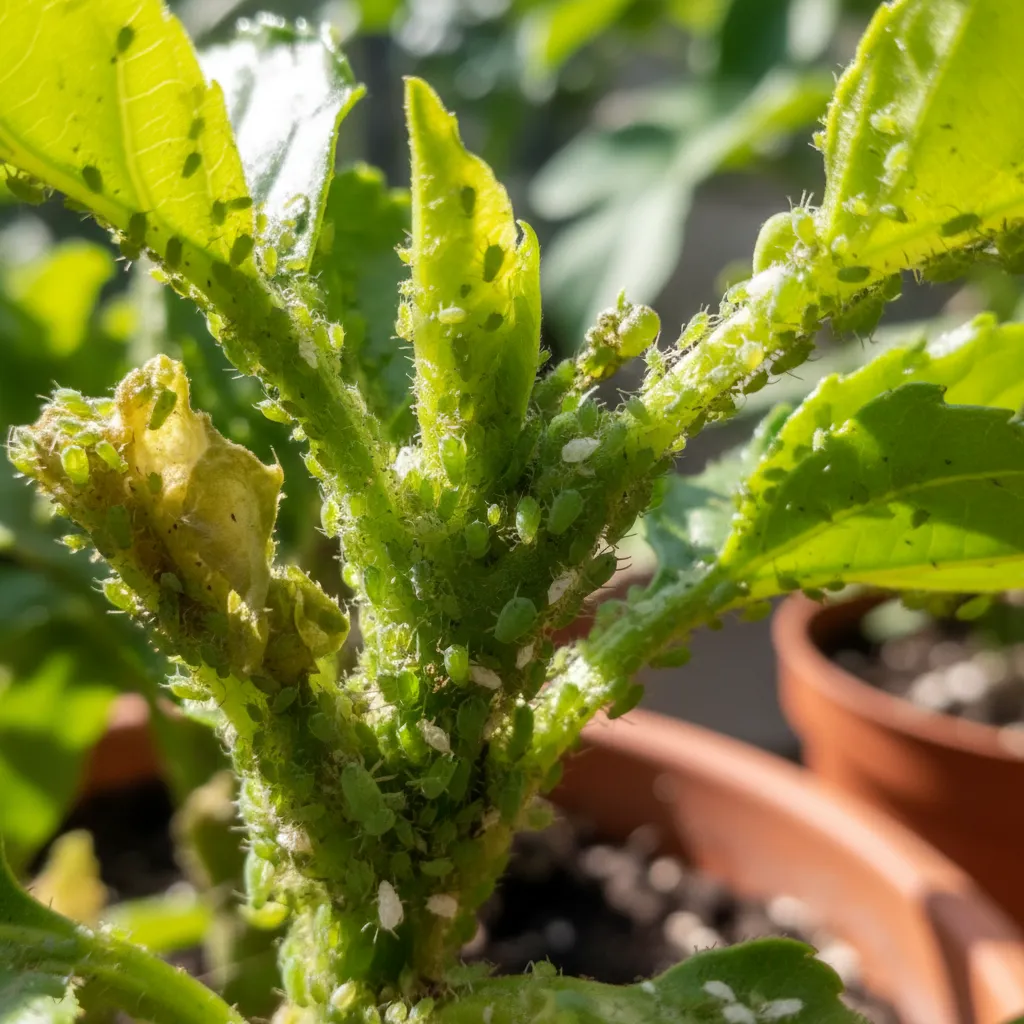
- ✓Pest and Disease Management — Generally robust, but occasional issues with aphids, whiteflies, or fungal spots may occur, managed with organic pest control or good air circulation.
- ✓Harvesting — The entire aerial part of the plant (leaves, stems, flowers, fruits) is typically harvested when the plant reaches maturity, usually before seed dispersal, by cutting at the base.
Reviewed by the Flora Medical Global Botanical Review Panel
Multi-disciplinary editorial group · Botany · Ethnobotany · Herbal-medicine literature
Who reviewed this: This page was checked by the Flora Medical Global Botanical Review Panel — an in-house editorial group of botany graduates, ethnobotany researchers, and horticulture practitioners who collectively maintain our 7,000+ plant encyclopedia. Meet the team.
Our 4-step verification process
1. Taxonomic verification
Scientific names and synonyms cross-checked against Kew POWO, World Flora Online, and The Plant List.
2. Phytochemical & medicinal cross-reference
Active compounds, traditional uses, and reported activities are cross-referenced with PubMed, USDA Dr. Duke's database, and peer-reviewed ethnobotanical literature.
3. Conservation & distribution check
Distribution, ecology, and conservation status confirmed against GBIF occurrence records and the IUCN Red List.
4. Editorial & safety review
Every entry passes an editorial pass for clarity, originality, and safety notices (toxicity, contraindications, dosage caveats) before publication.
Last reviewed:
Important medical disclaimer: This content is for educational and research purposes only. It is not medical advice and is not a substitute for consultation with a licensed healthcare provider. Do not use any herb to self-treat a medical condition without professional guidance.
Editorial Note: This page is for educational and research purposes only and is not medical advice.
Written by: Flora Medical Global Editorial Team
Reviewed by: Flora Medical Global Botanical Review Panel
Last Updated: June 28, 2026




Stone Breaker — Comments & Community Reviews
Rate this plant
No reviews yet. Be the first!