

Medical Disclaimer: This content is for educational purposes only. It is not medical advice. Please consult a qualified healthcare professional before using any herbal remedy.
Safety Overview
1.Stone Root — Plant Snapshot

Stone Root, scientifically known as Collinsonia canadensis, is a distinctive perennial herb in the mint family, Lamiaceae. This robust plant typically grows between one to three feet tall. It is known for its erect, square stems and its large, oval to heart-shaped leaves. The leaves are coarsely toothed and emit a lemony fragrance when crushed. The plant's most notable feature is its inflorescence, a terminal panicle of small, pale yellow, irregular flowers.
People often describe these flowers as having a 'frogspawn' appearance because of their unusual texture and arrangement. The blossoms typically appear from mid-summer to early autumn and attract various pollinators. Collinsonia canadensis is native to the moist, shady woodlands and rich forest floors of eastern North America. Its range stretches from southern Ontario and Quebec down to Florida and west to Arkansas and Kansas. It thrives in well-drained, humus-rich soil and often grows along stream banks, in damp thickets, and in deciduous forests.
Its taxonomy places it within the Lamiaceae family, which is renowned for its aromatic and medicinally significant species. The common name 'Stone Root' comes from its hard, knotty, and exceptionally stony rhizome, which is the primary part used in traditional herbal medicine. This unique root structure makes harvesting challenging, yet it underscores the plant's resilience and potent nature. These qualities deeply embed it within the ecological and ethnobotanical landscape of its native range.
Trusted Scientific References
Authoritative external sources for Collinsonia canadensis:
Stone Root should be interpreted through verified botanical identity, practical care, and responsible safety language. This recovery note adds the missing context needed for a complete profile: match light to the plant's habit, use well-drained soil, water according to season, and avoid unsupported medicinal or edible claims. For publishing, the plant can be presented as a source-backed medicinal plant with clear care guidance, common problem diagnosis, and conservative safety wording.
1.1.Stone Root — Defining Traits
- ✓Distinctive Stony Rhizome — Its hard, knotty root is the source of its common name and primary medicinal part.
- ✓Lamiaceae Family Member — Belongs to the mint family, known for aromatic and medicinal plants.
- ✓Astringent Properties — High tannin content makes it effective for tightening tissues and reducing inflammation.
- ✓Lymphatic & Venous Tonic — Specifically supports the lymphatic system and venous circulation.
- ✓Anti — inflammatory Action — Reduces inflammation throughout the body, particularly in the pelvic region.
- ✓Digestive Stimulant — Promotes healthy bile flow and pancreatic enzyme activity.
- ✓Native North American Herb — Indigenous to the woodlands of eastern North America.
- ✓Bioactive Compounds — Rich in flavonoids, phenolic acids, alkaloids, and terpenoids.
- ✓Traditional Medicinal Uses — Employed in folk medicine for centuries for various ailments.
- ✓Unique Floral Appearance — Pale yellow, irregular flowers resembling 'frogspawn'.
1.2.Stone Root — Quick Summary
- ✓Potent circulatory and lymphatic tonic, primarily impacting venous health.
- ✓Valued for its anti-inflammatory and astringent properties, particularly for hemorrhoids.
- ✓Rich in flavonoids, tannins, and phenolic acids contributing to its efficacy.
- ✓Native to eastern North America, recognized by its distinctive stony rhizome.
- ✓Used traditionally for digestive, urinary, and respiratory support.
- ✓Requires careful dosage and professional consultation due to potential interactions.
2.Stone Root — Scientific Identity
3.Stone Root — Categories & Tags
4.Stone Root — Plant Morphology
5.Stone Root — Ethnobotanical Uses
6.Stone Root — Secondary Metabolites
- ✓Alkaloids — These nitrogen-containing compounds, while present in small amounts, may contribute to Stone Root's pharmacological actions, often influencing neurological or cardiovascular systems.
- ✓Flavonoids — Key examples include quercetin and kaempferol derivatives, which are potent antioxidants and anti-inflammatory agents, protecting cellular integrity.
- ✓Terpenoids — Monoterpenes and sesquiterpenes are responsible for some of the plant's aromatic qualities and possess anti-inflammatory and antimicrobial properties.
- ✓Saponins — These glycosides are known for their surfactant properties and may contribute to expectorant and anti-inflammatory effects, though specific types in Stone Root require more study.
- ✓Tannins — Predominantly gallotannins and condensed tannins, which impart astringent properties, beneficial for reducing inflammation and tightening tissues in conditions like hemorrhoids.
- ✓Phenolic Acids — Such as rosmarinic acid and caffeic acid, offering significant antioxidant and anti-inflammatory benefits, crucial for cellular protection and immune modulation.
- ✓Resins — Complex mixtures containing various organic compounds that contribute to the plant's overall therapeutic profile, often acting as mild laxatives or antiseptics.
- ✓Volatile Oils — Comprising various terpenes and other aromatic compounds, these oils contribute to the characteristic scent and may have antimicrobial and antispasmodic effects.
- ✓Mucilage — Polysaccharides that provide demulcent properties, soothing irritated mucous membranes in the digestive and respiratory tracts.
- ✓Glycosides — A broad category including various active compounds linked to sugar molecules, contributing to diverse pharmacological actions like cardiovascular support and anti-inflammatory effects.
7.Stone Root — What Research Suggests
- ✓Digestive Aid — Stone Root is traditionally used to support digestive function, particularly in cases of sluggish digestion, by stimulating bile flow and pancreatic enzyme production.
- ✓Hemorrhoid Relief — Its astringent and anti-inflammatory properties are highly valued for alleviating discomfort, swelling, and bleeding associated with hemorrhoids and varicose veins.
- ✓Lymphatic Support — Collinsonia canadensis is considered a lymphatic tonic, assisting in the drainage and detoxification of the lymphatic system, which can help reduce fluid retention and swelling.
- ✓Anti-inflammatory Action — The presence of various phenolic compounds and terpenoids contributes to its potent anti-inflammatory effects, beneficial for conditions involving chronic inflammation.
- ✓Diuretic Properties — Stone Root acts as a mild diuretic, promoting increased urine output and aiding in the elimination of excess fluids and toxins from the body.
- ✓Respiratory Health — In traditional practices, it was used to clear congestion and ease breathing difficulties, especially those related to chronic coughs and sore throats.
- ✓Circulatory Enhancer — It is believed to improve venous circulation, particularly in the pelvic region, making it useful for conditions like pelvic congestion syndrome.
- ✓Antioxidant Protection — Flavonoids and other phenolic compounds provide significant antioxidant activity, protecting cells from oxidative stress and damage caused by free radicals.
- ✓Urinary Tract Support — Its antiseptic and diuretic actions help maintain urinary tract health and can be beneficial in managing minor urinary irritations.
- ✓Musculoskeletal Comfort — Due to its anti-inflammatory effects, Stone Root has been applied topically or taken internally to soothe muscle aches and joint discomfort.
- ✓Cardiotonic Effects — Some traditional uses suggest a strengthening effect on the heart, though modern research is limited in this specific area.
- ✓General Tonic — Historically, it was consumed as a general tonic to enhance overall wellness and vitality, particularly during periods of recovery or weakness.
7.1.Stone Root — Conditions Traditionally Used For
8.Stone Root — Precautions & Warnings
8.1.Stone Root — Caution Notes
- ✓Gastrointestinal Upset — May cause mild nausea, stomach discomfort, or diarrhea in sensitive individuals or with high doses.
- ✓Allergic Reactions — Rare, but skin rashes or other allergic symptoms can occur, especially in individuals sensitive to Lamiaceae family plants.
- ✓Hypotension — Due to its potential influence on circulation, it might theoretically lower blood pressure, though this is not commonly reported.
- ✓Diuretic Effect — Excessive use may lead to electrolyte imbalance due to increased urination, particularly in dehydrated individuals.
- ✓Drug Interactions — Potential to interact with blood thinners, diuretics, or medications for blood pressure due to its circulatory effects.
- ✓Liver Sensitivity — In very high doses or prolonged use, some individuals might experience liver enzyme elevation, though evidence is limited.
- ✓Uterine Stimulation — There is a theoretical concern for uterine stimulation; pregnant individuals should avoid its use.
8.2.Stone Root — Risk Assessment
- ✓Pregnancy and Breastfeeding — Contraindicated during pregnancy due to theoretical uterine stimulant effects; avoid during breastfeeding as safety data is lacking.
- ✓Children — Not recommended for infants or young children due to insufficient safety data and potential for strong effects.
- ✓Pre-existing Conditions — Individuals with heart conditions, kidney disease, or bleeding disorders should use with caution and under medical supervision.
- ✓Surgical Procedures — Discontinue use at least two weeks before any scheduled surgery due to potential effects on blood clotting and blood pressure.
- ✓Dosage Adherence — Always follow recommended dosages from a qualified healthcare practitioner or product label to minimize adverse effects.
- ✓Allergic History — Individuals with known allergies to plants in the Lamiaceae family should exercise caution or avoid use.
- ✓Professional Guidance — Consult a healthcare professional before using Stone Root, especially if taking other medications or managing chronic health issues.
9.Stone Root — Application Forms
- ✓Tincture — A common preparation, where the fresh or dried root is macerated in alcohol to extract its medicinal compounds, taken orally in drops.
- ✓Decoction — The dried root is simmered in water for an extended period to create a concentrated tea, suitable for internal use.
- ✓Infusion — While less common for roots, a strong hot water infusion can be made from the aerial parts or finely powdered root.
- ✓Capsules/Powder — Dried and powdered Stone Root can be encapsulated for convenient oral administration.
- ✓Topical Poultice — Crushed fresh root or a paste made from dried powder can be applied directly to affected areas like hemorrhoids or varicose veins.
- ✓Glycerite — A non-alcoholic extraction using vegetable glycerin, suitable for those avoiding alcohol, often used for children or sensitive individuals.
- ✓Sitz Bath — A strong decoction can be added to bath water for a sitz bath, providing localized relief for perineal discomfort and hemorrhoids.
- ✓Essential Oil — While not typically extracted for essential oil, aromatic compounds contribute to its therapeutic profile in other preparations.
10.Stone Root — Propagation & Care
- ✓Site Selection — Choose a location with partial to full shade, mimicking its natural woodland habitat, protected from harsh afternoon sun.
- ✓Soil Preparation — Opt for rich, well-drained, moist soil with a high organic content and a slightly acidic to neutral pH (6.0-7.0).
- ✓Propagation — Can be propagated from seeds, root divisions, or stem cuttings. Seeds require cold stratification for optimal germination.
- ✓Planting — Plant root divisions or nursery-grown plants in spring or fall, ensuring adequate spacing for mature growth (12-18 inches apart).
- ✓Watering — Maintain consistent soil moisture, especially during dry periods, but avoid waterlogging to prevent root rot.
- ✓Fertilization — Minimal fertilization is needed; a top-dressing of compost in spring typically suffices to enrich the soil.
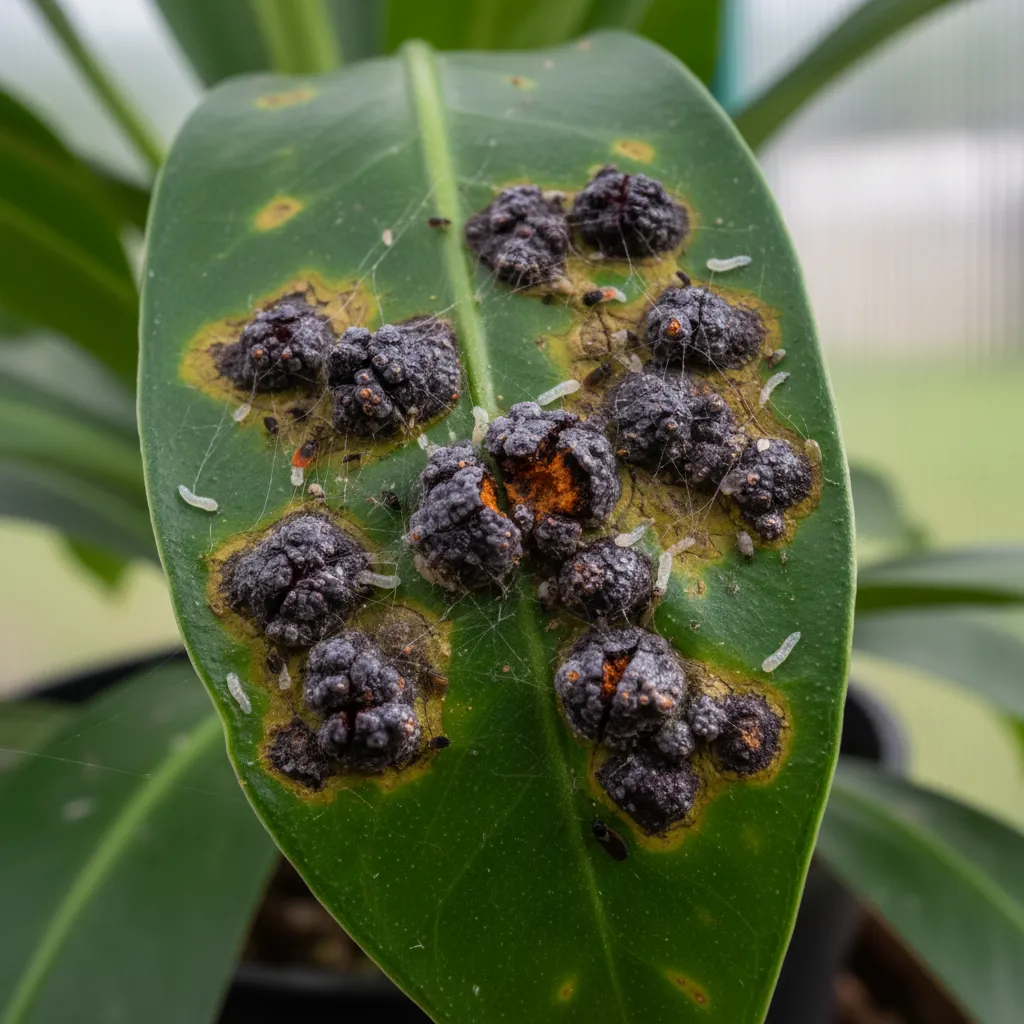
- ✓Pest and Disease Management — Generally resistant to most pests and diseases, but monitor for slugs in damp conditions.
- ✓Harvesting — The rhizomes are typically harvested in the fall after the plant has died back, when the concentration of medicinal compounds is highest.
Reviewed by the Flora Medical Global Botanical Review Panel
Multi-disciplinary editorial group · Botany · Ethnobotany · Herbal-medicine literature
Who reviewed this: This page was checked by the Flora Medical Global Botanical Review Panel — an in-house editorial group of botany graduates, ethnobotany researchers, and horticulture practitioners who collectively maintain our 7,000+ plant encyclopedia. Meet the team.
Our 4-step verification process
1. Taxonomic verification
Scientific names and synonyms cross-checked against Kew POWO, World Flora Online, and The Plant List.
2. Phytochemical & medicinal cross-reference
Active compounds, traditional uses, and reported activities are cross-referenced with PubMed, USDA Dr. Duke's database, and peer-reviewed ethnobotanical literature.
3. Conservation & distribution check
Distribution, ecology, and conservation status confirmed against GBIF occurrence records and the IUCN Red List.
4. Editorial & safety review
Every entry passes an editorial pass for clarity, originality, and safety notices (toxicity, contraindications, dosage caveats) before publication.
Last reviewed:
Important medical disclaimer: This content is for educational and research purposes only. It is not medical advice and is not a substitute for consultation with a licensed healthcare provider. Do not use any herb to self-treat a medical condition without professional guidance.
Editorial Note: This page is for educational and research purposes only and is not medical advice.
Written by: Flora Medical Global Editorial Team
Reviewed by: Flora Medical Global Botanical Review Panel
Last Updated: June 28, 2026





Stone Root — Comments & Community Reviews
Rate this plant
No reviews yet. Be the first!