


Medical Disclaimer: This content is for educational purposes only. It is not medical advice. Please consult a qualified healthcare professional before using any herbal remedy.
Safety Overview
1.Sudarshan — Botanical Snapshot
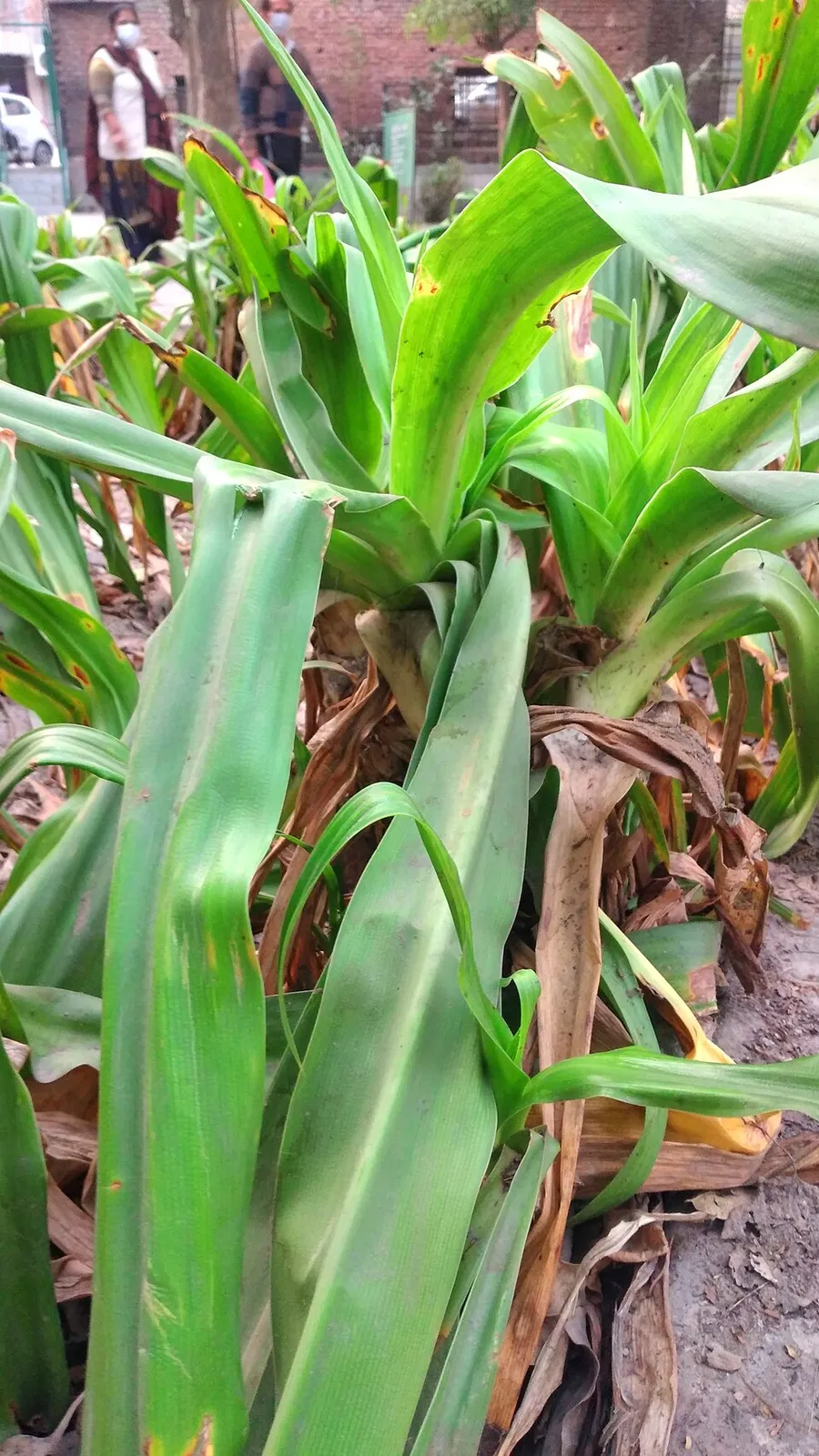
Crinum latifolium, widely recognized as Sudarshan, is a striking perennial herb belonging to the Amaryllidaceae family, native to the tropical and subtropical regions of Asia and Africa. This robust plant can attain impressive heights of up to 2 meters, characterized by its long, sword-shaped leaves that can extend 60-120 cm in length and 8-10 cm in width. These glossy green leaves emerge gracefully from a substantial central bulb, typically 10-15 cm in diameter, which anchors the plant firmly in its preferred habitat.
Sudarshan is particularly celebrated for its magnificent flower clusters, which typically bloom in late summer. The fragrant flowers range from pure white to pale pink, often displaying delicate reddish stripes, and are arranged in an elegant umbel atop a leafless, sturdy stalk. Each individual petal measures approximately 5 cm in length and 2 cm in width, often exhibiting an attractive curvature that lends an exotic allure.
The plant thrives in wet, marshy, or water-logged soils, making it a common sight along riverbanks, in humid subtropical gardens, and in various wetland ecosystems across its native range, including India, Sri Lanka, Java, and parts of Southeast Asia. Its ability to flourish in challenging conditions, coupled with its aesthetic appeal and deep roots in traditional medicine, underscores its significance.
Trusted Scientific References
1. Authoritative external sources for Crinum latifolium
1.1 Wikipedia — Crinum latifolium
1.2 Kew POWO (Plants of the World Online)
1.3 PubMed — peer-reviewed research
1.4 NCBI Taxonomy Browser
1.5 GBIF — Global Biodiversity
1.6Sudarshan should be interpreted through verified botanical identity, practical care, and responsible safety language. This recovery note adds the missing context needed for a complete profile: match light to the plant's habit, use well-drained soil, water according to season, and avoid unsupported medicinal or edible claims. For publishing, the plant can be presented as a source-backed medicinal plant with clear care guidance, common problem diagnosis, and conservative safety wording.
1.1.Sudarshan — Highlights
- ✓Botanical Name — Crinum latifolium, belonging to the Amaryllidaceae family.
- ✓Common Name — Sudarshan, Milk and Wine Lily, Wide-leaved Pink-striped Trumpet Lily.
- ✓Traditional Medicine — Deeply rooted in Ayurveda, Siddha, and Unani systems.
- ✓Key Bioactives — Rich in alkaloids (e.g., galanthamine, tazetine), flavonoids, and glycosides.
- ✓Primary Actions — Anti-inflammatory, antipyretic, analgesic, antimicrobial, antioxidant.
- ✓Morphological Characteristics — Large sword-shaped leaves, prominent bulb, striking umbel flowers.
- ✓Habitat — Thrives in wet, marshy, tropical, and subtropical regions.
- ✓Usage Forms — Leaf paste, rhizome powder, fresh leaf juice, decoctions.
- ✓Notable Uses — Relief for fever, joint pain, skin infections, and detoxification.
- ✓Safety — Requires caution and professional supervision due to potent compounds.
1.2.Sudarshan — Snapshot Summary
- ✓Sudarshan (Crinum latifolium) is a tropical bulbous herb revered in Ayurveda for diverse medicinal uses.
- ✓Known for potent anti-inflammatory, analgesic, and antipyretic properties.
- ✓Rich in alkaloids, flavonoids, and glycosides, contributing to its therapeutic actions.
- ✓Traditionally used for fever, joint pain, skin conditions, and as an emetic/purgative.
- ✓Requires careful dosage and professional guidance due to potent chemical constituents.
- ✓Thrives in wet, humid environments, native to Asia and Africa.
2.Sudarshan — Nomenclature & Classification
3.Sudarshan — Key Data
4.Sudarshan — Botanical Features
5.Sudarshan — Ecological Habitat
6.Sudarshan — Traditional Uses
7.Sudarshan — Phytochemistry
- ✓Alkaloids — Key active compounds found in both rhizomes and leaves, including zeylamine, crinofoline, crinofolidine, tazetine, flexinine, harmenthamine, ambelline, galanthamine, latifine, cherilline, crinomine, and crinine, which contribute to its anti-inflammatory, analgesic, and potential anticancer activities.
- ✓Glucans — Polysaccharides identified as Glucans A & B are present in the rhizome, potentially contributing to immunomodulatory or general tonic effects.
- ✓Flavonoids — Found in the leaves, these compounds are known for their antioxidant and anti-inflammatory properties, enhancing cellular protection.
- ✓Glycosides — Present in the leaves, glycosides can have diverse pharmacological actions, including cardiac activity or anti-inflammatory effects.
- ✓Saponins — These compounds may be present, contributing to expectorant or anti-inflammatory actions, and are often associated with foaming properties.
- ✓Phenolic Acids — Contribute to the overall antioxidant capacity of the plant, protecting against oxidative damage.
- ✓Amino Acids — Essential building blocks found in plant tissues, supporting general metabolic functions and plant health.
- ✓Fatty Acids — Present in minor quantities, contributing to the plant's structural integrity and potentially influencing its medicinal properties.
8.Sudarshan — Scientific Evidence
- ✓Anti-inflammatory Action — Sudarshan is traditionally used to reduce swelling and inflammation, making it beneficial for conditions like arthritis and muscle pain due to its alkaloid content.
- ✓Antipyretic Properties — The plant's rhizome powder is employed in Ayurvedic medicine to alleviate fever and manage associated body aches.
- ✓Analgesic Effects — Topical application of heated leaves or paste helps in relieving localized pain, particularly in joints and muscles.
- ✓Purgative and Emetic — Fresh leaf juice, when administered in specific doses, can induce purgation and vomiting, traditionally used in cases of poisoning to expel toxins.
- ✓Antimicrobial Activity — Research suggests that Crinum latifolium extracts possess antimicrobial potential, particularly against Gram-negative bacteria like Escherichia coli.
- ✓Antioxidant Support — Studies indicate strong in vitro antioxidant activity, helping to neutralize free radicals and protect cells from oxidative stress.
- ✓Anthelmintic Properties — Extracts have shown efficacy in expelling parasitic worms, offering a traditional remedy against intestinal infestations.
- ✓Skin Condition Relief — Leaf paste is applied topically to treat various skin ailments, including eczema, fungal infections, pustules, and carbuncles, promoting healing and reducing irritation.
- ✓Ear Disorder Treatment — Fresh leaf juice, warmed and used as ear drops, is traditionally applied to relieve earache and manage discharge from the ear.
- ✓Piles and Swelling Reduction — The crushed and heated rhizome is applied externally to hemorrhoids to reduce pain and swelling of external pile masses.
8.1.Sudarshan — Reported Uses
9.Sudarshan — Cautions & Contraindications
9.1.Sudarshan — Possible Adverse Reactions
- ✓Purgation and Vomiting — High doses of fresh leaf juice can induce strong purgative and emetic effects.
- ✓Abdominal Cramps — Excessive intake, particularly of leaf juice, may lead to discomfort and cramping in the abdomen.
- ✓Skin Irritation — While rare, some individuals might experience mild skin irritation from topical application, especially if sensitive.
- ✓Gastrointestinal Upset — Oral consumption, particularly in sensitive individuals, may cause mild stomach upset or nausea.
- ✓Allergic Reactions — As with any plant, there is a potential for allergic reactions, including rash or itching, in susceptible individuals.
- ✓Toxicity Concerns — Due to potent alkaloids, internal use should always be under professional medical supervision to avoid adverse effects.
9.2.Sudarshan — Risk Assessment
- ✓Professional Guidance — Always consult a qualified medical herbalist or healthcare practitioner before using Sudarshan, especially for internal applications.
- ✓Pregnancy and Lactation — Avoid use during pregnancy and breastfeeding due to insufficient safety data and the presence of potent alkaloids.
- ✓Children — Not recommended for use in children without explicit medical supervision due to the potent nature of its compounds.
- ✓Drug Interactions — Exercise caution if taking other medications, particularly those for heart conditions, blood pressure, or central nervous system, as interactions are possible.
- ✓Dosage Adherence — Strictly adhere to recommended dosages, as excessive intake, particularly of leaf juice, can lead to severe gastrointestinal effects.
- ✓External Use Precaution — Conduct a patch test on a small skin area before extensive topical application to check for any allergic reactions.
- ✓Pre-existing Conditions — Individuals with liver, kidney, or gastrointestinal disorders should avoid use or proceed with extreme caution under medical advice.
10.Sudarshan — Preparation Methods
- ✓Leaf Poultice for Pain — Crush fresh Sudarshan leaves and apply as a warm poultice directly to aching joints or muscles to relieve pain and swelling.
- ✓Rhizome Powder for Fever — Administer 1 to 3 grams of dried Sudarshan rhizome powder with honey or warm water to help reduce fever and body aches.
- ✓Fresh Leaf Juice (External) — Warm 5 to 10 ml of fresh leaf juice and use as ear drops to alleviate earache and manage ear discharge.
- ✓Topical Paste for Skin Ailments — Prepare a paste from crushed leaves and apply to areas affected by eczema, fungal infections, or pustules for soothing and healing.
- ✓Heated Rhizome Application — Slightly heat a crushed Crinum latifolium rhizome and apply it externally to reduce the pain and swelling associated with hemorrhoids.
- ✓Traditional Emetic/Purgative — Under strict expert guidance, a specific dose of fresh leaf juice (5-10 ml) can be used to induce vomiting or purgation in cases of poisoning.
- ✓Decoction for Inflammation — A decoction made from the leaves or rhizome can be used for washes or compresses to reduce general inflammation.
11.Sudarshan — Cultivation & Care
- ✓Soil Preference — Thrives in rich, well-draining yet moisture-retentive soils, ideally loamy or sandy loam with a slightly acidic to neutral pH (6.0-7.0).
- ✓Water Requirements — Prefers consistently moist to wet conditions, tolerating water-logged soils, making it suitable for bog gardens or near water bodies.
- ✓Light Exposure — Adaptable, growing well in partial shade to full sun, though partial shade is often preferred in hotter climates to prevent leaf scorch.
- ✓Propagation — Primarily propagated from offsets (bulbils) that form around the main bulb, or from seeds, which can be sown fresh.
- ✓Temperature and Climate — Best suited for humid subtropical to tropical climates, sensitive to frost, requiring protection in cooler regions.
- ✓Fertilization — Benefits from regular feeding with a balanced, slow-release fertilizer during the growing season to support robust growth and flowering.
- ✓Pest and Disease Management — Generally robust, but watch for common bulb pests like slugs and snails, and ensure good air circulation to prevent fungal issues.
- ✓Maintenance — Requires minimal pruning; remove spent flower stalks and yellowing leaves to maintain plant vigor and appearance.
Reviewed by the Flora Medical Global Botanical Review Panel
Multi-disciplinary editorial group · Botany · Ethnobotany · Herbal-medicine literature
Who reviewed this: This page was checked by the Flora Medical Global Botanical Review Panel — an in-house editorial group of botany graduates, ethnobotany researchers, and horticulture practitioners who collectively maintain our 7,000+ plant encyclopedia. Meet the team.
Our 4-step verification process
1. Taxonomic verification
Scientific names and synonyms cross-checked against Kew POWO, World Flora Online, and The Plant List.
2. Phytochemical & medicinal cross-reference
Active compounds, traditional uses, and reported activities are cross-referenced with PubMed, USDA Dr. Duke's database, and peer-reviewed ethnobotanical literature.
3. Conservation & distribution check
Distribution, ecology, and conservation status confirmed against GBIF occurrence records and the IUCN Red List.
4. Editorial & safety review
Every entry passes an editorial pass for clarity, originality, and safety notices (toxicity, contraindications, dosage caveats) before publication.
Last reviewed:
Important medical disclaimer: This content is for educational and research purposes only. It is not medical advice and is not a substitute for consultation with a licensed healthcare provider. Do not use any herb to self-treat a medical condition without professional guidance.
Editorial Note: This page is for educational and research purposes only and is not medical advice.
Written by: Flora Medical Global Editorial Team
Reviewed by: Flora Medical Global Botanical Review Panel
Last Updated: June 16, 2026





Sudarshan — Comments & Community Reviews
Rate this plant