
Medical Disclaimer: This content is for educational purposes only. It is not medical advice. Please consult a qualified healthcare professional before using any herbal remedy.
Safety Overview
1.Sumac — Introduction & Highlights

Sumac, or Rhus coriaria, is a resilient deciduous shrub in the Anacardiaceae family. This group also includes well-known species such as mango and poison ivy. The plant typically reaches 1 to 4 meters tall and has a robust structure. Its compound leaves are quite substantial. They measure between 10 and 30 cm long and contain 11 to 31 distinct, serrated leaflets. Each leaflet is about 3 to 10 cm long and 1 to 5 cm wide.
A delicately toothed margin gives the foliage its distinctive look. During the warmer months of June through August, Sumac produces dense, upright clusters of greenish-yellow flowers known as panicles. These panicles can extend up to 15 cm long and are a magnet for various pollinators. The bark of younger Sumac plants is smooth and grayish-brown. It gradually becomes rougher and more textured with maturity. Rhus coriaria is remarkably adaptable and thrives in a range of environments.
It strongly prefers dry, rocky soils, but it can also colonize disturbed areas. This adaptability explains its widespread distribution across the Mediterranean basin and into southwestern Asia. The plant is most recognized for its vibrant red, tangy fruits, which ripen in late summer. People traditionally harvest, dry, and grind these berries into a popular spice known for its unique lemony flavor. The berries are central to the plant's long-standing culinary and medicinal heritage.
Trusted Scientific References
Authoritative external sources for Rhus coriaria:
Sumac should be interpreted through verified botanical identity, practical care, and responsible safety language. This recovery note adds the missing context needed for a complete profile: match light to the plant's habit, use well-drained soil, water according to season, and avoid unsupported medicinal or edible claims. For publishing, the plant can be presented as a source-backed medicinal plant with clear care guidance, common problem diagnosis, and conservative safety wording.
1.1.Sumac — Key Features
- ✓Distinctive Tangy Flavor — The dried berries provide a unique lemony, astringent taste.
- ✓High Antioxidant Content — Exceptionally rich in polyphenols and flavonoids.
- ✓Anti — inflammatory Properties — Contains compounds that help reduce inflammation.
- ✓Traditional Medicinal Plant — Long history of use in Mediterranean and Middle Eastern folk medicine.
- ✓Adaptable Growth — Thrives in dry, rocky soils across diverse climates.
- ✓Deciduous Shrub — A woody plant that sheds its leaves seasonally.
- ✓Vibrant Red Berries — Visually striking fruit that ripens in late summer.
- ✓Culinary Versatility — Used as a spice, seasoning, and souring agent in many cuisines.
- ✓Member of Anacardiaceae Family — Related to mango and pistachio.
- ✓Supports Digestive Wellness — Traditional remedy for various gastrointestinal issues.
1.2.Sumac — Quick Summary
- ✓Rhus coriaria, or Sumac, is a versatile Mediterranean shrub.
- ✓Renowned for its tangy red berries, used as a lemony spice.
- ✓Rich in antioxidants and anti-inflammatory compounds.
- ✓Traditionally used for digestive, immune, and anti-inflammatory support.
- ✓Modern research explores its anti-diabetic, cardioprotective, and neuroprotective potential.
- ✓Generally safe for culinary use, but caution advised for medicinal dosages.
2.Sumac — Scientific Identity
3.Sumac — Categories & Tags
4.Sumac — Plant Morphology
5.Sumac — Historical Applications
6.Sumac — Bioactive Constituents
- ✓Flavonoids — Dominant compounds such as quercetin, myricetin, and kaempferol derivatives impart significant antioxidant, anti-inflammatory, and cardioprotective effects.
- ✓Phenolic Acids — Gallic acid, ellagic acid, and caffeic acid are abundant, contributing powerfully to Sumac’s antioxidant and free-radical scavenging capabilities.
- ✓Anthocyanins — These pigments are responsible for the distinctive red color of the Sumac berries and possess strong antioxidant and anti-inflammatory activities.
- ✓Tannins — Hydrolyzable and condensed tannins provide astringent properties, contributing to its traditional use for digestive issues and wound healing, alongside antioxidant benefits.
- ✓Organic Acids — Malic acid, citric acid, and tartaric acid are present, contributing to the characteristic tangy flavor and potentially influencing metabolic processes.
- ✓Volatile Compounds — A unique blend of volatile organic compounds gives Sumac its distinct aroma, enhancing its appeal as a spice and potentially contributing to its biological activities.
- ✓Terpenoids — Various terpenoid compounds are found, which may contribute to its anti-inflammatory and antimicrobial properties.
- ✓Alkaloids — While typically present in lower concentrations, alkaloids can contribute to a range of pharmacological activities within the plant.
- ✓Fatty Acids — Essential fatty acids found in the fruits contribute to nutritional value and may have anti-inflammatory roles.
7.Sumac — Research Insights
- ✓Potent Antioxidant Protection — Sumac is exceptionally rich in antioxidants like flavonoids and phenolic acids, which actively neutralize harmful free radicals, thereby protecting cells from oxidative stress and supporting overall cellular health.
- ✓Anti-inflammatory Actions — The presence of various bioactive compounds, including tannins and organic acids, contributes to its significant anti-inflammatory properties, potentially alleviating symptoms associated with chronic inflammatory conditions.
- ✓Supports Digestive Health — Traditionally used to soothe digestive complaints, Sumac can help regulate gut function and may possess mild astringent qualities beneficial for conditions like diarrhea and ulcers.
- ✓Immune System Modulation — Its rich phytochemical profile is believed to enhance immune responses, fortifying the body’s natural defenses against pathogens and promoting general wellness.
- ✓Blood Sugar Regulation — Emerging research indicates that Sumac may play a role in managing blood glucose levels, offering potential benefits for individuals with diabetes by improving insulin sensitivity.
- ✓Cardiovascular Support — Certain compounds in Rhus coriaria have been studied for their cardioprotective effects, contributing to healthier blood lipid profiles and supporting overall heart function.
- ✓Neuroprotective Potential — Studies suggest that Sumac’s antioxidants may protect neural cells from damage, potentially offering benefits in the context of neurodegenerative conditions.
- ✓Antimicrobial Activity — Extracts of Sumac have demonstrated antibacterial and antifungal properties, suggesting its utility in combating various microbial infections.
- ✓Anticancer Research — Preliminary studies are exploring Sumac’s potential in inhibiting the growth of certain cancer cells, attributed to its high concentration of polyphenols and other cytotoxic compounds.
- ✓Pain Management (Antinociceptive) — Traditional uses and some modern investigations point to its ability to reduce pain perception, acting as an antinociceptive agent.
7.1.Sumac — Conditions Traditionally Used For
8.Sumac — Risk Profile
8.1.Sumac — Side Effects & Warnings
- ✓Allergic Reactions — Individuals with sensitivities to other Anacardiaceae family members (e.g., mango, cashew, poison ivy) may experience allergic reactions, including skin rashes or gastrointestinal upset.
- ✓Gastrointestinal Discomfort — High doses or sensitive individuals may experience mild stomach upset, nausea, or diarrhea.
- ✓Blood Sugar Interference — Due to its potential to lower blood glucose, Sumac could interact with diabetes medications, leading to hypoglycemia.
- ✓Anticoagulant Effects — Some compounds might have mild anticoagulant properties, potentially increasing the risk of bleeding in individuals on blood-thinning medications.
- ✓Pregnancy and Lactation Concerns — Insufficient research exists regarding its safety during pregnancy and breastfeeding, thus avoidance is recommended.
- ✓Drug Interactions — May interact with medications for diabetes, blood thinners, and potentially other drugs due to its broad range of bioactive compounds.
8.2.Sumac — Toxicity Assessment
- ✓Generally Recognized as Safe (GRAS) — Culinary use of Sumac spice is widely considered safe for most healthy individuals when consumed in moderate amounts.
- ✓Patch Testing for Allergies — Individuals with known allergies to mango, cashew, or poison ivy should perform a patch test before extensive use due to potential cross-reactivity.
- ✓Consult a Healthcare Professional — Advise pregnant or breastfeeding women, individuals with chronic health conditions, or those on medication to consult a doctor before using Sumac medicinally.
- ✓Dosage Awareness — Adhere to recommended dosages for medicinal preparations; excessive intake may lead to adverse effects.
- ✓Quality Sourcing — Ensure Sumac products are sourced from reputable suppliers to avoid adulteration and contamination.
- ✓Monitor Blood Sugar — Diabetics using Sumac should closely monitor their blood glucose levels due to its potential hypoglycemic effects.
- ✓Avoid During Surgery — Discontinue Sumac use at least two weeks prior to any scheduled surgery due to potential anticoagulant properties.
9.Sumac — Preparation & Dosage
- ✓Culinary Spice — The dried and ground berries of Sumac are widely used as a tangy, lemony spice, commonly sprinkled over salads, meats, and dips like hummus.
- ✓Infusion (Tea) — A traditional method involves steeping dried Sumac berries or leaves in hot water to create a healthful tea, often consumed for digestive support or as an antioxidant boost.
- ✓Decoction — For more potent medicinal preparations, the berries can be simmered in water for a longer period to extract a higher concentration of beneficial compounds.
- ✓Topical Application — In traditional medicine, pastes or poultices made from Sumac leaves or bark have been applied externally for wound healing and skin inflammations.
- ✓Sumac Water — Soaking whole Sumac berries in cold water yields a refreshing, tangy beverage that can be used as a marinade or a souring agent in cooking.
- ✓Tinctures — Alcoholic extracts of Sumac can be prepared to concentrate its medicinal properties, allowing for convenient and potent internal administration.
- ✓Dietary Supplement — Standardized extracts are available in capsule or powder form for those seeking specific health benefits, ensuring consistent dosage.
10.Sumac — Propagation & Care
- ✓Site Selection — Choose a location with full sun exposure (at least 6-8 hours daily) to ensure optimal growth and fruit production.
- ✓Soil Requirements — Sumac thrives in well-drained soil; it tolerates a variety of soil types, including rocky or sandy soils, but prefers a slightly acidic to neutral pH.
- ✓Watering — Once established, Rhus coriaria is highly drought-tolerant, requiring minimal watering. Young plants, however, benefit from regular moisture until they are well-rooted.
- ✓Propagation — Can be propagated from seeds (which require stratification), root cuttings, or by transplanting suckers that emerge around the base of the mature plant.
- ✓Pruning — Prune in late winter or early spring to remove dead or damaged branches, maintain desired shape, and encourage new growth, which can improve fruit yield.
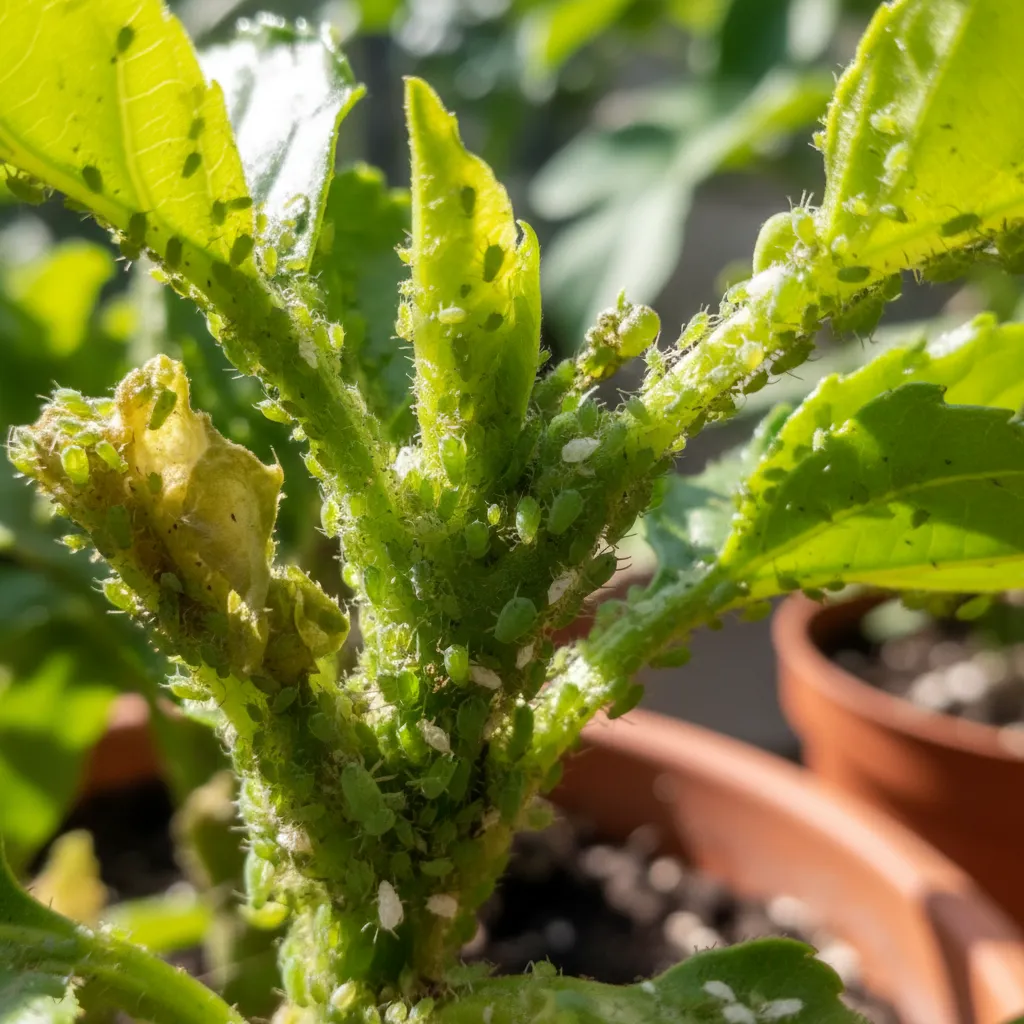
- ✓Pest and Disease Management — Sumac is generally robust and resistant to most common pests and diseases, requiring little intervention.
- ✓Climate — Best suited for temperate to Mediterranean climates, it is adaptable to various hardiness zones but prefers dry conditions.
Reviewed by the Flora Medical Global Botanical Review Panel
Multi-disciplinary editorial group · Botany · Ethnobotany · Herbal-medicine literature
Who reviewed this: This page was checked by the Flora Medical Global Botanical Review Panel — an in-house editorial group of botany graduates, ethnobotany researchers, and horticulture practitioners who collectively maintain our 7,000+ plant encyclopedia. Meet the team.
Our 4-step verification process
1. Taxonomic verification
Scientific names and synonyms cross-checked against Kew POWO, World Flora Online, and The Plant List.
2. Phytochemical & medicinal cross-reference
Active compounds, traditional uses, and reported activities are cross-referenced with PubMed, USDA Dr. Duke's database, and peer-reviewed ethnobotanical literature.
3. Conservation & distribution check
Distribution, ecology, and conservation status confirmed against GBIF occurrence records and the IUCN Red List.
4. Editorial & safety review
Every entry passes an editorial pass for clarity, originality, and safety notices (toxicity, contraindications, dosage caveats) before publication.
Last reviewed:
Important medical disclaimer: This content is for educational and research purposes only. It is not medical advice and is not a substitute for consultation with a licensed healthcare provider. Do not use any herb to self-treat a medical condition without professional guidance.
Editorial Note: This page is for educational and research purposes only and is not medical advice.
Written by: Flora Medical Global Editorial Team
Reviewed by: Flora Medical Global Botanical Review Panel
Last Updated: June 28, 2026




Sumac — Comments & Community Reviews
Rate this plant
No reviews yet. Be the first!