

Medical Disclaimer: This content is for educational purposes only. It is not medical advice. Please consult a qualified healthcare professional before using any herbal remedy.
Safety Overview
1.Sunflower — Plant Snapshot
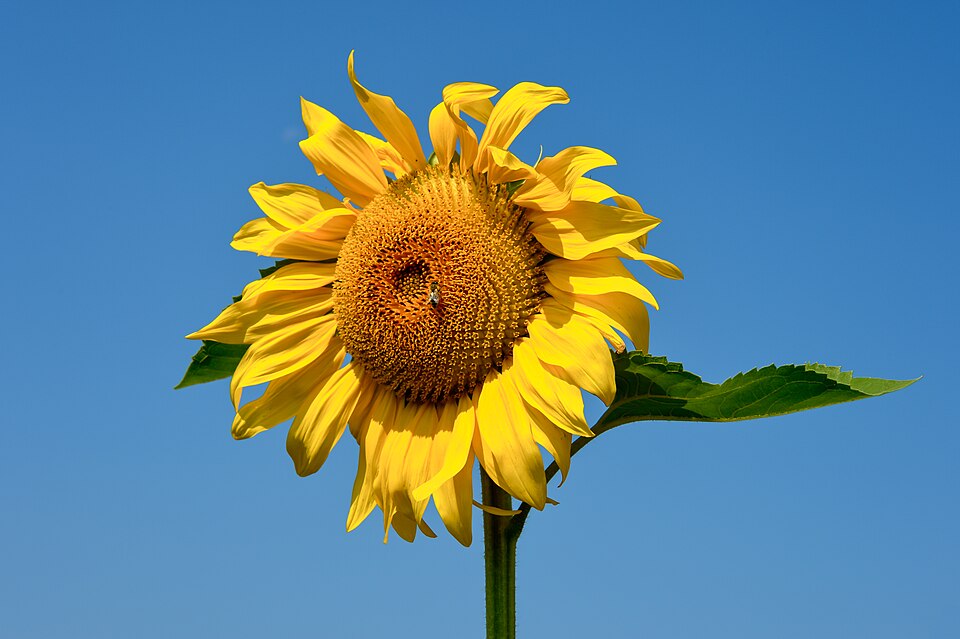
Helianthus annuus, commonly known as the sunflower, is a magnificent annual plant renowned for its striking appearance and widespread agricultural significance. This robust species typically achieves heights ranging from 1 to 3 meters (3 to 10 feet), with some cultivars exceeding 4 meters under optimal growing conditions. Its stout, often hairy stem can reach diameters of 5 cm (2 inches) or more, providing a strong support for its substantial foliage and iconic inflorescence. The leaves of Helianthus annuus are characteristically large, heart-shaped (cordate), and arranged alternately along the stem, though basal leaves may be opposite. They possess a rough, hairy texture on both surfaces and can measure up to 30 cm (12 inches) in length, featuring serrated margins.
The most distinctive feature is its massive floral head, scientifically termed a capitulum, which can span up to 30 cm (12 inches) in diameter. This capitulum is not a single flower but a composite structure composed of numerous individual florets. The outer ring consists of bright yellow, sterile ray florets that resemble petals, while the central disc is packed with hundreds to thousands of fertile disc florets, which mature into the edible seeds. Young sunflowers exhibit heliotropism, a fascinating behavior where their heads track the sun's movement across the sky, maximizing light absorption for photosynthesis. As they mature, most plants cease this movement and face east.
Native to North America, particularly the western United States and Mexico, Helianthus annuus has a rich history of domestication, dating back over 4,000 years by indigenous peoples. They cultivated sunflowers not only for their nutritious seeds but also for oil, dyes, and medicinal purposes. The plant thrives in open fields, requiring full sun exposure and well-drained, loamy soils. Its adaptability to various climates has led to its naturalization and cultivation across the globe, establishing it as a vital oilseed crop and a significant contributor to global biodiversity, providing sustenance for pollinators, birds, and other wildlife. Taxonomically, it belongs to the family Asteraceae, also known as the daisy or composite family, which is one of the largest families of flowering plants.
Trusted Scientific References
1. Authoritative external sources for Helianthus annuus
1.1 Wikipedia — Helianthus annuus
1.2 Kew POWO (Plants of the World Online)
1.3 PubMed — peer-reviewed research
1.4 NCBI Taxonomy Browser
1.5 GBIF — Global Biodiversity
1.1.Sunflower — Key Features
- ✓Distinctive Heliotropic Behavior — Distinctive Heliotropic Behavior (young plants)
- ✓Large, Striking Yellow — Large, Striking Yellow Capitulum (flower head)
- ✓Edible, Nutrient — Rich Seeds (achenes)
- ✓High in Polyunsaturated — High in Polyunsaturated and Monounsaturated Fats
- ✓Excellent Source of — Excellent Source of Vitamin E and Antioxidants
- ✓Contains Essential Minerals — Contains Essential Minerals (Magnesium, Selenium, Zinc)
- ✓Significant Dietary Fiber — Significant Dietary Fiber Content
- ✓Native to North — Native to North America, Globally Cultivated
- ✓Member of the — Member of the Asteraceae Family
- ✓Important Oilseed Crop — Important Oilseed Crop
- ✓Supports Pollinators and — Supports Pollinators and Wildlife
- ✓Adaptable to Various — Adaptable to Various Climates
- ✓Used in Traditional — Used in Traditional Medicine and Modern Cuisine
- ✓Potential Anti — inflammatory and Cardioprotective Benefits
- ✓Stout, Hairy Stem — Stout, Hairy Stem and Large Cordate Leaves
1.2.Sunflower — Snapshot Summary
- ✓Helianthus annuus is a tall annual plant known for its large, sun-tracking flower heads.
- ✓Native to North America, historically used by indigenous peoples for food, oil, and medicine.
- ✓Rich in healthy fats (linoleic acid), Vitamin E, minerals (magnesium, selenium), and fiber.
- ✓Offers significant antioxidant, anti-inflammatory, and cardiovascular benefits.
- ✓Used culinarily as seeds and oil, and traditionally in herbal remedies.
- ✓Generally safe for consumption, but potential for allergies and heavy metal accumulation exists.
- ✓A vital oilseed crop globally, contributing to human nutrition and biodiversity.
- ✓Requires full sun and well-drained soil for optimal growth.
2.Sunflower — Systematic Position
3.Sunflower — Reference Facts
4.Sunflower — Structural Profile
5.Sunflower — Habitat & Distribution
6.Sunflower — Historical Applications
7.Sunflower — Active Compounds
- ✓Fatty Acids — Linoleic acid (omega-6 polyunsaturated fatty acid) is the most abundant, contributing significantly to cardiovascular health. Oleic acid (monounsaturated fatty acid) is also present, especially in high-oleic varieties, known for its stability and heart benefits.
- ✓Tocopherols — Alpha-tocopherol (Vitamin E) is a primary antioxidant found in high concentrations, protecting cell membranes from oxidative damage and supporting skin health. Gamma-tocopherol and delta-tocopherol are also present.
- ✓Phytosterols — Beta-sitosterol, campesterol, and stigmasterol are plant sterols that structurally resemble cholesterol and can help reduce its absorption in the gut, thereby lowering LDL cholesterol levels.
- ✓Phenolic Acids — Chlorogenic acid and caffeic acid are notable phenolic compounds with potent antioxidant and anti-inflammatory activities, contributing to cellular protection and overall health.
- ✓Flavonoids — Quercetin, kaempferol, and luteolin are examples of flavonoids found, acting as antioxidants and exhibiting anti-inflammatory and potentially antitumor properties.
- ✓Triterpene Glycosides — These compounds contribute to the plant's anti-inflammatory and potential antitumor effects, often found in the leaves and stems.
- ✓Sesquiterpene Lactones — Found in various parts of the plant, these compounds may contribute to antimicrobial activity and have been studied for their cytotoxic potential.
- ✓Carotenoids — Beta-carotene and lutein are present, serving as antioxidants and precursors to Vitamin A, important for vision and immune function.
- ✓Minerals — Rich in magnesium, phosphorus, potassium, zinc, selenium, copper, manganese, and iron, all vital for numerous physiological processes including bone health, enzyme function, and immune response.
- ✓Vitamins — Besides Vitamin E, sunflower seeds contain B vitamins (thiamine, riboflavin, niacin, pantothenic acid, B6, folate), crucial for energy metabolism and nervous system function.
- ✓Dietary Fiber — Both soluble and insoluble fibers are present, promoting digestive health, regulating blood sugar, and contributing to satiety.
- ✓Proteins and Amino Acids — Sunflower seeds are a good source of plant-based protein, providing essential amino acids like tryptophan, important for neurotransmitter synthesis.
8.Sunflower — Research Insights
- ✓Antioxidant Properties — Sunflower seeds and oil are rich in tocopherols (Vitamin E) and phenolic compounds like chlorogenic and caffeic acids. These powerful antioxidants neutralize free radicals, protecting cells from oxidative stress and reducing the risk of chronic diseases.
- ✓Anti-inflammatory Effects — The presence of flavonoids, triterpene glycosides, and Vitamin E in sunflower extracts contributes to significant anti-inflammatory actions. These compounds help to modulate inflammatory pathways, potentially alleviating symptoms of conditions like arthritis and asthma.
- ✓Cardiovascular Health Support — Sunflower oil, especially high-oleic varieties, is abundant in monounsaturated and polyunsaturated fatty acids, particularly linoleic acid. These healthy fats help lower LDL ('bad') cholesterol levels and support overall heart function, reducing the risk of atherosclerosis and heart disease.
- ✓Blood Pressure Regulation — Magnesium and potassium found in sunflower seeds play a crucial role in maintaining healthy blood pressure. Magnesium helps relax blood vessels, while potassium counteracts the effects of sodium, contributing to better cardiovascular homeostasis.
- ✓Diabetes Management — Dietary fiber in sunflower seeds helps regulate blood sugar levels by slowing down glucose absorption. Additionally, phytosterols and specific peptides may enhance insulin sensitivity, making sunflower a beneficial food for individuals managing diabetes.
- ✓Skin Protection and Health — The high Vitamin E content in sunflower oil acts as an emollient and antioxidant for the skin. It helps protect skin cells from UV damage, maintains skin barrier integrity, and promotes hydration, reducing signs of aging and improving overall skin texture.
- ✓Antimicrobial Activity — Extracts from various parts of the sunflower plant, particularly the leaves and stems, have demonstrated antimicrobial properties against certain bacteria and fungi. This activity is attributed to compounds like alkaloids, tannins, and saponins, which may inhibit microbial growth.
- ✓Potential Antitumor Effects — Preliminary research suggests that certain phytochemicals in sunflower, such as flavonoids and triterpene glycosides, may exhibit anticarcinogenic properties. These compounds could induce apoptosis in cancer cells or inhibit tumor proliferation, though more research is needed.
- ✓Digestive Health Improvement — The significant dietary fiber content in sunflower seeds promotes healthy digestion and regular bowel movements. Fiber adds bulk to stool, preventing constipation and supporting a healthy gut microbiome.
- ✓Bone Health Support — Sunflower seeds provide essential minerals like magnesium, phosphorus, and copper, all vital for maintaining strong bones. Magnesium contributes to bone density, while phosphorus is a key component of bone structure.
- ✓Mood and Cognitive Enhancement — Tryptophan, an amino acid found in sunflower seeds, is a precursor to serotonin, a neurotransmitter that promotes feelings of well-being and relaxation. Magnesium also plays a role in nerve function, potentially aiding in mood regulation and cognitive processes.
- ✓Hormonal Balance — The presence of lignans and phytosterols in sunflower seeds may help support hormonal balance, particularly in women. These compounds can act as phytoestrogens, potentially mitigating symptoms associated with menopause.
- ✓Immune System Boost — Zinc and selenium, crucial trace minerals found in sunflower seeds, are essential for a robust immune system. Zinc supports immune cell development, while selenium acts as an antioxidant and plays a role in thyroid function, indirectly benefiting immunity.
- ✓Respiratory Health — Traditional medicine has sometimes employed sunflower preparations for respiratory ailments. The anti-inflammatory properties may help soothe irritated airways, though scientific evidence is limited.
- ✓Hair Health Promotion — The Vitamin E and essential fatty acids in sunflower oil nourish the scalp and hair follicles. Topical application can improve hair strength, reduce breakage, and add shine.
- ✓Wound Healing — Anecdotal and traditional uses suggest topical application of sunflower oil can aid in wound healing due to its emollient and potentially antimicrobial properties, protecting the wound and supporting tissue regeneration.
8.1.Sunflower — Health Applications
9.Sunflower — Risk Profile
9.1.Sunflower — Reported Side Effects
- ✓Allergic Reactions — Individuals sensitive to the Asteraceae family (ragweed, marigolds, daisies) may experience allergic reactions to sunflower, including skin rashes, asthma, or anaphylaxis.
- ✓Digestive Upset — Consuming large quantities of sunflower seeds can lead to gastrointestinal discomfort, such as bloating, gas, or diarrhea, due to their high fiber and fat content.
- ✓Weight Gain — Due to their high calorie and fat content, excessive consumption of sunflower seeds or oil can contribute to unwanted weight gain if not managed within dietary limits.
- ✓Heavy Metal Absorption — Sunflowers are known bioaccumulators of cadmium from the soil, which can be a concern with long-term, high intake of seeds grown in contaminated areas.
- ✓Drug Interactions — High doses of Vitamin E from sunflower oil could potentially interact with anticoagulant medications, increasing the risk of bleeding.
- ✓Oral Allergy Syndrome — Some individuals may experience oral allergy syndrome symptoms (itching or tingling in the mouth) when eating sunflower seeds, particularly if they have pollen allergies.
- ✓Phytic Acid Content — Sunflower seeds contain phytic acid, which can bind to minerals like zinc and iron, potentially reducing their absorption if consumed in very large amounts frequently.
- ✓Acrylamide Formation — Roasting sunflower seeds at high temperatures can lead to the formation of acrylamide, a potential carcinogen, though levels are generally low.
9.2.Sunflower — Toxicity Assessment
- ✓Pregnancy and Lactation — Sunflower seeds and oil are generally considered safe for consumption in moderation during pregnancy and lactation as part of a balanced diet. Consult a healthcare professional for medicinal doses.
- ✓Children — Sunflower seeds and oil are safe for children in appropriate serving sizes. Whole seeds can be a choking hazard for very young children.
- ✓Allergic Individuals — Individuals with known allergies to the Asteraceae family should exercise caution or avoid sunflower products due to potential cross-reactivity.
- ✓Blood Thinners — Those on anticoagulant medications should monitor their intake of sunflower products, especially oil, due to its Vitamin E content which may have blood-thinning effects.
- ✓Cadmium Exposure — Consumers concerned about cadmium should source sunflower seeds from reputable growers and avoid excessive consumption, particularly if grown in regions with known soil contamination.
- ✓Digestive Sensitivity — Individuals with sensitive digestive systems should introduce sunflower seeds gradually to assess tolerance and avoid discomfort.
- ✓Storage — Store sunflower seeds and oil in cool, dark places to prevent rancidity, which can degrade beneficial compounds and produce harmful byproducts.
- ✓Moderation is Key — As with any concentrated food, consuming sunflower products in moderation is advisable to avoid potential side effects and ensure a balanced nutrient intake.
10.Sunflower — How to Use
- ✓Culinary Consumption of Seeds — Raw, roasted, or sprouted sunflower seeds can be eaten as a snack, added to salads, cereals, yogurts, or baked goods for a nutritious boost.
- ✓Sunflower Oil for Cooking — Expeller-pressed or cold-pressed sunflower oil, especially high-oleic varieties, is excellent for sautéing, frying, baking, and salad dressings due to its mild flavor and healthy fat profile.
- ✓Leaf Infusions/Teas — Dried sunflower leaves can be steeped in hot water to create a tea, traditionally used for its diuretic or expectorant properties. Use 1-2 teaspoons per cup.
- ✓Topical Oil Application — Sunflower oil can be directly applied to the skin as a moisturizer, massage oil, or carrier oil for essential oils, benefiting from its Vitamin E content for skin health.
- ✓Sunflower Seed Butter — A popular alternative to peanut butter, made by grinding roasted sunflower seeds into a smooth paste, suitable for sandwiches, dips, or baking.
- ✓Root Decoctions — Historically, indigenous cultures prepared decoctions from sunflower roots for various medicinal purposes, though this use is less common today and requires expert guidance.
- ✓Flower Petal Tinctures — Fresh or dried ray florets can be macerated in alcohol to create a tincture, traditionally used for fevers or anti-inflammatory effects.
- ✓Sprouted Seeds — Sprouting sunflower seeds enhances their nutritional value and digestibility, making them a vibrant addition to salads and sandwiches.
- ✓Seed Meal/Flour — Ground sunflower seeds can be used as a gluten-free flour alternative in baking, adding protein and nutrients to breads, muffins, and crackers.
- ✓Poultices from Leaves/Flowers — Crushed fresh leaves or flowers can be applied topically as a poultice to soothe minor skin irritations or bruises, a traditional herbal practice.
11.Sunflower — Growing Guide
- ✓Site Selection — Choose a location with full sun exposure (at least 6-8 hours daily) and protection from strong winds.
- ✓Soil Requirements — Opt for well-drained, fertile, loamy soil with a pH between 6.0 and 7.5; sunflowers can tolerate a range but prefer rich, organic matter.
- ✓Planting Time — Sow seeds directly into the ground after the last frost, typically in late spring when soil temperatures reach at least 10-13°C (50-55°F).
- ✓Seed Depth and Spacing — Plant seeds 2.5-5 cm (1-2 inches) deep and 15-30 cm (6-12 inches) apart, depending on the desired plant size and cultivar.
- ✓Watering — Provide consistent moisture, especially during germination and flowering; established plants are moderately drought-tolerant but benefit from regular watering during dry spells.
- ✓Fertilization — Amend soil with compost or balanced organic fertilizer before planting; sunflowers are heavy feeders and may benefit from additional feeding during growth.
- ✓Support — Taller varieties may require staking to prevent lodging, especially in windy conditions or when heads become heavy with seeds.
- ✓Pest and Disease Management — Monitor for common pests like aphids, cutworms, and birds (which love the seeds); practice crop rotation to prevent fungal diseases like rust and powdery mildew.
- ✓Harvesting — Harvest when the back of the flower head turns yellow and the seeds are plump and easily detached, usually 80-120 days after planting.
- ✓Post-Harvest — Dry harvested heads thoroughly in a well-ventilated area to prevent mold before storing seeds.
Reviewed by the Flora Medical Global Botanical Review Panel
Multi-disciplinary editorial group · Botany · Ethnobotany · Herbal-medicine literature
Who reviewed this: This page was checked by the Flora Medical Global Botanical Review Panel — an in-house editorial group of botany graduates, ethnobotany researchers, and horticulture practitioners who collectively maintain our 7,000+ plant encyclopedia. Meet the team.
Our 4-step verification process
1. Taxonomic verification
Scientific names and synonyms cross-checked against Kew POWO, World Flora Online, and The Plant List.
2. Phytochemical & medicinal cross-reference
Active compounds, traditional uses, and reported activities are cross-referenced with PubMed, USDA Dr. Duke's database, and peer-reviewed ethnobotanical literature.
3. Conservation & distribution check
Distribution, ecology, and conservation status confirmed against GBIF occurrence records and the IUCN Red List.
4. Editorial & safety review
Every entry passes an editorial pass for clarity, originality, and safety notices (toxicity, contraindications, dosage caveats) before publication.
Last reviewed:
Important medical disclaimer: This content is for educational and research purposes only. It is not medical advice and is not a substitute for consultation with a licensed healthcare provider. Do not use any herb to self-treat a medical condition without professional guidance.
Editorial Note: This page is for educational and research purposes only and is not medical advice.
Written by: Flora Medical Global Editorial Team
Reviewed by: Flora Medical Global Botanical Review Panel
Last Updated: June 16, 2026





Sunflower — Comments & Community Reviews
Rate this plant