
Medical Disclaimer: This content is for educational purposes only. It is not medical advice. Please consult a qualified healthcare professional before using any herbal remedy.
Safety Overview
1.Swarna Bhasma — Plant Snapshot
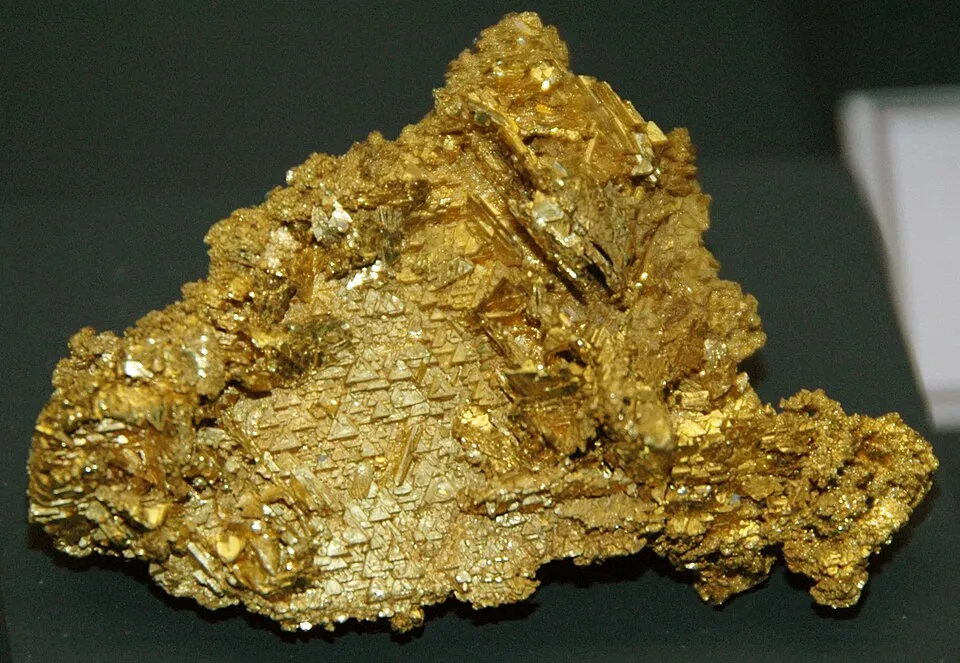
Swarna Bhasma, known scientifically as processed gold, is a revered mineral-based preparation deeply rooted in the ancient Indian medical system of Ayurveda. Unlike raw metallic gold, this unique substance undergoes an elaborate purification and calcination process, transforming it into a micro-fine, silvery-white ash. The meticulous preparation, known as Shodhana (purification) and Marana (incineration), involves repeated trituration with specific herbal juices and subsequent heating cycles at high temperatures (Putapaka).
This traditional alchemical process is crucial for detoxifying the gold and rendering it into highly bioavailable nanoparticles, typically ranging from 28 to 35 nanometers, which are essential for its therapeutic efficacy within the human body. Classified under Rasa Shastra, the branch of Ayurveda dealing with metallic and mineral preparations, Swarna Bhasma is distinguished from typical plant-based remedies. Traditional Ayurvedic texts extensively describe its light, non-toxic nature and its profound ability to balance the three fundamental bio-energies, or Doshas—Vata, Pitta, and Kapha.
Its primary traditional applications revolve around enhancing systemic immunity, promoting overall rejuvenation (Rasayana), and bolstering vitality. Historically, its sourcing is concentrated in regions of India where traditional artisans and Ayurvedic practitioners adhere to stringent quality and purity standards for gold, ensuring the integrity of the raw material. Swarna Bhasma is frequently integrated into a diverse array of Ayurvedic formulations, often synergistically combined with potent herbs like Ashwagandha (Withania somnifera) and Tulsi (Ocimum sanctum) to amplify its therapeutic spectrum and ensure its safe, potent delivery.
Trusted Scientific References
1. Authoritative external sources for Gold (processed)
1.1 Wikipedia — Gold (processed)
1.2 Kew POWO (Plants of the World Online)
1.3 PubMed — peer-reviewed research
1.4 NCBI Taxonomy Browser
1.5 GBIF — Global Biodiversity
1.1.Swarna Bhasma — Defining Traits
- ✓Rasa Shastra Formulation — A classical Ayurvedic metallic preparation with thousands of years of traditional use.
- ✓Ultra — fine Gold Ash — Characterized by its silvery-white, smooth, and powdery consistency, indicating proper preparation.
- ✓Bioavailable Nanoparticles — Comprises gold particles typically sized 28-35 nm, ensuring optimal absorption and cellular interaction.
- ✓Rasayana (Rejuvenator) — Promotes cellular regeneration, anti-aging effects, and overall systemic revitalization.
- ✓Balances Tridosha — Traditionally believed to harmonize Vata, Pitta, and Kapha, restoring energetic balance in the body.
- ✓Potent Antioxidant — Effectively neutralizes harmful free radicals, protecting cells from oxidative damage.
- ✓Immune Booster — Significantly strengthens the body's natural defense mechanisms and enhances resilience.
- ✓Supports Cognitive Function — Beneficial for enhancing memory, focus, and overall neurological health.
- ✓Cardioprotective Potential — Traditionally utilized to support heart health and improve cardiac muscle strength.
- ✓Synergistic with Herbs — Often combined with various botanical remedies to amplify its therapeutic effects and broaden its applications.
1.2.Swarna Bhasma — Concise Overview
- ✓Ayurvedic Gold Preparation — A revered mineral-based medicine from ancient Indian tradition, processed gold.
- ✓Nanoparticle Form — Pure gold transformed into highly bioavailable, ultra-fine ash with nanometer-sized particles.
- ✓Rejuvenative & Immunomodulatory — Renowned for enhancing vitality, boosting systemic immunity, and promoting longevity.
- ✓Potent Antioxidant — Acts as a powerful scavenger of free radicals, significantly reducing oxidative stress in the body.
- ✓Strict Traditional Preparation — Safety and efficacy are contingent upon precise, multi-stage Ayurvedic purification and calcination.
- ✓Expert Guidance Essential — Usage must always be under the supervision of a qualified Ayurvedic physician for safe and effective therapeutic outcomes.
2.Swarna Bhasma — Scientific Profile
3.Swarna Bhasma — Botanical Stats
4.Swarna Bhasma — Plant Morphology
5.Swarna Bhasma — Where It Grows
6.Swarna Bhasma — Cultural & Traditional Roles
7.Swarna Bhasma — Bioactive Constituents
- ✓Gold Nanoparticles (Au) — The primary active component, present in its processed, bioavailable form, typically 28-35 nm, responsible for immunomodulatory, antioxidant, and rejuvenative actions.
- ✓Iron Oxide (Ferric) — Present as a significant constituent (up to 85.0% w/w), often introduced during the manufacturing process from crucibles or as an impurity, potentially contributing to the overall stability and color.
- ✓Copper — Found in varying trace amounts (up to 17.2% w/w), which might be residual from the processing or present in the raw gold, acting as a cofactor for various enzymes.
- ✓Sulfur — Present in small quantities (less than 3.33% w/w), typically introduced during purification (Shodhana) and incineration (Marana) steps, playing a role in detoxification and structural stability.
- ✓Silica — A common mineral oxide (less than 3.8% w/w) often present as an inert residue from the processing materials or as an impurity in the raw gold.
- ✓Calcium — Present in minor amounts (less than 1.625% w/w), potentially from the herbal mediums or crucibles used during the traditional preparation.
- ✓Sodium — A trace electrolyte (less than 0.922% w/w), possibly residual from the purification processes involving various liquid mediums.
- ✓Potassium — Another trace electrolyte (less than 0.370% w/w), similar to sodium, originating from the herbal or mineral processing agents.
- ✓Phosphate — Found in small percentages (less than 1.101% w/w), likely derived from organic materials used in the complex Ayurvedic preparation.
- ✓Sulfate — An anion (less than 3.00% w/w), potentially formed from sulfur compounds or present as an impurity, contributing to the overall mineral composition of the bhasma.
8.Swarna Bhasma — Modern Studies
- ✓Potent Antioxidant — Swarna Bhasma actively scavenges free radicals, significantly increasing the activity of crucial enzymes like superoxide dismutase (SOD) and catalase to reduce oxidative stress and inflammation.
- ✓Immunomodulatory Agent — It is highly regarded for its ability to bolster the body's natural defense mechanisms, enhancing overall immunity and resistance to various ailments.
- ✓Rejuvenative (Rasayana) — This processed gold is celebrated in Ayurveda for promoting longevity, preventing premature aging, and revitalizing tissues and organs at a cellular level.
- ✓Cardioprotective Support — Traditionally used to strengthen heart muscles and improve cardiac function, it is believed to support overall cardiovascular health.
- ✓Neuroprotective Effects — Swarna Bhasma benefits the nervous system by potentially improving cognitive functions, memory, and offering protection against neurological debility.
- ✓Anti-inflammatory Properties — Its free radical scavenging capabilities contribute to reducing systemic inflammation, alleviating discomfort associated with various inflammatory conditions.
- ✓Anxiolytic and Adaptogenic — It may help manage stress, reduce anxiety, and promote mental calmness, acting as an adaptogen to help the body cope with stressors.
- ✓Aphrodisiac Qualities — Traditionally, it is used to enhance reproductive health, improve vitality, and address issues related to infertility and sexual debility.
- ✓Anti-tuberculosis Agent — Ancient Ayurvedic texts mention its use in managing and supporting recovery from conditions like tuberculosis.
- ✓Supports Anemia Treatment — It is traditionally indicated to improve hemoglobin levels and alleviate symptoms associated with anemia.
- ✓Respiratory Health — Swarna Bhasma has been historically employed to address various respiratory conditions, including chronic coughs.
- ✓Enhances General Debility — It effectively combats chronic fatigue, general weakness, and promotes overall physical strength and stamina.
8.1.Swarna Bhasma — Reported Uses
9.Swarna Bhasma — Adverse Effects
9.1.Swarna Bhasma — Side Effects & Warnings
- ✓Toxicity from Improper Preparation — If Swarna Bhasma is not prepared according to stringent Ayurvedic protocols, it can retain metallic toxicity, leading to adverse effects.
- ✓Overdosage Risks — Excessive consumption beyond prescribed limits can potentially lead to accumulation in the body, causing adverse reactions.
- ✓Allergic Reactions — Although rare, some sensitive individuals might experience allergic responses to components within the bhasma.
- ✓Gastrointestinal Discomfort — In certain sensitive individuals, minor digestive upsets or discomfort may occur.
- ✓Interactions with Medications — Potential for interactions with certain allopathic medications, especially those for chronic conditions or heavy metal chelators.
- ✓Kidney or Liver Strain — Improperly prepared bhasma or prolonged high doses could potentially strain the kidneys and liver, especially in individuals with pre-existing conditions.
9.2.Swarna Bhasma — Risk Assessment
- ✓Professional Ayurvedic Consultation — Always use Swarna Bhasma under the direct guidance and prescription of a qualified Ayurvedic practitioner.
- ✓Authenticity and Purity — Ensure the product is sourced from reputable manufacturers who adhere to stringent traditional Ayurvedic pharmacopoeial standards and third-party testing.
- ✓Proper Preparation Verification — The safety of Swarna Bhasma is entirely dependent on its correct and complete Shodhana (purification) and Marana (incineration) processes.
- ✓Strict Dosage Adherence — Never exceed the prescribed dosage, as higher amounts can lead to adverse effects.
- ✓Contraindications — Generally advised against during pregnancy, lactation, and for very young children unless specifically prescribed and monitored by an expert.
- ✓Pre-existing Health Conditions — Individuals with severe kidney, liver, or heart conditions should exercise extreme caution and consult their physician before use.
- ✓Heavy Metal Testing — Reputable products should undergo rigorous testing to ensure the absence of harmful heavy metal contaminants in their toxic forms.
10.Swarna Bhasma — Application Forms
- ✓Oral Administration — Swarna Bhasma is primarily intended for internal consumption, typically as a very fine powder.
- ✓Carrier Substances (Anupana) — It is almost always taken with specific carrier substances (Anupana) like honey, ghee (clarified butter), milk, or appropriate herbal decoctions to enhance its absorption and direct its action.
- ✓Precise Dosage — Due to its potency, only minute quantities are prescribed, often a 'pin-head' amount (typically 15-30 mg), as determined by an Ayurvedic practitioner.
- ✓Optimal Timing — For general rejuvenation and immunity, it is often recommended to be taken once or twice daily, usually in the morning on an empty stomach.
- ✓Combination Therapy — Swarna Bhasma is frequently combined with other Ayurvedic herbs, such as Ashwagandha or Chyawanprash, to create synergistic formulations targeting specific health concerns.
- ✓Professional Guidance — It is crucial to use Swarna Bhasma strictly under the supervision and prescription of a qualified Ayurvedic physician to ensure proper dosage and suitability for individual health conditions.
- ✓Incorporate into Formulations — Beyond direct consumption, it can be integrated into various Ayurvedic medicinal preparations, including specialized tonics, oils, and other complex formulations.
11.Swarna Bhasma — Propagation & Care
- ✓Sourcing Pure Gold — Begins with the selection of high-purity gold metal, typically 24-karat, as the foundational raw material.
- ✓Shodhana (Purification) — The raw gold undergoes initial detoxification and purification steps, often involving heating the gold and quenching it in various herbal liquids like sesame oil, buttermilk, or cow’s urine.
- ✓Marana (Incineration) — Purified gold is then triturated with specific herbal juices, such as Aloe vera pulp or Triphala decoction, forming a paste.
- ✓Putapaka (Calcination) — The paste is meticulously shaped into pellets, sealed in earthen crucibles (Sharava Samputa), and subjected to repeated cycles of high-temperature heating and cooling, known as 'Putapaka'.
- ✓Particle Size Reduction — Each Putapaka cycle reduces the gold to finer particles, ultimately aiming for nanometer-sized ash (bhasma) characterized by its fine, smooth texture and specific color.
- ✓Quality Assurance — The process is repeated until the bhasma exhibits specific physicochemical characteristics, including absence of metallic luster, specific gravity, and a distinct color, ensuring therapeutic efficacy and safety.
- ✓Adherence to Rasa Shastra — The entire preparation strictly follows ancient Ayurvedic Rasa Shastra texts, which detail the precise herbal mediums, temperatures, and number of cycles required.
Reviewed by the Flora Medical Global Botanical Review Panel
Multi-disciplinary editorial group · Botany · Ethnobotany · Herbal-medicine literature
Who reviewed this: This page was checked by the Flora Medical Global Botanical Review Panel — an in-house editorial group of botany graduates, ethnobotany researchers, and horticulture practitioners who collectively maintain our 7,000+ plant encyclopedia. Meet the team.
Our 4-step verification process
1. Taxonomic verification
Scientific names and synonyms cross-checked against Kew POWO, World Flora Online, and The Plant List.
2. Phytochemical & medicinal cross-reference
Active compounds, traditional uses, and reported activities are cross-referenced with PubMed, USDA Dr. Duke's database, and peer-reviewed ethnobotanical literature.
3. Conservation & distribution check
Distribution, ecology, and conservation status confirmed against GBIF occurrence records and the IUCN Red List.
4. Editorial & safety review
Every entry passes an editorial pass for clarity, originality, and safety notices (toxicity, contraindications, dosage caveats) before publication.
Last reviewed:
Important medical disclaimer: This content is for educational and research purposes only. It is not medical advice and is not a substitute for consultation with a licensed healthcare provider. Do not use any herb to self-treat a medical condition without professional guidance.
Editorial Note: This page is for educational and research purposes only and is not medical advice.
Written by: Flora Medical Global Editorial Team
Reviewed by: Flora Medical Global Botanical Review Panel
Last Updated: June 16, 2026





Swarna Bhasma — Comments & Community Reviews
Rate this plant