

Medical Disclaimer: This content is for educational purposes only. It is not medical advice. Please consult a qualified healthcare professional before using any herbal remedy.
Safety Overview
1.Sweet Potato — Overview
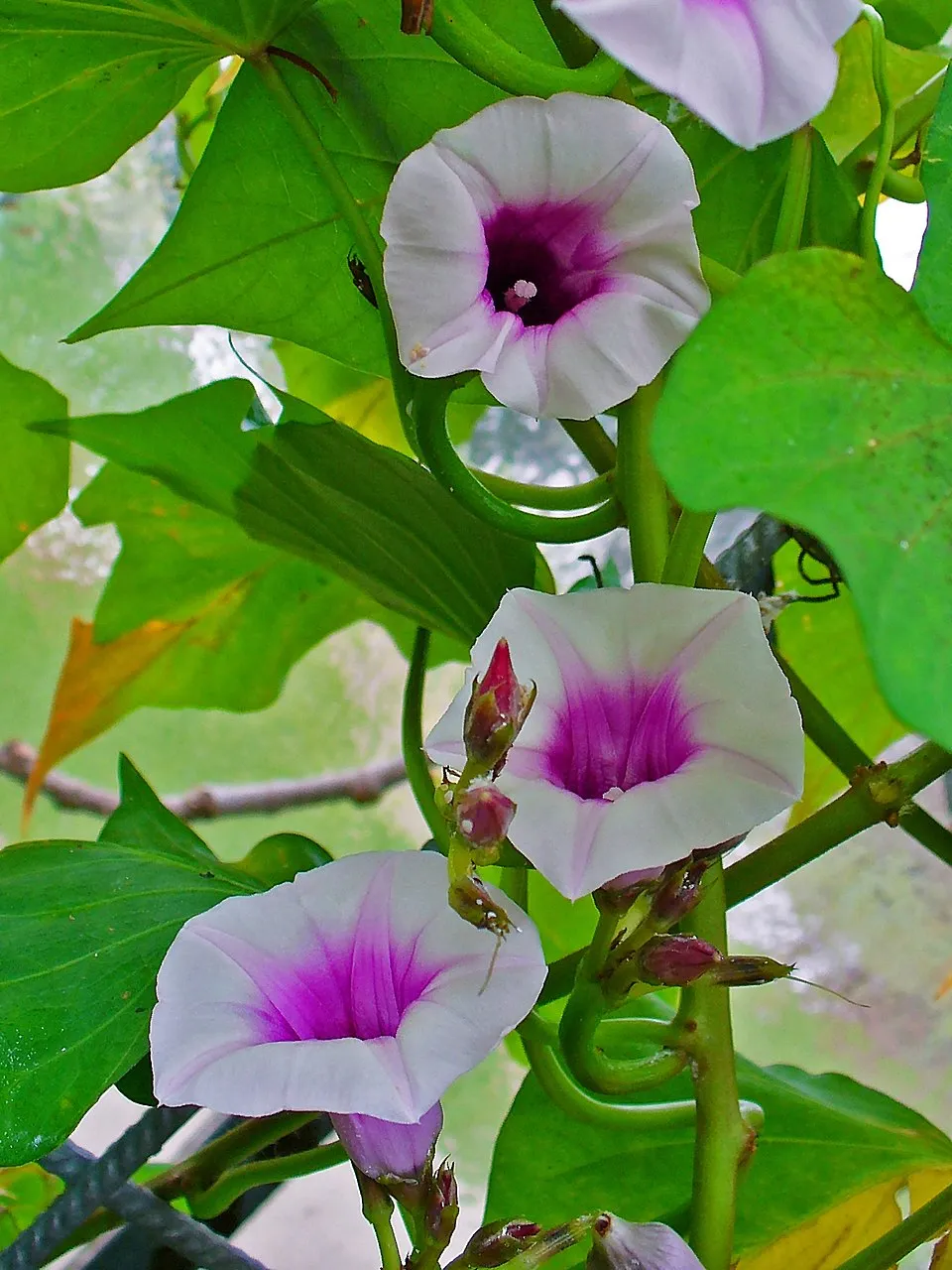
Sweet Potato, scientifically known as Ipomoea batatas, is a remarkable perennial vine revered globally for its edible, starchy tubers. Originating in the Americas, this sprawling plant typically grows to a height of 1-2 feet (30-60 cm), with robust stems capable of trailing up to 10 feet (3 meters) across the ground.
Its leaves are distinctively heart-shaped to deeply lobed, often measuring 4-12 inches (10-30 cm) across, presenting a vibrant green hue with smooth to slightly wavy margins. The foliage can sometimes exhibit purple venation, adding to its visual appeal.
During its primary blooming season in summer, Ipomoea batatas produces charming trumpet-shaped flowers. These blossoms typically range in color from a pale lavender to a delicate light purple, featuring a tube length of about 1-2 inches (2.5-5 cm). The plant's stems can vary from green to a deep purplish tint, depending on the cultivar.
The true botanical treasure lies beneath the soil: the tubers. These smooth-skinned, irregularly shaped roots exhibit an astonishing array of colors, from creamy yellow and vibrant orange to deep red and rich purple. Similarly, their starchy, sweet flesh can be white, yellow, orange, or purple, each offering unique nutritional profiles and culinary characteristics.
Sweet potatoes are thermophilic, thriving in warm, tropical, and subtropical climates. They demand well-draining, sandy loam soils with a slightly acidic to neutral pH (5.5-7.0) for optimal growth and tuber development. While extensively cultivated in their native Americas, their adaptability has led to widespread adoption across Africa and Asia, where they serve as a critical staple food crop, particularly in food-insecure regions.
Its taxonomic classification places it within the Convolvulaceae family, commonly known as the morning glory family, which is characterized by its typically twining or climbing habits and often showy, funnel-shaped flowers. This family includes other well-known ornamental and agricultural species, but Ipomoea batatas stands out for its significant role in global food security and its burgeoning recognition as a valuable medicinal plant, celebrated for its high nutritional density and resilient growth.
Trusted Scientific References
1. Authoritative external sources for Ipomoea batatas
1.1 Wikipedia — Ipomoea batatas
1.2 Kew POWO (Plants of the World Online)
1.3 PubMed — peer-reviewed research
1.4 NCBI Taxonomy Browser
1.5 GBIF — Global Biodiversity
1.1.Sweet Potato — Key Features
- ✓High in Beta — carotene (Vitamin A precursor).
- ✓Rich source of — Rich source of Vitamin C and B vitamins.
- ✓Excellent dietary fiber — Excellent dietary fiber content.
- ✓Potent natural antioxidant — Potent natural antioxidant properties.
- ✓Exhibiting anti — inflammatory effects.
- ✓Potential antidiabetic agent. — Potential antidiabetic agent.
- ✓Widely cultivated global — Widely cultivated global staple food.
- ✓Versatile culinary applications. — Versatile culinary applications.
- ✓Perennial vining plant — Perennial vining plant morphology.
- ✓Produces trumpet — shaped flowers.
- ✓Distinctive heart — shaped to lobed leaves.
- ✓Tubers display a — Tubers display a wide range of skin and flesh colors.
- ✓Member of the — Member of the Convolvulaceae (morning glory) family.
- ✓Adaptable to various — Adaptable to various warm climates and soil types.
1.2.Sweet Potato — In Brief
- ✓Nutrient-rich root vegetable packed with vitamins, minerals, and fiber.
- ✓Potent antioxidant and anti-inflammatory properties, especially purple varieties.
- ✓Supports blood sugar regulation and cardiovascular health.
- ✓Aids digestive health and boosts immune function.
- ✓Excellent source of Beta-carotene for vision and skin health.
- ✓Versatile culinary ingredient used in diverse dishes globally.
- ✓Generally considered safe for consumption as a staple food.
- ✓Potential anticancer and cognitive benefits from phytochemicals.
2.Sweet Potato — Taxonomic Classification
3.Sweet Potato — Reference Facts
4.Sweet Potato — Morphological Account
5.Sweet Potato — Habitat & Distribution
6.Sweet Potato — Ethnobotanical Uses
7.Sweet Potato — Active Compounds
- ✓Carotenoids — Primarily Beta-carotene (C40H56), a potent antioxidant and precursor to Vitamin A, responsible for the orange color; also includes alpha-carotene and lutein, vital for vision and immune health.
- ✓Anthocyanins — Water-soluble pigments (e.g., cyanidin, peonidin derivatives) responsible for the purple and red hues in certain cultivars, exhibiting strong antioxidant, anti-inflammatory, and anticancer activities.
- ✓Phenolic Acids — Includes chlorogenic acid (C16H18O9), caffeic acid, and ferulic acid, which are powerful antioxidants with anti-inflammatory and antidiabetic effects.
- ✓Flavonoids — Compounds like quercetin (C15H10O7), kaempferol, and rutin, known for their antioxidant, anti-inflammatory, and cardioprotective properties.
- ✓Triterpenes — Such as ipomeamarone and related furanoterpenes, which are phytoalexins produced in response to stress, showing antimicrobial and potential anticancer activities.
- ✓Coumarins — Simple phenolic compounds like scopoletin, which possess anti-inflammatory, antioxidant, and antimicrobial properties.
- ✓Dietary Fiber — Both soluble fiber (e.g., pectin) and insoluble fiber (e.g., cellulose, hemicellulose), crucial for digestive health, blood sugar regulation, and cholesterol reduction.
- ✓Vitamins — Rich in Vitamin C (ascorbic acid, C6H8O6) for immune support and collagen synthesis; B vitamins (B1, B2, B3, B5, B6, B9) for metabolism and nerve function; and Vitamin E (tocopherols) for antioxidant protection.
- ✓Minerals — Significant sources of Potassium (K) for blood pressure regulation, Manganese (Mn) for bone health and metabolism, Copper (Cu) for red blood cell formation, and Magnesium (Mg) for muscle and nerve function.
- ✓Proteins — Contains storage proteins like sporamin, which accounts for a significant portion of the tuber protein and exhibits protease inhibitory activity.
- ✓Starches — Primarily amylose and amylopectin, serving as the main carbohydrate energy source, with varying digestibility depending on cultivar and cooking method.
- ✓Sugars — Predominantly sucrose, glucose, and fructose, contributing to the sweet taste.
8.Sweet Potato — Research Insights
- ✓Antioxidant Powerhouse — Sweet potatoes, especially purple varieties, are rich in anthocyanins and carotenoids which neutralize harmful free radicals, protecting cells from oxidative damage and reducing the risk of chronic diseases.
- ✓Anti-inflammatory Properties — Compounds like anthocyanins and phenolic acids in Ipomoea batatas have been shown to modulate inflammatory pathways, potentially alleviating symptoms of inflammatory conditions.
- ✓Blood Sugar Regulation — Despite their sweetness, sweet potatoes have a moderate glycemic index and contain specific fibers and adiponectin-like proteins that may improve insulin sensitivity and help manage blood glucose levels, particularly in the leaves.
- ✓Anticancer Potential — Research suggests that the vibrant pigments, particularly beta-carotene and anthocyanins, exhibit antiproliferative effects against various cancer cell lines, inhibiting tumor growth and inducing apoptosis.
- ✓Cardiovascular Health Support — The potassium content helps regulate blood pressure, while fiber and antioxidants contribute to reducing cholesterol levels and preventing arterial plaque buildup, thus promoting heart health.
- ✓Digestive System Health — High dietary fiber, both soluble and insoluble, aids in regular bowel movements, prevents constipation, and supports a healthy gut microbiome, acting as a prebiotic.
- ✓Enhanced Immune Function — Abundant Vitamin C and beta-carotene (a precursor to Vitamin A) bolster the immune system, supporting the production and function of white blood cells essential for fighting infections.
- ✓Vision Health Improvement — The exceptionally high beta-carotene content, which converts to Vitamin A in the body, is crucial for maintaining healthy vision, preventing night blindness, and protecting against age-related macular degeneration.
- ✓Skin Health Promotion — Antioxidants like Vitamin C and beta-carotene contribute to healthy skin by protecting against UV damage, promoting collagen synthesis, and supporting cell regeneration for a youthful complexion.
- ✓Cognitive Function Support — Antioxidants and anti-inflammatory compounds may protect brain cells from damage, potentially supporting cognitive function and reducing the risk of neurodegenerative diseases.
- ✓Weight Management Aid — The high fiber content promotes satiety, reducing overall calorie intake, while its complex carbohydrates provide sustained energy, making it a beneficial food for weight control.
- ✓Bone Health Contribution — Sweet potatoes provide essential minerals like manganese and potassium, which play roles in bone formation and maintaining bone density.
- ✓Detoxification Support — The fiber content assists in the elimination of toxins from the digestive tract, while various phytonutrients support liver detoxification pathways.
- ✓Anemia Prevention — While not exceptionally high in iron, sweet potatoes contain Vitamin C, which significantly enhances the absorption of non-heme iron from plant-based foods, aiding in anemia prevention.
- ✓Stress Reduction — Magnesium, present in sweet potatoes, is known for its role in reducing stress and anxiety, contributing to overall mental well-being.
8.1.Sweet Potato — Therapeutic Indications
9.Sweet Potato — Precautions & Warnings
9.1.Sweet Potato — Side Effects & Warnings
- ✓Digestive Discomfort — High fiber content can lead to gas, bloating, or abdominal cramps, especially when consumed in large quantities by individuals unaccustomed to high-fiber diets.
- ✓Oxalate Content — Sweet potatoes contain oxalates, which can contribute to kidney stone formation in susceptible individuals. Cooking can reduce oxalate levels.
- ✓Allergic Reactions — Although rare, some individuals may experience allergic reactions, including skin rashes, itching, or digestive upset, to sweet potatoes.
- ✓Vitamin A Toxicity (Theoretical) — While beta-carotene from sweet potatoes is converted to Vitamin A as needed, excessive consumption of highly concentrated extracts could theoretically lead to carotenemia (orange skin discoloration), but actual Vitamin A toxicity from food is highly unlikely.
- ✓Glycemic Impact — While generally moderate, the glycemic index of sweet potatoes can vary by cultivar and cooking method. Diabetics should monitor their blood sugar and consume in moderation.
- ✓Drug Interactions — Due to their potassium content, individuals on certain medications (e.g., potassium-sparing diuretics) should consult a healthcare provider regarding large intakes.
- ✓Pesticide Residues — Non-organic sweet potatoes may contain pesticide residues, necessitating thorough washing or choosing organic varieties.
- ✓Storage Toxins — Improperly stored or damaged sweet potatoes can develop toxins like ipomeamarone, making them unsafe for consumption.
9.2.Sweet Potato — Toxicity Assessment
- ✓Generally Recognized As Safe (GRAS) — Sweet potatoes are widely consumed as a food and are generally considered safe for most healthy individuals when eaten in moderation as part of a balanced diet.
- ✓Pregnancy and Lactation — Sweet potatoes are safe and beneficial during pregnancy and lactation due due to their rich nutrient profile, including folate and Vitamin A, but medicinal extracts should be avoided without medical advice.
- ✓Children and Elderly — They are a nutritious and easily digestible food for children and the elderly, providing essential vitamins, minerals, and fiber.
- ✓Individuals with Kidney Issues — Those prone to kidney stones or with existing kidney disease should consume sweet potatoes in moderation due to their oxalate and potassium content, and consult their doctor.
- ✓Diabetic Considerations — While beneficial for blood sugar management, diabetics should monitor portion sizes and preparation methods to manage glycemic response effectively.
- ✓Moderation is Key — As with any food, excessive consumption may lead to digestive discomfort or an imbalance of nutrients. A varied diet is always recommended.
- ✓Source and Preparation — Opt for organic sweet potatoes when possible to minimize pesticide exposure. Ensure proper cooking and storage to avoid potential toxins.
- ✓Consult Healthcare Professional — For individuals with chronic health conditions or those taking medications, it is advisable to consult a healthcare provider before using sweet potato extracts or supplements for medicinal purposes.
10.Sweet Potato — Preparation & Dosage
- ✓Culinary Preparation (Tubers) — Sweet potato tubers are incredibly versatile and can be baked, roasted, boiled, mashed, fried, grilled, or steamed. They are used in both savory and sweet dishes, from fries and casseroles to pies and breads.
- ✓Leaf Consumption — The young leaves and tender shoots of Ipomoea batatas are highly nutritious and can be cooked like spinach or other leafy greens, stir-fried, added to soups, or blanched and served as a side dish.
- ✓Traditional Decoction — In some traditional medicinal systems, a decoction made from boiled sweet potato leaves or tubers is consumed to address digestive issues or as a general tonic.
- ✓Poultice Application — Mashed or grated raw sweet potato tubers have been traditionally applied as a poultice to soothe skin irritations, minor burns, or inflammatory conditions topically.
- ✓Juice Extraction — Fresh sweet potato juice, often combined with other fruits or vegetables, is consumed as a nutrient-dense beverage, believed to support overall health and detoxification.
- ✓Flour Production — Dried sweet potato tubers can be ground into flour, which is used as a gluten-free alternative in baking or as a thickening agent in various culinary applications.
- ✓Fermented Products — In some cultures, sweet potatoes are fermented to produce alcoholic beverages or fermented foods, enhancing their digestibility and nutrient bioavailability.
- ✓Supplement Form — Extracts of sweet potato, particularly those rich in anthocyanins or specific proteins, are available in capsule or powder form as dietary supplements for targeted health benefits like blood sugar management or antioxidant support.
- ✓Sweet Potato Chips — Thinly sliced and baked or air-fried sweet potato chips offer a healthier alternative to traditional potato chips, providing a crunchy, nutrient-rich snack.
- ✓Animal Feed — Beyond human consumption, sweet potato tubers and foliage are also utilized as a nutritious feed source for livestock, contributing to sustainable agriculture.
11.Sweet Potato — Propagation & Care
- ✓Climate Requirements — Sweet potatoes thrive in warm, frost-free climates, ideally tropical or subtropical regions, requiring at least 4-5 months of warm weather.
- ✓Soil Preparation — Prefer well-draining, loose, sandy loam soil with a pH between 5.5 and 7.0; heavy clay soils can impede tuber development. Incorporate compost or well-rotted manure to improve fertility and structure.
- ✓Propagation Method — Primarily propagated from 'slips' (sprouted shoots from mature tubers) rather than seeds, ensuring genetic consistency and desirable tuber characteristics.
- ✓Planting Time — Plant slips after the last frost when soil temperatures consistently reach 60°F (15°C) or higher, typically in late spring or early summer.
- ✓Spacing and Depth — Plant slips approximately 12-18 inches (30-45 cm) apart in rows 3-4 feet (90-120 cm) apart, burying them deep enough so only the top leaves are exposed.
- ✓Watering Needs — Require consistent moisture, especially during the first few weeks after planting and during tuber development; avoid waterlogging which can lead to rot.
- ✓Fertilization Strategy — Use a balanced fertilizer initially, then shift to one lower in nitrogen and higher in phosphorus and potassium to promote tuber growth rather than excessive foliage.
- ✓Weed Control — Keep the planting area free of weeds, especially when plants are young, as weeds compete for nutrients and water. Mulching can help suppress weeds and retain soil moisture.
- ✓Pest and Disease Management — Monitor for common pests like sweet potato weevils, wireworms, and diseases such as black rot or fusarium wilt. Implement crop rotation to minimize disease buildup.
- ✓Harvesting Indicators — Tubers are typically ready for harvest 90-120 days after planting, usually before the first frost. Yellowing leaves and increased tuber size are good indicators.
- ✓Curing Process — After harvest, cure tubers for 5-10 days at high humidity (85-90%) and warm temperatures (80-85°F / 27-29°C) to heal cuts, enhance sweetness, and improve storage life.
- ✓Storage Conditions — Store cured sweet potatoes in a cool, dark, well-ventilated area (55-60°F / 13-16°C) for several months.
Reviewed by the Flora Medical Global Botanical Review Panel
Multi-disciplinary editorial group · Botany · Ethnobotany · Herbal-medicine literature
Who reviewed this: This page was checked by the Flora Medical Global Botanical Review Panel — an in-house editorial group of botany graduates, ethnobotany researchers, and horticulture practitioners who collectively maintain our 7,000+ plant encyclopedia. Meet the team.
Our 4-step verification process
1. Taxonomic verification
Scientific names and synonyms cross-checked against Kew POWO, World Flora Online, and The Plant List.
2. Phytochemical & medicinal cross-reference
Active compounds, traditional uses, and reported activities are cross-referenced with PubMed, USDA Dr. Duke's database, and peer-reviewed ethnobotanical literature.
3. Conservation & distribution check
Distribution, ecology, and conservation status confirmed against GBIF occurrence records and the IUCN Red List.
4. Editorial & safety review
Every entry passes an editorial pass for clarity, originality, and safety notices (toxicity, contraindications, dosage caveats) before publication.
Last reviewed:
Important medical disclaimer: This content is for educational and research purposes only. It is not medical advice and is not a substitute for consultation with a licensed healthcare provider. Do not use any herb to self-treat a medical condition without professional guidance.
Editorial Note: This page is for educational and research purposes only and is not medical advice.
Written by: Flora Medical Global Editorial Team
Reviewed by: Flora Medical Global Botanical Review Panel
Last Updated: June 16, 2026





Sweet Potato — Comments & Community Reviews
Rate this plant