
Medical Disclaimer: This content is for educational purposes only. It is not medical advice. Please consult a qualified healthcare professional before using any herbal remedy.
Safety Overview
1.Tabebuia — Introduction & Highlights

Tabebuia rosea, commonly known as the pink trumpet tree, pink poui, or maquilíshuat in El Salvador where it is the national tree, is a magnificent deciduous tree belonging to the Bignoniaceae family. This neotropical species can reach impressive heights of up to 30 meters with a trunk diameter of 100 cm, characterized by light gray to brown bark that becomes vertically fissured and scaly with age. Its leaves are compound and digitate, typically featuring five leaflets, with the central one being the largest, providing a dense green canopy during the rainy season.
The tree's most striking feature is its profusion of showy, trumpet-shaped flowers, predominantly in vibrant pink to purple hues, measuring up to 8 cm in diameter. These blooms appear in dense clusters, often on defoliated branches, creating a stunning visual display mainly during the dry season from January to February, though flowering can also occur in other months. Pollination is primarily by insects, with birds like hummingbirds also visiting.
Following flowering, long, slender fruit capsules, up to 35 cm, develop, which dehisce to release numerous winged seeds that are easily dispersed by wind and exhibit nearly 100% germination rates. Native to tropical and subtropical regions from southern Mexico down to Venezuela and Ecuador, Tabebuia rosea thrives in various well-drained soils, from sea level up to 1,200 meters, preferring temperatures between 20°C and 30°C and annual rainfall above 500 mm. It is widely planted as an ornamental tree in parks and gardens across Neotropical cities, providing both aesthetic beauty and ecological benefits.
Trusted Scientific References
Authoritative external sources for Tabebuia rosea:
Tabebuia should be interpreted through verified botanical identity, practical care, and responsible safety language. This recovery note adds the missing context needed for a complete profile: match light to the plant's habit, use well-drained soil, water according to season, and avoid unsupported medicinal or edible claims. For publishing, the plant can be presented as a source-backed medicinal plant with clear care guidance, common problem diagnosis, and conservative safety wording.
1.1.Tabebuia — Key Features
- ✓Botanical Name — Tabebuia rosea.
- ✓Common Names — Pink Trumpet Tree, Pink Poui, Rosy Trumpet Tree, Maquilíshuat, Sakura Malaysia.
- ✓Family — Bignoniaceae.
- ✓Native Range — Central and South America.
- ✓Distinctive Flowers — Showy, trumpet-shaped, vibrant pink to purple blooms.
- ✓Traditional Uses — Immune support, anti-inflammatory, antiparasitic, digestive aid.
- ✓Key Bioactive Compound — Lapachol (a naphthoquinone).
- ✓Growth Habit — Deciduous tree, reaching up to 30 meters, known for fast growth.
- ✓Ecological Role — Valued ornamental, shade tree, and attracts various pollinators.
- ✓Safety Concern — Potential toxicity of lapachol, especially with internal or prolonged use.
1.2.Tabebuia — In Brief
- ✓Pink Trumpet Tree (Tabebuia rosea) is a striking Neotropical ornamental and medicinal tree.
- ✓Traditionally valued for immune support, anti-inflammatory, and antiparasitic actions.
- ✓Contains potent bioactive compounds including naphthoquinones (like lapachol), flavonoids, and terpenoids.
- ✓Lapachol, while active against parasites, exhibits significant toxicity, limiting its internal therapeutic use.
- ✓Strongly contraindicated in pregnancy, for individuals with bleeding disorders, or those on specific medications.
- ✓Renowned for its dramatic pink floral displays and important ecological role in its native habitats.
2.Tabebuia — Scientific Identity
3.Tabebuia — Categories & Tags
4.Tabebuia — Plant Morphology
5.Tabebuia — Historical Applications
6.Tabebuia — Secondary Metabolites
- ✓Naphthoquinones — Lapachol and deoxylapachol are prominent, known for their antimalarial, antitrypanosomal, and antimicrobial activities; lapachol was also investigated for anticancer effects but showed significant toxicity.
- ✓Alkaloids — Various nitrogen-containing compounds are present, contributing to the plant's diverse pharmacological effects, though specific alkaloids in T. rosea are less characterized than naphthoquinones.
- ✓Flavonoids — Compounds like quercetin and kaempferol derivatives are found, providing potent antioxidant, anti-inflammatory, and potentially antiallergic properties.
- ✓Terpenoids — Includes diterpenes and triterpenes, which contribute to the plant's anti-inflammatory, antimicrobial, and cytoprotective actions.
- ✓Phenolic Acids — Such as caffeic acid and ferulic acid, these compounds are strong antioxidants, crucial for scavenging free radicals and reducing oxidative damage.
- ✓Saponins — Glycosidic compounds that may contribute to immune system modulation, exhibiting some antimicrobial and hemolytic properties.
- ✓Iridoids — A class of monoterpenoids that can possess anti-inflammatory, analgesic, and antimicrobial activities, though their specific role in T. rosea is still being explored.
- ✓Lignans — Dimeric phenolic compounds with antioxidant and potential anticancer activities, contributing to the plant's overall therapeutic profile.
- ✓Tannins — Both hydrolyzable and condensed tannins are present, imparting astringent properties that can be beneficial for digestive health, wound healing, and as antimicrobial agents.
- ✓Glycosides — A diverse group of compounds where a sugar molecule is bonded to a non-sugar component, contributing to various therapeutic effects including cardiac and anti-inflammatory actions.
7.Tabebuia — Modern Studies
- ✓Immune Support — Traditionally utilized to bolster the body's natural defenses and promote overall wellness, particularly through its antioxidant and adaptogenic properties.
- ✓Anti-inflammatory Effects — Decoctions of bark, leaves, and roots have been historically employed to mitigate inflammation, reduce fevers, and alleviate various forms of pain.
- ✓Antioxidant Protection — Rich in phenolic compounds and flavonoids, it helps protect cells from oxidative stress caused by free radicals, contributing to cellular health.
- ✓Digestive Health — A decoction made from the bark has been traditionally recommended to address constipation, aiding in healthy bowel function.
- ✓Antiparasitic Action — Preparations from the bark are consumed in traditional medicine to eliminate intestinal parasites, supporting gastrointestinal hygiene.
- ✓Antimalarial Properties — The presence of naphthoquinones like lapachol has demonstrated antimalarial effects in preliminary studies, validating a traditional use.
- ✓Anticancer Research — Historically used for conditions like uterine cancer, and while lapachol was studied for its cytotoxic potential, its high toxicity limits clinical application.
- ✓Fever Reduction — Traditional remedies specifically include decoctions of flowers, leaves, and roots to bring down fevers.
- ✓Pain Relief — The plant's analgesic properties, derived from its anti-inflammatory constituents, have been traditionally harnessed to soothe various aches and pains.
- ✓Diaphoretic Properties — Traditional use indicates that certain preparations can induce sweating, which is beneficial for reducing fever and detoxification.
- ✓Tonsil Inflammation Treatment — Decoctions of the plant's parts have been traditionally applied to alleviate inflammation of the tonsils.
- ✓General Wellness Promotion — Broadly used in folk medicine as a tonic to enhance general vitality and address a wide array of non-specific ailments.
7.1.Tabebuia — Indications & Uses
8.Tabebuia — Risk Profile
8.1.Tabebuia — Possible Adverse Reactions
- ✓Gastrointestinal Upset — May cause nausea, vomiting, stomach cramps, or diarrhea, particularly with higher doses or sensitive individuals.
- ✓Anticoagulant Effects — Compounds like lapachol can inhibit blood clotting, potentially increasing the risk of bleeding, especially when combined with blood-thinning medications.
- ✓Reproductive Toxicity — Lapachol has demonstrated embryolethality and other adverse reproductive effects in animal studies, indicating potential harm during pregnancy.
- ✓Liver and Kidney Toxicity — High doses or prolonged use, especially of preparations rich in lapachol, may lead to damage to the liver and kidneys.
- ✓Anemia — While traditionally used for anemia, very high doses of certain constituents might paradoxically affect red blood cell production.
- ✓Allergic Reactions — Sensitive individuals may experience hypersensitivity reactions such as skin rashes, itching, or respiratory discomfort.
- ✓Drug Interactions — Potential to interact with a range of medications, including anticoagulants, antiplatelet drugs, and possibly immunosuppressants, altering their efficacy or increasing adverse effects.
8.2.Tabebuia — Safety Overview
- ✓Pregnancy and Lactation — Absolutely contraindicated during pregnancy due to demonstrated embryolethality of lapachol; avoid during breastfeeding due to lack of safety data.
- ✓Bleeding Disorders and Surgery — Not recommended for individuals with bleeding disorders or prior to any surgical procedures due to its potential anticoagulant effects.
- ✓Liver or Kidney Disease — Use with extreme caution, or avoid entirely, in patients with pre-existing liver or kidney conditions due to potential organ toxicity, particularly from lapachol.
- ✓Medication Interactions — Consult a qualified healthcare professional before use if taking any prescription medications, especially blood thinners, immunosuppressants, or drugs metabolized by the liver.
- ✓Dosage Adherence — Strict adherence to recommended dosages from a qualified herbalist or healthcare provider is essential to minimize the risk of adverse effects.
- ✓Children — Not recommended for use in children due to insufficient safety data and the potency of its active compounds, which may be too strong for developing systems.
- ✓Long-term Use — Prolonged or continuous internal use is generally discouraged and should be under strict medical supervision due to the potential for cumulative toxicity.
9.Tabebuia — Preparation & Dosage
- ✓Bark Decoction — Prepared by boiling dried bark in water, traditionally consumed internally for parasitic infections, constipation, and anemia, or used as a wash for external conditions.
- ✓Leaf Infusion — Dried or fresh leaves are steeped in hot water to create an herbal tea, often consumed for fever reduction, pain relief, and general wellness support.
- ✓Root Decoction — Roots are boiled to extract their active compounds, used in traditional medicine for more potent remedies targeting pain and systemic inflammation.
- ✓Topical Application — Crushed fresh leaves or a poultice made from powdered bark mixed with water may be applied externally to localized areas for pain or inflammation, though less common.
- ✓Standardized Extracts — Modern preparations may involve concentrated extracts of the bark or other parts, available in capsule or liquid forms, allowing for more consistent and precise dosing.
- ✓Tinctures — Alcohol-based extracts of the bark or other plant material, providing a shelf-stable and easily absorbed form for internal administration, typically diluted in water.
- ✓Herbal Teas — Dried flowers or small pieces of bark can be brewed into a pleasant-tasting herbal tea, often for mild health benefits or as a general health tonic.
- ✓Culinary Use — Tabebuia rosea is not typically used in culinary applications, with its primary value residing in its ornamental beauty and medicinal properties.
10.Tabebuia — Growing Guide
- ✓Climate Preference — Thrives in tropical to subtropical climates (USDA zones 9-11), preferring average temperatures between 20°C and 30°C with annual rainfall exceeding 500mm.
- ✓Soil Requirements — Prefers well-draining sandy or loamy soils but is adaptable to various soil pH levels; good aeration is crucial to prevent root rot.
- ✓Sunlight Exposure — Requires full sun exposure for optimal growth, vigorous flowering, and healthy development; avoid shaded locations.
- ✓Watering Regime — Needs regular and consistent watering, especially during dry periods and throughout its establishment phase; mature trees exhibit some drought tolerance.
- ✓Propagation — Easily propagated from seeds, which boast an almost 100% germination rate; can also be successfully grown from semi-hardwood cuttings.
- ✓Growth Rate — Considered a fairly fast-growing tree, capable of reaching significant height and canopy spread relatively quickly under ideal conditions.
- ✓Pruning — Minimal pruning is typically required, primarily for shaping, removing dead or damaged branches, or to control size after the main flowering season.
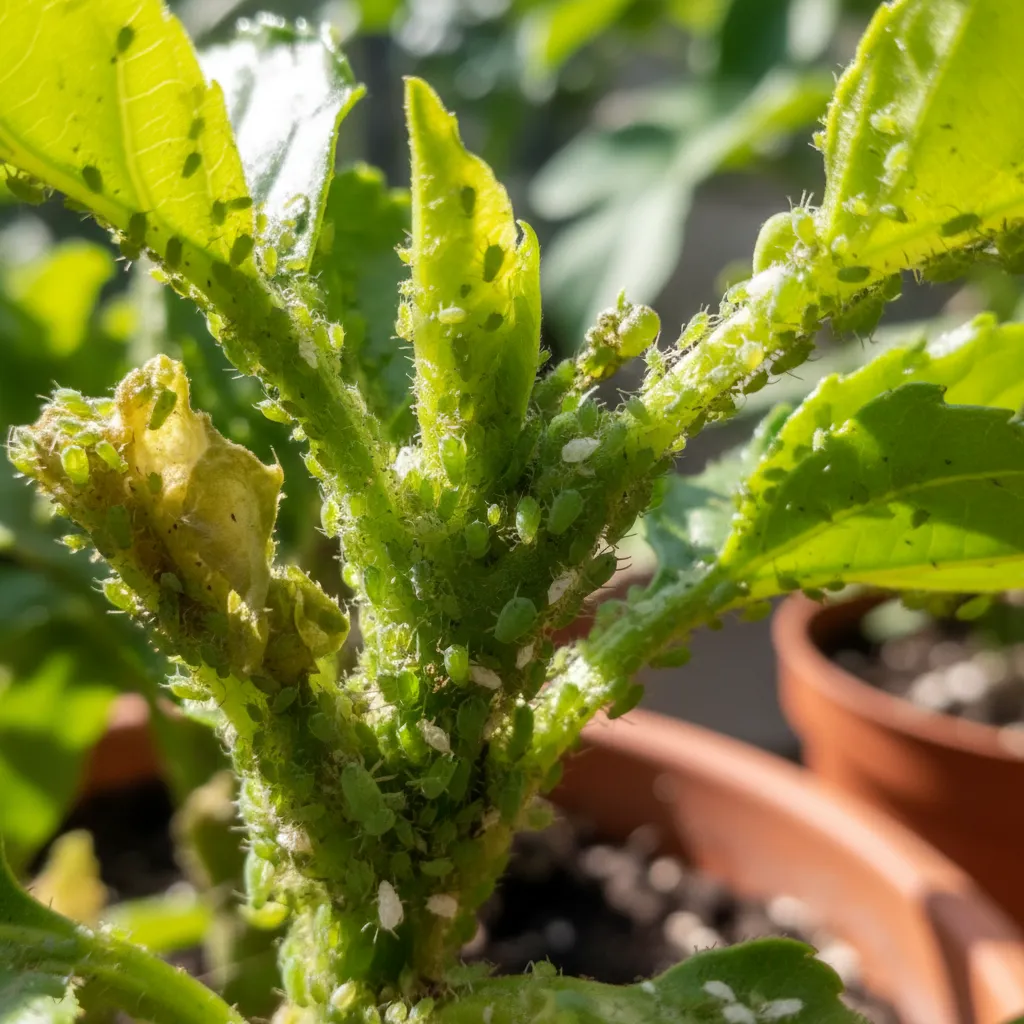
- ✓Pest and Disease Management — Generally robust, but monitor for common tropical tree pests like aphids or scale insects and potential fungal issues, ensuring good air circulation and appropriate watering.
Reviewed by the Flora Medical Global Botanical Review Panel
Multi-disciplinary editorial group · Botany · Ethnobotany · Herbal-medicine literature
Who reviewed this: This page was checked by the Flora Medical Global Botanical Review Panel — an in-house editorial group of botany graduates, ethnobotany researchers, and horticulture practitioners who collectively maintain our 7,000+ plant encyclopedia. Meet the team.
Our 4-step verification process
1. Taxonomic verification
Scientific names and synonyms cross-checked against Kew POWO, World Flora Online, and The Plant List.
2. Phytochemical & medicinal cross-reference
Active compounds, traditional uses, and reported activities are cross-referenced with PubMed, USDA Dr. Duke's database, and peer-reviewed ethnobotanical literature.
3. Conservation & distribution check
Distribution, ecology, and conservation status confirmed against GBIF occurrence records and the IUCN Red List.
4. Editorial & safety review
Every entry passes an editorial pass for clarity, originality, and safety notices (toxicity, contraindications, dosage caveats) before publication.
Last reviewed:
Important medical disclaimer: This content is for educational and research purposes only. It is not medical advice and is not a substitute for consultation with a licensed healthcare provider. Do not use any herb to self-treat a medical condition without professional guidance.
Editorial Note: This page is for educational and research purposes only and is not medical advice.
Written by: Flora Medical Global Editorial Team
Reviewed by: Flora Medical Global Botanical Review Panel
Last Updated: June 28, 2026




Tabebuia — Comments & Community Reviews
Rate this plant
No reviews yet. Be the first!