
Medical Disclaimer: This content is for educational purposes only. It is not medical advice. Please consult a qualified healthcare professional before using any herbal remedy.
Safety Overview
1.Tarragon — At a Glance
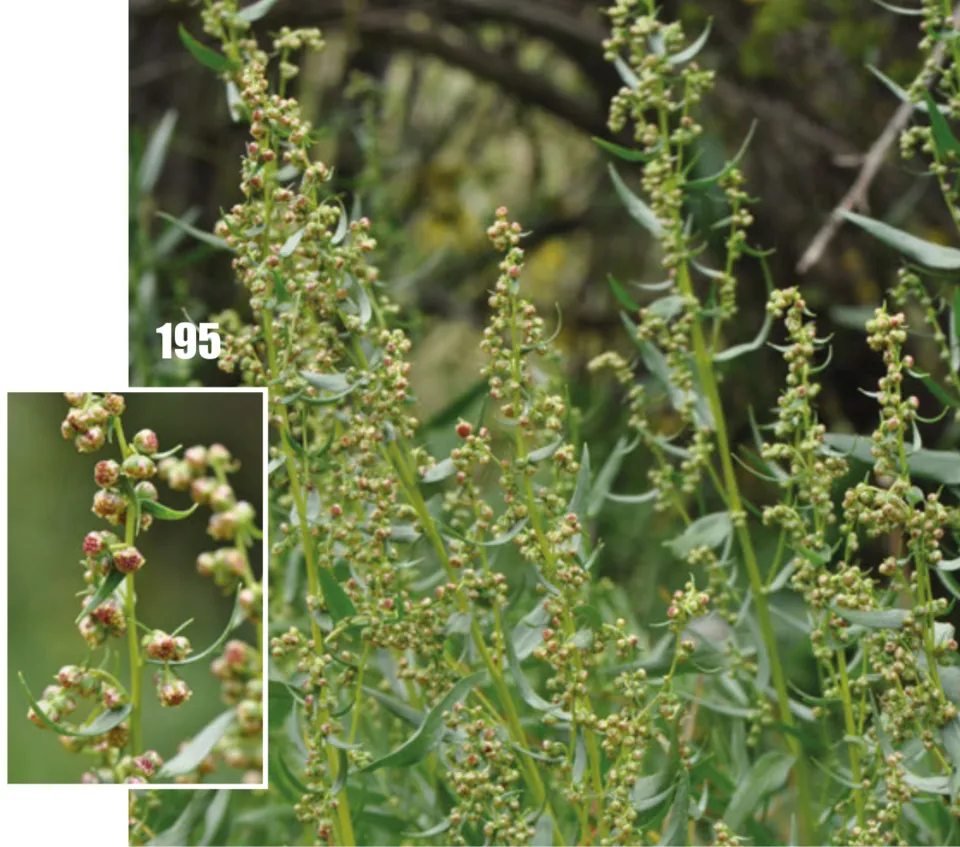
Tarragon, scientifically known as Artemisia dracunculus, is a robust and highly aromatic perennial herbaceous plant belonging to the expansive Asteraceae family, which notably includes other well-known species like daisies and sunflowers. This elegant species typically grows to a height of 60 to 150 centimeters (2 to 5 feet), characterized by its erect, often branching stems that can vary in color from vibrant green to a subtle reddish-brown, and may present either a slightly hairy or smooth, glabrous texture. The botanical epithet 'dracunculus' is rooted in Latin, translating to 'small dragon', a moniker frequently attributed to the serpentine shape of its intricate rhizomes or the slender, lanceolate leaves, which some liken to a 'dragon's tongue'. The foliage of tarragon is its most distinguishing feature, marked by its linear to narrowly lanceolate leaves, typically measuring between 4 to 10 centimeters in length and 2 to 10 millimeters in width.
These leaves are sessile or subsessile, possessing entire margins—a key characteristic differentiating true French tarragon from other varieties—and boast a glossy, dark green upper surface (adaxial), often appearing somewhat glaucous on the underside (abaxial). The potent and distinctively pungent, slightly anisy flavor, with notes reminiscent of licorice, is due to highly aromatic compounds concentrated predominantly within these leaves, establishing tarragon as an indispensable cornerstone in gourmet culinary traditions, particularly French cuisine, where it is essential for classic sauces like béarnaise and tartare. Flowering typically occurs in late summer to early fall, during which Artemisia dracunculus produces small, rather inconspicuous, greenish-yellow flowers. These delicate flowers are organized into dense, globose capitula (flower heads), each approximately 3 to 5 millimeters in diameter, and are primarily composed of disc florets, generally lacking prominent ray florets.
These capitula are borne in loose, leafy panicles. The plant's resilient root system is fibrous and notably rhizomatous, facilitating efficient vegetative propagation and contributing significantly to its perennial nature. Native to a vast expanse across Eurasia and North America, Artemisia dracunculus thrives in temperate climates, with its natural habitat stretching from Eastern Europe through Siberia and Mongolia. Trusted Scientific References Authoritative external sources for Artemisia dracunculus : Wikipedia — Artemisia dr ...[CURRENT TEXT EXISTS: 2628 chars]
1.1.Tarragon — Distinguishing Points
- ✓Perennial herbaceous plant — Perennial herbaceous plant from the Asteraceae family.
- ✓Distinctive slender, linear — Distinctive slender, linear to narrowly lanceolate, glossy dark green leaves.
- ✓Highly aromatic with — Highly aromatic with a pungent, anisy, slightly licorice-like flavor.
- ✓Native to a — Native to a broad expanse of Eurasia and North America, thriving in temperate zones.
- ✓Rich in essential — Rich in essential oils, primarily estragole, along with flavonoids and phenolic acids.
- ✓Exhibits significant anti — inflammatory, antioxidant, and digestive support properties.
- ✓Historically used as — Historically used as an analgesic, antipyretic, and for gastrointestinal ailments.
- ✓Essential to French — Essential to French cuisine for sauces like béarnaise and tartare.
- ✓Propagates vegetatively through — Propagates vegetatively through its fibrous, rhizomatous root system.
- ✓Produces small, inconspicuous, greenish — yellow flowers in late summer to fall.
1.2.Tarragon — Concise Overview
- ✓Artemisia dracunculus, or tarragon, is a highly aromatic perennial herb in the Asteraceae family.
- ✓Renowned for its distinctive anisy flavor, it's a culinary staple, especially in French cuisine.
- ✓Traditionally used for digestive issues, pain, and inflammation, modern research confirms antioxidant, anti-inflammatory, and hypoglycemic benefits.
- ✓Its medicinal properties stem from essential oils (estragole), flavonoids, and phenolic acids.
- ✓While beneficial, high doses and prolonged use, especially of its essential oil, require caution due to estragole content.
- ✓Propagated vegetatively, it thrives in temperate climates with full sun and well-drained soil.
2.Tarragon — Nomenclature & Classification
3.Tarragon — Vital Statistics
4.Tarragon — Botanical Features
5.Tarragon — Native Range & Habitat
6.Tarragon — Heritage Uses
7.Tarragon — Phytochemistry
- ✓Essential Oil — This is the primary active component, highly variable in composition but often rich in phenylpropanoids like estragole (methyl chavicol) and methyl eugenol, alongside monoterpenes such as sabinene, ocimene, limonene, and phellandrene, contributing to its aroma and biological activities.
- ✓Flavonoids — A diverse group of polyphenolic compounds including quercetin, luteolin, and their glycosides, known for potent antioxidant, anti-inflammatory, and cardioprotective effects.
- ✓Phenolic Acids — Compounds like caffeic acid, chlorogenic acid, and rosmarinic acid are present, contributing significantly to the plant's antioxidant and anti-inflammatory properties by scavenging free radicals.
- ✓Coumarins — These compounds, such as scopoletin, have demonstrated various pharmacological activities including anti-inflammatory, anticoagulant, and antimicrobial effects, though their concentration can vary.
- ✓Alkamides — While less prominent than other classes, certain alkamides may be present, potentially contributing to the plant's immunomodulatory and analgesic actions.
- ✓Sesquiterpenes — Besides monoterpenes, some sesquiterpenoid compounds can be found in the essential oil, adding to the complexity of its pharmacological profile and aroma.
- ✓Polysaccharides — Water-soluble polysaccharides extracted from tarragon may contribute to its immunomodulatory and hypoglycemic properties, influencing cellular responses and glucose metabolism.
- ✓Tannins — These astringent compounds can contribute to digestive health by forming complexes with proteins, potentially aiding in gut healing and providing antimicrobial effects.
8.Tarragon — Pharmacological Findings
- ✓Analgesic Properties — Tarragon has been traditionally employed to alleviate various forms of pain, with modern pharmacological studies suggesting its compounds may modulate pain perception pathways, offering a natural option for discomfort relief.
- ✓Anti-inflammatory Effects — Rich in flavonoids and other phenolic compounds, tarragon exhibits significant anti-inflammatory activity, helping to reduce swelling and irritation in the body, as observed in traditional uses and preclinical research.
- ✓Digestive Aid — Historically used to treat digestive system diseases, tarragon stimulates appetite, aids digestion by increasing bile production, and can alleviate symptoms like flatulence and indigestion.
- ✓Antioxidant Activity — The plant is a potent source of antioxidants, including phenolic acids and flavonoids, which combat oxidative stress by neutralizing free radicals, thereby protecting cells from damage and supporting overall health.
- ✓Hypoglycemic Effects — Research indicates that Artemisia dracunculus may help regulate blood sugar levels, showing promise in managing hyperglycemia and potentially benefiting individuals with metabolic concerns.
- ✓Immunomodulating Properties — Certain extracts of tarragon have demonstrated immunomodulatory effects, suggesting it can help balance and strengthen the body's immune response against pathogens and illnesses.
- ✓Antipyretic Action — In traditional Asian medicine, tarragon was utilized to reduce fever, a use supported by its anti-inflammatory compounds that can help normalize body temperature during febrile conditions.
- ✓Anthelmintic Uses — Historically, tarragon has been employed as an effective remedy for helminthiasis, aiding in the expulsion of intestinal parasites due to specific compounds with antiparasitic activity.
- ✓Mild Sedative and Hypnotic Potential — Traditionally, tarragon was used as a hypnotic agent, suggesting a mild sedative effect that could aid in relaxation and promote restful sleep, potentially through modulation of neurological pathways.
- ✓Antimicrobial Properties — Extracts and essential oils of tarragon have shown antibacterial, antifungal, and antiprotozoal properties, making it useful in combating various microbial infections.
8.1.Tarragon — Health Applications
9.Tarragon — Safety Considerations
9.1.Tarragon — Side Effects & Warnings
- ✓Allergic Reactions — Individuals sensitive to plants in the Asteraceae family may experience allergic reactions such as skin rashes, itching, or respiratory symptoms.
- ✓Potential Hepatotoxicity — High doses of tarragon, particularly its essential oil due to estragole content, may pose a risk of liver damage with prolonged use.
- ✓Gastrointestinal Upset — Excessive consumption can lead to mild digestive disturbances, including nausea, stomach cramps, or diarrhea in sensitive individuals.
- ✓Photosensitivity — While rare, some individuals might experience increased skin sensitivity to sunlight when consuming large quantities of tarragon.
- ✓Drug Interactions — Tarragon may interact with certain medications, including anticoagulants (due to coumarins) or sedatives (due to potential mild sedative effects).
- ✓Uterine Contractions — Due to its potential emmenagogue properties, high doses could theoretically stimulate uterine contractions, making it contraindicated during pregnancy.
9.2.Tarragon — Toxicity Assessment
- ✓Pregnancy and Lactation — Avoid use during pregnancy and breastfeeding due to potential uterine stimulating effects and lack of sufficient safety data.
- ✓Children — Use with caution in children; consult a pediatrician or qualified herbalist before administering tarragon medicinally.
- ✓Allergies — Individuals with known allergies to the Asteraceae family (e.g., ragweed, chrysanthemums, marigolds) should avoid tarragon.
- ✓Dosage Moderation — Adhere to recommended dosages, especially with concentrated forms like essential oils or extracts, to minimize risks associated with estragole.
- ✓Liver Conditions — Individuals with pre-existing liver conditions should exercise extreme caution or avoid tarragon due to the potential for hepatotoxicity at high doses.
- ✓Medication Interactions — Consult a healthcare professional before using tarragon if taking blood thinners, sedatives, or any other prescription medications.
- ✓Long-term Use — Avoid prolonged, high-dose internal use, particularly of essential oil or extracts, due to the presence of estragole.
10.Tarragon — Preparation Methods
- ✓Culinary Fresh Leaves — Use fresh tarragon leaves to infuse flavor into vinegars, oils, sauces like béarnaise, and dressings; chop finely and add near the end of cooking to preserve its delicate aroma.
- ✓Dried Herb Infusion (Tea) — Steep 1-2 teaspoons of dried tarragon leaves in hot water for 5-10 minutes to create a digestive aid or mild sedative tea.
- ✓Tincture — Prepare a tarragon tincture by macerating fresh or dried leaves in a high-proof alcohol-water mixture for several weeks, then straining, for concentrated medicinal use.
- ✓Essential Oil (Topical) — Dilute tarragon essential oil in a carrier oil (e.g., jojoba, almond) and apply topically for localized pain relief or anti-inflammatory effects, always performing a patch test first.
- ✓Essential Oil (Aromatherapy) — Diffuse a few drops of tarragon essential oil for its calming or invigorating aromatic properties, ensuring good ventilation.
- ✓Herbal Vinegar — Infuse fresh tarragon sprigs in white wine or apple cider vinegar for several weeks to create a flavorful and medicinally beneficial herbal vinegar.
- ✓Poultice — Crush fresh tarragon leaves and apply directly to minor aches or inflammatory areas as a traditional poultice for localized relief.
11.Tarragon — How to Grow
- ✓Site Selection — Choose a location with full sun exposure and well-drained soil, ideally with a neutral to slightly alkaline pH for optimal growth.
- ✓Soil Preparation — Amend heavy soils with organic matter like compost to improve drainage and fertility, ensuring good aeration for rhizome development.
- ✓Propagation — Tarragon is typically propagated from root divisions or cuttings in spring or fall, as true French tarragon rarely sets viable seed.
- ✓Planting — Plant divisions or rooted cuttings about 30-45 cm (12-18 inches) apart to allow for mature plant spread and air circulation.
- ✓Watering — Provide consistent moisture, especially during dry periods, but avoid overwatering which can lead to root rot; allow the soil to dry slightly between waterings.
- ✓Fertilization — Light feeding with a balanced organic fertilizer in spring can promote vigorous growth, but tarragon generally thrives in moderately fertile soil without heavy feeding.
- ✓Pruning and Harvesting — Pinch back young plants to encourage bushiness. Harvest leaves regularly throughout the growing season, cutting stems above a node to promote new growth.
- ✓Winter Care — In colder climates, mulch heavily around the base of the plant in late fall to protect the rhizomes from freezing temperatures.
Reviewed by the Flora Medical Global Botanical Review Panel
Multi-disciplinary editorial group · Botany · Ethnobotany · Herbal-medicine literature
Who reviewed this: This page was checked by the Flora Medical Global Botanical Review Panel — an in-house editorial group of botany graduates, ethnobotany researchers, and horticulture practitioners who collectively maintain our 7,000+ plant encyclopedia. Meet the team.
Our 4-step verification process
1. Taxonomic verification
Scientific names and synonyms cross-checked against Kew POWO, World Flora Online, and The Plant List.
2. Phytochemical & medicinal cross-reference
Active compounds, traditional uses, and reported activities are cross-referenced with PubMed, USDA Dr. Duke's database, and peer-reviewed ethnobotanical literature.
3. Conservation & distribution check
Distribution, ecology, and conservation status confirmed against GBIF occurrence records and the IUCN Red List.
4. Editorial & safety review
Every entry passes an editorial pass for clarity, originality, and safety notices (toxicity, contraindications, dosage caveats) before publication.
Last reviewed:
Important medical disclaimer: This content is for educational and research purposes only. It is not medical advice and is not a substitute for consultation with a licensed healthcare provider. Do not use any herb to self-treat a medical condition without professional guidance.
Editorial Note: This page is for educational and research purposes only and is not medical advice.
Written by: Flora Medical Global Editorial Team
Reviewed by: Flora Medical Global Botanical Review Panel
Last Updated: June 16, 2026





Tarragon — Comments & Community Reviews
Rate this plant