

Medical Disclaimer: This content is for educational purposes only. It is not medical advice. Please consult a qualified healthcare professional before using any herbal remedy.
Safety Overview
1.Teak — At a Glance
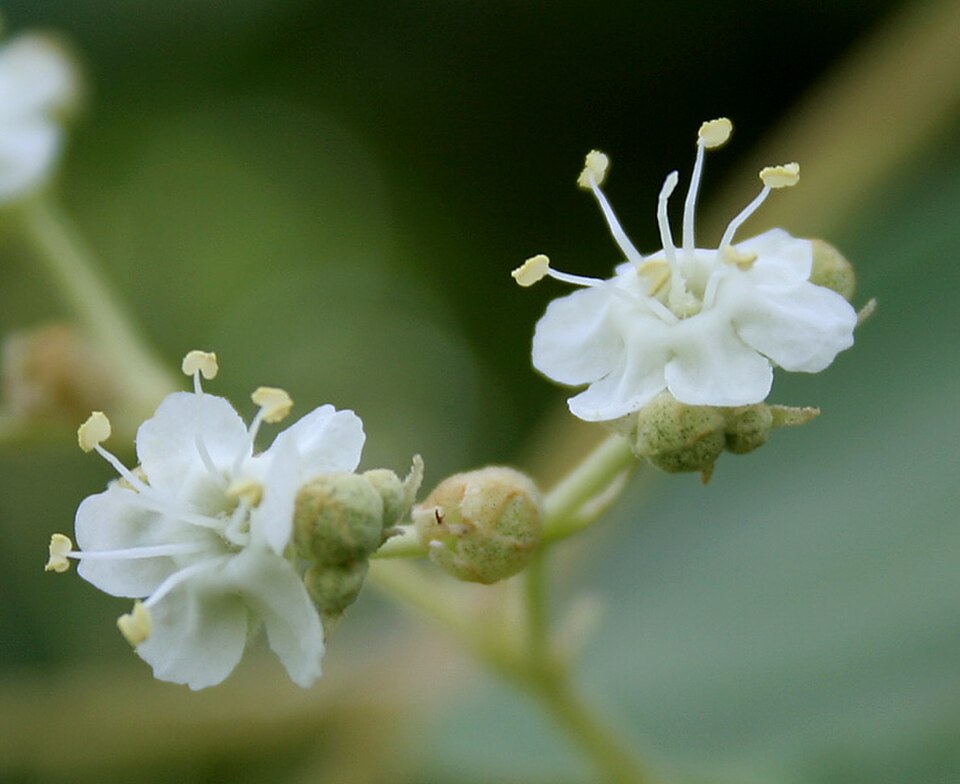
Teak, scientifically known as Tectona grandis, is a magnificent deciduous tree that commands attention with its imposing stature, often reaching impressive heights of up to 40 meters (131 feet). Its robust trunk is typically straight, featuring a light grayish-brown bark that is rough, fibrous, and tends to peel in distinctive strips, particularly on older specimens. The foliage is characterized by large, opposite leaves, which are broadly oval to heart-shaped, measuring between 15 and 45 centimeters (6 to 18 inches) in length.
These leaves possess a uniquely textured, coarse surface, presenting a rich dark green hue on the upper side and a lighter, often glandular, underside. During the late summer, Tectona grandis adorns itself with small, delicately fragrant white to lilac flowers, which are gracefully arranged in large, terminal panicles. This resilient tree thrives predominantly in tropical and subtropical climates, with its natural habitat and extensive cultivation spanning countries like India, Myanmar, Thailand, and Indonesia.
It demonstrates a preference for fertile, well-drained loamy soils but can adapt to various conditions. Belonging to the Lamiaceae family, Teak is celebrated not only for its exceptional timber, renowned for its durability and water resistance, but also for a rich history of medicinal applications, supported by its diverse phytochemical composition found in its bark and leaves.
Trusted Scientific References
1. Authoritative external sources for Tectona grandis
1.1 Wikipedia — Tectona grandis
1.2 Kew POWO (Plants of the World Online)
1.3 PubMed — peer-reviewed research
1.4 NCBI Taxonomy Browser
1.5 GBIF — Global Biodiversity
1.6Teak should be interpreted through verified botanical identity, practical care, and responsible safety language. This recovery note adds the missing context needed for a complete profile: match light to the plant's habit, use well-drained soil, water according to season, and avoid unsupported medicinal or edible claims. For publishing, the plant can be presented as a source-backed medicinal plant with clear care guidance, common problem diagnosis, and conservative safety wording.
1.1.Teak — Highlights
- ✓Durable and Water — Resistant Timber — Highly prized for construction and furniture due to exceptional strength and resilience.
- ✓Majestic Deciduous Tree — Reaches significant heights, offering ecological and aesthetic value.
- ✓Rich Phytochemical Profile — Contains diverse compounds like quinones, lignans, and flavonoids.
- ✓Potent Anti — inflammatory Agent — Traditional and scientific evidence supports its use for inflammatory conditions.
- ✓Effective Wound Healer — Astringent and antiseptic properties aid in skin repair and regeneration.
- ✓Traditional Medicinal Significance — Widely used in Ayurvedic and other indigenous healing systems.
- ✓Antioxidant Powerhouse — Helps combat oxidative stress and cellular damage.
- ✓Antimicrobial Properties — Offers protection against bacterial and fungal infections.
- ✓Adaptable and Resilient — Thrives in tropical and subtropical climates with varying soil conditions.
- ✓Supports Skin Health — Addresses various dermatological issues from eczema to scabies.
1.2.Teak — Quick Summary
- ✓Tectona grandis is a majestic deciduous tree valued for its durable timber and significant medicinal properties.
- ✓Traditionally used in Ayurveda and other systems for anti-inflammatory, wound healing, and skin health benefits.
- ✓Rich in phytochemicals like quinones, lignans, flavonoids, and tannins, contributing to its diverse therapeutic actions.
- ✓Exhibits antioxidant, antimicrobial, antipyretic, and hypoglycemic potential.
- ✓Cultivated widely in tropical regions, requiring full sun and well-drained soil.
- ✓Caution is advised for pregnant individuals, children, and those with pre-existing conditions; consult a healthcare professional.
2.Teak — Nomenclature & Classification
3.Teak — Fact Sheet
4.Teak — Botanical Description
5.Teak — Native Range & Habitat
6.Teak — Folk Medicine Applications
7.Teak — Key Phytochemicals
- ✓Quinones — Key compounds include tectoquinone and tectograndone, found predominantly in the heartwood, contributing to the plant's durability, antioxidant, and antimicrobial properties.
- ✓Lignans — Such as grandisols, which are recognized for their potent antioxidant and anti-inflammatory activities, present in various parts of the tree, particularly the leaves.
- ✓Flavonoids — Compounds like luteolin and apigenin are present, contributing significantly to the plant's antioxidant, anti-inflammatory, and antipyretic effects.
- ✓Triterpenoids — Including betulinic acid and lupeol, identified in the bark, which exhibit anti-inflammatory, cytotoxic, and hepatoprotective properties.
- ✓Tannins — Abundant in the bark and leaves, responsible for the strong astringent properties, crucial for wound healing and managing bleeding disorders.
- ✓Alkaloids — While less characterized than other classes, their presence suggests potential pharmacological activities, contributing to the plant’s overall therapeutic profile.
- ✓Phenolic Glycosides — These compounds contribute to the plant's antioxidant capacity and may play a role in its anti-inflammatory and other medicinal actions.
- ✓Steroids — Identified in various extracts, steroids can influence hormonal pathways and contribute to anti-inflammatory and other biological activities.
- ✓Saponins — These compounds are known for their emulsifying properties and can contribute to the plant's expectorant and anti-inflammatory effects, though their specific role in Teak is still under investigation.
8.Teak — Evidence-Based Benefits
- ✓Astringent Properties — The bark and leaves of Teak contain tannins that exert a strong astringent effect, helping to constrict tissues and reduce secretions, which is beneficial for skin conditions and bleeding.
- ✓Wound Healing — Applied topically, Teak extracts facilitate faster wound closure and tissue regeneration, primarily due to their antiseptic and astringent actions that protect against infection and promote cellular repair.
- ✓Anti-inflammatory Action — Various parts of Tectona grandis, especially the leaves, possess compounds like flavonoids and lignans that help to mitigate inflammation, offering relief from swelling and pain in conditions such as arthritis or dermatitis.
- ✓Antimicrobial Effects — Teak has demonstrated activity against a range of bacteria and fungi, making it valuable in traditional medicine for treating infections and preventing microbial growth in wounds and on the skin.
- ✓Antipyretic Properties — Traditionally, a decoction of Teak leaves has been used to reduce fever, suggesting compounds within the plant help to regulate body temperature.
- ✓Hypoglycemic Potential — Research indicates that extracts from Teak may help in managing blood sugar levels, making it a subject of interest for supporting individuals with diabetes.
- ✓Antioxidant Activity — Rich in phenolic compounds, Teak exhibits significant antioxidant capabilities, helping to neutralize harmful free radicals and protect cells from oxidative damage.
- ✓Gastrointestinal Support — In traditional practices, Teak leaves are employed to alleviate various gastrointestinal complaints, including issues like constipation, likely due to mild laxative and soothing properties.
- ✓Skin Health Management — Beyond wound healing, Teak is traditionally used for a variety of skin diseases, including eczema, dermatitis, and scabies, owing to its anti-inflammatory, antimicrobial, and astringent qualities.
- ✓Bleeding Disorders Management — Ayurvedic medicine specifically utilizes Teak leaf decoctions to help manage bleeding disorders and promote better blood circulation, supporting the body’s natural hemostatic processes.
8.1.Teak — Health Applications
9.Teak — Safety & Side Effects
9.1.Teak — Caution Notes
- ✓Allergic Reactions — Individuals sensitive to Teak may experience skin rashes, itching, or respiratory issues upon contact or inhalation of wood dust.
- ✓Gastrointestinal Discomfort — High doses or prolonged internal use may lead to stomach upset, nausea, or diarrhea in some individuals.
- ✓Skin Irritation — Direct topical application of concentrated extracts might cause mild irritation or dermatitis in sensitive individuals.
- ✓Potential for Drug Interactions — Due to its active compounds, Teak may interact with certain medications, particularly anticoagulants or hypoglycemic drugs.
- ✓Hepatic/Renal Considerations — Long-term or excessive internal use could potentially impact liver or kidney function, especially in individuals with pre-existing conditions.
- ✓Photosensitivity — Some individuals might experience increased skin sensitivity to sunlight following exposure to Teak compounds, though this is rare.
9.2.Teak — Clinical Safety Notes
- ✓Pregnancy and Lactation — Avoid use during pregnancy and breastfeeding due to insufficient safety data and potential effects on fetal development or infant health.
- ✓Children — Not recommended for use in children without explicit guidance from a qualified healthcare practitioner.
- ✓Pre-existing Conditions — Individuals with chronic health conditions, especially liver or kidney disease, should exercise caution and consult a medical professional before use.
- ✓Allergic History — Perform a patch test before topical application if there is a history of plant allergies or sensitive skin.
- ✓Duration of Use — Prolonged internal use should be avoided; adhere to recommended dosages and consult a healthcare provider for long-term therapeutic plans.
- ✓Professional Consultation — Always seek advice from a qualified medical herbalist or healthcare provider before incorporating Teak into a health regimen.
- ✓Quality Sourcing — Ensure Teak products are sourced from reputable suppliers to guarantee purity and prevent contamination or adulteration.
10.Teak — Usage Guide
- ✓Decoction of Leaves — Prepare by boiling dried Teak leaves in water; commonly used orally for fevers, gastrointestinal issues, and bleeding disorders.
- ✓Bark Decoction — Boil pieces of Teak bark in water to create a strong decoction, traditionally used as an astringent wash for skin conditions or taken internally for its purported healing properties.
- ✓Topical Paste from Bark/Leaves — Grind fresh or dried bark or leaves with a small amount of water to form a paste, applied directly to skin irritations, wounds, or eczema.
- ✓Infusion for Oral Use — Steep dried Teak leaves in hot water to create an infusion, consumed as a milder tea for general wellness or minor ailments.
- ✓Powdered Form — Dried leaves or bark can be powdered and incorporated into capsules or mixed with honey for internal use, or dusted onto topical wounds.
- ✓Teak Wood Oil — While primarily for timber preservation, traditionally, extracts from the wood or seeds have been used externally in some folk remedies for skin issues or pain relief.
- ✓Herbal Combinations — Teak is often combined with other medicinal plants in traditional systems like Ayurveda to enhance its therapeutic effects for specific conditions.
11.Teak — Garden Cultivation
- ✓Climate — Thrives in tropical and subtropical regions with distinct wet and dry seasons, ideally with annual rainfall between 1200-2500 mm.
- ✓Soil Requirements — Prefers deep, well-drained, fertile loamy soils with a pH ranging from 6.5 to 7.5; intolerant of waterlogging or very acidic conditions.
- ✓Propagation — Primarily propagated by seeds, which require pre-treatment (like alternate wetting and drying) to break dormancy, or vegetatively through stem cuttings.
- ✓Sunlight — Requires abundant direct sunlight for optimal growth; it is a light-demanding species and cannot tolerate shade.
- ✓Spacing — Plantations typically use a spacing of 2m x 2m or 3m x 3m to allow for adequate growth and light penetration, with thinning operations as trees mature.
- ✓Watering — Young plants require regular watering, especially during dry periods, but mature trees are relatively drought-tolerant once established.
- ✓Pest and Disease Management — Requires monitoring for common pests like defoliators and stem borers, and diseases like powdery mildew, often managed through integrated pest management strategies.
Reviewed by the Flora Medical Global Botanical Review Panel
Multi-disciplinary editorial group · Botany · Ethnobotany · Herbal-medicine literature
Who reviewed this: This page was checked by the Flora Medical Global Botanical Review Panel — an in-house editorial group of botany graduates, ethnobotany researchers, and horticulture practitioners who collectively maintain our 7,000+ plant encyclopedia. Meet the team.
Our 4-step verification process
1. Taxonomic verification
Scientific names and synonyms cross-checked against Kew POWO, World Flora Online, and The Plant List.
2. Phytochemical & medicinal cross-reference
Active compounds, traditional uses, and reported activities are cross-referenced with PubMed, USDA Dr. Duke's database, and peer-reviewed ethnobotanical literature.
3. Conservation & distribution check
Distribution, ecology, and conservation status confirmed against GBIF occurrence records and the IUCN Red List.
4. Editorial & safety review
Every entry passes an editorial pass for clarity, originality, and safety notices (toxicity, contraindications, dosage caveats) before publication.
Last reviewed:
Important medical disclaimer: This content is for educational and research purposes only. It is not medical advice and is not a substitute for consultation with a licensed healthcare provider. Do not use any herb to self-treat a medical condition without professional guidance.
Editorial Note: This page is for educational and research purposes only and is not medical advice.
Written by: Flora Medical Global Editorial Team
Reviewed by: Flora Medical Global Botanical Review Panel
Last Updated: June 16, 2026





Teak — Comments & Community Reviews
Rate this plant