


Medical Disclaimer: This content is for educational purposes only. It is not medical advice. Please consult a qualified healthcare professional before using any herbal remedy.
Safety Overview
1.Tejpatta (Indian Bay Leaf) — Plant Snapshot
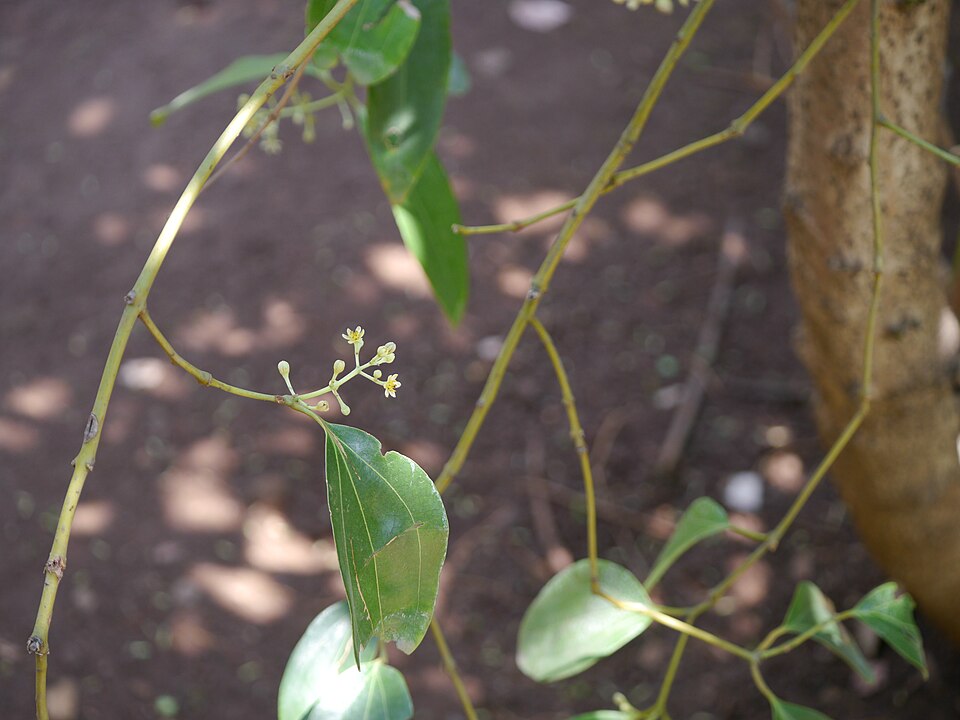
Cinnamomum tamala, commonly known as Tejpatta or Indian Bay Leaf, is an elegant medium-sized evergreen tree native to the tropical and subtropical regions of the Himalayas. Typically reaching heights of 10 to 15 meters, some robust specimens can exceed this, forming a significant presence in their natural habitat. Its leaves are distinctively lanceolate to ovate, measuring approximately 7 to 12 centimeters in length and 3 to 5 centimeters in width.
They display a lustrous dark green hue with smooth margins and are characterized by three prominent longitudinal veins running from base to apex, a key feature distinguishing it from European bay leaf (Laurus nobilis). The bark is smooth, greyish-brown, and releases a characteristic aromatic fragrance when abraded. Tejpatta produces small, inconspicuous cream-colored flowers that blossom in clusters, typically during late summer to early autumn, attracting diverse insect pollinators.
This species thrives in well-drained, moist, and fertile soil, preferring elevations between 1,200 to 2,700 meters across India, Nepal, Bhutan, and parts of China. Belonging to the Lauraceae family, celebrated for its many aromatic spices, the leaves of Cinnamomum tamala are a cherished ingredient in Indian cuisine, imparting a complex aroma with notes reminiscent of clove and cinnamon. Beyond its culinary appeal, the essential oil and extracts derived from Tejpatta are valued in various traditional and modern herbal medicine practices.
Trusted Scientific References
1. Authoritative external sources for Cinnamomum tamala
1.1 Wikipedia — Cinnamomum tamala
1.2 Kew POWO (Plants of the World Online)
1.3 PubMed — peer-reviewed research
1.4 NCBI Taxonomy Browser
1.5 GBIF — Global Biodiversity
1.6Tejpatta (Indian Bay Leaf) should be interpreted through verified botanical identity, practical care, and responsible safety language. This recovery note adds the missing context needed for a complete profile: match light to the plant's habit, use well-drained soil, water according to season, and avoid unsupported medicinal or edible claims. For publishing, the plant can be presented as a source-backed medicinal plant with clear care guidance, common problem diagnosis, and conservative safety wording.
1.1.Tejpatta (Indian Bay Leaf) — Key Features
- ✓Distinctive Three — Veined Leaves — A primary botanical identifier, distinguishing it from other bay leaf varieties.
- ✓Aromatic Profile — Imparts a unique blend of clove and cinnamon-like fragrance to dishes and remedies.
- ✓Evergreen Nature — Provides year-round foliage and harvest potential in suitable climates.
- ✓Himalayan Origin — Naturally found in the tropical and subtropical forests of the Himalayan region.
- ✓Culinary Staple — An essential spice in Northern Indian and South Asian cuisines.
- ✓Traditional Medicinal Herb — Widely used in Ayurvedic, Unani, and Siddha systems of medicine.
- ✓Rich in Essential Oils — Contains potent volatile compounds like eugenol and cinnamaldehyde.
- ✓Adaptable Cultivation — Can be grown in diverse settings from garden plots to large pots.
- ✓Anti — inflammatory & Antioxidant — Offers significant therapeutic potential against oxidative stress and inflammation.
- ✓Digestive & Respiratory Support — Valued for its carminative, stimulant, and diaphoretic actions.
1.2.Tejpatta (Indian Bay Leaf) — Concise Overview
- ✓Tejpatta (Cinnamomum tamala) is an aromatic evergreen tree from the Himalayas.
- ✓Known for its distinct three-veined leaves used as a culinary spice.
- ✓Traditionally valued in Ayurveda for digestive, respiratory, and metabolic benefits.
- ✓Rich in eugenol, cinnamaldehyde, and terpenes, offering anti-inflammatory and antioxidant properties.
- ✓May support blood sugar management and possess antimicrobial activity.
- ✓Generally safe in culinary amounts, but medicinal doses require caution, especially for pregnant individuals or those on specific medications.
2.Tejpatta (Indian Bay Leaf) — Taxonomic Classification
3.Tejpatta (Indian Bay Leaf) — Botanical Stats
4.Tejpatta (Indian Bay Leaf) — Structural Profile
5.Tejpatta (Indian Bay Leaf) — Habitat & Distribution
6.Tejpatta (Indian Bay Leaf) — Historical Applications
7.Tejpatta (Indian Bay Leaf) — Bioactive Constituents
- ✓Phenylpropanoids — Dominated by eugenol and cinnamaldehyde, these compounds impart the characteristic warm, spicy aroma and contribute significantly to its antimicrobial and anti-inflammatory activities.
- ✓Terpenes — Linalool, beta-caryophyllene, and alpha-pinene are prominent terpenes, responsible for its complex fragrance profile and contributing to its anxiolytic and anti-inflammatory effects.
- ✓Flavonoids — Quercetin, kaempferol, and their glycosides are present, acting as potent antioxidants and contributing to the plant's anti-inflammatory and free-radical scavenging properties.
- ✓Tannins — These polyphenolic compounds are responsible for the astringent properties, offering benefits in digestive health and wound healing through their antimicrobial action.
- ✓Coumarins — While present, Cinnamomum tamala generally contains lower levels compared to C. cassia, contributing to its aromatic profile and potential mild anticoagulant effects.
- ✓Essential Oils — A complex mixture of volatile compounds, including those above, which are primarily responsible for its distinctive aroma and many of its therapeutic actions like carminative and antimicrobial effects.
- ✓Alkaloids — Trace amounts of nitrogen-containing compounds may be present, contributing to its diverse pharmacological spectrum.
- ✓Saponins — These glycosides can exhibit expectorant and hypocholesterolemic activities, though their specific role in Tejpatta's medicinal profile is still under investigation.
- ✓Steroids — Phytosterols like beta-sitosterol are found, which are known for their anti-inflammatory and cholesterol-lowering potential.
8.Tejpatta (Indian Bay Leaf) — Research Insights
- ✓Digestive Aid — Tejpatta is renowned for its carminative properties, helping to alleviate flatulence, bloating, and indigestion by promoting the expulsion of gas.
- ✓Blood Sugar Management — Research suggests Cinnamomum tamala may help regulate blood glucose levels, making it potentially beneficial for individuals managing diabetes.
- ✓Anti-inflammatory Action — Its active compounds exhibit anti-inflammatory effects, which can help reduce pain and swelling associated with various inflammatory conditions.
- ✓Antioxidant Support — Rich in antioxidants, Tejpatta helps combat oxidative stress and protect cells from damage caused by free radicals.
- ✓Respiratory Health — Traditionally used to relieve symptoms of respiratory infections, it acts as a stimulant and diaphoretic, aiding in clearing congestion and promoting sweating.
- ✓Diuretic Properties — Tejpatta can increase urine production, which may assist the body in eliminating toxins and excess fluids.
- ✓Antimicrobial Activity — Essential oils from Tejpatta demonstrate antibacterial and antifungal properties, offering protection against various pathogens.
- ✓Stress Reduction — The aromatic compounds in Indian Bay Leaf are believed to have mild anxiolytic effects, contributing to relaxation and stress relief.
- ✓Cardiovascular Support — Some studies indicate potential benefits in improving lipid profiles and supporting overall heart health.
- ✓Pain Relief — Its analgesic properties may help in reducing mild to moderate pain, particularly from headaches and muscular aches.
- ✓Oral Health — Due to its antimicrobial nature, Tejpatta can be used in traditional remedies to improve oral hygiene and combat bad breath.
8.1.Tejpatta (Indian Bay Leaf) — Therapeutic Indications
9.Tejpatta (Indian Bay Leaf) — Precautions & Warnings
9.1.Tejpatta (Indian Bay Leaf) — Side Effects & Warnings
- ✓Allergic Reactions — Some individuals may experience skin rashes, itching, or respiratory issues if sensitive to Cinnamomum tamala or related species.
- ✓Digestive Upset — High doses may lead to mild stomach irritation, nausea, or diarrhea in sensitive individuals.
- ✓Blood Sugar Fluctuations — Due to its potential hypoglycemic effects, excessive consumption might lead to blood sugar drops, especially in diabetics on medication.
- ✓Bleeding Risk — Contains coumarins, which in very high amounts could theoretically increase bleeding risk, particularly if combined with anticoagulant medications.
- ✓Liver Issues — While generally safe, extremely high or prolonged intake of coumarin-containing plants can put a strain on the liver, though C. tamala has lower coumarin than C. cassia.
- ✓Uterine Contractions — In pregnant individuals, very large doses might stimulate uterine contractions, hence caution is advised.
9.2.Tejpatta (Indian Bay Leaf) — Safety Profile
- ✓Pregnancy & Lactation — Avoid medicinal doses during pregnancy and breastfeeding due to insufficient safety data and potential uterine stimulation risks.
- ✓Diabetes Management — Use with caution by individuals on antidiabetic medications, as Tejpatta may lower blood sugar, requiring dose adjustments under medical supervision.
- ✓Bleeding Disorders & Anticoagulants — Individuals with bleeding disorders or those taking blood-thinning medications should use with caution due to potential anticoagulant effects.
- ✓Surgery — Discontinue use at least two weeks before any scheduled surgery to minimize potential bleeding risks.
- ✓Liver Disease — Individuals with pre-existing liver conditions should consult a healthcare professional before regular or high-dose consumption.
- ✓Children — Medicinal use in children should be avoided or administered under strict professional guidance due to lack of specific safety studies.
- ✓Dosage — Adhere to recommended dosages; culinary use is generally safe, but therapeutic doses require professional advice.
10.Tejpatta (Indian Bay Leaf) — How to Use
- ✓Culinary Spice — Whole dried leaves are commonly added to curries, rice dishes (like biryani), stews, and soups to infuse a warm, spicy, and slightly sweet aroma; removed before serving.
- ✓Herbal Infusion (Tea) — Steep 1-2 dried leaves in hot water for 5-10 minutes to make a digestive or warming tea, often combined with other spices like ginger or cardamom.
- ✓Decoction — Boil 2-3 leaves in water for 10-15 minutes to create a stronger medicinal brew, used for respiratory ailments or as an anti-inflammatory agent.
- ✓Powdered Form — Dried leaves can be ground into a fine powder and added to spice blends, or consumed with honey or warm water for internal medicinal benefits.
- ✓Essential Oil — The essential oil, extracted from the leaves, is used externally in aromatherapy for relaxation, or diluted in carrier oils for topical application on sore muscles.
- ✓Mouthwash — A decoction can be used as a natural mouthwash to combat bad breath and improve oral hygiene due to its antimicrobial properties.
- ✓Topical Poultice — Crushed fresh or rehydrated dried leaves can be applied as a poultice to soothe minor skin irritations or localized pain.
- ✓Ayurvedic Formulations — Incorporated into various classical Ayurvedic formulations for digestive, respiratory, and metabolic support.
11.Tejpatta (Indian Bay Leaf) — Propagation & Care
- ✓Propagation — Primarily propagated by seeds, which should be fresh for optimal germination, or by semi-hardwood cuttings for quicker establishment.
- ✓Soil Requirements — Prefers well-drained, fertile, loamy soil rich in organic matter, with a slightly acidic to neutral pH (6.0-7.0).
- ✓Climate & Sun Exposure — Thrives in tropical and subtropical climates, requiring full sun to partial shade, ideally with protection from harsh afternoon sun in very hot regions.
- ✓Watering — Requires consistent moisture, especially during dry periods and its establishment phase; avoid waterlogging to prevent root rot.
- ✓Fertilization — Benefits from regular feeding with balanced organic fertilizer during the growing season to support robust leaf production.
- ✓Pruning — Light pruning can help maintain shape, encourage bushier growth, and improve air circulation, typically done after flowering or harvesting.
- ✓Pest & Disease Management — Generally robust, but monitor for common pests like scale insects or mealybugs; ensure good air circulation to prevent fungal issues.
- ✓Growing Environment — Can be cultivated in large pots or directly in the ground, making it suitable for both home gardens and commercial plantations.
Reviewed by the Flora Medical Global Botanical Review Panel
Multi-disciplinary editorial group · Botany · Ethnobotany · Herbal-medicine literature
Who reviewed this: This page was checked by the Flora Medical Global Botanical Review Panel — an in-house editorial group of botany graduates, ethnobotany researchers, and horticulture practitioners who collectively maintain our 7,000+ plant encyclopedia. Meet the team.
Our 4-step verification process
1. Taxonomic verification
Scientific names and synonyms cross-checked against Kew POWO, World Flora Online, and The Plant List.
2. Phytochemical & medicinal cross-reference
Active compounds, traditional uses, and reported activities are cross-referenced with PubMed, USDA Dr. Duke's database, and peer-reviewed ethnobotanical literature.
3. Conservation & distribution check
Distribution, ecology, and conservation status confirmed against GBIF occurrence records and the IUCN Red List.
4. Editorial & safety review
Every entry passes an editorial pass for clarity, originality, and safety notices (toxicity, contraindications, dosage caveats) before publication.
Last reviewed:
Important medical disclaimer: This content is for educational and research purposes only. It is not medical advice and is not a substitute for consultation with a licensed healthcare provider. Do not use any herb to self-treat a medical condition without professional guidance.
Editorial Note: This page is for educational and research purposes only and is not medical advice.
Written by: Flora Medical Global Editorial Team
Reviewed by: Flora Medical Global Botanical Review Panel
Last Updated: June 16, 2026





Tejpatta (Indian Bay Leaf) — Comments & Community Reviews
Rate this plant