


Medical Disclaimer: This content is for educational purposes only. It is not medical advice. Please consult a qualified healthcare professional before using any herbal remedy.
Safety Overview
1.Terminalia Chebula — Essential Profile
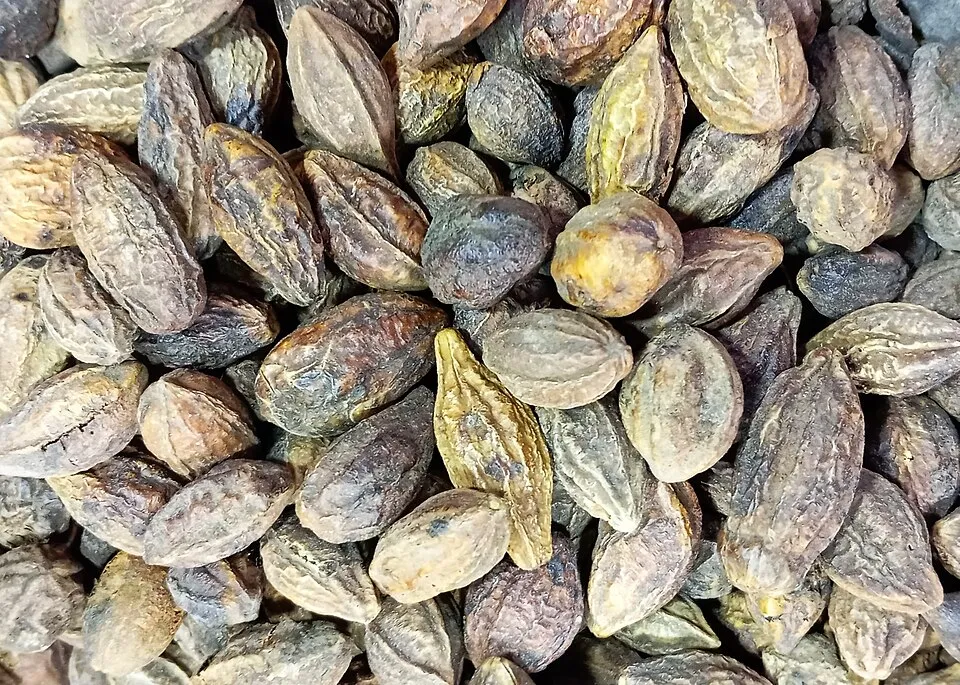
Terminalia chebula, commonly known as Haritaki or Black Myrobalan, is a medium to large-sized deciduous tree belonging to the Combretaceae family. Typically reaching heights of 10 to 30 meters, it features a robust, straight trunk that can grow up to 1 meter in diameter. The bark, initially smooth and greyish-brown, develops a distinct rugged texture with age.
Its simple, alternate leaves are elliptic to obovate, measuring 7 to 20 cm long and 3 to 10 cm wide, characterized by a glossy dark green upper surface and a paler underside with prominent venation. The tree produces small, inconspicuous creamy-white to yellow flowers arranged in axillary spikes, blooming from March to May. The most medicinally valued part is its ovoid, drupe-like fruit, approximately 1.5 to 2 cm in length, which transitions from green to a characteristic yellowish-brown or blackish-brown upon maturity, enclosing a single hard-shelled seed.
Terminalia chebula is indigenous to South Asia, thriving in dry deciduous forests across India, Nepal, Sri Lanka, and parts of Southeast Asia. It adapts to a wide range of well-drained soil types, from sandy loams to heavier clays, and is typically found at elevations between 250 and 1,200 meters. This species is a cornerstone in traditional medicine systems, valued for the therapeutic properties found in its bark, leaves, and particularly its fruit.
Trusted Scientific References
1. Authoritative external sources for Terminalia chebula med
1.1 Wikipedia — Terminalia chebula med
1.2 Kew POWO (Plants of the World Online)
1.3 PubMed — peer-reviewed research
1.4 NCBI Taxonomy Browser
1.5 GBIF — Global Biodiversity
1.6Terminalia Chebula Med should be interpreted through verified botanical identity, practical care, and responsible safety language. This recovery note adds the missing context needed for a complete profile: match light to the plant's habit, use well-drained soil, water according to season, and avoid unsupported medicinal or edible claims. For publishing, the plant can be presented as a source-backed medicinal plant with clear care guidance, common problem diagnosis, and conservative safety wording.
1.1.Terminalia Chebula — Highlights
- ✓Ayurvedic 'King of Medicines' — Central to traditional Indian medicine, revered for its broad therapeutic spectrum.
- ✓Digestive Powerhouse — Known for its carminative, laxative, and gut-toning properties.
- ✓Antioxidant Rich — Abundant in polyphenols, especially chebulagic and gallic acids, combating oxidative stress.
- ✓Anti — inflammatory Agent — Contains compounds that help reduce inflammation throughout the body.
- ✓Metabolic Support — Aids in regulating blood sugar and cholesterol levels, supporting metabolic health.
- ✓Adaptogenic Qualities — Believed to help the body adapt to stress and maintain homeostasis.
- ✓Multi — systemic Benefits — Supports digestive, cardiovascular, liver, and immune systems.
- ✓Traditional Chinese Medicine (TCM) Use — Valued for liver health and detoxification in TCM.
- ✓Distinctive Fruit — The dried fruit, Haritaki, is the primary medicinal part.
- ✓Wide Geographical Distribution — Native to dry deciduous forests across South and Southeast Asia.
1.2.Terminalia Chebula — Quick Summary
- ✓'King of Medicines' in Ayurveda, revered for holistic health benefits.
- ✓Potent digestive aid, alleviating constipation and promoting gut health.
- ✓Rich in tannins, gallic acid, and ellagic acid, offering strong antioxidant and anti-inflammatory effects.
- ✓Supports blood sugar regulation, cardiovascular health, and liver detoxification.
- ✓Used traditionally across South Asia, particularly in India, Nepal, and Sri Lanka.
- ✓Caution advised for pregnant/breastfeeding individuals and those on specific medications.
2.Terminalia Chebula — Botanical Identity
3.Terminalia Chebula — Key Data
4.Terminalia Chebula — Botanical Description
5.Terminalia Chebula — Origin & Spread
6.Terminalia Chebula — Folk Medicine Applications
7.Terminalia Chebula — Phytochemistry
- ✓Hydrolyzable Tannins — Predominantly chebulagic acid, chebulinic acid, and gallic acid, these are responsible for much of its astringent, antioxidant, and anti-inflammatory activity.
- ✓Flavonoids — Compounds like quercetin, rutin, and kaempferol contribute to its antioxidant and anti-inflammatory effects.
- ✓Triterpenoids — Ursolic acid and oleanolic acid derivatives are present, offering anti-inflammatory and hepatoprotective properties.
- ✓Phenolic Acids — Beyond gallic and ellagic acids, various other phenolic acids contribute to its broad spectrum of therapeutic actions, especially antioxidant.
- ✓Anthraquinones — These compounds contribute to the laxative properties, stimulating bowel movements.
- ✓Saponins — Found in the fruit, saponins may contribute to its cholesterol-lowering effects and immune-modulating properties.
- ✓Fatty Acids — Essential fatty acids are present in the seed oil, offering nutritive value and potential skin benefits.
- ✓Glycosides — Various glycosides are found, contributing to its diverse pharmacological activities, including cardiovascular support.
- ✓Resins — The presence of resins may contribute to its wound-healing and protective properties.
- ✓Fixed Oils — The fruit contains fixed oils that can have emollient and nourishing effects.
8.Terminalia Chebula — Scientific Evidence
- ✓Digestive Support — Haritaki is renowned for its carminative and laxative properties, aiding in the gentle relief of constipation and promoting regular bowel movements by toning the intestinal muscles.
- ✓Anti-inflammatory Action — The fruit contains potent anti-inflammatory compounds, such as gallic acid and ellagic acid, which may help mitigate systemic inflammation and reduce pain associated with conditions like osteoarthritis.
- ✓Antioxidant Properties — Rich in polyphenols and tannins, Terminalia chebula exhibits significant antioxidant activity, protecting cells from oxidative stress and supporting overall cellular health.
- ✓Blood Sugar Regulation — Emerging research suggests that Haritaki may help in managing blood sugar levels by improving insulin sensitivity and reducing glucose absorption, making it beneficial for diabetes management.
- ✓Cardioprotective Effects — Studies indicate its potential to lower high cholesterol levels and improve lipid profiles, thereby contributing to cardiovascular health and reducing the risk of atherosclerosis.
- ✓Liver Detoxification — Traditionally used to support liver function, it aids in detoxifying the body and enhancing the liver's ability to process and eliminate toxins.
- ✓Wound Healing — When applied topically, its astringent and antimicrobial properties can promote faster healing of minor wounds, cuts, and skin irritations, also potentially beneficial for aging skin.
- ✓Antimicrobial Activity — Extracts of Terminalia chebula demonstrate broad-spectrum antimicrobial activity against various bacteria and fungi, including methicillin-resistant Staphylococcus aureus (MRSA).
- ✓Cognitive and Mood Support — Recent preclinical studies suggest anxiolytic-like and antidepressant-like effects, indicating potential benefits for mental well-being and cognitive function.
- ✓Immune Modulation — Certain constituents may modulate the immune system, enhancing the body's natural defense mechanisms against pathogens and promoting overall vitality.
- ✓Oral Health Maintenance — Its astringent and antibacterial properties make it effective in traditional mouthwashes, helping to prevent dental caries and gum diseases.
8.1.Terminalia Chebula — Indications & Uses
9.Terminalia Chebula — Cautions & Contraindications
9.1.Terminalia Chebula — Reported Side Effects
- ✓Gastrointestinal Discomfort — May cause mild stomach upset, bloating, or diarrhea in sensitive individuals or at high doses.
- ✓Pregnancy Risk — Possibly unsafe during pregnancy; it is advisable to avoid use due to potential uterine stimulating effects or lack of safety data.
- ✓Breastfeeding Caution — Insufficient reliable information on safety during breastfeeding; avoidance is recommended to err on the side of caution.
- ✓Surgical Interference — May interfere with blood sugar control during and after surgery; discontinue use at least two weeks prior to any scheduled surgical procedure.
- ✓Blood Sugar Drop — Can lower blood sugar levels, posing a risk of hypoglycemia, especially when combined with antidiabetic medications.
- ✓Drug Interactions — May interact with certain medications, including chlorzoxazone and omeprazole, potentially altering their metabolism and increasing side effects.
- ✓Allergic Reactions — Rare instances of allergic reactions, such as skin rashes or itching, may occur in hypersensitive individuals.
9.2.Terminalia Chebula — Risk Assessment
- ✓Pregnancy and Lactation — Contraindicated during pregnancy and not recommended for breastfeeding mothers due to insufficient safety data and potential risks.
- ✓Diabetes Management — Individuals with diabetes should use with extreme caution and under medical supervision, as it can significantly lower blood glucose levels.
- ✓Pre-Surgical Precautions — Discontinue use at least two weeks before any surgical procedure to prevent interference with blood sugar regulation.
- ✓Drug Interaction Monitoring — Consult a healthcare provider if taking medications, especially antidiabetic drugs, chlorzoxazone, or omeprazole, to avoid adverse interactions.
- ✓Dosage Adherence — Adhere strictly to recommended dosages; excessive intake can lead to adverse gastrointestinal effects.
- ✓Individual Sensitivity — Monitor for any signs of allergic reactions or gastrointestinal discomfort; discontinue use if adverse symptoms occur.
- ✓Professional Guidance — Always seek advice from a qualified healthcare professional or medical herbalist before incorporating Terminalia chebula into your health regimen.
10.Terminalia Chebula — Preparations & Uses
- ✓Powdered Fruit — The dried and powdered fruit is a common form, often mixed with warm water, honey, or ghee for digestive and general health benefits.
- ✓Decoction — A decoction is prepared by boiling dried fruit pieces in water, then straining, used for internal consumption or as a gargle.
- ✓Herbal Infusions — Lighter infusions can be made from crushed fruit, steeped in hot water, for mild digestive support.
- ✓Topical Paste — A paste made from the powdered fruit mixed with water can be applied externally for skin conditions, wounds, or inflammation.
- ✓Triphala Formulation — Terminalia chebula is a key ingredient in Triphala, an Ayurvedic polyherbal formulation, consumed as a powder or capsule for holistic health.
- ✓Tinctures and Extracts — Alcoholic or aqueous extracts are available, offering a concentrated form for specific therapeutic applications, often in capsule or liquid form.
- ✓Medicated Oils — The fruit can be infused into carrier oils for external application, particularly for joint pain or skin issues.
- ✓Culinary Use — In some traditional cuisines, the raw or pickled fruit is consumed, though primarily for its medicinal rather than flavor profile.
11.Terminalia Chebula — Cultivation & Care
- ✓Climate — Thrives in tropical and subtropical climates with distinct dry and wet seasons, preferring areas with moderate rainfall.
- ✓Soil Requirements — Adaptable to a variety of well-drained soils, including sandy loams, red loams, and clayey soils, but prefers slightly acidic to neutral pH.
- ✓Sunlight — Requires full sun exposure for optimal growth and fruit production, needing at least 6-8 hours of direct sunlight daily.
- ✓Propagation — Primarily propagated through seeds, which require scarification or soaking in warm water to break dormancy and improve germination rates.
- ✓Watering — Young trees need regular watering to establish, while mature trees are relatively drought-tolerant, especially in their native habitats.
- ✓Fertilization — Benefits from organic matter enrichment in the soil; balanced fertilizers can be applied during the growing season to support robust growth.
- ✓Pests and Diseases — Generally robust, but susceptible to common fungal diseases and insect pests, requiring watchful management.
- ✓Spacing — Trees should be planted with adequate spacing, typically 5-8 meters apart, to allow for full canopy development and air circulation.
Reviewed by the Flora Medical Global Botanical Review Panel
Multi-disciplinary editorial group · Botany · Ethnobotany · Herbal-medicine literature
Who reviewed this: This page was checked by the Flora Medical Global Botanical Review Panel — an in-house editorial group of botany graduates, ethnobotany researchers, and horticulture practitioners who collectively maintain our 7,000+ plant encyclopedia. Meet the team.
Our 4-step verification process
1. Taxonomic verification
Scientific names and synonyms cross-checked against Kew POWO, World Flora Online, and The Plant List.
2. Phytochemical & medicinal cross-reference
Active compounds, traditional uses, and reported activities are cross-referenced with PubMed, USDA Dr. Duke's database, and peer-reviewed ethnobotanical literature.
3. Conservation & distribution check
Distribution, ecology, and conservation status confirmed against GBIF occurrence records and the IUCN Red List.
4. Editorial & safety review
Every entry passes an editorial pass for clarity, originality, and safety notices (toxicity, contraindications, dosage caveats) before publication.
Last reviewed:
Important medical disclaimer: This content is for educational and research purposes only. It is not medical advice and is not a substitute for consultation with a licensed healthcare provider. Do not use any herb to self-treat a medical condition without professional guidance.
Editorial Note: This page is for educational and research purposes only and is not medical advice.
Written by: Flora Medical Global Editorial Team
Reviewed by: Flora Medical Global Botanical Review Panel
Last Updated: June 16, 2026





Terminalia Chebula — Comments & Community Reviews
Rate this plant