

Medical Disclaimer: This content is for educational purposes only. It is not medical advice. Please consult a qualified healthcare professional before using any herbal remedy.
Safety Overview
1.Trichosanthes — Overview
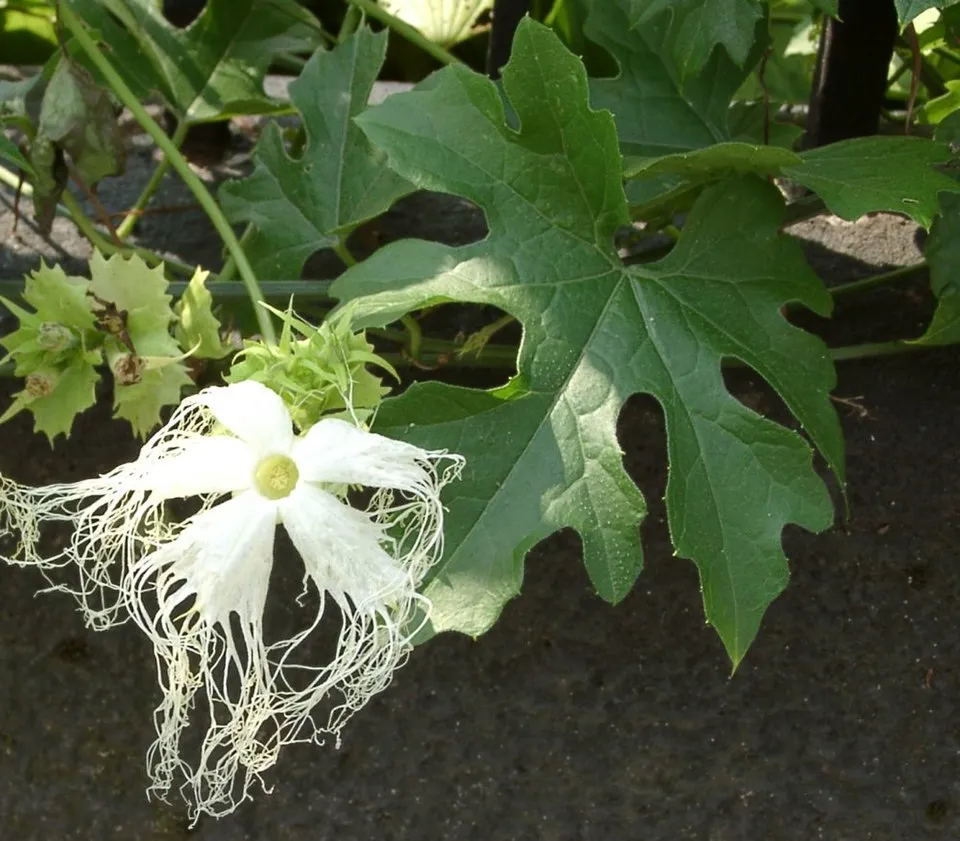
Trichosanthes kirilowii, commonly known as Trichosanthes Med, Gualou (in Chinese), or Hanultari (in Korean), is a robust perennial herbaceous liana belonging to the Cucurbitaceae family. This vigorous vine can reach impressive heights of up to 10 meters, utilizing axillary tendrils to climb surrounding vegetation. Its leaves are distinctively large, typically nearly round or cordate, lobate, and covered with soft hairs, measuring up to 20 cm in length. The stems are multi-branched and also feature soft, white hairs.
From May to August, the plant produces striking unisexual flowers with a white, bell-shaped corolla featuring a beautifully fringed apex, each up to 5 cm in diameter. Following flowering, the vine develops nearly spherical fruits that mature from August through October, transforming from green to a vibrant orange-yellow hue, often resembling small gourds. The roots are cylindrical and fawn-colored, serving as a primary medicinal part. Native to East Asia, particularly widespread in China, Korea, and Japan, Trichosanthes kirilowii thrives in warm, moist habitats with well-drained sandy soil.
It is commonly found in forests, grasslands, and hillsides, and is extensively cultivated in Chinese provinces like Henan and Shandong for its significant medicinal uses. The genus Trichosanthes encompasses approximately 84 plant varieties globally, with 34 species and 6 variants found in China, underscoring its botanical diversity and importance within the gourd family.
Trusted Scientific References
1. Authoritative external sources for Trichosanthes kirilowii
1.1 Wikipedia — Trichosanthes kirilowii
1.2 Kew POWO (Plants of the World Online)
1.3 PubMed — peer-reviewed research
1.4 NCBI Taxonomy Browser
1.5 GBIF — Global Biodiversity
1.6Trichosanthes Med should be interpreted through verified botanical identity, practical care, and responsible safety language. This recovery note adds the missing context needed for a complete profile: match light to the plant's habit, use well-drained soil, water according to season, and avoid unsupported medicinal or edible claims. For publishing, the plant can be presented as a source-backed medicinal plant with clear care guidance, common problem diagnosis, and conservative safety wording.
1.1.Trichosanthes — Key Features
- ✓East Asian Medicinal — East Asian Medicinal Liana (Vine)
- ✓Rich in Bioactive — Rich in Bioactive Triterpenoids and Flavonoids
- ✓Potent Expectorant and Anti — inflammatory Properties
- ✓Supports Cardiovascular and — Supports Cardiovascular and Respiratory Health
- ✓Traditional Chinese Medicine — Traditional Chinese Medicine Staple (Gualou, Tianhuafen)
- ✓Contains Anti — Hypoglycemic Glycans (Trichosans)
- ✓Source of Immunomodulatory — Source of Immunomodulatory Trichosanthin Protein
- ✓Produces Distinctive Orange — Yellow Spherical Fruits
- ✓Cultivated for its — Cultivated for its Roots, Fruits, Pericarps, and Seeds
- ✓Requires Professional Guidance — Requires Professional Guidance for Safe and Effective Use
1.2.Trichosanthes — Snapshot Summary
- ✓Trichosanthes kirilowii is a perennial East Asian liana, prized in Traditional Chinese Medicine (TCM).
- ✓Known for clearing heat, resolving phlegm, and supporting cardiovascular and respiratory health.
- ✓Contains diverse compounds including triterpenoids, flavonoids, and anti-hypoglycemic glycans.
- ✓Traditionally used for respiratory issues, chest pain (thoracic obstruction), and diabetes management.
- ✓Requires careful use, especially during pregnancy, lactation, and with certain medications due to potent effects.
- ✓Roots, fruits, pericarps, and seeds all possess distinct medicinal applications, making it a versatile herb.
2.Trichosanthes — Systematic Position
3.Trichosanthes — Reference Facts
4.Trichosanthes — Structural Profile
5.Trichosanthes — Geographic Distribution
6.Trichosanthes — Cultural & Traditional Roles
7.Trichosanthes — Bioactive Constituents
- ✓Triterpenoids — These compounds, including various cucurbitacins (e.g., cucurbitacin B, D), contribute significantly to the plant's anti-inflammatory, cytotoxic, and anti-tumor activities, playing a crucial role in its medicinal applications.
- ✓Flavonoids — A diverse group of polyphenolic compounds such as quercetin and kaempferol, flavonoids in Trichosanthes kirilowii offer potent antioxidant, anti-inflammatory, and cardiovascular protective effects, safeguarding against oxidative stress.
- ✓Alkaloids — While present in smaller quantities, alkaloids contribute to the plant's overall pharmacological profile, potentially influencing its analgesic or anti-inflammatory actions and general bioactivity.
- ✓Glycans (Polysaccharides) — Notably, trichosans A, B, C, D, and E are specific glycans identified in the roots, demonstrating significant anti-hypoglycemic effects relevant to traditional diabetes management.
- ✓Ribosome-Inactivating Proteins (RIPs) — Trichosanthin is a well-studied RIP isolated from the tubers, known for its immunomodulatory, anti-tumor, and anti-HIV properties, making it a focus of modern pharmaceutical research.
- ✓Phytosterols — Plant sterols found in Trichosanthes kirilowii contribute to its health benefits, often associated with cholesterol-lowering effects and general anti-inflammatory actions within the body.
- ✓Lignans — These phenolic compounds possess antioxidant and anti-inflammatory properties, further enhancing the plant's protective effects against cellular damage and supporting overall health.
- ✓Nitrogenous Compounds — A broader category encompassing various compounds beyond alkaloids, these contribute to the complex synergy of Trichosanthes kirilowii's medicinal actions and diverse pharmacological effects.
- ✓Fatty Acids — Primarily found in the seeds, these contribute to the nutritional and potential anti-inflammatory profile of the plant, supporting cell membrane integrity and various metabolic functions.
- ✓Saponins — These glycosides can exhibit expectorant and anti-inflammatory properties, supporting the traditional uses of the plant for respiratory conditions and mucus clearance.
8.Trichosanthes — What Research Suggests
- ✓Respiratory Support — Traditionally used to clear heat and resolve phlegm, Trichosanthes kirilowii effectively alleviates coughs and soothes irritated airways, making it beneficial for conditions like bronchitis by facilitating phlegm expulsion.
- ✓Cardiovascular Health — Extracts from Trichosanthes kirilowii have shown promise in protecting against myocardial ischemia and acting as a calcium antagonist, contributing to its traditional use in treating thoracic obstruction, angina, and related cardiac conditions.
- ✓Anti-inflammatory Action — The plant contains various compounds that exhibit significant anti-inflammatory properties, which can help reduce inflammation throughout the body, particularly beneficial in respiratory and cardiovascular contexts.
- ✓Expectorant Properties — Known for its ability to thin and expel mucus, Trichosanthes kirilowii serves as an effective expectorant, aiding in the clearance of congested airways and promoting easier breathing.
- ✓Antioxidant Activity — Rich in diverse phytochemicals, Trichosanthes kirilowii demonstrates potent antioxidant effects, helping to neutralize free radicals and protect cells from oxidative stress and damage.
- ✓Hypoglycemic Effects — Research indicates that specific glycans, such as trichosans A, B, C, D, and E, isolated from the roots, possess anti-hypoglycemic activity, historically supporting its use in traditional diabetes therapy.
- ✓Immunomodulatory Potential — Components like trichosanthin, a ribosome-inactivating protein, are recognized for their ability to modulate the immune system, contributing to the plant's broader therapeutic applications.
- ✓Diuretic Action — Trichosanthes kirilowii is traditionally employed for its diuretic effects, assisting the body in eliminating excess fluids, which can be useful in managing edema and supporting kidney function.
- ✓Gastrointestinal Comfort — The roots, known as Guo Lou Gen, are traditionally used to support digestive health and alleviate gastrointestinal discomfort, promoting a balanced digestive system.
- ✓Anti-Platelet Aggregation — Studies suggest that Trichosanthes kirilowii can inhibit platelet aggregation, which may contribute to its cardiovascular protective effects by reducing the risk of blood clot formation.
- ✓Cytotoxic and Anti-tumor Properties — Some constituents, particularly trichosanthin, have demonstrated cytotoxic and anti-tumor activities, making them subjects of interest in cancer research.
- ✓Endothelial Cell Protection — The plant's compounds can help protect endothelial cells, which line blood vessels, suggesting a role in maintaining vascular integrity and overall cardiovascular health.
8.1.Trichosanthes — Indications & Uses
9.Trichosanthes — Risk Profile
9.1.Trichosanthes — Caution Notes
- ✓Gastrointestinal Upset — May cause mild stomach discomfort, nausea, vomiting, or diarrhea in sensitive individuals or when consumed at excessively high doses.
- ✓Allergic Reactions — Potential for allergic responses such as skin rashes, itching, hives, or respiratory symptoms in susceptible individuals with plant sensitivities.
- ✓Hypotension (Low Blood Pressure) — Due to its cardiovascular effects, it might cause a significant drop in blood pressure, especially when combined with other hypotensive medications.
- ✓Hypoglycemia — Given its anti-hypoglycemic properties, it could lead to excessively low blood sugar levels, particularly in diabetics already on medication, requiring careful monitoring.
- ✓Uterine Contractions — High doses, particularly of certain ribosome-inactivating proteins like trichosanthin, have been associated with uterine stimulant effects, posing a significant risk during pregnancy.
- ✓Drug Interactions — Can interact adversely with medications for diabetes, blood pressure, blood thinners (anticoagulants), and certain cardiac drugs, necessitating medical consultation.
- ✓Liver or Kidney Stress — Prolonged use or very high doses might potentially stress liver or kidney function, especially in individuals with pre-existing hepatic or renal conditions.
9.2.Trichosanthes — Toxicity Assessment
- ✓Pregnancy and Lactation — Absolutely contraindicated during pregnancy due to potential abortifacient effects; caution is strongly advised during lactation as safety data is insufficient.
- ✓Diabetic Patients — Individuals with diabetes should use Trichosanthes kirilowii only under strict medical supervision due to its blood sugar-lowering effects, which can interact with antidiabetic medications.
- ✓Cardiovascular Conditions — Patients with pre-existing heart conditions or those on blood pressure medications should consult a healthcare professional before use due to its potent cardiovascular actions.
- ✓Bleeding Disorders — Due to potential anti-platelet aggregation effects, individuals with bleeding disorders or those on anticoagulant therapy should exercise extreme caution and seek medical advice.
- ✓Children and Elderly — Use in children and the elderly should be approached with extreme caution and lower dosages, preferably under professional guidance, due to increased sensitivity.
- ✓Professional Consultation — Always consult a qualified medical herbalist or healthcare provider before using Trichosanthes kirilowii, especially if you have underlying health conditions or are taking other medications.
- ✓Dosage Adherence — Strict adherence to recommended dosages is crucial to prevent adverse effects; self-medication with potent herbal remedies like this is not advised.
10.Trichosanthes — How to Use
- ✓Decoction (Traditional) — Dried roots (Guo Lou Gen), fruits (Guo Lou), or pericarps (Guo Lou Pi) are commonly simmered in water to create a medicinal tea, typically consumed for respiratory or cardiovascular support.
- ✓Herbal Formulas — Often combined with other herbs in Traditional Chinese Medicine (TCM) prescriptions, tailored by experienced practitioners for specific conditions like thoracic obstruction or phlegm-heat syndromes.
- ✓Powdered Form — Dried and ground plant parts, especially the seeds (Gualouzi) or pericarps, can be encapsulated or mixed with liquids for easier ingestion, providing a concentrated dose.
- ✓Topical Applications — In some traditional practices, poultices or pastes made from the plant may be applied externally for localized discomfort, swelling, or inflammation.
- ✓Standardized Extracts — Modern preparations include standardized extracts available in capsule or tincture form, ensuring consistent potency for specific active compounds, often used for targeted therapeutic effects.
- ✓Juices — Fresh fruit juice, particularly from the young, green fruits, might be consumed in some regions, though less common for potent medicinal purposes than the dried forms.
- ✓Infusions — Leaves or flowers can be infused in hot water, similar to a tea, for milder therapeutic effects, although the roots and fruits are generally considered more potent and widely used.
- ✓External Washes — Prepared solutions from boiled plant parts may be used as external washes for certain skin conditions or localized inflammatory issues, as directed by traditional practitioners.
11.Trichosanthes — Propagation & Care
- ✓Climate and Soil — Thrives in warm, moist climates with well-drained sandy loam soil, ideally slightly acidic to neutral (pH 6.0-7.0), ensuring good aeration and drainage.
- ✓Sunlight Requirements — Prefers full sun exposure to partial shade, requiring ample light for robust growth, prolific flowering, and optimal fruit development.
- ✓Watering — Needs consistent moisture, especially during dry periods, but avoids waterlogging; regular, deep watering is recommended to keep the soil evenly moist.
- ✓Support Structure — As a vigorous liana, Trichosanthes kirilowii requires a strong trellis, arbor, fence, or other supportive structure for its climbing stems to grow and spread effectively.
- ✓Fertilization — Benefits from regular feeding with organic compost or a balanced slow-release fertilizer, particularly during its active growing season to support nutrient demands.
- ✓Propagation — Primarily propagated from seeds sown in spring after the last frost, or from root divisions in dormant periods for established plants.
- ✓Pest and Disease Management — Generally resilient, but monitor for common cucurbit pests like aphids and powdery mildew, treating with organic solutions or appropriate fungicides as needed.
- ✓Harvesting — Roots are typically harvested in autumn or winter after a few years of growth, while fruits are collected when mature and have turned their characteristic orange-yellow color.
Reviewed by the Flora Medical Global Botanical Review Panel
Multi-disciplinary editorial group · Botany · Ethnobotany · Herbal-medicine literature
Who reviewed this: This page was checked by the Flora Medical Global Botanical Review Panel — an in-house editorial group of botany graduates, ethnobotany researchers, and horticulture practitioners who collectively maintain our 7,000+ plant encyclopedia. Meet the team.
Our 4-step verification process
1. Taxonomic verification
Scientific names and synonyms cross-checked against Kew POWO, World Flora Online, and The Plant List.
2. Phytochemical & medicinal cross-reference
Active compounds, traditional uses, and reported activities are cross-referenced with PubMed, USDA Dr. Duke's database, and peer-reviewed ethnobotanical literature.
3. Conservation & distribution check
Distribution, ecology, and conservation status confirmed against GBIF occurrence records and the IUCN Red List.
4. Editorial & safety review
Every entry passes an editorial pass for clarity, originality, and safety notices (toxicity, contraindications, dosage caveats) before publication.
Last reviewed:
Important medical disclaimer: This content is for educational and research purposes only. It is not medical advice and is not a substitute for consultation with a licensed healthcare provider. Do not use any herb to self-treat a medical condition without professional guidance.
Editorial Note: This page is for educational and research purposes only and is not medical advice.
Written by: Flora Medical Global Editorial Team
Reviewed by: Flora Medical Global Botanical Review Panel
Last Updated: June 16, 2026





Trichosanthes — Comments & Community Reviews
Rate this plant