
Medical Disclaimer: This content is for educational purposes only. It is not medical advice. Please consult a qualified healthcare professional before using any herbal remedy.
Safety Overview
1.Triphala Combo — Overview
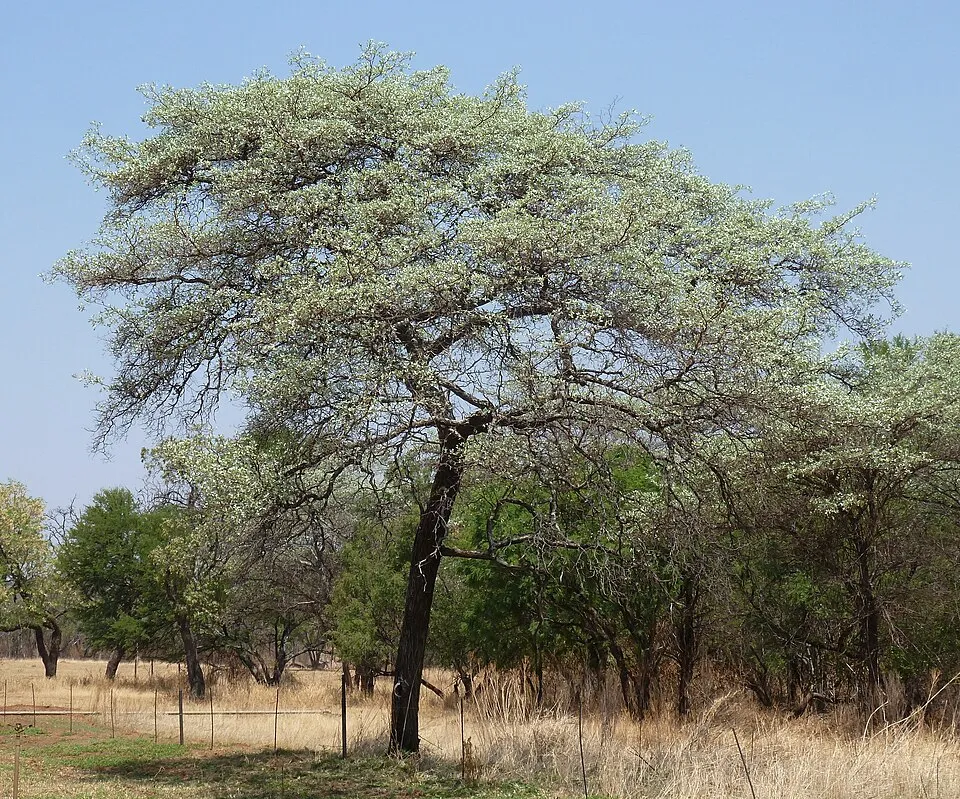
Triphala Combo is a foundational polyherbal formulation in Ayurvedic medicine, synergistically blending the dried fruits of three distinct botanical species: Terminalia chebula (Haritaki), Terminalia bellirica (Bibhitaki), and Emblica officinalis (Amalaki or Amla). While Terminalia chebula and Terminalia bellirica belong to the Combretaceae family, Emblica officinalis is a member of the Phyllanthaceae family, highlighting the diverse botanical origins within this potent blend. These trees are indigenous to the tropical and subtropical regions of South Asia, thriving across various soil types, from gravelly to loamy.
Terminalia chebula, often referred to as the 'King of Medicines,' is a deciduous tree growing up to 30 meters tall, characterized by its oval, dark green leaves (7-12 cm long) and small, ovoid to ellipsoid fruits. Terminalia bellirica, a large deciduous tree reaching similar heights, features larger elliptic leaves (8-15 cm long) with distinctive wavy margins and a greyish-brown, often flaking bark; its fruits are subglobose. Emblica officinalis, or Indian Gooseberry, is a smaller to medium-sized tree, typically 8-18 meters tall, with feathery leaves and round, yellowish-green fruits rich in vitamin C.
The fruits are harvested when ripe and carefully processed to preserve their complex chemical profiles, which include a rich array of tannins, flavonoids, phenolic acids, and other bioactive compounds, all contributing to Triphala's renowned therapeutic efficacy.
Trusted Scientific References
1. Authoritative external sources for Mixed Terminalia
1.1 Wikipedia — Mixed Terminalia
1.2 Kew POWO (Plants of the World Online)
1.3 PubMed — peer-reviewed research
1.4 NCBI Taxonomy Browser
1.5 GBIF — Global Biodiversity
1.6Triphala Combo should be interpreted through verified botanical identity, practical care, and responsible safety language. This recovery note adds the missing context needed for a complete profile: match light to the plant's habit, use well-drained soil, water according to season, and avoid unsupported medicinal or edible claims. For publishing, the plant can be presented as a source-backed medicinal plant with clear care guidance, common problem diagnosis, and conservative safety wording.
1.1.Triphala Combo — Standout Qualities
- ✓Polyherbal Formulation — A synergistic blend of Terminalia chebula, Terminalia bellirica, and Emblica officinalis fruits.
- ✓Tridoshic Balancer — Traditionally believed to balance Vata, Pitta, and Kapha doshas in Ayurveda.
- ✓Rich in Bioactives — Abundant in tannins, flavonoids, phenolic acids, and Vitamin C.
- ✓Digestive Aid — Promotes healthy digestion, regular elimination, and gut microbiota balance.
- ✓Powerful Antioxidant — Protects cells from free radical damage and reduces oxidative stress.
- ✓Immunomodulatory — Enhances the body's natural defense mechanisms and resilience.
- ✓Detoxifying Agent — Supports the body's natural cleansing processes and waste elimination.
- ✓Metabolic Support — Aids in maintaining healthy blood sugar and lipid levels.
- ✓Anti — inflammatory Properties — Contributes to reducing inflammation throughout the body.
- ✓Rejuvenating Rasayana — Valued in Ayurveda for its anti-aging and revitalizing qualities.
1.2.Triphala Combo — Quick Summary
- ✓Ancient Ayurvedic Remedy — A blend of three fruits: Haritaki, Bibhitaki, and Amalaki.
- ✓Digestive Powerhouse — Renowned for supporting gut health and promoting regular bowel function.
- ✓Potent Antioxidant — Rich in compounds that combat oxidative stress and cellular damage.
- ✓Holistic Wellness — Supports detoxification, immune function, and metabolic balance.
- ✓Versatile Use — Available as powder, capsules, or decoctions for various health applications.
- ✓Gentle Yet Effective — Offers a balanced approach to internal cleansing and rejuvenation.
2.Triphala Combo — Systematic Position
3.Triphala Combo — Botanical Stats
4.Triphala Combo — Morphological Account
5.Triphala Combo — Habitat & Distribution
6.Triphala Combo — Cultural & Traditional Roles
7.Triphala Combo — Bioactive Constituents
- ✓Tannins — Predominantly gallotannins and ellagitannins, such as gallic acid, ellagic acid, chebulagic acid, and chebulinic acid, which contribute to its astringent, antioxidant, and anti-inflammatory properties.
- ✓Flavonoids — Including quercetin and kaempferol, these compounds are potent antioxidants and possess anti-inflammatory and immunomodulatory activities.
- ✓Phenolic Acids — Gallic acid, protocatechuic acid, and ferulic acid are abundant, contributing significantly to Triphala's antioxidant capacity and protective effects against cellular damage.
- ✓Vitamin C (Ascorbic Acid) — Particularly high in Emblica officinalis, providing strong antioxidant support and vital for immune function and collagen synthesis.
- ✓Saponins — These compounds contribute to Triphala's cleansing properties and may have adaptogenic and immune-boosting effects.
- ✓Glycosides — Various glycosides are present, influencing diverse pharmacological activities including digestive support.
- ✓Terpenoids — A group of compounds that contribute to the aromatic and therapeutic properties, including anti-inflammatory and antimicrobial actions.
- ✓Anthraquinones — Present in small amounts, contributing to the mild laxative effect of Triphala, particularly from Terminalia chebula.
- ✓Phytosterols — Compounds like beta-sitosterol are found, offering anti-inflammatory and cholesterol-lowering potential.
- ✓Amino Acids — Essential and non-essential amino acids contribute to the nutritional profile and overall health-supporting properties of the blend.
8.Triphala Combo — Modern Studies
- ✓Digestive Health Support — Triphala acts as a gentle laxative, promoting regular bowel movements, alleviating constipation, and supporting overall gut motility by toning the digestive tract.
- ✓Antioxidant Properties — Rich in phenolic compounds, tannins, and flavonoids, Triphala effectively neutralizes free radicals, reducing oxidative stress and cellular damage throughout the body.
- ✓Detoxification and Cleansing — Historically used as a 'Rasayana' (rejuvenator), it supports the body's natural detoxification processes, helping to eliminate toxins and metabolic waste.
- ✓Immune System Modulation — The blend possesses immunomodulatory effects, enhancing the body's natural defense mechanisms and improving resistance to various pathogens.
- ✓Anti-inflammatory Action — Its diverse phytochemicals contribute to anti-inflammatory effects, potentially reducing systemic inflammation and associated discomfort.
- ✓Metabolic Regulation — Studies suggest Triphala can help regulate metabolic processes, supporting healthy blood sugar levels and lipid profiles, beneficial in metabolic disorders.
- ✓Liver Protection (Hepatoprotective) — It aids in protecting liver cells from damage and supports optimal liver function, crucial for detoxification and metabolism.
- ✓Cardioprotective Effects — Triphala contributes to cardiovascular health by supporting healthy cholesterol levels and reducing oxidative stress on the heart.
- ✓Ocular Health (Anticataract) — Traditional uses and some research indicate potential benefits for eye health, including protective effects against cataracts.
- ✓Skin Health Enhancement — By promoting internal cleansing and reducing oxidative stress, Triphala can contribute to clearer, healthier skin complexion.
- ✓Weight Management Support — It may assist in weight management by improving digestion, metabolism, and reducing fat accumulation, especially when combined with a healthy lifestyle.
- ✓Oral Health Maintenance — Its antimicrobial properties can support oral hygiene, reducing bacterial growth and promoting gum health.
8.1.Triphala Combo — Health Applications
9.Triphala Combo — Precautions & Warnings
9.1.Triphala Combo — Caution Notes
- ✓Gastrointestinal Upset — May cause mild diarrhea, gas, or abdominal discomfort, especially when starting or taking higher doses.
- ✓Laxative Effect — Its purgative nature can lead to loose stools or increased bowel frequency, particularly in sensitive individuals.
- ✓Drug Interactions — Potential to interact with blood-thinning medications, blood sugar-lowering drugs, and certain immunosuppressants.
- ✓Hypoglycemia Risk — May lower blood sugar levels, requiring caution for individuals with diabetes or those on antidiabetic medication.
- ✓Pregnancy and Lactation — Generally not recommended during pregnancy or breastfeeding due to insufficient safety data.
- ✓Allergic Reactions — Rare instances of allergic reactions such as skin rashes or itching have been reported in highly sensitive individuals.
9.2.Triphala Combo — Safety Profile
- ✓Consult Healthcare Provider — Always recommended before starting any new herbal supplement, especially for individuals with pre-existing conditions or on medication.
- ✓Pregnancy and Breastfeeding — Contraindicated during pregnancy and lactation due to potential uterine stimulation and lack of definitive safety studies.
- ✓Children — Use in children should be under strict medical supervision due to its potent effects on digestion.
- ✓Medical Conditions — Individuals with inflammatory bowel disease, severe diarrhea, or dehydration should avoid Triphala.
- ✓Surgery — Discontinue use at least two weeks before any scheduled surgery due to potential effects on blood clotting and blood sugar.
- ✓Dosage Adherence — Adhere to recommended dosages; excessive intake can exacerbate gastrointestinal side effects.
- ✓Quality Sourcing — Ensure purchasing from reputable sources to avoid contamination and ensure product purity and potency.
10.Triphala Combo — Preparation & Dosage
- ✓Powder Form — The most common method; typically mixed with warm water, honey, or ghee and consumed orally, often before bedtime or upon waking.
- ✓Capsules/Tablets — For convenience and precise dosing, Triphala is widely available in encapsulated or tablet forms, taken with water.
- ✓Decoction — A traditional preparation involves boiling the powder in water, then straining and drinking the liquid, which can enhance absorption.
- ✓Eye Wash — A diluted, strained Triphala decoction can be used as a traditional eye wash for soothing irritation and supporting eye health.
- ✓Oral Rinse — The decoction can also serve as an herbal mouthwash to promote oral hygiene and gum health due to its antimicrobial properties.
- ✓Topical Application — In some traditional practices, Triphala paste or oil is applied externally for skin conditions or wound healing.
- ✓Dosage — General dosage ranges from 2-6 grams per day, but it should be adjusted based on individual needs, practitioner advice, and product concentration.
11.Triphala Combo — Growing Guide
- ✓Climate — Thrives in tropical to subtropical climates with distinct wet and dry seasons, requiring ample sunlight.
- ✓Soil Requirements — Prefers well-drained, fertile soil, ranging from sandy loam to gravelly types, with a pH between 6.0 and 7.5.
- ✓Propagation — Primarily propagated through seeds, which require pre-treatment (scarification or soaking) to enhance germination rates.
- ✓Watering — Young plants need regular watering; mature trees are relatively drought-tolerant but benefit from irrigation during prolonged dry spells.
- ✓Fertilization — Benefits from organic fertilizers or compost application, especially during the growth phase, to ensure nutrient availability.
- ✓Pest and Disease Management — Generally robust, but susceptible to common fruit tree pests and fungal diseases, requiring integrated pest management approaches.
- ✓Harvesting — Fruits are typically harvested when mature and ripe, usually by hand, ensuring minimal damage and optimal quality.
- ✓Post-Harvest Processing — Harvested fruits are dried, often in the sun, to reduce moisture content and preserve their medicinal constituents before blending.
Reviewed by the Flora Medical Global Botanical Review Panel
Multi-disciplinary editorial group · Botany · Ethnobotany · Herbal-medicine literature
Who reviewed this: This page was checked by the Flora Medical Global Botanical Review Panel — an in-house editorial group of botany graduates, ethnobotany researchers, and horticulture practitioners who collectively maintain our 7,000+ plant encyclopedia. Meet the team.
Our 4-step verification process
1. Taxonomic verification
Scientific names and synonyms cross-checked against Kew POWO, World Flora Online, and The Plant List.
2. Phytochemical & medicinal cross-reference
Active compounds, traditional uses, and reported activities are cross-referenced with PubMed, USDA Dr. Duke's database, and peer-reviewed ethnobotanical literature.
3. Conservation & distribution check
Distribution, ecology, and conservation status confirmed against GBIF occurrence records and the IUCN Red List.
4. Editorial & safety review
Every entry passes an editorial pass for clarity, originality, and safety notices (toxicity, contraindications, dosage caveats) before publication.
Last reviewed:
Important medical disclaimer: This content is for educational and research purposes only. It is not medical advice and is not a substitute for consultation with a licensed healthcare provider. Do not use any herb to self-treat a medical condition without professional guidance.
Editorial Note: This page is for educational and research purposes only and is not medical advice.
Written by: Flora Medical Global Editorial Team
Reviewed by: Flora Medical Global Botanical Review Panel
Last Updated: June 16, 2026





Triphala Combo — Comments & Community Reviews
Rate this plant