

Medical Disclaimer: This content is for educational purposes only. It is not medical advice. Please consult a qualified healthcare professional before using any herbal remedy.
Safety Overview
1.Twak — Botanical Snapshot
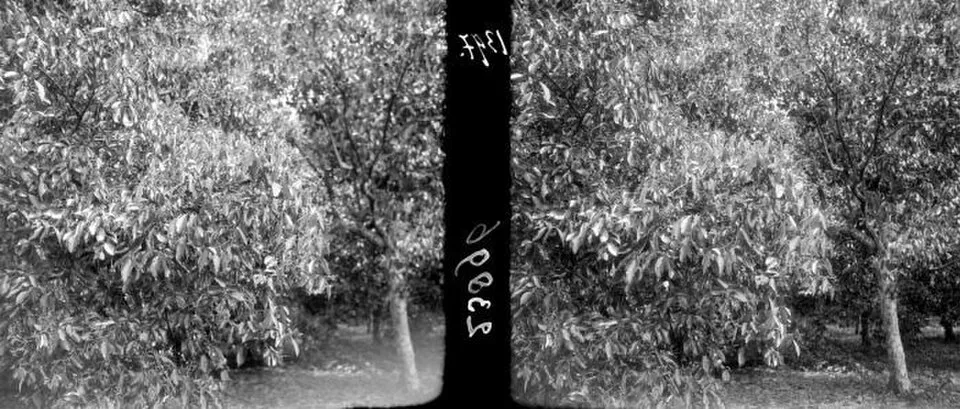
Cinnamomum zeylanicum, more accurately known as Cinnamomum verum and commonly referred to as true cinnamon or Ceylon cinnamon, is a distinguished evergreen tree belonging to the aromatic Lauraceae family. Typically reaching heights of 10 to 15 meters, this tree is characterized by its slender trunk, rarely exceeding 30 centimeters in diameter. Its leaves are elegantly ovate to elliptical, measuring between 7 to 18 centimeters in length, showcasing a lustrous dark green upper surface that starkly contrasts with their paler, almost glaucous undersides, often featuring a prominent three-veined pattern from the base.
The tree's most prized feature is its bark — smooth, thin, and light brown to gray, which, upon drying, naturally curls into multiple, delicate, papery layers, forming the characteristic quills known globally as cinnamon sticks. Small, inconspicuous, star-shaped flowers, creamy white to yellowish in hue, emerge in axillary panicles during late summer to early autumn, giving way to small, ovoid berries. These fruits mature from green to a deep purplish-black, each typically containing one or two seeds.
Native to the island of Sri Lanka (formerly Ceylon) and the southern regions of India, Cinnamomum zeylanicum thrives in tropical climates, preferring moist, well-drained loamy soils and benefiting from partial shade. Its cultivation has expanded globally to various tropical regions, valued not only for its delicate sweetness and complex aroma in culinary applications but also for its profound medicinal properties, particularly recognized in traditional Ayurvedic and Chinese medicine. This species is often distinguished from its more common relative, Cinnamomum cassia, by its lower coumarin content and more refined flavor profile.
Trusted Scientific References
1. Authoritative external sources for Cinnamomum zeylanicum
1.1 Wikipedia — Cinnamomum zeylanicum
1.2 Kew POWO (Plants of the World Online)
1.3 PubMed — peer-reviewed research
1.4 NCBI Taxonomy Browser
1.5 GBIF — Global Biodiversity
1.1.Twak — Notable Characteristics
- ✓True Cinnamon Variety — Authentic Cinnamomum verum (zeylanicum), distinct from Cassia.
- ✓Low Coumarin Content — Significantly lower levels of coumarin, making it safer for regular consumption.
- ✓Delicate, Sweet Flavor — Offers a milder, more complex sweetness with citrus notes compared to the bolder, spicier Cassia.
- ✓Powerful Antioxidant — Rich in polyphenols that combat free radicals and oxidative stress.
- ✓Natural Anti — inflammatory — Contains compounds that help reduce inflammation throughout the body.
- ✓Metabolic Regulator — Known to improve insulin sensitivity and help manage blood sugar levels.
- ✓Digestive Aid — Traditionally used to soothe the digestive tract, reduce gas, and alleviate indigestion.
- ✓Antimicrobial Agent — Exhibits broad-spectrum activity against bacteria, fungi, and some viruses.
- ✓Traditional Medicine Staple — Deeply integrated into Ayurvedic and TCM practices for various ailments.
- ✓Versatile Culinary Spice — Widely used globally in both sweet and savory dishes, teas, and beverages.
1.2.Twak — Concise Overview
- ✓Ceylon cinnamon (Cinnamomum zeylanicum) is a prized aromatic spice.
- ✓Valued for its delicate flavor and lower coumarin content compared to Cassia.
- ✓A cornerstone in Ayurvedic and Traditional Chinese Medicine for centuries.
- ✓Potent antioxidant, anti-inflammatory, and antimicrobial properties.
- ✓Supports digestive health, metabolic function, and cardiovascular well-being.
- ✓Generally safe when consumed in moderate amounts, with specific precautions for certain conditions.
2.Twak — Nomenclature & Classification
3.Twak — Vital Statistics
4.Twak — Botanical Features
5.Twak — Origin & Spread
6.Twak — Traditional Uses
7.Twak — Chemical Profile
- ✓Essential Oils — Primarily composed of cinnamaldehyde (60-75%), which imparts its characteristic aroma and boasts strong antimicrobial and anti-inflammatory actions. Other significant compounds include eugenol, linalool, and beta-caryophyllene, contributing to its complex scent and therapeutic profile.
- ✓Tannins — These astringent compounds, such as proanthocyanidins, contribute to cinnamon's ability to reduce inflammation and support digestive health by tightening tissues.
- ✓Polyphenols — Including procyanidins and catechins, these are potent antioxidants that combat oxidative stress and cellular damage throughout the body.
- ✓Flavonoids — Known for their anti-inflammatory, antioxidant, and immunomodulatory properties, supporting overall immune function and reducing chronic inflammation.
- ✓Coumarins — Present in significantly lower amounts in Cinnamomum zeylanicum compared to C. cassia, primarily responsible for blood-thinning effects, though high doses can be hepatotoxic.
- ✓Mucilage — These soluble fibers provide a soothing effect on mucous membranes, aiding in respiratory and digestive discomfort.
- ✓Terpenes and Sesquiterpenes — A diverse group of compounds like alpha-pinene and camphene, contributing to the essential oil's aroma and exhibiting various biological activities, including anti-inflammatory and antiseptic effects.
- ✓Cinnamyl Acetate — An ester found in the essential oil that contributes to the sweet, balsamic notes and may have sedative properties.
- ✓Diterpenes — Compounds such as cinnamolaurine, which have shown potential anti-inflammatory and cytotoxic activities.
8.Twak — Scientific Evidence
- ✓Digestive Health — Cinnamomum zeylanicum stimulates digestive enzymes and helps alleviate indigestion, gas, and bloating, promoting a comfortable gastrointestinal tract function.
- ✓Metabolic Support — It is renowned for its ability to help regulate blood sugar levels by improving insulin sensitivity, making it beneficial for individuals managing metabolic syndrome and type 2 diabetes.
- ✓Anti-inflammatory Properties — The active compounds in Ceylon cinnamon exhibit potent anti-inflammatory effects, helping to reduce systemic inflammation and alleviate associated pain.
- ✓Antioxidant Powerhouse — Rich in polyphenols and procyanidins, it effectively neutralizes harmful free radicals, protecting cells from oxidative damage and supporting overall cellular health.
- ✓Cardiovascular Well-being — Ceylon cinnamon contributes to heart health by helping to lower LDL cholesterol and triglyceride levels, and its mild blood-thinning properties support healthy circulation.
- ✓Respiratory Aid — Its warming properties are traditionally utilized to soothe coughs, colds, and bronchitis by thinning mucus and facilitating its expulsion from the respiratory passages.
- ✓Antimicrobial Action — Essential oils, particularly cinnamaldehyde, confer significant antibacterial, antifungal, and antiviral properties, useful against various pathogens.
- ✓Cognitive Enhancement — Emerging research suggests that cinnamon may support brain health by improving memory and protecting against neurodegenerative conditions.
- ✓Pain Management — Due to its anti-inflammatory and analgesic effects, it can help reduce muscle aches, joint pain, and certain types of headaches.
- ✓Oral Hygiene Support — The antimicrobial nature of Cinnamomum zeylanicum helps combat oral bacteria, reducing bad breath and promoting gum health when used in rinses or oral care products.
8.1.Twak — Health Applications
9.Twak — Safety & Side Effects
9.1.Twak — Warnings
- ✓Liver Toxicity — High doses, particularly of Cinnamomum cassia due to its higher coumarin content, can potentially cause liver damage. Ceylon cinnamon has significantly lower coumarin, reducing this risk.
- ✓Allergic Reactions — Some individuals may experience allergic reactions, including skin rashes, mouth sores, or digestive upset, especially with direct contact or high consumption.
- ✓Hypoglycemia — When consumed in large amounts, especially alongside anti-diabetic medications, cinnamon can cause blood sugar levels to drop too low.
- ✓Digestive Upset — Excessive intake may lead to stomach irritation, heartburn, or diarrhea in sensitive individuals.
- ✓Blood Thinning — Due to its mild anticoagulant properties, cinnamon may increase the risk of bleeding, particularly when combined with anticoagulant medications.
- ✓Skin Irritation — Undiluted cinnamon essential oil can cause skin irritation, redness, or burning upon direct topical application.
- ✓Oral Discomfort — Direct contact with powdered cinnamon, especially in large quantities, can cause irritation and inflammation of the mouth and lips.
9.2.Twak — Safety Profile
- ✓Pregnancy and Lactation — Pregnant or breastfeeding individuals should exercise caution and consult a healthcare professional before using cinnamon in medicinal quantities.
- ✓Diabetes Management — Individuals on anti-diabetic medications should monitor blood sugar closely when using cinnamon, as it can enhance the hypoglycemic effect.
- ✓Bleeding Disorders — Due to its mild blood-thinning properties, those with bleeding disorders or on anticoagulant medications should use cinnamon cautiously.
- ✓Liver Conditions — While Ceylon cinnamon has low coumarin, individuals with pre-existing liver conditions should limit intake of all cinnamon varieties and consult a doctor.
- ✓Allergic Sensitivities — People with known allergies to members of the Lauraceae family or other spices should approach cinnamon use with caution.
- ✓Dosage — Adhere to recommended dosages for medicinal use; excessive intake is not advised. Culinary amounts are generally considered safe for most healthy adults.
- ✓Children — Medicinal use in children should be under strict professional guidance due to their sensitive systems and potential for adverse reactions.
10.Twak — Usage Guide
- ✓Powdered Bark — The most common form; used as a culinary spice, added to beverages, baked goods, and savory dishes. Medicinally, it's often mixed with warm water, honey, or other herbs.
- ✓Cinnamon Sticks (Quills) — Used whole in cooking for infusing flavor into stews, curries, teas, and mulled beverages, then typically removed before serving.
- ✓Essential Oil — Extracted from the bark or leaves, used in aromatherapy for its uplifting and stimulating properties, or diluted for topical application in massage or liniments.
- ✓Decoctions and Infusions — Boiling cinnamon sticks or powder in water creates a medicinal tea, often combined with ginger or other warming spices for respiratory or digestive relief.
- ✓Tinctures — An alcohol-based extract of cinnamon bark, offering a concentrated form for medicinal use, typically taken in drops mixed with water.
- ✓Capsules and Tablets — Standardized extracts or powdered bark are available as dietary supplements for consistent dosing and specific health benefits.
- ✓Topical Applications — Cinnamon powder mixed with a carrier (like honey or water) can form a paste for addressing skin conditions or localized pain.
- ✓Culinary Ingredient — Integrated into a vast array of global cuisines, from sweet desserts and pastries to savory meat dishes and Middle Eastern tagines, enhancing flavor and providing health benefits.
11.Twak — Cultivation & Care
- ✓Climate Preference — Thrives in warm, humid tropical and subtropical climates with average temperatures between 20-30°C and annual rainfall of 2000-2500 mm.
- ✓Soil Requirements — Prefers well-drained, sandy loam soils rich in organic matter, with a slightly acidic pH range of 4.5 to 5.5.
- ✓Propagation — Primarily propagated through seeds, but also effectively grown from cuttings or layering to ensure genetic uniformity and faster maturity.
- ✓Planting and Spacing — Young plants are typically planted in rows, with adequate spacing (e.g., 2-3 meters apart) to allow for proper growth and air circulation.
- ✓Harvesting — The bark is harvested from young shoots (coppiced every 1-2 years) when the stems are about 1.5-2.5 cm in diameter, typically during the rainy season for easier bark removal.
- ✓Post-Harvest Processing — After harvesting, the outer cork layer is scraped off, and the inner bark is carefully peeled, then dried. As it dries, it naturally curls into multiple layers, forming the distinctive quills.
- ✓Pest and Disease Management — Requires vigilance against common pests like bark borers and diseases such as root rot, often managed through good agricultural practices and organic pest control.
Reviewed by the Flora Medical Global Botanical Review Panel
Multi-disciplinary editorial group · Botany · Ethnobotany · Herbal-medicine literature
Who reviewed this: This page was checked by the Flora Medical Global Botanical Review Panel — an in-house editorial group of botany graduates, ethnobotany researchers, and horticulture practitioners who collectively maintain our 7,000+ plant encyclopedia. Meet the team.
Our 4-step verification process
1. Taxonomic verification
Scientific names and synonyms cross-checked against Kew POWO, World Flora Online, and The Plant List.
2. Phytochemical & medicinal cross-reference
Active compounds, traditional uses, and reported activities are cross-referenced with PubMed, USDA Dr. Duke's database, and peer-reviewed ethnobotanical literature.
3. Conservation & distribution check
Distribution, ecology, and conservation status confirmed against GBIF occurrence records and the IUCN Red List.
4. Editorial & safety review
Every entry passes an editorial pass for clarity, originality, and safety notices (toxicity, contraindications, dosage caveats) before publication.
Last reviewed:
Important medical disclaimer: This content is for educational and research purposes only. It is not medical advice and is not a substitute for consultation with a licensed healthcare provider. Do not use any herb to self-treat a medical condition without professional guidance.
Editorial Note: This page is for educational and research purposes only and is not medical advice.
Written by: Flora Medical Global Editorial Team
Reviewed by: Flora Medical Global Botanical Review Panel
Last Updated: June 16, 2026





Twak — Comments & Community Reviews
Rate this plant