

Medical Disclaimer: This content is for educational purposes only. It is not medical advice. Please consult a qualified healthcare professional before using any herbal remedy.
Safety Overview
1.Umckaloabo — Botanical Snapshot

Umckaloabo, scientifically designated as Pelargonium sidoides DC., is a captivating perennial herbaceous plant within the Geraniaceae family. Typically reaching heights of 30-50 cm, this species is characterized by its distinctive basal rosette of rounded, kidney-shaped leaves. These leaves, measuring 3-7 cm across, feature gently wavy margins and a soft, velvety texture due to a covering of fine hairs, contributing to its lush appearance.
The plant produces delicate yet striking flowers, usually in shades of pink to magenta, arranged in umbellate clusters atop slender, erect, greenish-brown, somewhat hairy stems. Each flower typically presents five petals, with a notable dark purple marking often adorning the upper petal. Indigenous to the high-altitude grasslands and rocky outcrops of South Africa, particularly prevalent in the Eastern Cape Province and the Lesotho highlands, Pelargonium sidoides thrives in well-drained soils and requires ample sunlight.
Its adaptability allows it to flourish across a wide altitudinal range, from near sea level to over 2700 meters. Taxonomically, it stands as a significant member of the diverse Pelargonium genus, renowned globally for its ornamental and medicinal species. This plant's unique morphological characteristics are complemented by its profound ethnopharmacological importance, deeply rooted in traditional Southern African healing practices, making it a subject of extensive modern scientific inquiry.
Trusted Scientific References
Authoritative external sources for Pelargonium sidoides DC.:
Umckaloabo should be interpreted through verified botanical identity, practical care, and responsible safety language. This recovery note adds the missing context needed for a complete profile: match light to the plant's habit, use well-drained soil, water according to season, and avoid unsupported medicinal or edible claims. For publishing, the plant can be presented as a source-backed medicinal plant with clear care guidance, common problem diagnosis, and conservative safety wording.
1.1.Umckaloabo — Highlights
- ✓Botanical Name — Pelargonium sidoides DC., commonly known as Umckaloabo.
- ✓Family — Belongs to the Geraniaceae family, known for its diverse flowering plants.
- ✓Primary Medicinal Use — Widely recognized and clinically studied for treating acute respiratory tract infections, particularly bronchitis.
- ✓Active Constituents — Rich in coumarins (e.g., umckalin, scopoletin), phenolic acids, and flavonoids.
- ✓Traditional Origin — Native to Southern Africa, deeply rooted in local traditional medicine for various ailments.
- ✓Growth Habit — A perennial geophyte characterized by a basal rosette of kidney-shaped leaves and dark pink to magenta flowers.
- ✓Immunomodulatory Action — Works by interfering with microbial adhesion and stimulating the host's innate immune response rather than direct antimicrobial killing.
- ✓Commercial Extract — EPs® 7630 is a well-researched, standardized extract used in many commercial phytomedicines.
- ✓Conservation Concern — Wild populations face overexploitation due to increasing global demand, highlighting the need for sustainable cultivation.
- ✓Adaptability — Thrives in diverse altitudes and well-drained soils, characteristic of its native South African grasslands.
1.2.Umckaloabo — At-a-Glance Summary
- ✓Umckaloabo (Pelargonium sidoides) is a South African herb known for respiratory benefits.
- ✓Its roots are traditionally used for colds, flu, bronchitis, and gastrointestinal issues.
- ✓Modern research validates its efficacy, especially for acute bronchitis with the EPs® 7630 extract.
- ✓Key active compounds include coumarins like umckalin, which modulate the immune response.
- ✓Sustainable harvesting and cultivation are crucial due to high demand and conservation concerns.
- ✓Generally well-tolerated, but caution is advised with certain medications and conditions.
2.Umckaloabo — Scientific Identity
3.Umckaloabo — Categories & Tags
4.Umckaloabo — Botanical Description
5.Umckaloabo — Heritage Uses
6.Umckaloabo — Chemical Profile
- ✓Coumarins — Key active compounds include umckalin and scopoletin, which are thought to contribute significantly to the plant's anti-infective and immunomodulatory properties.
- ✓Phenolic Acids — Gallic acid and its derivatives are present, providing antioxidant and antimicrobial activities.
- ✓Flavonoids — Various flavonoids, such as catechins and quercetin derivatives, contribute to the plant's antioxidant and anti-inflammatory profile.
- ✓Proanthocyanidins — These condensed tannins offer strong antioxidant effects and may contribute to the plant's astringent and protective qualities.
- ✓Tannins — High concentrations of tannins are found, imparting astringent properties and potentially contributing to antimicrobial and anti-diarrheal effects.
- ✓Polysaccharides — Certain polysaccharides may play a role in the plant's immunomodulatory actions, supporting overall immune function.
- ✓Alkaloids — While generally in smaller quantities, alkaloids are a class of nitrogen-containing compounds that can exhibit diverse pharmacological activities.
- ✓Terpenoids — Various terpenoid compounds are present, which often contribute to the plant's aroma and may possess their own unique biological activities.
7.Umckaloabo — Evidence-Based Benefits
- ✓Respiratory Tract Infection Treatment — Pelargonium sidoides, particularly its standardized extract EPs® 7630, has demonstrated significant efficacy in reducing the severity and duration of acute bronchitis and other upper respiratory tract infections.
- ✓Immune System Modulation — The plant's compounds do not directly kill microbes but interfere with microbial binding to host cells and stimulate the host's immune response, enhancing the production of antimicrobial effector molecules like nitric oxide and interferons.
- ✓Anti-inflammatory Effects — Traditional uses and preliminary research suggest Umckaloabo possesses anti-inflammatory properties, which contribute to alleviating symptoms of various inflammatory conditions.
- ✓Antioxidant Protection — Rich in phenolic compounds, Pelargonium sidoides offers antioxidant benefits, helping to neutralize free radicals and protect cells from oxidative damage.
- ✓Gastrointestinal Health Support — Traditionally, the roots were used to treat various gastrointestinal ailments including diarrhea, colic, and gastritis, indicating potential soothing and antimicrobial actions within the digestive tract.
- ✓Traditional Tuberculosis Remedy — Historically, Umckaloabo was a prominent traditional remedy for tuberculosis, a use that eventually led to its introduction into European medicine in the late 19th century.
- ✓Cough and Cold Relief — Due to its efficacy against respiratory infections, Umckaloabo is widely used to alleviate symptoms associated with the common cold, such as coughs and sore throats.
- ✓Skin Condition Management — Local communities traditionally applied powdered plant material as a facial cream for skin pimples, suggesting potential antibacterial or anti-inflammatory properties beneficial for dermatological issues.
- ✓Anthelmintic Properties — In ethno-veterinary medicine, root decoctions were used as an anthelmintic remedy in calves, highlighting its traditional application against parasitic worms.
- ✓Menstrual Complaint Alleviation — Traditional healers have utilized Pelargonium sidoides to address various menstrual complaints, though specific mechanisms are not yet fully elucidated by modern science.
7.1.Umckaloabo — Therapeutic Indications
8.Umckaloabo — Safety & Side Effects
8.1.Umckaloabo — Reported Side Effects
- ✓Gastrointestinal Upset — Mild digestive disturbances such as nausea, stomach discomfort, or diarrhea are the most commonly reported side effects.
- ✓Allergic Reactions — Rarely, individuals may experience allergic responses, including skin rashes, itching, or hives.
- ✓Increased Bleeding Risk — Due to the presence of coumarins, there is a theoretical risk of increased bleeding, especially in individuals taking anticoagulant medications.
- ✓Liver Enzyme Elevation — Although infrequent and usually mild, some cases of elevated liver enzymes have been reported, warranting caution in individuals with pre-existing liver conditions.
- ✓Headache — Occasional reports of headaches have been noted, typically mild and transient.
- ✓Dizziness — Infrequent instances of dizziness have been reported by some users.
8.2.Umckaloabo — Safety Overview
- ✓Pregnancy and Lactation — Avoid use during pregnancy and breastfeeding due to insufficient safety data and the potential for unknown effects on the fetus or infant.
- ✓Children — While specific standardized extracts (like EPs® 7630) are generally considered safe for children above a certain age (e.g., 6 years), always consult a pediatrician before administering to pediatric populations.
- ✓Anticoagulant Medications — Use with extreme caution or avoid if taking blood-thinning medications (e.g., warfarin, aspirin) due to the theoretical risk of increased bleeding from coumarin content.
- ✓Autoimmune Diseases — Individuals with autoimmune disorders should use Umckaloabo cautiously, as it can modulate the immune system, potentially exacerbating symptoms.
- ✓Liver Disease — Patients with pre-existing liver conditions should exercise caution and consult a healthcare professional due to rare reports of liver enzyme elevation.
- ✓Allergies — Individuals with known allergies to plants in the Geraniaceae family should avoid Umckaloabo.
- ✓Duration of Use — Typically recommended for short-term use during acute conditions; long-term safety data is less established.
9.Umckaloabo — Usage Guide
- ✓Decoction of Roots — Traditionally, dried and powdered roots are boiled in water to create a decoction, consumed orally for respiratory ailments, gastrointestinal issues, and other internal conditions.
- ✓Standardized Extracts (e.g., EPs® 7630) — Modern phytopharmaceuticals typically use ethanolic extracts of the roots, standardized for specific active compounds, available as drops, syrups, or tablets.
- ✓Tinctures — An alcohol-based extraction of the roots is prepared, allowing for a concentrated liquid form that is taken in small doses, often diluted in water.
- ✓Infusion of Leaves — While less common for the roots, infusions of the leaves might be used topically or for milder internal applications, though the roots contain the highest concentration of active compounds.
- ✓Topical Application (Powder/Paste) — Powdered roots mixed with water or other carriers can be applied externally as a paste for traditional skin conditions like pimples.
- ✓Syrups and Lozenges — Commercial preparations for cough and cold relief often incorporate Umckaloabo extract into palatable syrup or lozenge forms for ease of administration.
- ✓Dosage Guidance — Always adhere to the recommended dosages on commercial products or as advised by a qualified medical herbalist, as concentrations vary significantly between preparations.
10.Umckaloabo — Garden Cultivation
- ✓Soil Requirements — Thrives best in well-drained, sandy-loam soils with a neutral to slightly acidic pH.
- ✓Sunlight Exposure — Prefers full sunlight but can tolerate partial shade, especially in hotter climates.
- ✓Watering Regime — Requires moderate watering; allow the soil to dry out between waterings to prevent root rot, as it is susceptible to overwatering.
- ✓Climate and Temperature — Best suited for tropical to subtropical climates, but its adaptability allows it to grow in a wide range of altitudes.
- ✓Propagation Techniques — Can be propagated effectively from seeds, root divisions, or stem cuttings, with root division being a common method for commercial cultivation.
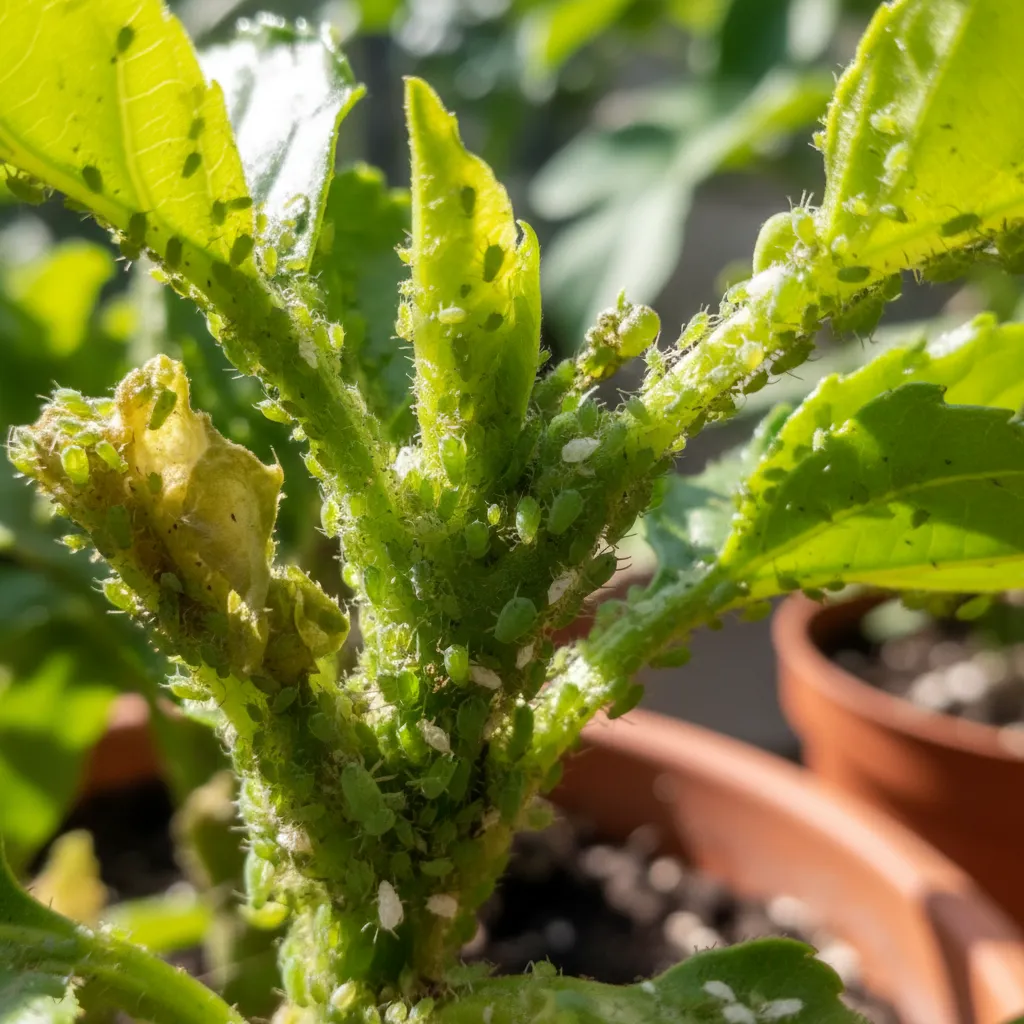
- ✓Pest and Disease Management — Generally robust, but monitor for common garden pests like aphids and fungal diseases, especially in humid conditions.
- ✓Harvesting Practices — The roots are the primary medicinal part; sustainable harvesting is critical to prevent overexploitation of wild populations, often involving careful root division rather than complete removal.
- ✓Conservation through Cultivation — Due to increasing demand and wild harvesting pressures, promoting cultivated sources and plant biotechnology applications is essential for its long-term conservation.
Reviewed by the Flora Medical Global Botanical Review Panel
Multi-disciplinary editorial group · Botany · Ethnobotany · Herbal-medicine literature
Who reviewed this: This page was checked by the Flora Medical Global Botanical Review Panel — an in-house editorial group of botany graduates, ethnobotany researchers, and horticulture practitioners who collectively maintain our 7,000+ plant encyclopedia. Meet the team.
Our 4-step verification process
1. Taxonomic verification
Scientific names and synonyms cross-checked against Kew POWO, World Flora Online, and The Plant List.
2. Phytochemical & medicinal cross-reference
Active compounds, traditional uses, and reported activities are cross-referenced with PubMed, USDA Dr. Duke's database, and peer-reviewed ethnobotanical literature.
3. Conservation & distribution check
Distribution, ecology, and conservation status confirmed against GBIF occurrence records and the IUCN Red List.
4. Editorial & safety review
Every entry passes an editorial pass for clarity, originality, and safety notices (toxicity, contraindications, dosage caveats) before publication.
Last reviewed:
Important medical disclaimer: This content is for educational and research purposes only. It is not medical advice and is not a substitute for consultation with a licensed healthcare provider. Do not use any herb to self-treat a medical condition without professional guidance.
Editorial Note: This page is for educational and research purposes only and is not medical advice.
Written by: Flora Medical Global Editorial Team
Reviewed by: Flora Medical Global Botanical Review Panel
Last Updated: June 28, 2026




Umckaloabo — Comments & Community Reviews
Rate this plant
No reviews yet. Be the first!