

Medical Disclaimer: This content is for educational purposes only. It is not medical advice. Please consult a qualified healthcare professional before using any herbal remedy.
Safety Overview
1.Urena — Plant Snapshot

Urena lobata, commonly known as Caesar’s Weed or Congo Jute, is a resilient perennial herbaceous plant within the Malvaceae family, typically reaching a height of 1 to 2 meters. Its distinctive foliage features heart-shaped leaves, approximately 8 to 15 cm in length, with a pronounced serrated margin and a softly hairy texture. The flowers are particularly striking, presenting a vibrant spectrum from pale pink to deep purple, each comprising five petals about 3 to 5 cm wide, creating a beautiful display during its blooming season.
The stems are erect, often exhibiting a velvety texture and a reddish to pale brown hue. This plant thrives in tropical and subtropical climates, predominantly found in disturbed soils, along roadsides, and within secondary forests across vast regions of Africa, Asia, and the Pacific Islands, including India’s coastal plains and West African savannahs. Taxonomically, it belongs to the Kingdom Plantae, Clade Angiosperms, Order Malvales, Family Malvaceae, and Genus/Species Urena lobata L., showcasing its close relation to other Malvaceae members like hibiscus and okra.
Beyond its ornamental appeal, Urena lobata holds significant traditional medicinal value, particularly for digestive complaints and wound healing, attributed to its diverse biochemical profile.
Trusted Scientific References
Authoritative external sources for Urena lobata:
Urena should be interpreted through verified botanical identity, practical care, and responsible safety language. This recovery note adds the missing context needed for a complete profile: match light to the plant's habit, use well-drained soil, water according to season, and avoid unsupported medicinal or edible claims. For publishing, the plant can be presented as a source-backed medicinal plant with clear care guidance, common problem diagnosis, and conservative safety wording.
1.1.Urena — Defining Traits
- ✓Botanical Classification — A perennial herbaceous plant belonging to the Malvaceae family (Mallow family).
- ✓Distinctive Morphology — Features heart-shaped, serrated leaves and striking pale pink to deep purple, five-petaled flowers.
- ✓Wide Distribution — Thrives in tropical and subtropical regions across Africa, Asia, and the Pacific Islands.
- ✓Traditional Medicinal Use — Valued in Ayurvedic, African, and East Asian folk medicine for centuries.
- ✓Rich Phytochemistry — Contains a diverse profile of alkaloids, flavonoids, triterpenoids, and polysaccharides.
- ✓Multi — faceted Benefits — Known for wound healing, anti-inflammatory, respiratory, and gastroprotective properties.
- ✓Adaptable Growth — Grows readily in disturbed soils, roadsides, and secondary forests.
- ✓Historical Significance — Referenced in ancient Indian herbal manuscripts and traditional African practices.
- ✓Research Validation — Modern scientific studies support many of its traditional applications.
- ✓Common Names — Also known as Caesar’s Weed and Congo Jute, reflecting its global presence.
1.2.Urena — Quick Summary
- ✓Urena lobata is a versatile perennial herb from the Malvaceae family, known for its pink-purple flowers.
- ✓Traditionally used in Ayurveda and African medicine for wound healing, inflammation, and digestive support.
- ✓Rich in bioactive compounds including lobeline, quercetin, beta-sitosterol, and ursolic acid.
- ✓Offers benefits for respiratory health, skin conditions, and acts as a mild diuretic.
- ✓Available as powders, extracts, and tinctures, with specific dosage guidelines for various applications.
- ✓Generally well-tolerated, but cautions exist regarding gastrointestinal upset, kidney stress, and potential drug interactions.
2.Urena — Scientific Identity
3.Urena — Categories & Tags
4.Urena — Structural Profile
5.Urena — Historical Applications
6.Urena — Bioactive Constituents
- ✓Alkaloids — Key among these is Lobeline, primarily found in the root, which is thought to modulate neurotransmitter activity and exhibit mild bronchodilatory effects, aiding respiratory relief.
- ✓Flavonoids — Derivatives of Quercetin and Kaempferol are abundant in the leaves, acting as potent antioxidants and anti-inflammatory agents by scavenging free radicals and modulating inflammatory pathways.
- ✓Triterpenoids — Ursolic Acid, a significant compound found in the leaves, is linked to remarkable wound-healing capabilities and antimicrobial action, contributing to tissue repair and infection prevention.
- ✓Plant Sterols — Beta-Sitosterol, present in both leaves and roots, plays a crucial role in membrane stabilization and has demonstrated potential in cholesterol-lowering effects within the body.
- ✓Polysaccharides — The plant, particularly its root, is rich in mucilaginous polysaccharides, which provide demulcent properties, making it ideal for soothing irritated mucous membranes in the digestive and respiratory tracts.
- ✓Phenolic Acids — Various phenolic acids contribute to the plant's overall antioxidant capacity, protecting cells from oxidative damage and contributing to its anti-inflammatory profile.
- ✓Tannins — Present in certain parts, tannins contribute astringent properties, which can be beneficial in wound healing and reducing inflammation by contracting tissues and proteins.
- ✓Saponins — These compounds contribute to the plant's traditional use as an expectorant and may possess mild anti-inflammatory and immune-modulating effects, particularly in root extracts.
- ✓Glycosides — A range of glycosides are found, contributing to various pharmacological activities including cardioprotective and anti-diabetic potentials, though specific mechanisms are under investigation.
- ✓Fatty Acids — Essential fatty acids are present in the plant, supporting cellular health and contributing to the overall nutritional and therapeutic profile of Urena lobata.
7.Urena — Research Insights
- ✓Wound Healing — Topical application of Urena lobata preparations, such as leaf pastes or root decoctions, significantly accelerates the healing of minor cuts, burns, and chronic skin ulcers by promoting re-epithelialization and reducing microbial colonization.
- ✓Anti-Inflammatory & Analgesic — The plant’s extracts exhibit potent anti-inflammatory properties, reducing swelling and pain, particularly in conditions like joint pain, as evidenced by its traditional use with turmeric and modern animal studies.
- ✓Respiratory Support — Traditionally used as an expectorant, Urena lobata helps alleviate coughs and supports easier breathing, with its lobeline alkaloid contributing to mild bronchodilatory effects.
- ✓Gastroprotective Properties — The rich polysaccharide content provides demulcent properties, effectively soothing irritated gastric mucosa and reducing symptoms of epigastric discomfort and improving overall digestion.
- ✓Skin Conditions Management — Urena lobata-based topical applications demonstrate antimicrobial effects against common skin pathogens like Staphylococcus aureus and Candida albicans, offering potential benefits for acne and mild fungal infections.
- ✓Diuretic & Detoxification — In traditional systems, Urena lobata is recognized as a mild diuretic, aiding in the management of mild fluid retention and supporting kidney function by promoting balanced fluid excretion.
- ✓Lactation Support — Folklore in South Asia points to the root tincture’s ability to promote milk flow in new mothers, an anecdotal use valued by traditional midwives for increasing milk supply.
- ✓Antioxidant Protection — Flavonoids like quercetin and kaempferol derivatives present in the plant act as powerful antioxidants, scavenging free radicals and protecting cellular integrity from oxidative stress.
- ✓Immune System Modulation — Traditional uses suggest a role in immune support, with various phytochemicals contributing to the body's natural defense mechanisms and overall wellness.
- ✓Antimalarial Activity — In West African traditional medicine, decoctions of Urena lobata root were historically consumed as an anti-malarial tonic to combat fevers during rainy seasons.
7.1.Urena — Reported Uses
8.Urena — Risk Profile
8.1.Urena — Warnings
- ✓Gastrointestinal Upset — Overconsumption or high doses may lead to mild nausea, stomach discomfort, or diarrhea in sensitive individuals.
- ✓Kidney Stress — As a mild diuretic, very high doses could potentially alter electrolyte balance and should be avoided by individuals with chronic kidney disease.
- ✓Hypotension Risk — The presence of beta-sitosterol may cause a slight lowering of blood pressure; individuals on antihypertensive medications should monitor their blood pressure closely.
- ✓Allergic Reactions — Rare instances of contact dermatitis have been observed with topical application; a patch test is recommended before widespread use.
- ✓Drug Interactions — Urena lobata could potentially potentiate the effects of sedatives or bronchodilators; medical consultation is advised before combining with prescription drugs.
- ✓Pregnancy and Lactation — Generally avoided during pregnancy and breastfeeding unless under explicit professional guidance, due to limited safety data for these vulnerable groups.
- ✓Liver Impairment — Individuals with liver conditions should use the plant with caution and under strict professional supervision due to potential metabolic interactions.
8.2.Urena — Safety Profile
- ✓Professional Consultation — Always consult with a certified Ayurvedic practitioner or healthcare professional before initiating Urena lobata, especially for chronic conditions or if on other medications.
- ✓Dosage Adherence — Adhere strictly to recommended dosages to minimize the risk of adverse effects and ensure therapeutic benefits.
- ✓Vulnerable Populations — Pregnant and breastfeeding women, young children, and individuals with severe kidney or liver impairment should use Urena lobata only under strict medical supervision.
- ✓Patch Testing — For topical applications, perform a small patch test on the skin to check for allergic reactions before applying to larger areas.
- ✓Blood Pressure Monitoring — Individuals with hypotension or those taking blood pressure medications should monitor their blood pressure regularly if using Urena lobata internally.
- ✓Quality Sourcing — Ensure products are sourced from reputable suppliers that provide organically grown, non-GMO materials with third-party testing for contaminants.
- ✓Avoid Self-Medication — Do not use Urena lobata as a sole treatment for serious medical conditions; it should complement, not replace, conventional medical care.
9.Urena — Application Forms
- ✓Dried Leaf Powder — For digestive or respiratory support, 2–4 grams of dried leaf powder can be taken twice daily, mixed with warm water, preferably after meals.
- ✓Standardized Extract — A standardized extract (e.g., 4:1 ratio) can be consumed at a dosage of 300–500 mg twice a day for targeted anti-inflammatory or internal skin-healing benefits.
- ✓Tincture Preparation — A tincture (1:5 in alcohol) can be administered at 30–60 drops in water, up to three times daily, useful for coughs or mild asthma episodes.
- ✓Topical Poultice — For external wounds or skin irritations, a fresh leaf paste or a mixture of 1 tablespoon of powder with clean water or honey can be applied topically twice daily.
- ✓Root Decoction — The root can be prepared as a decoction by boiling dried root slices in water, traditionally used for fevers or as a general tonic.
- ✓Herbal Tea — Dried leaves and flowers can be steeped in hot water to make a soothing herbal tea, often used for mild respiratory discomfort or general wellness.
- ✓Infused Oil — Leaves can be infused in a carrier oil for topical application, creating a soothing oil for muscle aches or skin conditions.
- ✓Ayurvedic Formulations — Urena lobata is often incorporated into complex Ayurvedic formulations, where its properties are synergized with other herbs for specific therapeutic outcomes.
10.Urena — Growth Requirements
- ✓Climate Preference — Urena lobata thrives best in hot, humid tropical and subtropical zones, requiring consistent warmth and moisture for optimal growth.
- ✓Soil Requirements — It prefers loamy, well-drained soils, but is adaptable and can tolerate disturbed soils, often found along roadsides and in secondary forests.
- ✓Light Exposure — The plant requires adequate sunlight, preferring full sun to partial shade for robust growth and optimal flowering.
- ✓Watering Regimen — Regular watering is essential, especially during dry periods, to maintain soil moisture, though it can withstand some drought conditions once established.
- ✓Propagation — Urena lobata is commonly propagated by seeds, which germinate readily in suitable conditions, or by stem cuttings.
- ✓Harvesting Practices — Leaves are optimally harvested just before flowering to maximize flavonoid content, typically in the early morning, and then sun-dried on mats to prevent mold.
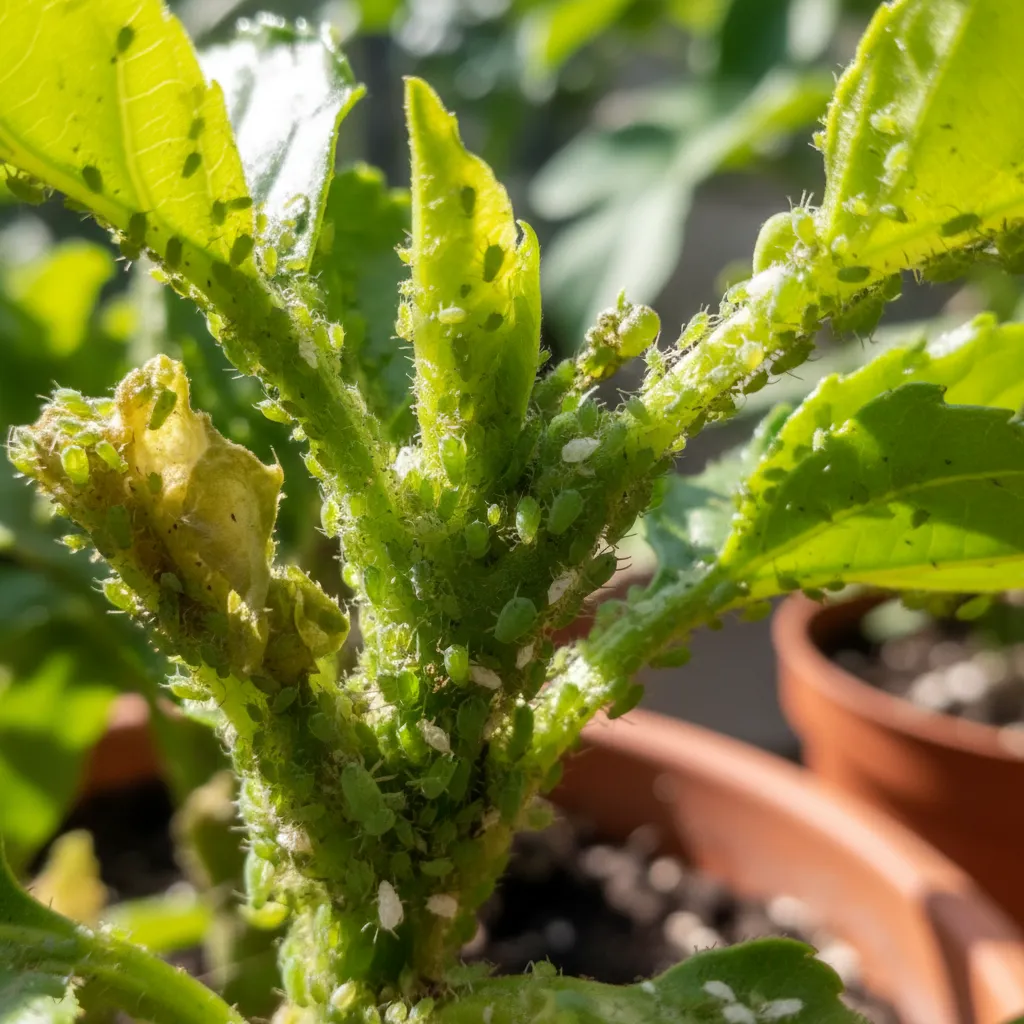
- ✓Pest and Disease Management — Generally a resilient plant, it exhibits good natural resistance to most common pests and diseases, requiring minimal intervention.
- ✓Nutritional Needs — While adaptable, enriching the soil with organic matter can enhance growth and the production of bioactive compounds.
Reviewed by the Flora Medical Global Botanical Review Panel
Multi-disciplinary editorial group · Botany · Ethnobotany · Herbal-medicine literature
Who reviewed this: This page was checked by the Flora Medical Global Botanical Review Panel — an in-house editorial group of botany graduates, ethnobotany researchers, and horticulture practitioners who collectively maintain our 7,000+ plant encyclopedia. Meet the team.
Our 4-step verification process
1. Taxonomic verification
Scientific names and synonyms cross-checked against Kew POWO, World Flora Online, and The Plant List.
2. Phytochemical & medicinal cross-reference
Active compounds, traditional uses, and reported activities are cross-referenced with PubMed, USDA Dr. Duke's database, and peer-reviewed ethnobotanical literature.
3. Conservation & distribution check
Distribution, ecology, and conservation status confirmed against GBIF occurrence records and the IUCN Red List.
4. Editorial & safety review
Every entry passes an editorial pass for clarity, originality, and safety notices (toxicity, contraindications, dosage caveats) before publication.
Last reviewed:
Important medical disclaimer: This content is for educational and research purposes only. It is not medical advice and is not a substitute for consultation with a licensed healthcare provider. Do not use any herb to self-treat a medical condition without professional guidance.
Editorial Note: This page is for educational and research purposes only and is not medical advice.
Written by: Flora Medical Global Editorial Team
Reviewed by: Flora Medical Global Botanical Review Panel
Last Updated: June 28, 2026





Urena — Comments & Community Reviews
Rate this plant
No reviews yet. Be the first!