
Medical Disclaimer: This content is for educational purposes only. It is not medical advice. Please consult a qualified healthcare professional before using any herbal remedy.
Safety Overview
1.Vernonia Noveboracensis — Introduction & Highlights
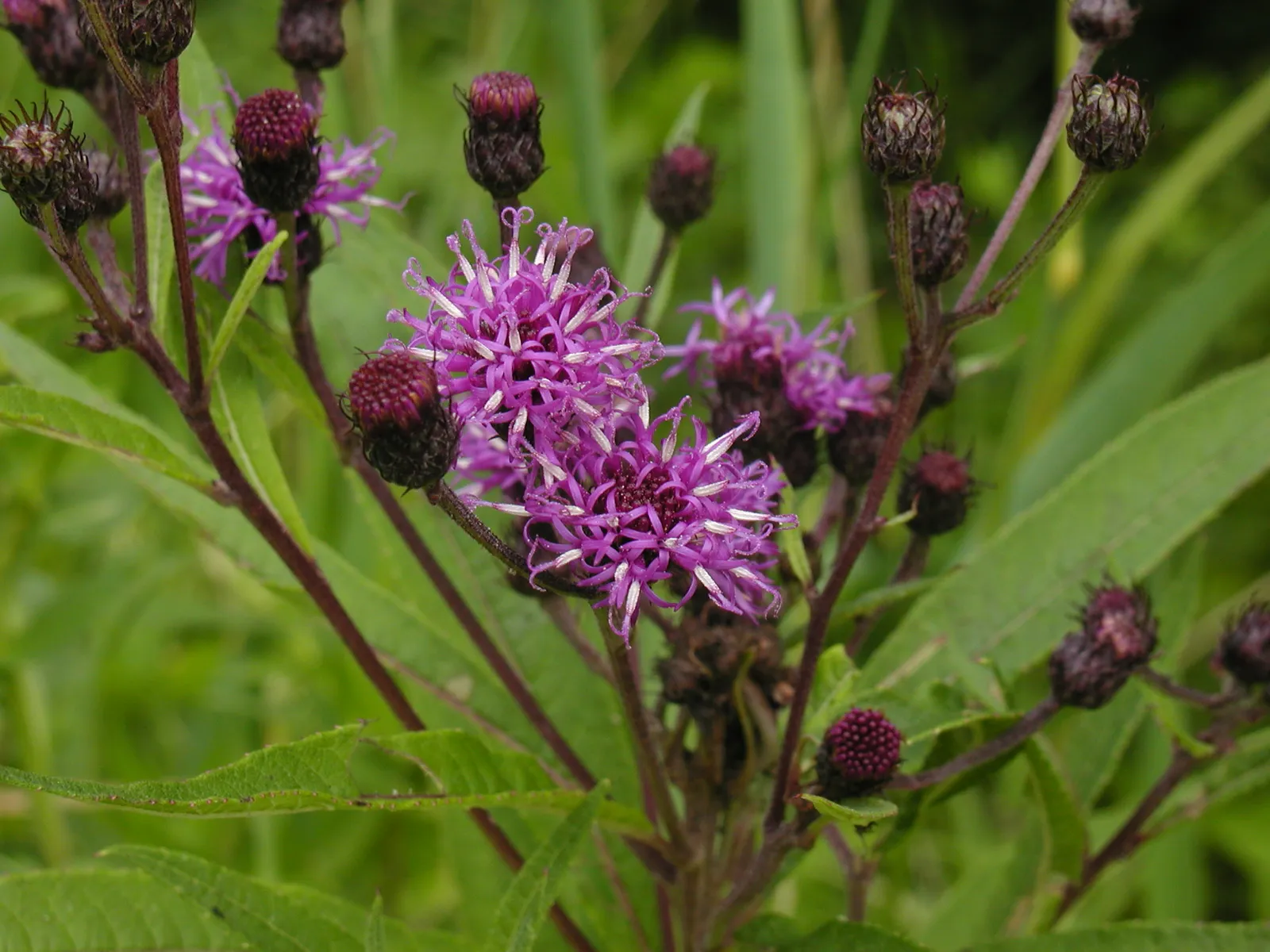
Vernonia noveboracensis, widely known as New York Ironweed, is a striking and robust perennial herbaceous plant indigenous to the eastern and central regions of the United States. It is a proud member of the Asteraceae family, establishing its botanical kinship with familiar species like sunflowers and asters. This species is characterized by its impressively tall, sturdy, and often unbranched stems, which can ascend to heights of 4 to 8 feet (1.2 to 2.4 meters) or even more, asserting a commanding presence within its natural habitats of moist meadows, open woodlands, and along stream banks. Its leaves are typically lance-shaped to elliptical, a rich dark green, and arranged alternately along the stem, featuring finely toothed margins.
The most distinguishing characteristic of Vernonia noveboracensis is its vibrant, intense purple to reddish-purple flowers, which burst into bloom in late summer through early fall. These captivating flowers are organized into dense, flat-topped to somewhat rounded clusters, known as corymbs, positioned at the apex of the stems. Each individual flower head is composed entirely of disc florets, lending them a thistle-like appearance, though notably lacking the sharp spines. The deep violet florets are a magnet for a diverse array of pollinators, particularly butterflies, bees, and other beneficial insects, playing a crucial ecological role.
Following the flowering period, the plant produces small, ribbed achenes—dry, single-seeded fruits—each crowned with a reddish-brown pappus, which facilitates wind dispersal. The common name 'Ironweed' aptly describes its tough, resilient stems and the rust-like hue of its drying seed heads, underscoring its hardy nature and remarkable adaptability to various environmental conditions.
Trusted Scientific References
1. Authoritative external sources for Vernonia Noveboracensis
1.1 Wikipedia — Vernonia Noveboracensis
1.2 Kew POWO (Plants of the World Online)
1.3 PubMed — peer-reviewed research
1.4 NCBI Taxonomy Browser
1.5 GBIF — Global Biodiversity
1.1.Vernonia Noveboracensis — Defining Traits
- ✓Tall Perennial Herb — Reaches heights of 4-8 feet, providing significant vertical interest in gardens and natural landscapes.
- ✓Vibrant Purple Blooms — Showcases intense purple to reddish-purple flowers in dense clusters from late summer to fall.
- ✓Pollinator Magnet — Highly attractive to butterflies, bees, and other beneficial insects, supporting biodiversity.
- ✓Resilient and Hardy — Nicknamed 'Ironweed' for its tough stems and ability to thrive in diverse conditions, including moist soils.
- ✓Deer and Rabbit Resistant — Its bitter leaves are generally unpalatable to common garden pests like deer and rabbits.
- ✓Lance — shaped Leaves — Features dark green, lance-shaped to elliptical leaves with finely toothed margins.
- ✓Native Distribution — Naturally found across the eastern and central United States, making it an excellent native plant choice.
- ✓Ecological Importance — Plays a crucial role in local ecosystems by providing late-season nectar for pollinators.
- ✓Medicinal Potential — Valued for its traditional uses and studied for anti-inflammatory, antioxidant, and other bioactive compounds.
- ✓Adaptable Growth — Thrives in full sun to part sun and a range of soil types, from slightly acidic to neutral.
1.2.Vernonia Noveboracensis — In Brief
- ✓Native to Eastern/Central US, member of Asteraceae family.
- ✓Known for tall, sturdy stems and vibrant purple late-summer flowers.
- ✓Possesses anti-inflammatory, antioxidant, and potential hepatoprotective properties.
- ✓Attracts a wide array of pollinators, vital for ecosystem health.
- ✓Hardy and adaptable, thriving in moist, sunny conditions.
- ✓Used traditionally for various ailments, primarily digestive and inflammatory issues.
2.Vernonia Noveboracensis — Systematic Position
3.Vernonia Noveboracensis — Reference Facts
4.Vernonia Noveboracensis — Structural Profile
5.Vernonia Noveboracensis — Where It Grows
6.Vernonia Noveboracensis — Ethnobotanical Uses
7.Vernonia Noveboracensis — Bioactive Constituents
- ✓Sesquiterpene Lactones — Key compounds like vernolide, vernodalin, and vernomygdin are responsible for the plant's characteristic bitterness and exhibit significant anti-inflammatory, cytotoxic, and antimalarial activities.
- ✓Flavonoids — Including compounds such as luteolin, quercetin, and kaempferol derivatives, these are potent antioxidants and contribute to the plant's anti-inflammatory and hepatoprotective effects.
- ✓Phenolic Acids — Examples like caffeic acid, chlorogenic acid, and ferulic acid are strong antioxidants that help neutralize free radicals and reduce oxidative stress within biological systems.
- ✓Steroids and Triterpenoids — These compounds contribute to the plant's overall biological activity, potentially offering anti-inflammatory and adaptogenic properties.
- ✓Saponins — Found in various plant parts, saponins can have expectorant, anti-inflammatory, and cholesterol-lowering effects, though their specific role in Vernonia noveboracensis is still being elucidated.
- ✓Tannins — Present in the plant, tannins possess astringent properties and contribute to potential antimicrobial and antioxidant activities.
- ✓Alkaloids — While typically found in lower concentrations, specific alkaloids may contribute to the plant's diverse pharmacological profile, though detailed studies are limited.
- ✓Glycosides — Various glycosidic compounds, including cardiac glycosides in some related species, can influence physiological processes, often contributing to bitterness and potential medicinal effects.
- ✓Volatile Oils — Although not a primary constituent, trace amounts of volatile compounds contribute to the plant's unique aroma and may possess mild antimicrobial or insect-repellent properties.
8.Vernonia Noveboracensis — What Research Suggests
- ✓Anti-inflammatory Properties — Compounds such as sesquiterpene lactones and flavonoids within Vernonia noveboracensis exhibit potent anti-inflammatory actions by modulating key inflammatory pathways, offering potential relief from systemic or localized inflammatory conditions.
- ✓Antioxidant Activity — Rich in phenolic acids and various flavonoids, New York Ironweed acts as a formidable antioxidant, effectively scavenging free radicals and mitigating oxidative stress, which contributes significantly to cellular protection and overall health.
- ✓Hepatoprotective Effects — Certain bitter principles and flavonoids found in Vernonia noveboracensis are believed to support liver function and protect liver cells from damage, promoting detoxification processes.
- ✓Immunomodulatory Potential — Research suggests that constituents in ironweed may help regulate immune responses, potentially enhancing the body's natural defense mechanisms without overstimulation.
- ✓Antimicrobial Action — Extracts from the plant have shown in vitro activity against various microorganisms, indicating potential for combating bacterial and fungal infections.
- ✓Digestive Aid — The plant's inherent bitterness, attributed to sesquiterpene lactones, can stimulate digestive secretions, promoting better digestion and appetite, a common traditional use for bitter herbs.
- ✓Antipyretic Properties — Traditionally, some Vernonia species have been used to help reduce fever, possibly due to their anti-inflammatory and immune-supporting compounds.
- ✓Analgesic Effects — The anti-inflammatory compounds may also contribute to pain relief, particularly for pain associated with inflammatory conditions.
- ✓Diuretic Activity — Vernonia noveboracensis may possess mild diuretic effects, assisting the body in expelling excess fluids and supporting kidney function.
- ✓Cytotoxic Potential — Some sesquiterpene lactones identified in Vernonia species have demonstrated cytotoxic activity against certain cancer cell lines in preclinical studies, warranting further investigation.
8.1.Vernonia Noveboracensis — Conditions Traditionally Used For
9.Vernonia Noveboracensis — Risk Profile
9.1.Vernonia Noveboracensis — Possible Adverse Reactions
- ✓Allergic Reactions — Individuals sensitive to plants in the Asteraceae family (e.g., ragweed, chamomile) may experience allergic reactions, including skin rashes or respiratory symptoms.
- ✓Gastric Upset — Due to its bitter taste and potent compounds, high doses may cause nausea, vomiting, or stomach discomfort in sensitive individuals.
- ✓Skin Irritation — Direct contact with fresh plant material or concentrated extracts might cause contact dermatitis in some people, particularly those with sensitive skin.
- ✓Drug Interactions — Potential interactions with medications, especially those affecting blood clotting, immune function, or liver metabolism, due to active compounds like sesquiterpene lactones.
- ✓Pregnancy and Lactation — Lack of sufficient safety data advises against use during pregnancy and breastfeeding.
- ✓Hypotension — In very high doses, some Vernonia species have shown a potential to lower blood pressure, which could be a concern for individuals already on hypotensive medication.
9.2.Vernonia Noveboracensis — Risk Assessment
- ✓Professional Consultation — Always consult a qualified healthcare professional or medical herbalist before using Vernonia noveboracensis, especially if pregnant, breastfeeding, or on medication.
- ✓Allergic Sensitivity — Exercise caution if you have known allergies to plants in the Asteraceae family; perform a patch test before topical application.
- ✓Dosage Adherence — Strictly follow recommended dosages from a knowledgeable practitioner to avoid potential adverse effects, particularly gastric upset.
- ✓Internal Use Caution — Extended or high-dose internal use should be monitored, as long-term effects are not fully established.
- ✓Children and Elderly — Use with extreme caution in children and the elderly, or avoid entirely, due to potential sensitivities and lack of specific pediatric/geriatric dosing.
- ✓Quality Sourcing — Ensure the plant material is sourced from reputable suppliers to guarantee purity and prevent contamination or misidentification.
- ✓Discontinue if Adverse Reactions Occur — Cease use immediately if any adverse reactions or unusual symptoms develop and seek medical advice.
10.Vernonia Noveboracensis — How to Use
- ✓Herbal Infusion (Tea) — Dried leaves and flowers can be steeped in hot water to create a bitter tea, traditionally used for digestive support or as a general tonic.
- ✓Tincture — A common method involving the maceration of fresh or dried aerial parts in alcohol, allowing for concentrated extraction of active compounds for internal use.
- ✓Decoction — For tougher plant parts like roots (if used, though less common for V. noveboracensis), boiling them in water extracts beneficial compounds, often used for more potent remedies.
- ✓Poultice or Compress — Crushed fresh leaves or a strong infusion can be applied topically as a poultice or compress to soothe skin irritations or localized inflammation.
- ✓Encapsulation — Dried and powdered aerial parts can be encapsulated for convenient oral administration, especially for those who find the bitter taste unpalatable.
- ✓Herbal Bath — Infusions of the plant can be added to bathwater for a soothing and potentially anti-inflammatory external treatment.
- ✓Glycerite — For individuals avoiding alcohol, a non-alcoholic glycerite can be prepared from the aerial parts, suitable for internal use.
- ✓External Wash — A diluted tea or infusion can be used as an external wash for minor wounds or skin conditions, leveraging its potential antimicrobial properties.
11.Vernonia Noveboracensis — Growing Guide
- ✓USDA Zones — Thrives in USDA Hardiness Zones 4 through 8, demonstrating excellent cold hardiness.
- ✓Sun Exposure — Prefers full sun (6-8 hours direct light daily) but tolerates light afternoon shade, especially in hotter climates.
- ✓Soil Requirements — Adaptable to slightly acidic to neutral soil pH, ideally moist but well-draining; tolerates poorly draining or moderately damp spots.
- ✓Watering — Requires consistent moisture, especially when establishing; established plants benefit from about 1 inch of water per week, particularly during dry spells.
- ✓Planting — Can be grown from seed (requires cold stratification, best sown in late fall or winter) or potted plants (transplant after last spring frost), spaced approximately 2 feet apart.
- ✓Fertilization — Generally does not require fertilization; excessive feeding can lead to floppy stems. A light layer of compost in spring or fall can be beneficial if plants appear to need a boost.
- ✓Pest and Disease Resistance — Naturally robust and resistant to most pests and diseases; deer and rabbits typically avoid its bitter leaves.
- ✓Propagation and Maintenance — Divide plants every 3-4 years in early spring to rejuvenate growth; allows for natural self-sowing if old flower heads are left intact.
Reviewed by the Flora Medical Global Botanical Review Panel
Multi-disciplinary editorial group · Botany · Ethnobotany · Herbal-medicine literature
Who reviewed this: This page was checked by the Flora Medical Global Botanical Review Panel — an in-house editorial group of botany graduates, ethnobotany researchers, and horticulture practitioners who collectively maintain our 7,000+ plant encyclopedia. Meet the team.
Our 4-step verification process
1. Taxonomic verification
Scientific names and synonyms cross-checked against Kew POWO, World Flora Online, and The Plant List.
2. Phytochemical & medicinal cross-reference
Active compounds, traditional uses, and reported activities are cross-referenced with PubMed, USDA Dr. Duke's database, and peer-reviewed ethnobotanical literature.
3. Conservation & distribution check
Distribution, ecology, and conservation status confirmed against GBIF occurrence records and the IUCN Red List.
4. Editorial & safety review
Every entry passes an editorial pass for clarity, originality, and safety notices (toxicity, contraindications, dosage caveats) before publication.
Last reviewed:
Important medical disclaimer: This content is for educational and research purposes only. It is not medical advice and is not a substitute for consultation with a licensed healthcare provider. Do not use any herb to self-treat a medical condition without professional guidance.
Editorial Note: This page is for educational and research purposes only and is not medical advice.
Written by: Flora Medical Global Editorial Team
Reviewed by: Flora Medical Global Botanical Review Panel
Last Updated: June 15, 2026





Vernonia Noveboracensis — Comments & Community Reviews
Rate this plant