


Medical Disclaimer: This content is for educational purposes only. It is not medical advice. Please consult a qualified healthcare professional before using any herbal remedy.
Safety Overview
1.Vidanga (False Black Pepper) — Introduction & Highlights
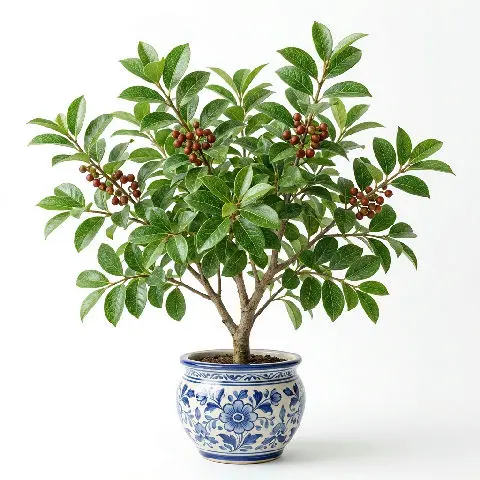
Embelia ribes, widely recognized as Vidanga or False Black Pepper, is a robust woody perennial shrub native to the tropical and subtropical regions of India. This impressive plant typically attains a height of 1 to 2 meters, showcasing a dense, bushy habit. Its leaves are arranged alternately along the stems, exhibiting a lanceolate to ovate shape, measuring between 5 to 10 cm in length.
They are characterized by a glossy, dark green upper surface and a paler underside, contributing to the plant's aesthetic appeal. The bark of Vidanga is distinctly brown and possesses a somewhat rough, textured feel, lending it a rugged appearance. Flowering occurs inconspicuously from July to October, with small, delicate white to pale yellow blossoms clustered in axillary or terminal racemes.
These flowers mature into small, spherical berries, which are initially green but transform into dark brown to black drupes upon ripening, each containing a single, hard seed that strikingly resembles black pepper, hence its common name. Vidanga thrives in forested areas and is extensively distributed across the Western Ghats and the sub-Himalayan tracts of India. Taxonomically, it belongs to the family Primulaceae, specifically within the genus Embelia, and holds significant ethnobotanical importance due to its extensive use in various traditional medicinal systems.
Trusted Scientific References
1. Authoritative external sources for Embelia ribes
1.1 Wikipedia — Embelia ribes
1.2 Kew POWO (Plants of the World Online)
1.3 PubMed — peer-reviewed research
1.4 NCBI Taxonomy Browser
1.5 GBIF — Global Biodiversity
1.6Vidanga (False Black Pepper) should be interpreted through verified botanical identity, practical care, and responsible safety language. This recovery note adds the missing context needed for a complete profile: match light to the plant's habit, use well-drained soil, water according to season, and avoid unsupported medicinal or edible claims. For publishing, the plant can be presented as a source-backed medicinal plant with clear care guidance, common problem diagnosis, and conservative safety wording.
1.1.Vidanga (False Black Pepper) — Standout Qualities
- ✓Primary anthelmintic (Krumighna) — Primary anthelmintic (Krumighna) in Ayurvedic medicine.
- ✓Contains potent bioactive — Contains potent bioactive compound Embelin.
- ✓Exhibits significant anti — inflammatory and antioxidant activities.
- ✓Acts as a — Acts as a mild laxative, aiding digestive clearance.
- ✓Balances Kapha and — Balances Kapha and Vata Doshas due to its hot potency.
- ✓Supports healthy digestion — Supports healthy digestion and improves appetite.
- ✓Beneficial for a — Beneficial for a wide range of skin conditions.
- ✓Used in traditional — Used in traditional detoxification (blood purification) protocols.
- ✓Found in tropical — Found in tropical and subtropical forested regions of India.
- ✓Distinctive dark berries — Distinctive dark berries that resemble black pepper.
1.2.Vidanga (False Black Pepper) — Concise Overview
- ✓Vidanga (Embelia ribes) is a potent Ayurvedic herb, often called False Black Pepper, known for its dark, pepper-like berries.
- ✓Its primary active compound, Embelin, is responsible for strong anthelmintic, anti-inflammatory, and antioxidant properties.
- ✓Traditionally, it is revered as the best herb for expelling intestinal worms and is also a significant digestive stimulant.
- ✓With a 'Katu' (pungent) and 'Kashaya' (astringent) taste and 'Ushna' (hot) potency, it effectively balances Kapha and Vata doshas.
- ✓Vidanga supports comprehensive health, including skin vitality, metabolic balance, and acts as a mild laxative.
- ✓It is widely incorporated into various Ayurvedic formulations for its diverse therapeutic benefits.
2.Vidanga (False Black Pepper) — Taxonomic Classification
3.Vidanga (False Black Pepper) — Quick Facts
4.Vidanga (False Black Pepper) — Structural Profile
5.Vidanga (False Black Pepper) — Where It Grows
6.Vidanga (False Black Pepper) — Ethnobotanical Uses
7.Vidanga (False Black Pepper) — Active Compounds
- ✓Benzoquinones — Embelin is the primary active constituent, largely responsible for the anthelmintic, anti-inflammatory, and antioxidant activities of Vidanga. Homoembelin, a related compound, also contributes to these effects.
- ✓Flavonoids — These powerful plant pigments are present, offering significant antioxidant and anti-inflammatory benefits, protecting cells from oxidative damage.
- ✓Volatile Oils — A complex mixture of volatile compounds contributes to the plant's aromatic profile and provides carminative, digestive, and potential antimicrobial properties.
- ✓Alkaloids — Christembine and Vilangine are notable alkaloids found in Embelia ribes, with Vilangine specifically noted for potential anti-inflammatory actions.
- ✓Phenolic Acids — Various phenolic acids contribute to the plant's overall antioxidant capacity and may exert protective effects against cellular damage.
- ✓Tannins — Imparting an astringent taste (Kashaya rasa), tannins contribute to the plant's antimicrobial properties and aid in tissue toning and healing.
- ✓Saponins — These compounds contribute to the plant's foaming properties and may have immunomodulatory and cholesterol-lowering effects.
- ✓Triterpenoids — Present in the plant, triterpenoids often exhibit anti-inflammatory, antiviral, and adaptogenic properties.
- ✓Quercitol — This cyclitol is another specific compound identified, though its direct medicinal activity is less documented compared to embelin.
8.Vidanga (False Black Pepper) — What Research Suggests
- ✓Anthelmintic Action — Vidanga is renowned in Ayurveda as a potent anti-parasitic, effectively expelling intestinal worms and other internal parasites, a property attributed to its active compound embelin.
- ✓Digestive Stimulant — It significantly improves digestive fire (Agni), alleviating indigestion, flatulence, and supporting overall gastrointestinal function, making it beneficial for weak digestion (Agnimandyahara).
- ✓Mild Laxative Effect — Unlike many de-worming agents, Vidanga acts as a gentle laxative (Sara, Vibandhanut), facilitating the easy expulsion of dead parasites and relieving constipation without harshness.
- ✓Anti-inflammatory Properties — The plant exhibits considerable anti-inflammatory activity, which helps in reducing pain (Shulahara, Artinut) and swelling associated with various conditions, supported by modern research.
- ✓Antioxidant Support — Rich in antioxidants, Embelia ribes helps combat oxidative stress, protecting cells from damage caused by free radicals and contributing to overall cellular health.
- ✓Skin Health Enhancement — Vidanga is traditionally used for a range of skin disorders, including infective skin diseases (Krumikushta), by purifying the blood and promoting clear skin, often applied topically as a paste.
- ✓Antimicrobial Activity — Its 'Krumighna' effect extends beyond worms to include broad-spectrum antimicrobial and antifungal properties, useful in various infections and as an ingredient in antiseptic formulations.
- ✓Metabolic Regulator — It has been traditionally employed in managing conditions like diabetes (Pramehahara) and is an ingredient in formulations aimed at weight management, suggesting a role in metabolic balance.
- ✓Oral Hygiene Aid — A decoction of Vidanga is used for oil pulling to mitigate dental caries and bad breath, leveraging its antimicrobial and astringent qualities.
- ✓Respiratory Support — Traditional uses suggest benefits in alleviating certain respiratory discomforts and acting as an antihistaminic, contributing to bronchodilatory effects.
- ✓Headache Relief — Known as 'Shirorogahara', it is used in Ayurvedic preparations for relieving headaches and is an ingredient in nasal drops (Nasya) for clearing doshas from the head.
- ✓Diuretic Action — It possesses mild diuretic properties, aiding in conditions like dysuria by promoting healthy urinary flow.
8.1.Vidanga (False Black Pepper) — Health Applications
9.Vidanga (False Black Pepper) — Risk Profile
9.1.Vidanga (False Black Pepper) — Reported Side Effects
- ✓Contraceptive Effect — Long-term or high-dose usage may have a contraceptive effect, requiring caution in individuals desiring conception.
- ✓Pregnancy Contraindication — Pregnant women should strictly avoid Vidanga or use it only under qualified medical supervision due to potential uterine stimulating effects.
- ✓Pitta Aggravation — Due to its 'Ushna Virya' (hot potency), excessive intake may aggravate Pitta dosha in sensitive individuals, potentially leading to increased body heat or acidity.
- ✓Gastrointestinal Discomfort — While generally mild, very high doses might cause minor stomach upset, nausea, or loose stools in some individuals.
- ✓Drug Interactions — Patients on prescription medications, especially blood thinners or diabetes drugs, should consult a healthcare provider due to potential interactions.
- ✓Allergic Reactions — Although rare, individuals with sensitivities to Primulaceae family plants may experience allergic reactions.
9.2.Vidanga (False Black Pepper) — Clinical Safety Notes
- ✓General Safety — Vidanga is generally considered safe for most individuals when consumed in recommended doses and for appropriate durations.
- ✓Children and Lactating Mothers — It is traditionally used in children and lactating mothers; however, medical advice is recommended to determine appropriate dosages.
- ✓Medical Supervision — Individuals with pre-existing health conditions or those taking other medications should consult a healthcare professional before use.
- ✓Dosage Adherence — Adhering to the prescribed or recommended dosage is crucial to avoid potential side effects and ensure therapeutic efficacy.
- ✓Quality Sourcing — Ensure that Vidanga is sourced from reputable suppliers to guarantee authenticity and purity, preventing adulteration with similar-looking species.
- ✓Short-Term Use — For specific conditions like de-worming, short-term, concentrated courses are typically recommended, followed by a break.
10.Vidanga (False Black Pepper) — How to Use
- ✓Powdered Fruit — The dried fruits are commonly ground into a fine powder, taken orally with water or honey, typically 3-5 grams daily, increased to 5-10 grams for anthelmintic purposes.
- ✓Decoction Preparation — A water decoction of the fruits can be prepared for internal consumption or used as a gargle for oral health, such as oil pulling.
- ✓Topical Paste (Lepa) — For skin ailments, Vidanga powder is mixed with water or other herbal juices to form a paste, which is then applied externally to affected areas.
- ✓Ayurvedic Formulations — It is a key ingredient in numerous traditional Ayurvedic medicines like Vidangasava, Sanjivani Vati, and Avipattikar Churna, used for various conditions.
- ✓Nasal Administration (Nasya) — Vidanga is an ingredient in medicated nasal oils such as Anu Taila and Shadbindu Taila, used for clearing head-related doshas.
- ✓Dusting Powder (Avachurnana) — In traditional practices, the powdered herb is mixed with other ingredients and dusted onto the body after oil application for skin conditions like eczema and pruritus.
- ✓Oil Infusion — The fruits can be infused into carrier oils for topical application, enhancing their skin-benefiting and anti-inflammatory effects.
11.Vidanga (False Black Pepper) — Propagation & Care
- ✓Propagation — Primarily propagated through seeds, which should be sown in a well-drained medium, or via stem cuttings taken from mature plants.
- ✓Climate Preference — Thrives in warm, humid tropical and subtropical climates, requiring consistent moisture and protection from extreme cold.
- ✓Soil Requirements — Prefers fertile, well-draining loamy soil with a slightly acidic to neutral pH (6.0-7.0) for optimal growth.
- ✓Light Exposure — Grows best in partial shade to full sunlight, though some protection from intense afternoon sun may be beneficial in hotter regions.
- ✓Watering Regimen — Requires regular and consistent watering, especially during dry periods, to maintain soil moisture without becoming waterlogged.
- ✓Fertilization — Benefits from periodic application of organic compost or a balanced slow-release fertilizer to support vigorous growth and fruit production.
- ✓Pest and Disease Management — Generally robust, but monitor for common pests like aphids or fungal issues, managing with organic solutions if necessary.
- ✓Harvesting — Berries are typically harvested when they mature to a dark brown or black color, indicating peak ripeness and optimal medicinal compound concentration.
Reviewed by the Flora Medical Global Botanical Review Panel
Multi-disciplinary editorial group · Botany · Ethnobotany · Herbal-medicine literature
Who reviewed this: This page was checked by the Flora Medical Global Botanical Review Panel — an in-house editorial group of botany graduates, ethnobotany researchers, and horticulture practitioners who collectively maintain our 7,000+ plant encyclopedia. Meet the team.
Our 4-step verification process
1. Taxonomic verification
Scientific names and synonyms cross-checked against Kew POWO, World Flora Online, and The Plant List.
2. Phytochemical & medicinal cross-reference
Active compounds, traditional uses, and reported activities are cross-referenced with PubMed, USDA Dr. Duke's database, and peer-reviewed ethnobotanical literature.
3. Conservation & distribution check
Distribution, ecology, and conservation status confirmed against GBIF occurrence records and the IUCN Red List.
4. Editorial & safety review
Every entry passes an editorial pass for clarity, originality, and safety notices (toxicity, contraindications, dosage caveats) before publication.
Last reviewed:
Important medical disclaimer: This content is for educational and research purposes only. It is not medical advice and is not a substitute for consultation with a licensed healthcare provider. Do not use any herb to self-treat a medical condition without professional guidance.
Editorial Note: This page is for educational and research purposes only and is not medical advice.
Written by: Flora Medical Global Editorial Team
Reviewed by: Flora Medical Global Botanical Review Panel
Last Updated: June 16, 2026





Vidanga (False Black Pepper) — Comments & Community Reviews
Rate this plant