
Medical Disclaimer: This content is for educational purposes only. It is not medical advice. Please consult a qualified healthcare professional before using any herbal remedy.
Safety Overview
1.Water Hyssop — Introduction & Highlights

Water Hyssop, scientifically known as Bacopa monnieri L., is a fascinating perennial herbaceous plant belonging to the Plantaginaceae family. This small, creeping aquatic or semi-aquatic herb typically forms dense mats, spreading horizontally and rooting at its nodes, allowing it to thrive in diverse moist environments. Its succulent, oblanceolate leaves are arranged oppositely along the stem, measuring approximately 1 to 4 cm in length, characterized by smooth, entire margins and a vibrant green, often glossy appearance.
The delicate, five-petaled flowers are solitary and axillary, displaying hues from pale blue to white, frequently with a subtle yellow throat, blooming predominantly during warmer months. The stems are slender, often quadrangular, and can range from light green to reddish depending on sun exposure. Native to the wetlands of India, Bacopa monnieri has a broad natural distribution across tropical and subtropical regions worldwide, flourishing in marshy lands, along the banks of slow-moving streams, and in shallow ponds.
Its adaptive morphology, including its ability to root readily from nodes and its succulent leaves, enables it to withstand varying water levels. Taxonomically, its placement within the Plantaginaceae family, alongside well-known genera like Plantago, underscores its shared evolutionary traits and ecological niche. This unique combination of botanical features and its wide distribution has cemented its role as a significant plant both ecologically and medicinally.
Trusted Scientific References
Authoritative external sources for Bacopa monnieri L.:
Water Hyssop should be interpreted through verified botanical identity, practical care, and responsible safety language. This recovery note adds the missing context needed for a complete profile: match light to the plant's habit, use well-drained soil, water according to season, and avoid unsupported medicinal or edible claims. For publishing, the plant can be presented as a source-backed medicinal plant with clear care guidance, common problem diagnosis, and conservative safety wording.
1.1.Water Hyssop — Key Features
- ✓Nootropic Herb — Widely recognized for its cognitive-enhancing properties.
- ✓Adaptogenic Plant — Helps the body manage stress and maintain homeostasis.
- ✓Neuroprotective Qualities — Rich in antioxidants that protect brain cells.
- ✓Anxiolytic Effects — Aids in reducing anxiety and promoting mental calm.
- ✓Aquatic/Semi — Aquatic — Naturally grows in wetlands and moist habitats.
- ✓Perennial Herb — Long-lived plant, returning annually.
- ✓Ayurvedic Staple — A cornerstone herb in traditional Indian medicine for brain health.
- ✓Small, Succulent Leaves — Characteristic morphological feature.
- ✓Pale Blue/White Flowers — Delicate, solitary flowers.
- ✓Rooting at Nodes — Enables easy propagation and spreading.
1.2.Water Hyssop — At-a-Glance Summary
- ✓Ancient Ayurvedic herb known for cognitive enhancement.
- ✓Primary active compounds are bacosides, supporting memory and neuroprotection.
- ✓Acts as an adaptogen, reducing stress and anxiety.
- ✓Thrives in tropical, moist, full-sun environments.
- ✓Generally safe, but caution advised for certain health conditions and drug interactions.
- ✓Used in capsules, powders, teas, and traditional medicated oils.
2.Water Hyssop — Scientific Identity
3.Water Hyssop — Categories & Tags
4.Water Hyssop — Plant Morphology
5.Water Hyssop — Ethnobotanical Uses
6.Water Hyssop — Secondary Metabolites
- ✓Triterpenoid Saponins (Bacosides) — These are the primary active constituents, including bacoside A, bacoside B, bacopasaponins, and pseudojujubogenin glycosides, responsible for cognitive and neuroprotective effects through modulation of synaptic activity and antioxidant actions.
- ✓Alkaloids — Contains minor amounts of alkaloids such as brahmine and herpestin, which may contribute to its pharmacological profile, though their specific roles are less defined than bacosides.
- ✓Flavonoids — Presence of flavonoids like luteolin and apigenin offers antioxidant and anti-inflammatory benefits, protecting cells from oxidative stress.
- ✓Phenolic Acids — Compounds such as caffeic acid, chlorogenic acid, and ferulic acid contribute to the plant's overall antioxidant capacity and protective effects.
- ✓Phytosterols — Includes beta-sitosterol and stigmasterol, which may have anti-inflammatory and cholesterol-lowering properties.
- ✓Saponins (other than bacosides) — Various other saponins are present, contributing to the adaptogenic and general wellness properties of the plant.
- ✓Triterpenes — Beyond the bacosides, other triterpene compounds are found, supporting the plant's diverse therapeutic actions.
- ✓Glycosides — A range of glycosidic compounds are present, further enhancing the complex biochemical interactions within the plant.
- ✓Fatty Acids — Contains essential fatty acids that contribute to cell membrane integrity and overall physiological function.
7.Water Hyssop — Research Insights
- ✓Cognitive Enhancement — Bacopa monnieri is renowned for its adaptogenic properties that support cognitive functions, including memory retention, learning capacity, and information processing speed, by influencing neurotransmitter systems.
- ✓Memory Improvement — Active compounds, particularly bacosides, are believed to enhance synaptic communication and neuronal growth, leading to improved short-term and long-term memory formation and recall.
- ✓Anxiety Reduction — This herb exhibits anxiolytic effects by modulating brain chemicals like serotonin and GABA, helping to reduce stress and anxiety levels without significant sedation.
- ✓Neuroprotective Action — Bacopa contains potent antioxidants that protect brain cells from oxidative damage and inflammation, which are contributing factors to neurodegenerative conditions.
- ✓Anti-inflammatory Support — The bacosides and other phytochemicals in Water Hyssop possess anti-inflammatory properties that may help alleviate inflammation throughout the body, including neural tissues.
- ✓Antioxidant Defense — Bacopa monnieri is rich in various antioxidant compounds that combat free radicals, thereby reducing cellular damage and supporting overall cellular health.
- ✓Mood Regulation — By influencing neurotransmitter balance, Bacopa can contribute to a more stable mood and may assist in managing symptoms associated with mild depression.
- ✓Attention and Focus — Regular supplementation may improve attention span and concentration, making it beneficial for individuals seeking enhanced mental clarity.
- ✓Digestive Health — Traditionally, it has been used to support digestive processes, potentially by reducing inflammation in the gastrointestinal tract and promoting a healthy gut environment.
- ✓Stress Adaptation — As an adaptogen, Water Hyssop helps the body adapt to various stressors, promoting resilience and maintaining physiological balance.
7.1.Water Hyssop — Health Applications
8.Water Hyssop — Risk Profile
8.1.Water Hyssop — Caution Notes
- ✓Stomach Cramps — Some individuals may experience mild abdominal discomfort or cramps, particularly with higher doses.
- ✓Nausea — Nausea is a reported side effect for a subset of users, especially when taken on an empty stomach.
- ✓Dry Mouth — A sensation of dry mouth can occur in some individuals taking Bacopa monnieri supplements.
- ✓Fatigue/Sedation — While generally mild, some users report feeling slightly fatigued or drowsy, particularly when first starting supplementation.
- ✓Increased Bowel Movements — In rare cases, changes in bowel habits, including increased frequency, have been noted.
- ✓Bradycardia — Bacopa might slow heart rate, which could be problematic for individuals already experiencing bradycardia or other heart conditions.
- ✓GI Tract Blockage — Could potentially worsen existing gastrointestinal tract blockages due to its effects on smooth muscle.
8.2.Water Hyssop — Clinical Safety Notes
- ✓Pregnancy and Breast-feeding — Insufficient reliable information exists; therefore, it is advised to avoid use during pregnancy and lactation.
- ✓Children — Possibly safe for children aged 6-14 when taken orally for up to 6 months; consult a healthcare provider for appropriate dosing.
- ✓Slow Heart Rate (Bradycardia) — Use with caution or avoid if you have a slow heart rate or other heart conditions, as Bacopa may further decrease heart rate.
- ✓Gastrointestinal Tract Blockage — Patients with GI tract blockages should exercise caution or avoid use, as Bacopa might exacerbate the condition.
- ✓Stomach Ulcers — May worsen stomach ulcers; individuals with ulcers should consult a healthcare provider before use.
- ✓Lung Conditions (e.g., Asthma, COPD) — Bacopa might worsen symptoms of asthma or chronic obstructive pulmonary disease; use with caution.
- ✓Thyroid Disorders — May increase thyroid hormone levels; individuals with thyroid conditions or taking thyroid medications should use cautiously and consult a physician.
- ✓Urinary Tract Blockage — Could potentially worsen urinary tract blockages; consult a healthcare provider if you have this condition.
- ✓Drug Interactions — Moderate interactions with anticholinergic drugs, cholinergic drugs, and medications metabolized by liver enzymes (CYP1A2, CYP2C19, CYP2C9, CYP3A4); also minor interaction with thyroid hormone medications.
9.Water Hyssop — How to Use
- ✓Herbal Capsules/Tablets — Standardized extracts of Bacopa monnieri are commonly available in capsule or tablet form for precise dosing, often taken with meals.
- ✓Powdered Herb — Dried and powdered Bacopa can be mixed into smoothies, juices, or warm water, adhering to traditional Ayurvedic preparations.
- ✓Liquid Extracts/Tinctures — Alcohol-based or glycerin-based tinctures provide a concentrated form that can be added to water or other beverages.
- ✓Herbal Tea — Dried leaves and stems can be steeped in hot water to make a mild herbal tea, though the taste can be somewhat bitter.
- ✓Medicated Ghee (Ghrita) — In Ayurveda, Bacopa is often processed into 'Brahmi Ghrita,' a medicated clarified butter used for cognitive support.
- ✓Ayurvedic Oils — Infused oils with Bacopa are used topically for head massages, believed to promote relaxation and mental clarity.
- ✓Fresh Juice — Fresh leaves can be crushed and juiced, sometimes combined with other herbs, as a traditional tonic.
- ✓Culinary Use — While not a common culinary herb, young shoots can sometimes be added to salads or stir-fries in regions where it grows natively.
10.Water Hyssop — Growing Guide
- ✓Climate — Thrives in tropical to subtropical climates with high humidity and warm temperatures, ideally between 20-40°C.
- ✓Sunlight — Prefers full sun to partial shade; at least 4-6 hours of direct sunlight daily is optimal for robust growth.
- ✓Soil — Best grown in rich, loamy, well-drained soil that retains moisture, or in aquatic/semi-aquatic conditions with a muddy substrate.
- ✓Watering — Requires consistently moist to wet conditions; suitable for bog gardens, shallow ponds, or containers with standing water.
- ✓Propagation — Easily propagated from stem cuttings, which readily root at nodes when placed in moist soil or water.
- ✓Fertilization — Benefits from occasional balanced liquid fertilizer application, especially during the growing season, to support vigorous foliage.
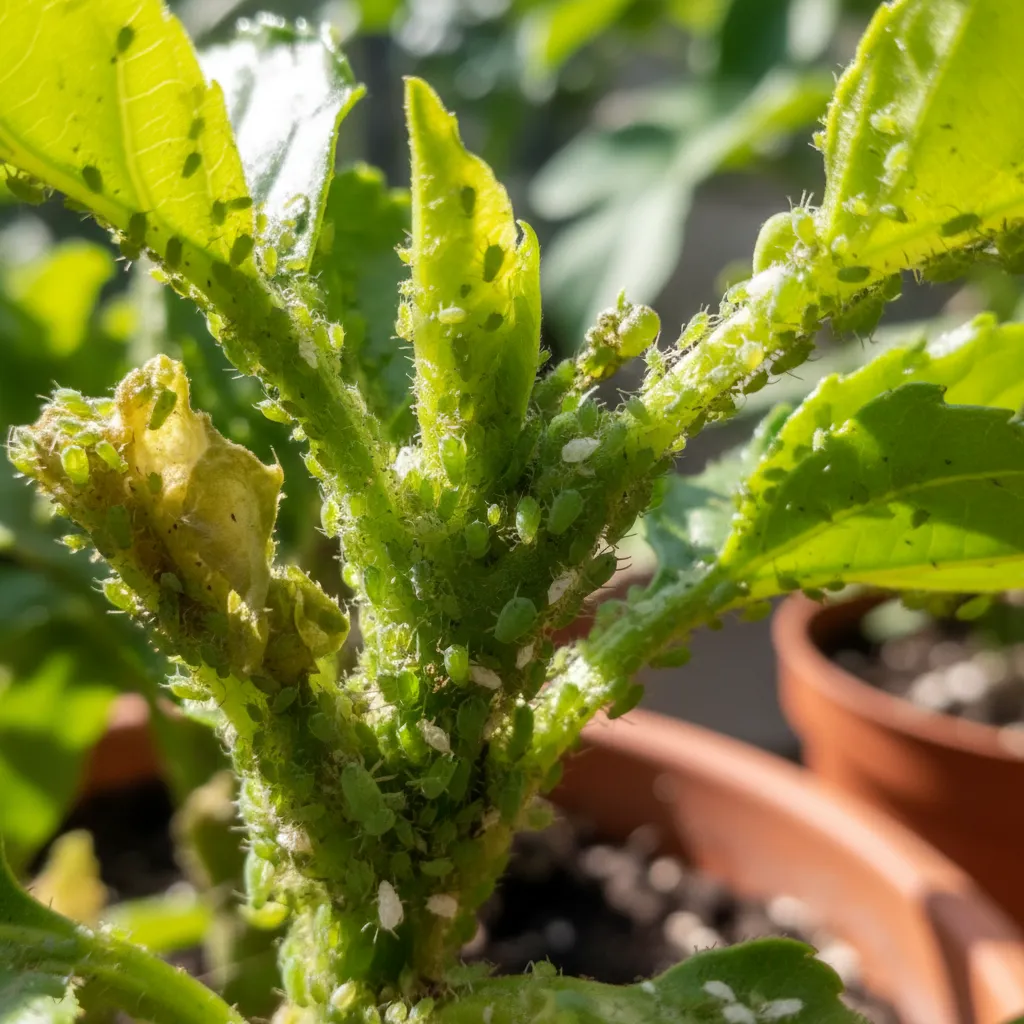
- ✓Pests and Diseases — Generally robust, but watch for common garden pests like aphids or snails, especially in non-aquatic settings.
- ✓Container Growing — Can be successfully grown in pots submerged in water or in self-watering planters to maintain desired moisture levels.
Reviewed by the Flora Medical Global Botanical Review Panel
Multi-disciplinary editorial group · Botany · Ethnobotany · Herbal-medicine literature
Who reviewed this: This page was checked by the Flora Medical Global Botanical Review Panel — an in-house editorial group of botany graduates, ethnobotany researchers, and horticulture practitioners who collectively maintain our 7,000+ plant encyclopedia. Meet the team.
Our 4-step verification process
1. Taxonomic verification
Scientific names and synonyms cross-checked against Kew POWO, World Flora Online, and The Plant List.
2. Phytochemical & medicinal cross-reference
Active compounds, traditional uses, and reported activities are cross-referenced with PubMed, USDA Dr. Duke's database, and peer-reviewed ethnobotanical literature.
3. Conservation & distribution check
Distribution, ecology, and conservation status confirmed against GBIF occurrence records and the IUCN Red List.
4. Editorial & safety review
Every entry passes an editorial pass for clarity, originality, and safety notices (toxicity, contraindications, dosage caveats) before publication.
Last reviewed:
Important medical disclaimer: This content is for educational and research purposes only. It is not medical advice and is not a substitute for consultation with a licensed healthcare provider. Do not use any herb to self-treat a medical condition without professional guidance.
Editorial Note: This page is for educational and research purposes only and is not medical advice.
Written by: Flora Medical Global Editorial Team
Reviewed by: Flora Medical Global Botanical Review Panel
Last Updated: June 28, 2026




Water Hyssop — Comments & Community Reviews
Rate this plant
No reviews yet. Be the first!