
Medical Disclaimer: This content is for educational purposes only. It is not medical advice. Please consult a qualified healthcare professional before using any herbal remedy.
Safety Overview
1.Wax Gourd — Plant Snapshot
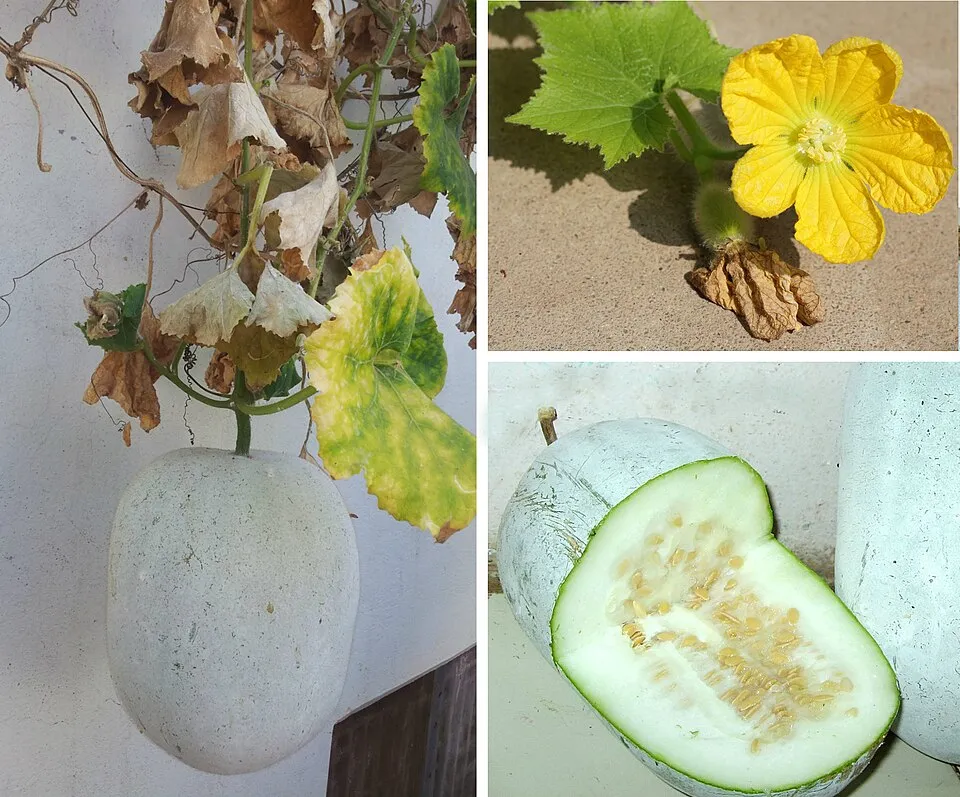
Benincasa hispida, widely recognized as Wax Gourd, Winter Melon, or Ash Gourd, and affectionately known as 'Petha' in various Asian cultures, stands as a prominent annual vining plant within the Cucurbitaceae family. Its ancestral roots are firmly placed in Southeast Asia, boasting a venerable cultivation history that spans millennia, with archaeological evidence from China tracing its use back to 3000 BCE. This vigorous vine is not only a culinary cornerstone across Asia but also holds profound reverence in esteemed traditional medicine systems such as Ayurveda, Traditional Chinese Medicine (TCM), and Unani. Botanically, the Wax Gourd exhibits a robust, sprawling growth habit, characterized by its large, broadly ovate to suborbicular leaves. These leaves are typically deeply 5-7 lobed, featuring serrate margins and a distinctive covering of coarse, stiff hairs, rendering them hirsute. The petioles are strong and furrowed, providing ample support for the substantial leaf blades.
Benincasa hispida is a monoecious plant, meaning it bears both male and female flowers on the same individual. These solitary, bright yellow, unisexual flowers emerge from the leaf axils; male flowers are generally more numerous and appear earlier, equipped with three stamens, while female flowers are distinguished by an inferior ovary. The fruit, developing from this inferior ovary, is the plant's most iconic feature. It grows to an impressive size, often oblong to spherical, and can weigh over 40 kilograms. Immature fruits are covered in fine, fuzzy hairs, which gradually recede to unveil a unique, thick, waxy white coating (epicuticular wax) as the fruit matures. This natural waxy layer functions as a powerful preservative, allowing the fruit to be stored for extended durations, sometimes up to a year, without requiring refrigeration – a characteristic that historically played a crucial role in enhancing food security.
The internal flesh is white, crisp, and succulent, encasing numerous flat, ovate, white to pale brown seeds. Wax Gourd thrives in warm, humid tropical and subtropical climates, favoring well-drained, fertile loamy soils and abundant sunlight. Its adaptability, coupled with its extensive nutritional and medicinal profile, firmly establishes Benincasa hispida as a profoundly valuable botanical asset. Trusted Scientific References Authoritative external sources for Benincasa hispida : Wikipedia — Benincasa hispida Kew POWO (Plants of the World Online) PubMed — peer-r ...[CURRENT TEXT EXISTS: 2565 chars]
1.1.Wax Gourd — Key Features
- ✓Unique Waxy Coating — Natural epicuticular wax allows for extended shelf life, up to a year.
- ✓Large Fruit Size — Fruits can grow significantly, often exceeding 40 kilograms in weight.
- ✓Culinary Versatility — A staple ingredient in soups, curries, sweets, and juices across Asia.
- ✓Traditional Medicinal Plant — Highly valued in Ayurveda, TCM, and Unani for diverse health benefits.
- ✓High Water Content — Comprises over 90% water, contributing to its hydrating and cooling properties.
- ✓Rich in Nutrients — Good source of dietary fiber, vitamins (C, B complex), and essential minerals.
- ✓Monoecious Plant — Bears both male and female flowers on the same vine.
- ✓Adaptable Growth — Thrives in warm, humid tropical and subtropical climates.
- ✓Detoxifying Properties — Supports kidney function and aids in elimination of toxins.
- ✓Anti — inflammatory & Antioxidant — Contains phytochemicals that combat inflammation and oxidative stress.
1.2.Wax Gourd — Snapshot Summary
- ✓Ancient Asian staple, both culinary and medicinal, known as Wax Gourd or Winter Melon.
- ✓Renowned for its unique waxy coating, enabling long-term storage without refrigeration.
- ✓Valued in Ayurveda and TCM for its cooling, diuretic, and digestive properties.
- ✓Rich in water, fiber, vitamins, minerals, and beneficial phytochemicals.
- ✓Potential benefits include blood sugar regulation, weight management, and antioxidant action.
- ✓Generally safe for consumption, but caution advised for specific medical conditions and medication use.
2.Wax Gourd — Systematic Position
3.Wax Gourd — Botanical Stats
4.Wax Gourd — Morphological Account
5.Wax Gourd — Where It Grows
6.Wax Gourd — Cultural & Traditional Roles
7.Wax Gourd — Bioactive Constituents
- ✓Triterpenoids — Key compounds like lupeol, β-sitosterol, and multiflorenol are present, known for their anti-inflammatory, antioxidant, and potential anticancer activities.
- ✓Flavonoids — Includes quercetin, kaempferol, and their glycosides, which contribute to the plant's potent antioxidant and anti-inflammatory effects.
- ✓Phenolic Acids — Gallic acid, caffeic acid, and p-coumaric acid are found, providing additional antioxidant and antimicrobial properties.
- ✓Carotenoids — Beta-carotene and lutein are present, acting as antioxidants and precursors to Vitamin A, essential for vision and immune function.
- ✓Vitamins — Rich in Vitamin C (ascorbic acid) for immune support and antioxidant activity, and B-complex vitamins (e.g., niacin, thiamine, riboflavin) crucial for metabolic processes.
- ✓Minerals — Contains essential minerals such as potassium, calcium, phosphorus, magnesium, and iron, vital for electrolyte balance, bone health, and various physiological functions.
- ✓Amino Acids — A good source of various essential and non-essential amino acids, contributing to protein synthesis and overall nutritional value.
- ✓Fatty Acids — The seeds are particularly rich in unsaturated fatty acids, including linoleic and oleic acids, which are beneficial for cardiovascular health.
- ✓Cucurbitacins — While present in some cucurbits and often associated with bitterness, specific types and concentrations in Wax Gourd can have diverse pharmacological actions, though generally in trace amounts in the fruit flesh.
8.Wax Gourd — What Research Suggests
- ✓Diuretic Support — Wax Gourd is traditionally used to promote urination, aiding in the detoxification process and helping to alleviate conditions related to fluid retention and urinary tract issues.
- ✓Digestive Aid — Its high fiber and water content contribute to healthy digestion, acting as a mild laxative and soothing the digestive tract, which is beneficial for constipation and indigestion.
- ✓Cooling Properties — In traditional medicine, Benincasa hispida is renowned for its cooling effect on the body, making it useful for reducing internal heat, fevers, and inflammatory conditions.
- ✓Antioxidant Power — Rich in phenolic compounds and flavonoids, Wax Gourd exhibits significant antioxidant activity, protecting cells from oxidative stress and supporting overall cellular health.
- ✓Anti-inflammatory Action — Various phytochemicals present in the fruit and seeds possess anti-inflammatory properties, which may help in managing inflammatory conditions throughout the body.
- ✓Blood Sugar Regulation — Preclinical studies suggest that Wax Gourd may have hypoglycemic effects, potentially aiding in blood glucose management and offering benefits for individuals with diabetes.
- ✓Weight Management — Low in calories and high in water and fiber, it promotes satiety and supports healthy metabolism, making it a valuable component in weight loss diets.
- ✓Neuroprotective Potential — Research indicates the presence of compounds that may exert neuroprotective effects, potentially safeguarding brain cells and supporting cognitive function.
- ✓Gastroprotective Effects — Traditional uses and preliminary research point to its ability to protect the gastric mucosa, offering potential relief and prevention for peptic ulcers.
- ✓Detoxification Support — Beyond its diuretic action, the fruit's overall composition assists the body's natural detoxification pathways, particularly through the kidneys and liver.
- ✓Cardioprotective Benefits — Some studies suggest it may help in managing cholesterol levels and blood pressure, contributing to cardiovascular health.
8.1.Wax Gourd — Health Applications
9.Wax Gourd — Precautions & Warnings
9.1.Wax Gourd — Caution Notes
- ✓Hypoglycemia Risk — Due to its potential blood sugar-lowering effects, individuals with diabetes on medication should monitor glucose levels closely.
- ✓Hypotension Risk — Its diuretic and cooling properties might lower blood pressure, which could be a concern for individuals with hypotension.
- ✓Digestive Discomfort — Excessive consumption, especially of raw juice, may lead to mild stomach upset, loose stools, or bloating in sensitive individuals.
- ✓Allergic Reactions — Although rare, some individuals may experience allergic responses such as skin rashes or digestive issues.
- ✓Drug Interactions — May potentially interact with diuretics, antidiabetic medications, and antihypertensive drugs, altering their efficacy.
- ✓Electrolyte Imbalance — Overconsumption of the raw juice, particularly in those with pre-existing conditions, could theoretically lead to electrolyte disturbances.
9.2.Wax Gourd — Clinical Safety Notes
- ✓Pregnancy and Lactation — Pregnant or breastfeeding individuals should consult a healthcare professional before using Wax Gourd medicinally, especially in concentrated forms.
- ✓Diabetes Management — Diabetics using medication should exercise caution and monitor blood sugar levels due to its potential hypoglycemic effects.
- ✓Hypotensive Individuals — Those with low blood pressure should consume Wax Gourd in moderation and consult a doctor due to its potential to lower blood pressure further.
- ✓Medication Interactions — Advise caution for individuals on diuretics, antidiabetic, or antihypertensive medications due to potential interactions.
- ✓Dosage and Preparation — Adhere to recommended dosages; raw juice should be consumed in moderation, and cooking may alter some medicinal properties.
- ✓Quality and Purity — Ensure the source of Wax Gourd products is reputable to avoid contamination or adulteration, especially for medicinal preparations.
- ✓Consultation — Always consult a qualified healthcare practitioner or medical herbalist before using Wax Gourd for specific health conditions.
10.Wax Gourd — How to Use
- ✓Fresh Juice — Extracted from the raw fruit, often consumed for its cooling, detoxifying, and diuretic properties, especially in Ayurvedic practice.
- ✓Culinary Vegetable — Used extensively in Asian cuisines for curries, soups, stir-fries, and stews, providing a mild flavor and crisp texture.
- ✓Candied 'Petha' — A popular sweet confection made by preserving chunks of the fruit in sugar syrup, especially in India.
- ✓Decoctions and Infusions — Dried fruit, seeds, or roots can be boiled to create medicinal teas for various ailments, as per traditional prescriptions.
- ✓Powders and Extracts — Dried fruit or seed powder is incorporated into herbal formulations or taken as a dietary supplement.
- ✓External Application — Crushed fruit pulp or leaf paste can be applied topically for skin irritations, burns, or as a cooling compress.
- ✓Seed Oil — Oil extracted from the seeds is used in some traditional systems for its nutritional value and potential health benefits.
11.Wax Gourd — Growing Guide
- ✓Climate Preference — Thrives in warm, humid tropical and subtropical regions with temperatures between 25-30°C.
- ✓Soil Requirements — Prefers well-drained, fertile loamy soils with a pH range of 6.0-7.0, rich in organic matter.
- ✓Planting — Propagated primarily by seeds, sown directly into the soil or started in nurseries before transplanting.
- ✓Spacing — Allow ample space for sprawling vines, typically 2-3 meters between plants and rows for optimal growth.
- ✓Watering — Requires consistent and abundant watering, especially during flowering and fruit development, but avoid waterlogging.
- ✓Support Systems — Benefits from trellising or staking to support the heavy fruits and improve air circulation, reducing disease risk.
- ✓Pest and Disease Management — Monitor for common cucurbit pests like fruit flies and powdery mildew; employ organic pest control methods.
- ✓Harvesting — Fruits are typically ready for harvest 3-4 months after planting, identified by their fully developed waxy coating.
Reviewed by the Flora Medical Global Botanical Review Panel
Multi-disciplinary editorial group · Botany · Ethnobotany · Herbal-medicine literature
Who reviewed this: This page was checked by the Flora Medical Global Botanical Review Panel — an in-house editorial group of botany graduates, ethnobotany researchers, and horticulture practitioners who collectively maintain our 7,000+ plant encyclopedia. Meet the team.
Our 4-step verification process
1. Taxonomic verification
Scientific names and synonyms cross-checked against Kew POWO, World Flora Online, and The Plant List.
2. Phytochemical & medicinal cross-reference
Active compounds, traditional uses, and reported activities are cross-referenced with PubMed, USDA Dr. Duke's database, and peer-reviewed ethnobotanical literature.
3. Conservation & distribution check
Distribution, ecology, and conservation status confirmed against GBIF occurrence records and the IUCN Red List.
4. Editorial & safety review
Every entry passes an editorial pass for clarity, originality, and safety notices (toxicity, contraindications, dosage caveats) before publication.
Last reviewed:
Important medical disclaimer: This content is for educational and research purposes only. It is not medical advice and is not a substitute for consultation with a licensed healthcare provider. Do not use any herb to self-treat a medical condition without professional guidance.
Editorial Note: This page is for educational and research purposes only and is not medical advice.
Written by: Flora Medical Global Editorial Team
Reviewed by: Flora Medical Global Botanical Review Panel
Last Updated: June 16, 2026





Wax Gourd — Comments & Community Reviews
Rate this plant