

Medical Disclaimer: This content is for educational purposes only. It is not medical advice. Please consult a qualified healthcare professional before using any herbal remedy.
Safety Overview
1.White Mulberry — Overview
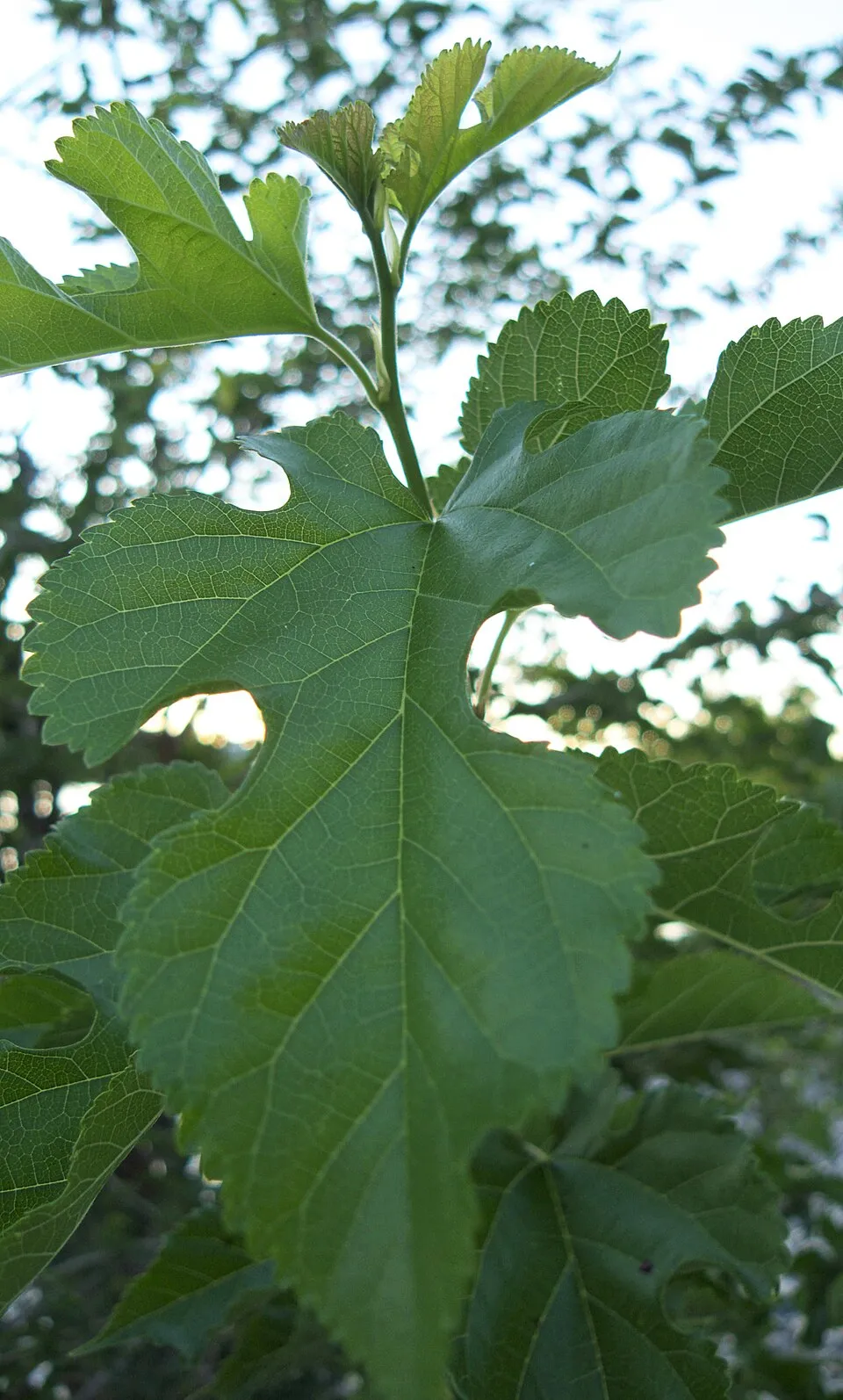
Morus alba, commonly known as White Mulberry, is a resilient, fast-growing deciduous tree belonging to the Moraceae family, which also includes figs and breadfruit. It typically attains heights of 10 to 20 meters (32 to 66 feet), forming a broad, rounded crown. The leaves are a defining feature, exhibiting significant morphological variability; they can be broad, ovate, or distinctly lobed, measuring between 10 to 20 cm (4 to 8 inches) in length, and are characterized by a dark green, often glossy surface.
The bark of young White Mulberry trees is smooth and light gray, gradually becoming deeply furrowed and rough with age. Its reproductive cycle involves the production of small, inconspicuous unisexual flowers in clusters: male flowers are yellowish and cylindrical catkins, while female flowers are green and more compact. These flowers give way to small, sweet, edible fruits that ripen in summer, displaying colors ranging from white to pink or dark purple.
Native to the mountainous regions of northern China, Morus alba has been extensively cultivated across Asia, Europe, and North America for centuries, primarily for its leaves, which serve as the exclusive food source for silkworms (Bombyx mori), underpinning the global silk industry. This widespread cultivation has led to its naturalization in many parts of the world, adapting to diverse climatic conditions.
Trusted Scientific References
1. Authoritative external sources for Morus alba
1.1 Wikipedia — Morus alba
1.2 Kew POWO (Plants of the World Online)
1.3 PubMed — peer-reviewed research
1.4 NCBI Taxonomy Browser
1.5 GBIF — Global Biodiversity
1.6White Mulberry should be interpreted through verified botanical identity, practical care, and responsible safety language. This recovery note adds the missing context needed for a complete profile: match light to the plant's habit, use well-drained soil, water according to season, and avoid unsupported medicinal or edible claims. For publishing, the plant can be presented as a source-backed medicinal plant with clear care guidance, common problem diagnosis, and conservative safety wording.
1.1.White Mulberry — Defining Traits
- ✓Botanical Name — Morus alba, commonly known as White Mulberry.
- ✓Family — Moraceae, related to figs and breadfruit.
- ✓Native Range — Indigenous to northern China, widely cultivated globally.
- ✓Primary Use — Historically significant as the sole food source for silkworms.
- ✓Medicinal Parts — Leaves, fruits, and root bark are utilized for therapeutic purposes.
- ✓Key Bioactive Compound — 1-deoxynojirimycin (DNJ) for antidiabetic effects.
- ✓Pharmacological Actions — Antidiabetic, antioxidant, anti-inflammatory, hypolipidemic, and cardioprotective.
- ✓Traditional Uses — Employed in TCM and Ayurveda for various ailments, including diabetes and hypertension.
- ✓Adaptability — Highly adaptable tree, tolerant to diverse climates and soil types.
- ✓Edible Fruit — Sweet, nutritious berries consumed fresh or processed.
1.2.White Mulberry — Quick Summary
- ✓White Mulberry (Morus alba) is a deciduous tree native to China, renowned for its leaves as silkworm feed.
- ✓Medicinally, its leaves, fruits, and root bark are valued for antidiabetic, antioxidant, and anti-inflammatory properties.
- ✓Rich in compounds like 1-deoxynojirimycin (DNJ), flavonoids, and anthocyanins.
- ✓Traditionally used in various cultures for blood sugar regulation, cardiovascular health, and digestive support.
- ✓Available as teas, tinctures, powders, and fresh fruit, but requires careful consideration for dosage and interactions.
- ✓Potential side effects include hypoglycemia and gastrointestinal upset; consult a healthcare provider before use.
2.White Mulberry — Taxonomic Classification
3.White Mulberry — Botanical Stats
4.White Mulberry — Morphological Account
5.White Mulberry — Habitat & Distribution
6.White Mulberry — Cultural & Traditional Roles
7.White Mulberry — Active Compounds
- ✓Alkaloids — Primarily 1-deoxynojirimycin (DNJ) found in leaves, known for its potent alpha-glucosidase inhibitory activity, crucial for blood sugar management.
- ✓Flavonoids — Includes quercetin, rutin, kaempferol, and various kuwanons (e.g., Kuwanon G), which are powerful antioxidants and anti-inflammatory agents.
- ✓Phenolic Acids — Such as chlorogenic acid and gallic acid, contributing significantly to the plant's antioxidant capacity and protective effects.
- ✓Anthocyanins — Pigments found in the fruit, like cyanidin-3-glucoside, responsible for the fruit's color and possessing strong antioxidant and anti-inflammatory benefits.
- ✓Triterpenes — Compounds like lupeol and ursolic acid, observed to have anti-inflammatory, anticancer, and hepatoprotective activities.
- ✓Saponins — Glycosides that can influence cholesterol metabolism and exhibit some antimicrobial properties.
- ✓Phytosterols — Including beta-sitosterol, which can help lower cholesterol absorption and have anti-inflammatory effects.
- ✓Polysaccharides — Complex carbohydrates found in various plant parts that contribute to immunomodulatory and hypoglycemic activities.
- ✓Vitamins and Minerals — The leaves and fruits are sources of essential vitamins (e.g., Vitamin C, B vitamins) and minerals (e.g., calcium, iron, potassium).
- ✓Benzofuran Derivatives — Unique compounds contributing to the plant's diverse pharmacological profile, often with antioxidant or antimicrobial actions.
8.White Mulberry — What Research Suggests
- ✓Antidiabetic Support — White Mulberry leaf extracts contain 1-deoxynojirimycin (DNJ), an alkaloid that inhibits alpha-glucosidase enzymes in the gut, thereby reducing carbohydrate absorption and moderating post-meal blood glucose spikes.
- ✓Antioxidant Activity — The plant is rich in flavonoids, phenolic acids, and anthocyanins, which scavenge free radicals, protect cells from oxidative stress, and contribute to overall cellular health.
- ✓Anti-inflammatory Effects — Various compounds, including flavonoids and triterpenes, exhibit anti-inflammatory properties by modulating inflammatory pathways, potentially alleviating symptoms of inflammatory conditions.
- ✓Hypolipidemic Action — Studies suggest that White Mulberry can help reduce levels of total cholesterol, LDL ('bad') cholesterol, and triglycerides, contributing to cardiovascular health.
- ✓Liver Protection — Antioxidants and other phytochemicals in Morus alba may protect liver cells from damage caused by toxins and oxidative stress, supporting liver function.
- ✓Immunomodulatory Properties — Certain polysaccharides and flavonoids found in the plant can help regulate immune responses, potentially enhancing the body's defense mechanisms.
- ✓Cardiovascular Health — Beyond lipid-lowering, components may help maintain healthy blood pressure and improve endothelial function, supporting the entire cardiovascular system.
- ✓Neuroprotective Potential — Antioxidant and anti-inflammatory effects extend to the nervous system, potentially offering protection against neurodegenerative processes.
- ✓Weight Management — By inhibiting carbohydrate digestion and absorption, White Mulberry may assist in managing body weight, particularly when combined with a balanced diet.
- ✓Antimicrobial Properties — Extracts from various parts of the plant have demonstrated inhibitory effects against certain bacteria and fungi, suggesting a role in combating infections.
- ✓Gastrointestinal Support — Traditional uses include addressing digestive issues; compounds may help regulate gut motility and possess mild astringent properties.
8.1.White Mulberry — Indications & Uses
9.White Mulberry — Adverse Effects
9.1.White Mulberry — Warnings
- ✓Hypoglycemia — May cause blood sugar levels to drop too low, especially when combined with antidiabetic medications, leading to dizziness or weakness.
- ✓Gastrointestinal Upset — Some individuals may experience mild side effects like nausea, diarrhea, bloating, or abdominal discomfort.
- ✓Allergic Reactions — Rare instances of allergic reactions, including skin rashes, itching, or respiratory symptoms, have been reported.
- ✓Hypotension — Potential to lower blood pressure, which could be problematic for individuals already on antihypertensive drugs.
- ✓Drug Interactions — Can interact with medications for diabetes, hypertension, and potentially other drugs metabolized by the liver.
- ✓Kidney Issues — High doses or prolonged use, particularly of root bark, might rarely impact kidney function in susceptible individuals.
9.2.White Mulberry — Risk Assessment
- ✓Pregnancy and Breastfeeding — Not recommended for use during pregnancy or breastfeeding due to insufficient safety data.
- ✓Diabetes Management — Individuals with diabetes should use White Mulberry only under medical supervision due to its potent blood sugar-lowering effects.
- ✓Surgical Procedures — Discontinue use at least two weeks before any scheduled surgery due to potential effects on blood sugar and blood pressure.
- ✓Hypersensitivity — Avoid use if known allergy or hypersensitivity to Morus alba or other Moraceae family plants exists.
- ✓Children — Use in children is generally not recommended without expert medical advice due to limited safety research.
- ✓Kidney or Liver Disease — Patients with pre-existing kidney or liver conditions should exercise caution and consult a healthcare professional.
- ✓Blood Pressure Medication — Monitor blood pressure closely if taking antihypertensive drugs, as White Mulberry may augment their effects.
10.White Mulberry — How to Use
- ✓Herbal Tea Infusion — Dried leaves, bark, or root bark can be steeped in hot water to create a tea, often consumed for blood sugar regulation or as a general tonic.
- ✓Tinctures and Extracts — Concentrated liquid preparations made by steeping plant material in alcohol or other solvents, providing a potent form for medicinal use.
- ✓Powdered Supplements — Dried leaves, fruit, or root bark are ground into a fine powder, which can be encapsulated or mixed into foods and beverages.
- ✓Culinary Use of Fruit — The fresh or dried berries are edible and can be consumed raw, made into jams, pies, juices, or used in desserts.
- ✓Topical Applications — Poultices or creams made from crushed leaves or bark may be applied externally for skin conditions or minor inflammations.
- ✓Decoctions — Root bark or stem bark are simmered in water for a longer period to extract tougher compounds, often used in traditional medicine systems.
- ✓Syrups — Fruit extracts can be concentrated into syrups, offering a palatable way to consume its beneficial compounds, especially for respiratory complaints.
- ✓Traditional Fermentation — In some cultures, leaves are fermented to enhance bioavailability of certain compounds or create traditional beverages.
11.White Mulberry — Growth Requirements
- ✓Climate Preference — White Mulberry thrives in a wide range of climates, from temperate to tropical, ideally between 24-28 °C, but tolerates temperatures from 15-35 °C.
- ✓Soil Requirements — Prefers well-drained, fertile loamy soils with a pH range of 6.0-7.0, but is highly adaptable to various soil types.
- ✓Water Needs — Requires moderate annual rainfall between 600-2,500 mm (24-98 inches), with good drought tolerance once established.
- ✓Sunlight Exposure — Needs a minimum of 9-13 hours of sunshine per day for optimal growth and fruit production, favoring full sun.
- ✓Propagation — Can be propagated effectively from seeds, cuttings (both hardwood and softwood), or grafting, with cuttings being common for commercial cultivation.
- ✓Planting Depth and Spacing — Seeds are typically sown shallowly; saplings should be spaced 3-5 meters apart to allow for mature growth.
- ✓Pruning and Maintenance — Benefits from regular pruning to maintain shape, improve air circulation, and encourage fruit or leaf production, depending on the intended use.
Reviewed by the Flora Medical Global Botanical Review Panel
Multi-disciplinary editorial group · Botany · Ethnobotany · Herbal-medicine literature
Who reviewed this: This page was checked by the Flora Medical Global Botanical Review Panel — an in-house editorial group of botany graduates, ethnobotany researchers, and horticulture practitioners who collectively maintain our 7,000+ plant encyclopedia. Meet the team.
Our 4-step verification process
1. Taxonomic verification
Scientific names and synonyms cross-checked against Kew POWO, World Flora Online, and The Plant List.
2. Phytochemical & medicinal cross-reference
Active compounds, traditional uses, and reported activities are cross-referenced with PubMed, USDA Dr. Duke's database, and peer-reviewed ethnobotanical literature.
3. Conservation & distribution check
Distribution, ecology, and conservation status confirmed against GBIF occurrence records and the IUCN Red List.
4. Editorial & safety review
Every entry passes an editorial pass for clarity, originality, and safety notices (toxicity, contraindications, dosage caveats) before publication.
Last reviewed:
Important medical disclaimer: This content is for educational and research purposes only. It is not medical advice and is not a substitute for consultation with a licensed healthcare provider. Do not use any herb to self-treat a medical condition without professional guidance.
Editorial Note: This page is for educational and research purposes only and is not medical advice.
Written by: Flora Medical Global Editorial Team
Reviewed by: Flora Medical Global Botanical Review Panel
Last Updated: June 16, 2026





White Mulberry — Comments & Community Reviews
Rate this plant