
Medical Disclaimer: This content is for educational purposes only. It is not medical advice. Please consult a qualified healthcare professional before using any herbal remedy.
Safety Overview
1.Yellow Dock — Plant Snapshot
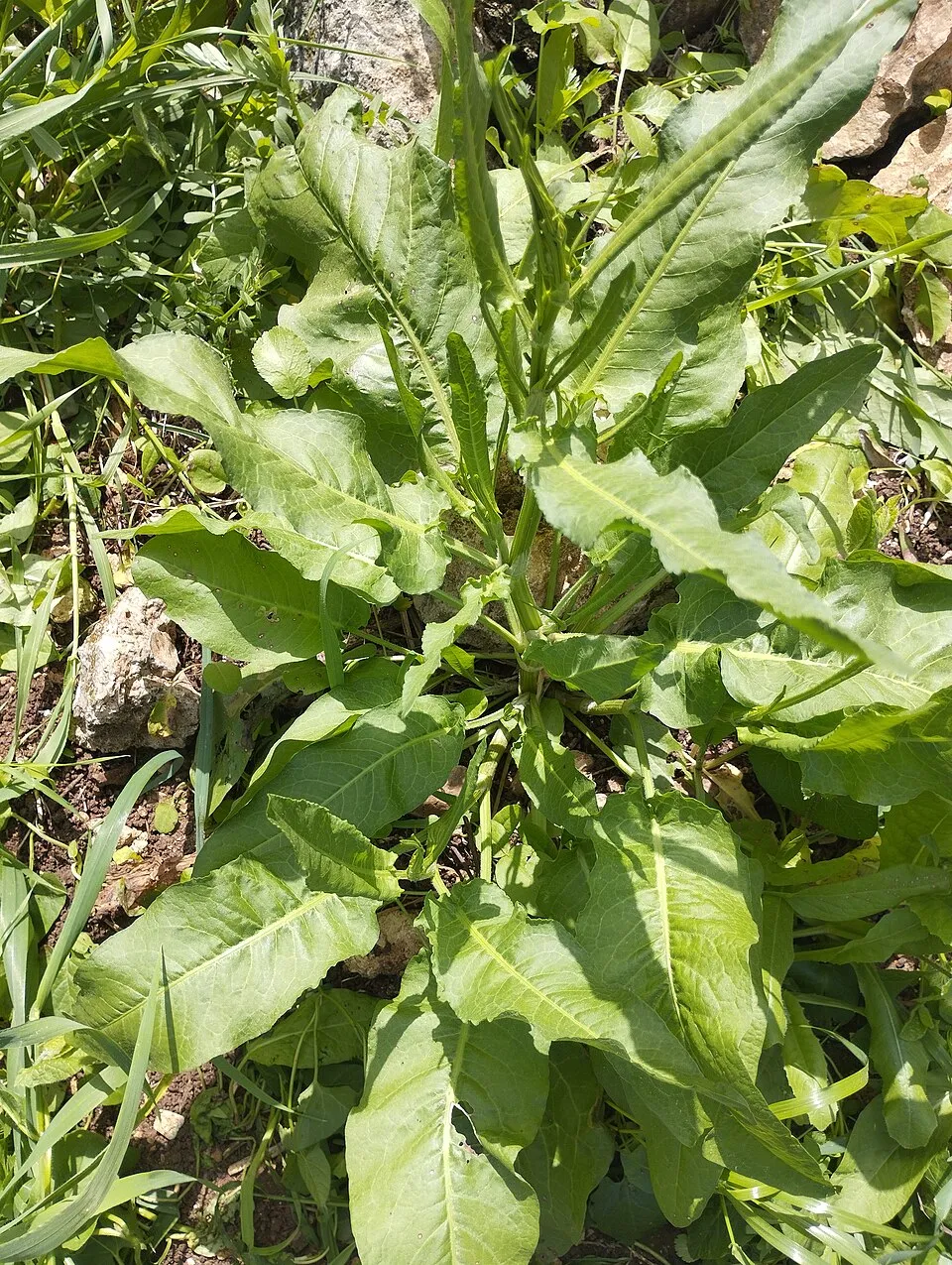
Yellow dock, scientifically known as Rumex crispus, is a resilient perennial herb belonging to the Polygonaceae family, which also includes culinary staples like buckwheat and sorrel. This upright plant typically grows between 1 to 3 feet (30 to 90 cm) tall, though it can sometimes reach greater heights, characterized by a striking erect growth habit. Its basal leaves are distinctively large, lance-shaped with undulate or 'crisped' margins, forming a prominent rosette. These leaves can measure up to 12 inches (30 cm) in length, often developing a reddish tint, particularly during the flowering stage.
As the plant matures, a tall, slender flower stalk emerges, bearing dense clusters of small, inconspicuous greenish-yellow flowers that transition to reddish-brown as they set seed in late spring to early summer. The inflorescence forms elongated, branched spikes. Yellow dock's seeds are small, triangular, and possess remarkable viability, capable of persisting in the soil for many years, which contributes to its widespread distribution. The plant features a robust, deep taproot, which is the primary medicinal part, typically yellow to orange internally.
Native to Europe and Asia, Rumex crispus has successfully naturalized across temperate regions globally, particularly thriving in North America. It commonly inhabits disturbed soils, meadows, roadsides, and wetlands, preferring moist, well-drained conditions. Its adaptability and persistent nature classify it as a common, yet medicinally valuable, 'weed'.
Trusted Scientific References
1. Authoritative external sources for Rumex crispus
1.1 Wikipedia — Rumex crispus
1.2 Kew POWO (Plants of the World Online)
1.3 PubMed — peer-reviewed research
1.4 NCBI Taxonomy Browser
1.5 GBIF — Global Biodiversity
1.6Yellow Dock should be interpreted through verified botanical identity, practical care, and responsible safety language. This recovery note adds the missing context needed for a complete profile: match light to the plant's habit, use well-drained soil, water according to season, and avoid unsupported medicinal or edible claims. For publishing, the plant can be presented as a source-backed medicinal plant with clear care guidance, common problem diagnosis, and conservative safety wording.
1.1.Yellow Dock — Defining Traits
- ✓Deep Taproot — The prominent, yellow-orange taproot is the primary medicinal part, storing active compounds.
- ✓Crisped Leaves — Distinctive wavy-margined leaves form a basal rosette, aiding in identification.
- ✓Naturalized Weed — Widely distributed across temperate regions, often found in disturbed soils.
- ✓Anthraquinone Content — Contains compounds like emodin, responsible for its gentle laxative effect.
- ✓Liver and Detox Support — A classic alterative herb, traditionally used to support liver function and systemic detoxification.
- ✓Iron Absorption Aid — Valued for its traditional role in enhancing the body's utilization of dietary iron.
- ✓Astringent Properties — Tannins provide an astringent action, useful for toning tissues.
- ✓Seed Viability — Produces numerous small, viable seeds that contribute to its persistent spread.
- ✓Polygonaceae Family — Belongs to a family known for its diverse medicinal and culinary plants.
- ✓Traditional Herbal Staple — Has a long history of use in various folk and traditional medicine systems.
1.2.Yellow Dock — In Brief
- ✓Yellow dock (Rumex crispus) is a common perennial herb with a deep taproot, valued in herbal medicine.
- ✓Renowned for its mild laxative action, liver-supporting, and blood-purifying properties.
- ✓Traditionally used to aid digestion, support iron absorption, and address skin conditions.
- ✓Rich in anthraquinones, tannins, and oxalates, which contribute to its therapeutic effects and safety considerations.
- ✓Requires careful preparation and dosage, with raw consumption being potentially toxic.
- ✓Contraindicated for pregnancy, kidney issues, and certain GI or cardiac conditions.
2.Yellow Dock — Scientific Profile
3.Yellow Dock — Botanical Stats
4.Yellow Dock — Structural Profile
5.Yellow Dock — Geographic Distribution
6.Yellow Dock — Historical Applications
7.Yellow Dock — Active Compounds
- ✓Anthraquinone Glycosides — Key compounds like emodin, chrysophanol, and physcion are responsible for yellow dock's characteristic laxative effects, stimulating bowel motility and promoting gentle elimination.
- ✓Tannins — Astringent polyphenolic compounds, including procyanidins, are present, contributing to its toning effect on mucous membranes and providing antioxidant and anti-inflammatory benefits.
- ✓Oxalates — Oxalic acid and its salts are found in varying concentrations, particularly in the leaves, and can bind with calcium, necessitating cautious consumption, especially of raw plant material.
- ✓Flavonoids — Compounds such as quercetin glycosides contribute to the plant's antioxidant and anti-inflammatory activities, supporting cellular health and modulating immune responses.
- ✓Naphthoquinones — Nepodin is a notable naphthoquinone identified in yellow dock, which has been investigated for its antimalarial properties.
- ✓Minerals — Yellow dock contains various essential minerals, including iron, potassium, and calcium, although the bioavailability of iron from the plant itself for human absorption can vary.
- ✓Volatile Oils — Present in small quantities, contributing to the plant's characteristic aroma and potentially offering mild antiseptic or carminative actions.
- ✓Glycosides — Beyond anthraquinones, other glycosidic compounds are present, which may contribute to various pharmacological activities.
- ✓Polysaccharides — Complex carbohydrates that can offer demulcent properties, soothing irritated tissues, particularly in the digestive tract.
8.Yellow Dock — What Research Suggests
- ✓Digestive Stimulant — Yellow dock acts as a mild stimulant laxative due to its anthraquinone glycosides, promoting bowel regularity and alleviating occasional constipation by encouraging peristalsis and water secretion into the colon.
- ✓Liver and Gallbladder Support — Traditionally used as a liver tonic, Rumex crispus stimulates bile production and flow, aiding in the detoxification processes and supporting overall liver and gallbladder function.
- ✓Iron Absorption Enhancement — While not a direct source of highly bioavailable iron, yellow dock is traditionally believed to improve the body's ability to absorb dietary iron, making it a complementary herb for addressing iron-deficiency anemia.
- ✓Blood Purifier — In traditional herbalism, yellow dock is highly regarded as an alterative or 'blood purifier,' believed to gently cleanse the system by enhancing eliminative organ functions, particularly the liver and bowels.
- ✓Skin Condition Relief — Its detoxifying actions, especially on the liver and bowels, are thought to benefit various chronic skin conditions like eczema, psoriasis, and acne, which are often linked to internal imbalances.
- ✓Anti-inflammatory Properties — Preliminary research and traditional use suggest that yellow dock possesses anti-inflammatory effects, potentially reducing swelling and discomfort in various tissues, including the respiratory tract.
- ✓Antimicrobial Activity — Extracts of Rumex crispus have demonstrated antimicrobial properties against certain bacteria, fungi, and parasites, supporting its traditional use in addressing various infections.
- ✓Antioxidant Support — The plant contains a range of polyphenolic compounds, including flavonoids and tannins, which contribute to its antioxidant capacity, helping to protect cells from oxidative stress.
- ✓Lymphatic System Support — Yellow dock is traditionally considered a lymphatic herb, assisting in the movement and drainage of lymphatic fluid, which is crucial for immune function and waste removal.
- ✓Nutrient Source — Young leaves are a source of vitamins and minerals, although consumption should be moderate due to oxalate content, contributing to overall nutritional intake when used sparingly as a wild edible.
8.1.Yellow Dock — Conditions Traditionally Used For
9.Yellow Dock — Precautions & Warnings
9.1.Yellow Dock — Warnings
- ✓Gastrointestinal Upset — High doses or prolonged use can cause abdominal cramping, nausea, vomiting, and diarrhea due to its strong laxative action.
- ✓Electrolyte Imbalance — Chronic use of yellow dock, particularly as a laxative, can lead to potassium depletion and other electrolyte disturbances.
- ✓Kidney Damage — The oxalate content, especially in raw or large quantities, can contribute to kidney stone formation or exacerbate existing kidney conditions, potentially leading to kidney damage.
- ✓Cardiac Issues — Ingesting raw or improperly prepared yellow dock can cause serious side effects, including cardiac problems and breathing difficulties, in severe cases.
- ✓Allergic Reactions — Individuals sensitive to ragweed or other Polygonaceae family members may experience allergic reactions, such as skin rashes or respiratory symptoms.
- ✓Blood Clotting Interference — Yellow dock may affect blood clotting, potentially increasing the risk of bleeding, especially when combined with anticoagulant medications.
- ✓Thrombocytopenia — Rare cases of thrombocytopenia (low platelet count) have been reported with the use of yellow dock, suggesting a need for caution.
9.2.Yellow Dock — Clinical Safety Notes
- ✓Pregnancy and Breastfeeding — Yellow dock is considered possibly unsafe during pregnancy and breastfeeding due to its laxative effects and the potential transfer of active compounds to the infant via breast milk.
- ✓Kidney Conditions — Contraindicated for individuals with a history of kidney stones, kidney disease, or other renal impairments due to its oxalate content.
- ✓Gastrointestinal Disorders — Avoid use in cases of inflammatory bowel diseases (Crohn's disease, ulcerative colitis), appendicitis, or unexplained abdominal pain, as it can irritate the GI lining.
- ✓Blood Clotting Disorders — Use with caution by individuals with bleeding disorders or those taking anticoagulant/antiplatelet medications, as it may influence blood clotting.
- ✓Cardiac Conditions — Patients with heart conditions, especially those on digoxin, should avoid yellow dock due to the risk of potassium depletion, which can exacerbate side effects of the medication.
- ✓Allergies — Individuals with known allergies to plants in the Polygonaceae family or ragweed should exercise caution due to potential cross-reactivity.
- ✓Children — Not recommended for use in young children without professional medical guidance due to its potent laxative effects and potential for electrolyte imbalance.
- ✓Raw Consumption — Raw or uncooked yellow dock is possibly unsafe and should be avoided, as it can cause severe adverse effects including vomiting and heart problems.
10.Yellow Dock — How to Use
- ✓Decoction (Root) — Prepare by simmering dried, chopped yellow dock root in water for 15-20 minutes, then straining. This method extracts the more resilient compounds like anthraquinones and minerals.
- ✓Tincture (Root) — Create an alcohol extract by macerating fresh or dried yellow dock root in a high-proof alcohol for several weeks, then straining. This is a potent and concentrated form for internal use.
- ✓Infusion (Leaves) — Young yellow dock leaves can be steeped in hot water for a short period to make a milder tea, though this is less common for medicinal purposes than root preparations.
- ✓Culinary Use (Young Leaves) — Tender young leaves can be added sparingly to salads or cooked like spinach, providing a nutrient boost. Blanching can help reduce oxalate content.
- ✓Powdered Root — Dried yellow dock root can be ground into a fine powder and encapsulated for convenient internal dosing or mixed into smoothies and other foods.
- ✓Poultice (Root) — A paste made from fresh or dried powdered root mixed with water can be applied topically to skin irritations, swellings, or minor wounds for its astringent and anti-inflammatory effects.
- ✓Syrups — Yellow dock root can be incorporated into herbal syrups, often combined with other herbs, for a palatable way to administer its benefits, particularly for children or those averse to teas.
11.Yellow Dock — Growth Requirements
- ✓Soil Preference — Yellow dock thrives in moist, well-drained loamy soils but is remarkably adaptable to various soil types, including disturbed and compacted grounds.
- ✓Light Requirements — Prefers full sun to partial shade, with more vigorous growth and flowering occurring in sunnier locations.
- ✓Propagation — Primarily propagated by seed, which can be sown directly in spring or fall. It can also spread vigorously from its deep taproot if sections are left in the soil.
- ✓Watering — Requires consistent moisture, especially during dry periods, but avoids waterlogging, which can lead to root rot.
- ✓Fertilization — Generally not required as it often thrives in nutrient-poor soils, but a balanced organic fertilizer can support more robust growth.
- ✓Pests and Diseases — Relatively resistant to most pests and diseases, though aphids or leaf spot fungi can occasionally occur. Good air circulation helps prevent fungal issues.
- ✓Harvesting — Roots are best harvested in late fall after the aerial parts have died back, or in early spring before significant new growth, when the concentration of active compounds is highest. Leaves can be harvested when young and tender for culinary use.
- ✓Management — Due to its prolific seeding and deep taproot, yellow dock can become invasive. Regular weeding and preventing seed set are crucial for control.
Reviewed by the Flora Medical Global Botanical Review Panel
Multi-disciplinary editorial group · Botany · Ethnobotany · Herbal-medicine literature
Who reviewed this: This page was checked by the Flora Medical Global Botanical Review Panel — an in-house editorial group of botany graduates, ethnobotany researchers, and horticulture practitioners who collectively maintain our 7,000+ plant encyclopedia. Meet the team.
Our 4-step verification process
1. Taxonomic verification
Scientific names and synonyms cross-checked against Kew POWO, World Flora Online, and The Plant List.
2. Phytochemical & medicinal cross-reference
Active compounds, traditional uses, and reported activities are cross-referenced with PubMed, USDA Dr. Duke's database, and peer-reviewed ethnobotanical literature.
3. Conservation & distribution check
Distribution, ecology, and conservation status confirmed against GBIF occurrence records and the IUCN Red List.
4. Editorial & safety review
Every entry passes an editorial pass for clarity, originality, and safety notices (toxicity, contraindications, dosage caveats) before publication.
Last reviewed:
Important medical disclaimer: This content is for educational and research purposes only. It is not medical advice and is not a substitute for consultation with a licensed healthcare provider. Do not use any herb to self-treat a medical condition without professional guidance.
Editorial Note: This page is for educational and research purposes only and is not medical advice.
Written by: Flora Medical Global Editorial Team
Reviewed by: Flora Medical Global Botanical Review Panel
Last Updated: June 16, 2026






Yellow Dock — Comments & Community Reviews
Rate this plant