
Medical Disclaimer: This content is for educational purposes only. It is not medical advice. Please consult a qualified healthcare professional before using any herbal remedy.
Safety Overview
1.Yerba Mansa — Botanical Snapshot
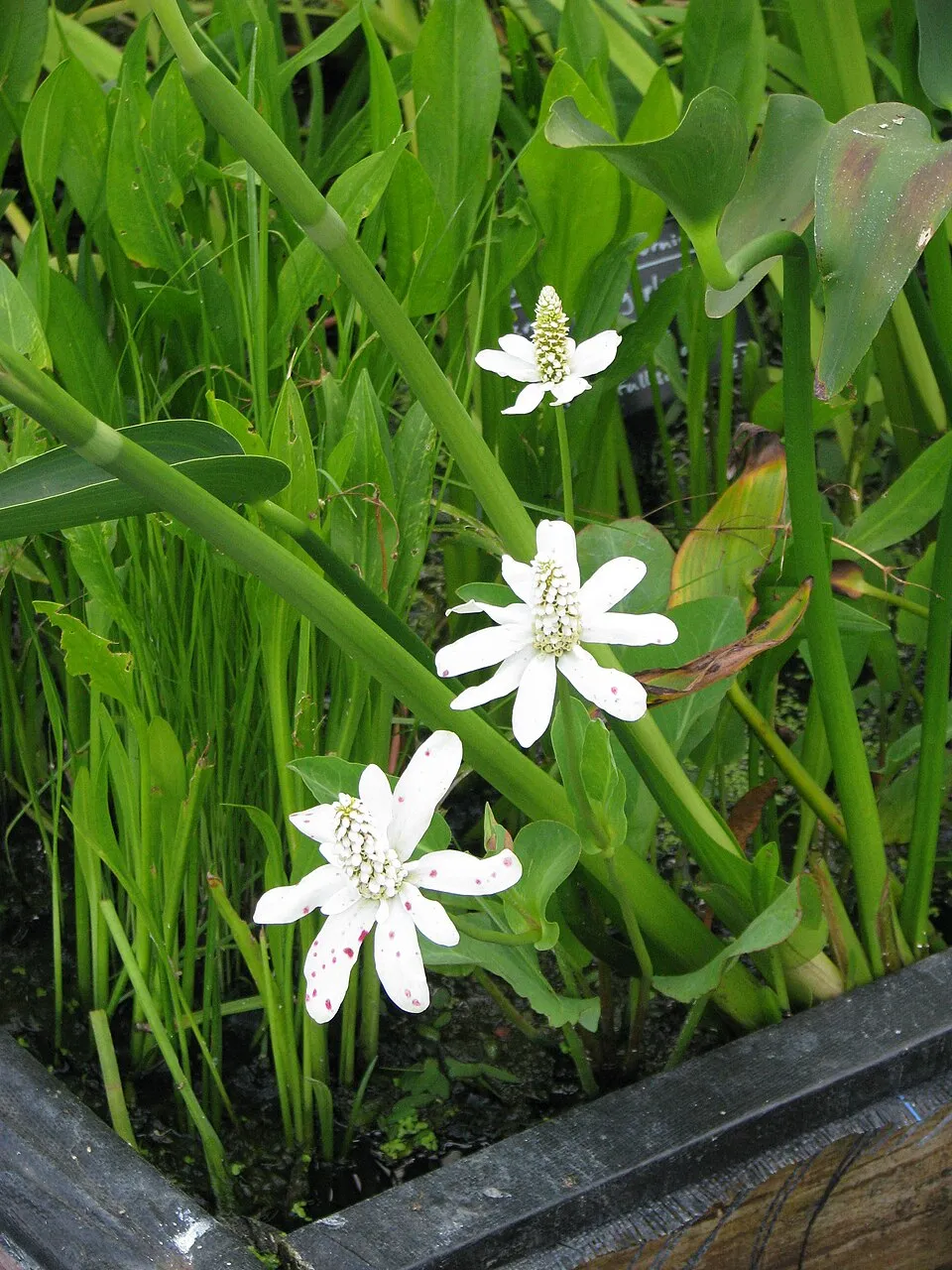
Yerba Mansa, scientifically known as Anemopsis californica, is a distinctive perennial herbaceous plant belonging to the Saururaceae family, which is recognized for its semi-aquatic members. This robust herb typically grows to a height of 30 to 80 centimeters, characterized by its thick, lanceolate leaves that can reach up to 15 centimeters in length, forming a prominent basal rosette. Its most striking feature is the inflorescence, a unique cluster of minute, white flowers arranged on a conical spike, subtended by a showy whorl of large, white to pale yellow, petal-like bracts that greatly enhance pollinator attraction and bloom from spring through late summer.
The stems are erect, smooth, often exhibiting a light green to reddish hue, and typically glabrous. Anemopsis californica commonly forms extensive clonal clumps, thriving in wetland habitats, particularly marshy soils and riparian zones. Its natural distribution spans the western regions of North America, including California, Arizona, and parts of Mexico, where its presence indicates a preference for consistently moist, often waterlogged environments.
The plant's adaptability to such specific conditions underscores its ecological significance within these unique ecosystems.
Trusted Scientific References
1. Authoritative external sources for Anemopsis californica
1.1 Wikipedia — Anemopsis californica
1.2 Kew POWO (Plants of the World Online)
1.3 PubMed — peer-reviewed research
1.4 NCBI Taxonomy Browser
1.5 GBIF — Global Biodiversity
1.6Yerba Mansa should be interpreted through verified botanical identity, practical care, and responsible safety language. This recovery note adds the missing context needed for a complete profile: match light to the plant's habit, use well-drained soil, water according to season, and avoid unsupported medicinal or edible claims. For publishing, the plant can be presented as a source-backed medicinal plant with clear care guidance, common problem diagnosis, and conservative safety wording.
1.1.Yerba Mansa — Distinguishing Points
- ✓Wetland Native — Indigenous to marshy areas and riparian zones of Western North America.
- ✓Distinctive Inflorescence — Features unique white, petal-like bracts surrounding a conical flower spike.
- ✓Aromatic Rhizomes — Possesses fragrant, fleshy rhizomes that are the primary medicinal part.
- ✓Traditional Ethnobotanical Use — Highly valued in Native American traditional medicine for centuries.
- ✓Anti — inflammatory Properties — Contains compounds like flavonoids and chamazulene known for reducing inflammation.
- ✓Antimicrobial Activity — Notable for anemopsin and essential oils that exhibit antibacterial and antifungal effects.
- ✓Wound Healing Aid — Traditionally applied externally to promote the healing of skin ailments and sores.
- ✓Clump — Forming Perennial — Grows as a robust, spreading perennial, often forming large colonies.
- ✓Saururaceae Family Member — Belongs to a small family of basal angiosperms known for aquatic and semi-aquatic herbs.
- ✓Ornamental and Restoration Plant — Also used in landscaping for its unique appearance and in wetland restoration projects.
1.2.Yerba Mansa — Concise Overview
- ✓Yerba Mansa (Anemopsis californica) is a perennial herb native to Western North American wetlands.
- ✓Traditionally used by Native Americans for its anti-inflammatory, antimicrobial, and wound-healing properties.
- ✓Rich in key phytochemicals including anemopsin, flavonoids, tannins, and essential oils.
- ✓Preparations include decoctions, poultices, and washes for various internal and external applications.
- ✓Requires caution; avoid during pregnancy, before surgery, and in cases of urinary tract disorders.
- ✓Limited scientific evidence supports many traditional uses; professional consultation is advised for safe use.
2.Yerba Mansa — Scientific Identity
3.Yerba Mansa — Vital Statistics
4.Yerba Mansa — Botanical Description
5.Yerba Mansa — Native Range & Habitat
6.Yerba Mansa — Heritage Uses
7.Yerba Mansa — Key Phytochemicals
- ✓Isoflavonoids — Calycosin is a notable isoflavonoid found in Yerba Mansa, implicated in its anti-inflammatory activities by influencing cellular signaling pathways.
- ✓Quinoid Compounds — Anemopsin, a unique quinoid, is a key active constituent recognized for its significant antimicrobial and antifungal properties, contributing to the plant's traditional use against infections.
- ✓Essential Oils — The plant's essential oil profile is rich in monoterpenes like 1,8-cineole (eucalyptol) and sesquiterpenes such as chamazulene, which provide antimicrobial, anti-inflammatory, and expectorant effects.
- ✓Tannins — High concentrations of tannins are present, contributing to Yerba Mansa's astringent properties, which are beneficial in wound healing and reducing inflammation.
- ✓Flavonoids — Key flavonoids include kaempferol and quercetin, potent antioxidants that scavenge free radicals and possess anti-inflammatory actions, supporting cellular health.
- ✓Saponins — These compounds are found in Yerba Mansa and may contribute to its traditional medicinal uses, potentially exhibiting immune-modulating or expectorant effects.
- ✓Alkaloids — While generally present in smaller amounts, alkaloids are a class of nitrogen-containing compounds that can have diverse pharmacological activities.
- ✓Phenolic Compounds — Beyond specific flavonoids and tannins, a broader range of phenolic compounds contributes to the plant’s overall antioxidant capacity and protective effects.
8.Yerba Mansa — Evidence-Based Benefits
- ✓Anti-inflammatory Support — Yerba Mansa is traditionally valued for its potent anti-inflammatory properties, attributed to compounds like flavonoids and essential oils that may modulate inflammatory pathways.
- ✓Antimicrobial Action — The plant contains phytochemicals such as anemopsin and essential oils (e.g., 1,8-cineole) which exhibit activity against various bacteria and fungi, making it useful for combating infections.
- ✓Analgesic Relief — Historically, Anemopsis californica has been employed to alleviate pain, with its constituents potentially acting on pain receptors or reducing inflammatory pain signals.
- ✓Wound Healing Acceleration — Applied topically, Yerba Mansa preparations are believed to promote the healing of wounds, sores, and skin irritations due to its astringent and antimicrobial effects.
- ✓Respiratory Health — Traditional uses include remedies for common colds, coughs, and chest congestion, suggesting a soothing effect on the respiratory tract and potential expectorant properties.
- ✓Digestive Comfort — Decoctions of Yerba Mansa root have been used to soothe stomachaches, indigestion, and even stomach ulcers, possibly through its anti-inflammatory and astringent actions on the gastrointestinal lining.
- ✓Gout Management — Native American practices utilized Yerba Mansa for gout, indicating a potential role in reducing inflammation and discomfort associated with this condition.
- ✓Menstrual Cramp Alleviation — The plant has been traditionally used by some indigenous groups to ease menstrual cramps, likely due to its antispasmodic and pain-relieving effects.
- ✓Urinary Tract Support — Though cautioned for existing disorders, traditional use suggests a cleansing or soothing effect on the urinary tract for general support, though scientific evidence is limited.
- ✓General Tonic and Debility — A tea from the boiled roots can serve as a restorative tonic, particularly after periods of illness like colds, contributing to overall wellness and recovery.
8.1.Yerba Mansa — Health Applications
9.Yerba Mansa — Safety & Side Effects
9.1.Yerba Mansa — Possible Adverse Reactions
- ✓Insufficient Safety Data — There is limited reliable information on the safety of Yerba Mansa when taken by mouth or applied to the skin.
- ✓Potential Sedation — Yerba Mansa may exhibit central nervous system depressant effects, leading to drowsiness or excessive sleepiness.
- ✓Urinary Tract Irritation — The plant has the potential to irritate the urinary tract, which could exacerbate existing urinary tract disorders.
- ✓Pregnancy and Breastfeeding — Lack of sufficient data means safety during pregnancy and breastfeeding is unknown; therefore, avoidance is recommended.
- ✓Allergic Reactions — As with any plant, individuals may experience allergic reactions, though specific cases for Yerba Mansa are not well-documented.
9.2.Yerba Mansa — Toxicity Assessment
- ✓Pregnancy and Breastfeeding — Avoid use during pregnancy and breastfeeding due to insufficient reliable information on safety.
- ✓Surgical Procedures — Discontinue Yerba Mansa at least two weeks before any scheduled surgery, as it might interact with anesthesia and other sedative medications.
- ✓Urinary Tract Disorders — Contraindicated for individuals with urinary tract problems, as it may cause irritation and worsen conditions.
- ✓Sedative Medications — Use with extreme caution, or avoid, if taking sedative medications (CNS depressants) due to potential additive effects leading to excessive drowsiness.
- ✓Professional Consultation — Always consult a healthcare professional before using Yerba Mansa, especially if you have underlying health conditions or are on other medications.
- ✓Dosage Uncertainty — Without sufficient scientific information, determining an appropriate dose for Yerba Mansa is challenging; always adhere to expert guidance or product label instructions.
10.Yerba Mansa — Usage Guide
- ✓Root Decoction — Prepare by simmering dried Yerba Mansa roots in water for internal use, traditionally taken hot for colds, coughs, and stomach ailments.
- ✓Leaf Infusion — Dried leaves can be steeped in hot water to create an infusion, often used as a tea for general wellness or mild respiratory support.
- ✓Topical Poultice — Mash fresh or rehydrated roots to create a poultice, applied directly to swellings, wounds, or skin irritations for anti-inflammatory and healing effects.
- ✓External Wash — A decoction of the roots or leaves can be cooled and used as an antiseptic wash for open sores, athlete's foot, or muscular pains.
- ✓Powdered Root — Dried and finely powdered Yerba Mansa root can be sprinkled onto wounds as a traditional disinfectant and to aid in healing.
- ✓Bath Soak — Boil leaves in a large quantity of water to create a strong decoction, then add to bathwater for relief from muscular pains and sore feet.
- ✓Tincture — A concentrated liquid extract made by steeping roots in alcohol, often used for internal administration in smaller, metered doses.
- ✓Herbal Compress — Soak a cloth in a warm Yerba Mansa decoction and apply as a compress to areas of localized pain or inflammation.
11.Yerba Mansa — How to Grow
- ✓Habitat Mimicry — Best grown in conditions that mimic its natural wetland habitat, requiring consistently moist to waterlogged soil.
- ✓Soil Preference — Thrives in heavy, clay-rich, or loamy soils that retain moisture well, often with a neutral to slightly acidic pH.
- ✓Light Requirements — Prefers full sun exposure to partial shade; ample sunlight encourages robust growth and flowering.
- ✓Propagation — Can be propagated effectively from seeds or by dividing its extensive rhizomatous root system in spring or fall.
- ✓Water Features — An excellent choice for water gardens, bog gardens, or the edges of ponds where its moisture needs can be met.
- ✓Container Growing — Possible in large, non-draining containers to maintain the necessary soil moisture levels.
- ✓Low Maintenance — Once established, Yerba Mansa is relatively low-maintenance, though it benefits from consistent moisture.
- ✓Hardiness — Generally hardy in USDA zones 6-10, tolerating some frost but preferring milder climates.
Reviewed by the Flora Medical Global Botanical Review Panel
Multi-disciplinary editorial group · Botany · Ethnobotany · Herbal-medicine literature
Who reviewed this: This page was checked by the Flora Medical Global Botanical Review Panel — an in-house editorial group of botany graduates, ethnobotany researchers, and horticulture practitioners who collectively maintain our 7,000+ plant encyclopedia. Meet the team.
Our 4-step verification process
1. Taxonomic verification
Scientific names and synonyms cross-checked against Kew POWO, World Flora Online, and The Plant List.
2. Phytochemical & medicinal cross-reference
Active compounds, traditional uses, and reported activities are cross-referenced with PubMed, USDA Dr. Duke's database, and peer-reviewed ethnobotanical literature.
3. Conservation & distribution check
Distribution, ecology, and conservation status confirmed against GBIF occurrence records and the IUCN Red List.
4. Editorial & safety review
Every entry passes an editorial pass for clarity, originality, and safety notices (toxicity, contraindications, dosage caveats) before publication.
Last reviewed:
Important medical disclaimer: This content is for educational and research purposes only. It is not medical advice and is not a substitute for consultation with a licensed healthcare provider. Do not use any herb to self-treat a medical condition without professional guidance.
Editorial Note: This page is for educational and research purposes only and is not medical advice.
Written by: Flora Medical Global Editorial Team
Reviewed by: Flora Medical Global Botanical Review Panel
Last Updated: June 16, 2026





Yerba Mansa — Comments & Community Reviews
Rate this plant