
Medical Disclaimer: This content is for educational purposes only. It is not medical advice. Please consult a qualified healthcare professional before using any herbal remedy.
Safety Overview
1.Yerba Santa — At a Glance
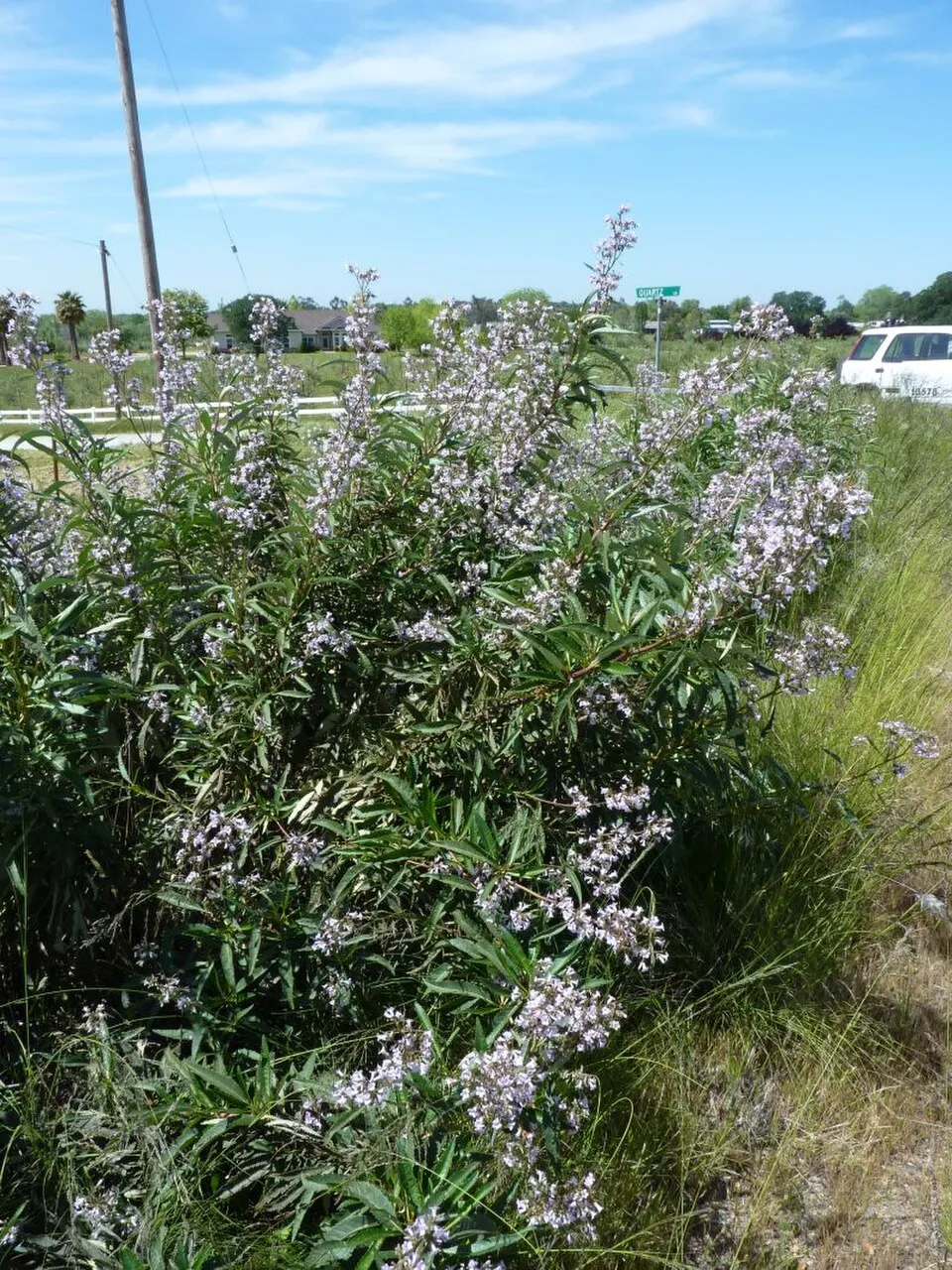
Yerba Santa, scientifically known as Eriodictyon californicum, is a resilient perennial shrub typically reaching heights of 0.5 to 1.5 meters. This aromatic plant is characterized by its distinctive, resinous foliage. Its leaves are lanceolate to ovate, ranging from 5 to 15 centimeters in length, presenting a glossy dark green on the upper surface and a lighter green underside often covered in fine, glandular hairs, which contribute to its sticky texture.
The plant produces charming clusters of tubular flowers, predominantly white to pale lavender, each measuring approximately 1 to 3 centimeters long. These blossoms typically appear from late spring through summer, adding to the plant's aesthetic appeal. The stems are stout and develop a rough, grayish-brown bark that becomes increasingly gnarled and textured with age.
Native to the arid and semi-arid coastal regions of California and extending into parts of Mexico, Yerba Santa thrives in dry, rocky soils, making it a prominent feature of chaparral and woodland habitats. Taxonomically, it belongs to the Namaceae family, a group known for several other botanically interesting species. Its remarkable adaptation to environments with low water availability showcases its resilience and makes it a significant species in its native ecosystem, often acting as a pioneer plant in disturbed areas.
Trusted Scientific References
1. Authoritative external sources for Eriodictyon californicum
1.1 Wikipedia — Eriodictyon californicum
1.2 Kew POWO (Plants of the World Online)
1.3 PubMed — peer-reviewed research
1.4 NCBI Taxonomy Browser
1.5 GBIF — Global Biodiversity
1.6Yerba Santa should be interpreted through verified botanical identity, practical care, and responsible safety language. This recovery note adds the missing context needed for a complete profile: match light to the plant's habit, use well-drained soil, water according to season, and avoid unsupported medicinal or edible claims. For publishing, the plant can be presented as a source-backed medicinal plant with clear care guidance, common problem diagnosis, and conservative safety wording.
1.1.Yerba Santa — Distinguishing Points
- ✓Botanical Name — Eriodictyon californicum, commonly known as Yerba Santa or Bear's Weed.
- ✓Family — Belongs to the Namaceae family, characterized by its aromatic and sticky foliage.
- ✓Habitat — Indigenous to dry, rocky chaparral and woodland areas of California and northern Mexico.
- ✓Morphology — A perennial shrub growing up to 1.5 meters, with lanceolate, resinous leaves and white-to-pale-lavender tubular flowers.
- ✓Traditional Use — Valued by Native American tribes and Spanish priests for respiratory relief and anti-inflammatory actions.
- ✓Chemical Profile — Rich in flavonoids (eriodictyol, sterubin), resins, and phenolic acids, contributing to its therapeutic properties.
- ✓Expectorant Action — Highly regarded for its ability to thin mucus and aid in its expulsion from the respiratory tract.
- ✓Antioxidant Power — Contains compounds that help combat oxidative stress and protect cellular integrity.
- ✓Neuroprotective Potential — Emerging research highlights its potential role in supporting brain health, particularly with sterubin.
- ✓Culinary/Pharmaceutical Use — Used as a flavoring agent to mask bitter tastes in foods and medicines.
1.2.Yerba Santa — Snapshot Summary
- ✓Native to California, Yerba Santa is a resinous shrub known for its traditional medicinal uses.
- ✓Primarily used as an expectorant for respiratory conditions like coughs, colds, and asthma.
- ✓Contains flavonoids like eriodictyol and sterubin, contributing to antioxidant and neuroprotective effects.
- ✓Historically applied topically for bruises, rheumatic pain, and fever reduction.
- ✓Cultivated in well-drained soils and prefers full sun; requires careful watering.
- ✓Safety information for medicinal doses is limited; avoid during pregnancy and lactation.
2.Yerba Santa — Scientific Identity
3.Yerba Santa — Key Data
4.Yerba Santa — Physical Description
5.Yerba Santa — Origin & Spread
6.Yerba Santa — Traditional Uses
7.Yerba Santa — Key Phytochemicals
- ✓Flavonoids — Key compounds include eriodictyol, homoeriodictyol, and sterubin, which are responsible for much of the plant's antioxidant and anti-inflammatory activity, with sterubin specifically noted for neuroprotective potential.
- ✓Resins — The characteristic stickiness of Yerba Santa leaves is due to a high content of resins, which contribute to its expectorant and mucolytic properties, helping to clear respiratory passages.
- ✓Phenolic Acids — Various phenolic acids are present, contributing to the plant's overall antioxidant capacity and potential antimicrobial effects.
- ✓Essential Oils — A volatile oil component provides the plant's distinctive aromatic qualities and may contribute to its traditional uses, though specific active compounds are less characterized.
- ✓Triterpenes — These compounds are often found in medicinal plants and can contribute to anti-inflammatory and adaptogenic effects, supporting overall plant defense mechanisms.
- ✓Glycosides — Eriodictyonine is a notable glycoside, which is the glycosidic form of eriodictyol, contributing to the plant's complex pharmacology.
- ✓Tannins — Present in smaller amounts, tannins can contribute astringent properties, which might be beneficial in certain traditional applications.
- ✓Saponins — While not a primary constituent, some saponins may be present, potentially influencing absorption and contributing to expectorant actions.
8.Yerba Santa — Pharmacological Findings
- ✓Respiratory Support — Eriodictyon californicum has a long history of traditional use as an expectorant, helping to loosen and expel mucus from the respiratory passages, which can alleviate symptoms of coughs, colds, and bronchitis.
- ✓Anti-inflammatory Properties — Compounds within Yerba Santa are believed to possess anti-inflammatory effects, potentially reducing swelling and discomfort associated with various conditions, including rheumatic pain.
- ✓Immune System Modulation — Traditionally, Yerba Santa has been valued for its ability to support general wellness and bolster immune function, helping the body to resist common infections.
- ✓Neuroprotective Potential — Modern research indicates that certain constituents, such as sterubin, found in Yerba Santa, may offer neuroprotective benefits, potentially supporting brain health and cognitive function, especially in age-related conditions.
- ✓Antioxidant Activity — The plant contains phenolic compounds and flavonoids that act as antioxidants, combating oxidative stress and protecting cells from damage caused by free radicals.
- ✓Weight Management Aid — Some contemporary studies suggest that extracts from Yerba Santa may play a role in modulating energy metabolism, contributing to weight management efforts.
- ✓Topical Analgesic — Historically, poultices made from fresh Yerba Santa leaves were applied topically to relieve pain from bruises and alleviate rheumatic discomfort.
- ✓Fever Reducer — In traditional practices, liniments prepared from Yerba Santa were used topically to help reduce fever and associated symptoms.
- ✓Flavor Masking Agent — Due to its unique taste profile, Yerba Santa fluid extract has been employed in pharmaceutical preparations to mask the bitter taste of other medicinal compounds, making them more palatable.
- ✓Mucolytic Action — The sticky resins and compounds in the leaves contribute to a mucolytic effect, breaking down thick mucus and facilitating its removal from the lungs and throat.
8.1.Yerba Santa — Reported Uses
9.Yerba Santa — Safety Considerations
9.1.Yerba Santa — Reported Side Effects
- ✓Limited Data — There is insufficient reliable information regarding the safety and potential side effects of Yerba Santa when consumed in medicinal quantities.
- ✓No Significant Adverse Reactions — Currently, there are no widespread reports of significant adverse reactions associated with either topical or systemic use of Yerba Santa in traditional contexts.
- ✓Allergic Reactions — As with any plant, individuals sensitive to members of the Namaceae family or other botanical substances might experience allergic reactions, though these are rare.
- ✓Gastrointestinal Upset — High doses or prolonged use of any herbal remedy could potentially lead to mild gastrointestinal discomfort in sensitive individuals.
- ✓Skin Irritation — Topical application of poultices or liniments might cause mild skin irritation in some individuals, especially those with sensitive skin.
9.2.Yerba Santa — Safety Overview
- ✓Pregnancy and Breast-feeding — Due to a lack of reliable safety information, Yerba Santa should be avoided during pregnancy and breast-feeding.
- ✓Insufficient Data — There is not enough scientific evidence to establish appropriate medicinal dosages or confirm the safety of Yerba Santa for long-term or high-dose internal use.
- ✓Professional Consultation — Always consult a healthcare professional before using Yerba Santa, especially if you have underlying health conditions, are taking medications, or are considering its use in children.
- ✓Allergic Sensitivities — Individuals with known allergies to plants in the Namaceae family or other botanical compounds should exercise caution.
- ✓Drug Interactions — While no well-documented interactions exist, the potential for Yerba Santa to interact with prescription medications cannot be entirely ruled out due to its active constituents.
- ✓Quality and Purity — Ensure that any Yerba Santa product is sourced from reputable suppliers to minimize the risk of contamination or adulteration.
10.Yerba Santa — Preparation Methods
- ✓Herbal Tea — Dried leaves of Yerba Santa are commonly brewed into a tea, traditionally used as an expectorant for respiratory ailments and to soothe sore throats.
- ✓Tinctures and Extracts — Alcohol-based tinctures or fluid extracts are prepared from the leaves to concentrate the active compounds for internal use, often for respiratory support.
- ✓Poultices — Fresh or rehydrated dried leaves can be crushed and applied topically as a poultice to bruises, sprains, or areas of rheumatic pain to reduce inflammation and discomfort.
- ✓Liniments — Infused oils or alcohol rubs made from Yerba Santa leaves are used as liniments for external application to the chest for coughs or to the skin to help reduce fever.
- ✓Powdered Herb — Dried and powdered leaves can be incorporated into capsules or mixed with honey as a stimulating expectorant.
- ✓Pharmaceutical Flavoring — The fluid extract is utilized in the pharmaceutical industry to mask the bitter taste of other medications, making them more palatable.
- ✓Syrups — Herbal syrups containing Yerba Santa extract are prepared to provide soothing relief for coughs and to aid in mucus expulsion.
- ✓Vapor Inhalation — Infusing leaves in hot water for steam inhalation can help open airways and loosen phlegm, particularly beneficial for congestion and asthma symptoms.
11.Yerba Santa — How to Grow
- ✓Soil Preference — Yerba Santa thrives in well-drained soil that is enriched with moderate organic matter, ideally with a pH range of 6.0-7.0.
- ✓Sun Exposure — This shrub prefers full sun exposure to partial shade, mimicking its native chaparral environment for optimal growth and resin production.
- ✓Spacing Requirements — Allow 2 to 3 feet between plants to accommodate their bushy growth habit and ensure adequate air circulation.
- ✓Watering Regime — Regular watering is necessary, especially during prolonged dry spells, but it is crucial to avoid overwatering to prevent root rot, as it is adapted to drier conditions.
- ✓Fertilization — A balanced, slow-release fertilizer can be applied in the spring to promote vigorous growth and foliage development.
- ✓Propagation — Yerba Santa can be propagated from seeds, which may require stratification, or more commonly from cuttings taken from semi-hardwood stems.
- ✓Pruning — Light pruning can be performed to maintain shape and encourage bushier growth, typically after the flowering period.
- ✓Harvesting — Leaves and stems are ideally harvested in late summer when the plant is in bloom, ensuring sustainability by not removing more than one-third of the plant's foliage.
Reviewed by the Flora Medical Global Botanical Review Panel
Multi-disciplinary editorial group · Botany · Ethnobotany · Herbal-medicine literature
Who reviewed this: This page was checked by the Flora Medical Global Botanical Review Panel — an in-house editorial group of botany graduates, ethnobotany researchers, and horticulture practitioners who collectively maintain our 7,000+ plant encyclopedia. Meet the team.
Our 4-step verification process
1. Taxonomic verification
Scientific names and synonyms cross-checked against Kew POWO, World Flora Online, and The Plant List.
2. Phytochemical & medicinal cross-reference
Active compounds, traditional uses, and reported activities are cross-referenced with PubMed, USDA Dr. Duke's database, and peer-reviewed ethnobotanical literature.
3. Conservation & distribution check
Distribution, ecology, and conservation status confirmed against GBIF occurrence records and the IUCN Red List.
4. Editorial & safety review
Every entry passes an editorial pass for clarity, originality, and safety notices (toxicity, contraindications, dosage caveats) before publication.
Last reviewed:
Important medical disclaimer: This content is for educational and research purposes only. It is not medical advice and is not a substitute for consultation with a licensed healthcare provider. Do not use any herb to self-treat a medical condition without professional guidance.
Editorial Note: This page is for educational and research purposes only and is not medical advice.
Written by: Flora Medical Global Editorial Team
Reviewed by: Flora Medical Global Botanical Review Panel
Last Updated: June 16, 2026





Yerba Santa — Comments & Community Reviews
Rate this plant