

Medical Disclaimer: This content is for educational purposes only. It is not medical advice. Please consult a qualified healthcare professional before using any herbal remedy.
Safety Overview
1.Ylang Ylang — Essential Profile

Ylang Ylang, formally known as Cananga odorata (Lam.) Hook.f. & Thomson, is an iconic tropical tree renowned for its extraordinarily fragrant flowers. Native to the lush rainforests of Southeast Asia, particularly the Philippines, Indonesia, and Malaysia, this majestic species belongs to the Annonaceae family, which is characterized by its primitive floral features and aromatic properties. The Ylang Ylang tree is a fast-growing specimen, capable of reaching impressive heights of up to 20 to 30 meters in its natural habitat, though cultivated varieties are often pruned to a more manageable size to facilitate easier harvesting of its precious blossoms.
Its name, 'Ylang Ylang,' is derived from the Tagalog language, meaning 'flower of flowers,' a fitting tribute to its captivating scent. The tree exhibits large, evergreen, ovate leaves with prominent venation and a glossy, dark green surface. However, the true spectacle lies in its pendulous, star-shaped flowers, which transition through shades of greenish-yellow to a vibrant golden-yellow, sometimes even developing pinkish hues, as they mature. These blossoms are highly aromatic, with their complex and intoxicating fragrance intensifying over several weeks, making Ylang Ylang a cornerstone in both traditional cultural practices and the modern perfumery and aromatherapy industries.
Its cultivation has successfully spread to other tropical regions, including Madagascar, Comoros, and Reunion, where it is a significant economic crop for essential oil production. The quality and specific chemical profile of the essential oil are intricately linked to the distillation fraction and geographical origin.
Trusted Scientific References
Authoritative external sources for Cananga odorata (Lam.) Hook.f. & Thomson:
Ylang Ylang should be interpreted through verified botanical identity, practical care, and responsible safety language. This recovery note adds the missing context needed for a complete profile: match light to the plant's habit, use well-drained soil, water according to season, and avoid unsupported medicinal or edible claims. For publishing, the plant can be presented as a source-backed medicinal plant with clear care guidance, common problem diagnosis, and conservative safety wording.
1.1.Ylang Ylang — Distinguishing Points
- ✓Exquisite Floral Aroma — A sweet, rich, slightly spicy, and balsamic fragrance that is highly sought after.
- ✓Potent Anxiolytic — Clinically studied for its significant ability to calm nerves and reduce anxiety levels.
- ✓Natural Mood Enhancer — Promotes feelings of joy, relaxation, and emotional balance, combating low mood.
- ✓Skin & Hair Balancing — Helps regulate sebum production, beneficial for both oily and dry skin and scalp conditions.
- ✓Core Perfumery Ingredient — A key middle-to-base note in many iconic fragrances, including Chanel No. 5.
- ✓Supports Cardiovascular Health — Demonstrated hypotensive effects, aiding in the management of high blood pressure.
- ✓Anti — inflammatory Action — Contains compounds that contribute to reducing inflammation within the body.
- ✓Rich Traditional History — Integral to traditional medicine and cultural practices in its native Southeast Asia.
- ✓Essential Oil Extraction — Primarily valued for its steam-distilled essential oil, available in different grades.
- ✓Tropical Evergreen Tree — A fast-growing tree with glossy leaves and distinctive star-shaped flowers.
1.2.Ylang Ylang — Snapshot Summary
- ✓'Flower of Flowers' — Known for its intensely fragrant and exotic blossoms.
- ✓Southeast Asian Origin — Native to tropical rainforests like the Philippines and Indonesia.
- ✓Versatile Essential Oil — Extracted via steam distillation, used in aromatherapy and perfumery.
- ✓Key Benefits — Reduces anxiety, stress, depression, and helps lower blood pressure.
- ✓Chemical Profile — Rich in terpenes (linalool, germacrene D) and esters (benzyl acetate).
- ✓Important Safety — Always dilute, perform patch tests, and avoid internal use.
2.Ylang Ylang — Scientific Identity
3.Ylang Ylang — Categories & Tags
4.Ylang Ylang — Botanical Features
5.Ylang Ylang — Heritage Uses
6.Ylang Ylang — Chemical Profile
- ✓Terpenes — Primarily germacrene D, β-caryophyllene, and farnesene, which contribute to the oil's distinctive aroma and possess anti-inflammatory and neuroprotective properties.
- ✓Monoterpenols — Linalool is a significant component, known for its sedative, anxiolytic, and broad-spectrum antimicrobial actions.
- ✓Esters — Key esters include benzyl acetate and geranyl acetate, which provide sweet, fruity notes to the fragrance and contribute to its calming effects.
- ✓Phenols — Eugenol is present in smaller amounts, offering antiseptic and analgesic qualities.
- ✓Ethers — Methyl p-cresol contributes to the unique aromatic profile and has some documented antimicrobial potential.
- ✓Aldehydes — Benzaldehyde is a minor constituent that adds to the complex aroma.
- ✓Sesquiterpenes (detailed) — Beyond germacrene D and β-caryophyllene, other sesquiterpenes like alpha-farnesene and cadinene are found, enhancing the oil's therapeutic range, including anti-inflammatory and calming effects.
- ✓Alcohols — Geraniol is another alcohol present, known for its pleasant rose-like aroma and antimicrobial properties.
- ✓Esters (additional) — Benzyl benzoate is a less volatile ester, sometimes used as a solvent and contributing to the lasting quality of the fragrance.
- ✓Acids — Trace amounts of organic acids, although not primary active constituents, contribute to the overall chemical complexity.
7.Ylang Ylang — Pharmacological Findings
- ✓Anxiolytic Properties — Ylang Ylang essential oil significantly reduces symptoms of anxiety and nervousness, possibly by influencing neurotransmitter activity and calming the central nervous system.
- ✓Antidepressant Effects — Its uplifting and euphoric aroma helps to combat feelings of sadness and low mood, acting as a natural mood enhancer and emotional balancer.
- ✓Hypotensive Action — Inhalation or topical application can help to lower elevated blood pressure, promoting cardiovascular relaxation and reducing hypertension.
- ✓Analgesic Effects — Research suggests Ylang Ylang oil can alleviate various types of pain, including neuropathic pain, by modulating inflammatory pathways and pain perception.
- ✓Anti-inflammatory Support — Compounds within the essential oil, such as β-caryophyllene, help to reduce systemic inflammation by impacting cellular signaling pathways like MAPKs.
- ✓Antiseptic Qualities — The oil possesses properties that inhibit the growth of bacteria and fungi, making it useful for minor skin abrasions and maintaining skin hygiene.
- ✓Sedative and Relaxant — Its profound calming effect promotes relaxation, reduces muscle tension, and can aid in improving sleep quality for individuals experiencing insomnia.
- ✓Aphrodisiac Benefits — Traditionally used to enhance feelings of intimacy and sensuality, its exotic aroma can help to create a romantic atmosphere and reduce inhibitions.
- ✓Neuroprotective Effects — Studies indicate Ylang Ylang may have a protective role for neuronal health, particularly in contexts of neuroinflammation, promoting brain-derived neurotrophic factor (BDNF) levels.
- ✓Skin Sebum Regulation — It helps to balance oily or dry skin by regulating sebum production, contributing to a healthier complexion.
- ✓Hair Health Enhancement — Used in hair care, it can nourish the scalp, strengthen hair follicles, and impart a natural shine to dull hair.
- ✓Stress Reduction — Beyond anxiety, its overall calming properties make it highly effective in mitigating general stress responses and promoting a sense of well-being.
7.1.Ylang Ylang — Conditions Traditionally Used For
8.Ylang Ylang — Safety Considerations
8.1.Ylang Ylang — Warnings
- ✓Skin Irritation — May cause skin sensitivity, redness, or dermatitis, especially when applied undiluted or to sensitive skin.
- ✓Allergic Reactions — Individuals with sensitivities to floral essential oils may experience allergic contact dermatitis, itching, or rash.
- ✓Headache or Nausea — Overexposure to the strong aroma, particularly in enclosed spaces, can induce headaches or feelings of nausea.
- ✓Hypotension Risk — Can significantly lower blood pressure; individuals with naturally low blood pressure should use with extreme caution.
- ✓Drowsiness — Its potent sedative properties may cause drowsiness, impairing concentration and the ability to operate machinery.
- ✓Photosensitivity — While rare, some essential oil constituents can increase skin sensitivity to sunlight, though less common with Ylang Ylang.
8.2.Ylang Ylang — Safety Overview
- ✓Always Dilute — Ylang Ylang essential oil must always be diluted in a carrier oil (e.g., coconut, almond) before topical application to prevent skin irritation.
- ✓Perform Patch Test — Conduct a small patch test on an inconspicuous area of skin to check for sensitivity or allergic reactions before widespread use.
- ✓Avoid Internal Use — Not recommended for internal consumption unless under the direct supervision of a qualified medical herbalist or aromatherapist.
- ✓Pregnancy and Lactation — Pregnant or breastfeeding individuals should consult a healthcare professional before using Ylang Ylang essential oil.
- ✓Keep Out of Reach — Store essential oil bottles out of reach of children and pets to prevent accidental ingestion or misuse.
- ✓Low Blood Pressure Caution — Individuals with hypotension should avoid or use Ylang Ylang with extreme caution due to its blood pressure-lowering effects.
- ✓Proper Storage — Store in a cool, dark place in an airtight, dark glass bottle to prevent oxidation and maintain its therapeutic properties.
9.Ylang Ylang — Usage Guide
- ✓Aromatherapy Diffusion — Add 3-5 drops to an essential oil diffuser to create a calming and uplifting atmosphere, reducing stress and anxiety.
- ✓Topical Application — Dilute 1-2 drops in a teaspoon of carrier oil (e.g., jojoba, almond) and massage onto skin for relaxation, pain relief, or skin balancing.
- ✓Relaxing Bath Soak — Mix 5-10 drops with a dispersant (e.g., Epsom salts, liquid soap) and add to warm bathwater for a deeply relaxing and aromatic experience.
- ✓Hair and Scalp Treatment — Blend 1-2 drops into shampoo or conditioner to promote healthy hair growth, balance scalp oil, and add shine.
- ✓Direct Inhalation — Place a drop on a tissue or inhale directly from the bottle for quick stress relief and mood elevation.
- ✓Perfumery Ingredient — Used as a heart or base note in natural perfumes for its sweet, exotic, and long-lasting fragrance.
- ✓Room Spray — Create a natural air freshener by mixing 10-15 drops with water in a spray bottle to purify and scent indoor spaces.
- ✓Compress Application — For localized relief, dilute in warm water and soak a cloth, then apply as a warm compress to areas of tension or pain.
10.Ylang Ylang — Cultivation & Care
- ✓Climate Requirements — Thrives in hot, humid tropical climates with consistent rainfall and no frost.
- ✓Soil Preference — Prefers rich, well-draining, slightly acidic to neutral loam soils, ideally with good organic content.
- ✓Propagation Techniques — Can be propagated from seeds, which require scarification, or more commonly from cuttings to ensure genetic consistency.
- ✓Planting Guidelines — Plant in full sun exposure with adequate spacing (around 8-10 meters apart) to allow for canopy development.
- ✓Watering Regimen — Requires consistent moisture, especially during dry seasons; avoid waterlogging.
- ✓Pruning Strategy — Regular pruning is crucial to maintain a manageable height (typically 2-3 meters) and encourage prolific flower production.
- ✓Fertilization Schedule — Benefit from regular feeding with organic compost or a balanced slow-release fertilizer to support vigorous growth and flowering.
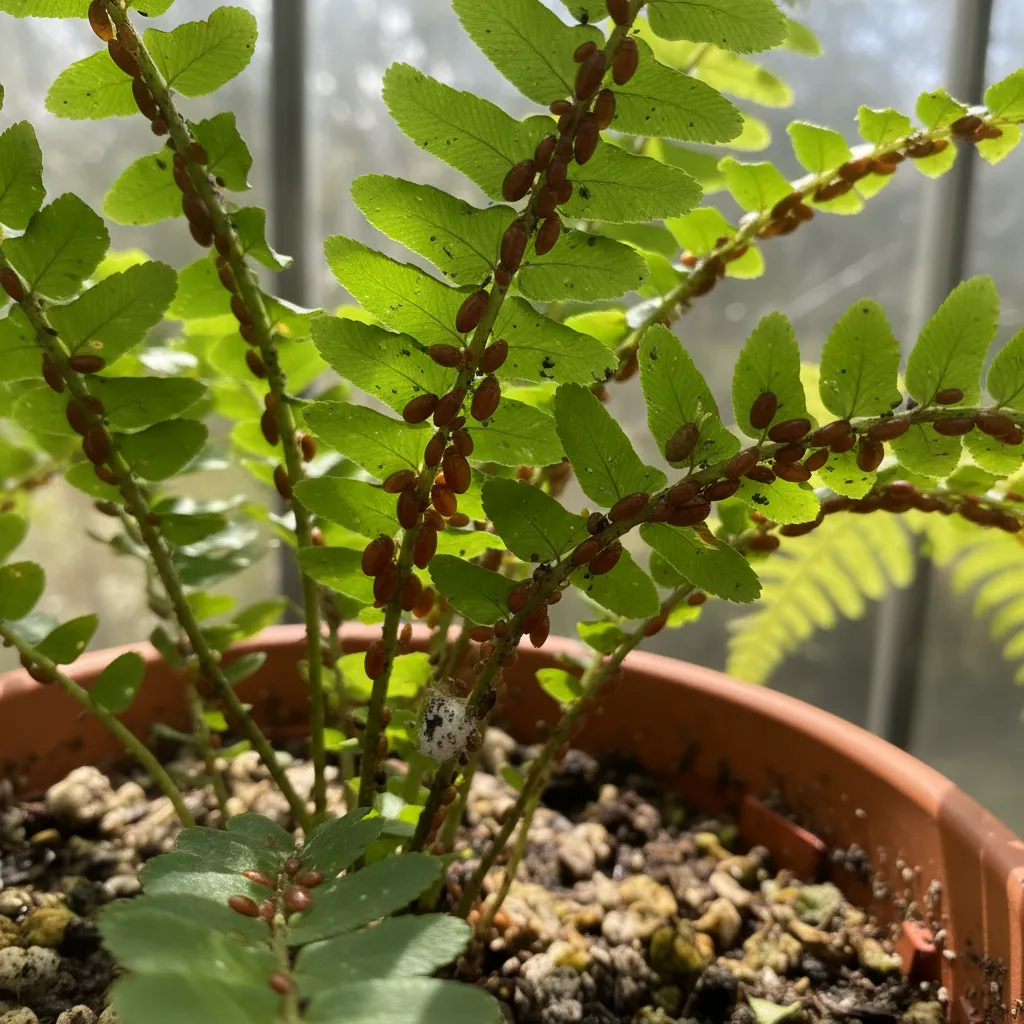
- ✓Pest and Disease Management — Monitor for common tropical pests like mealybugs and scale insects; employ integrated pest management techniques, favoring organic solutions.
Reviewed by the Flora Medical Global Botanical Review Panel
Multi-disciplinary editorial group · Botany · Ethnobotany · Herbal-medicine literature
Who reviewed this: This page was checked by the Flora Medical Global Botanical Review Panel — an in-house editorial group of botany graduates, ethnobotany researchers, and horticulture practitioners who collectively maintain our 7,000+ plant encyclopedia. Meet the team.
Our 4-step verification process
1. Taxonomic verification
Scientific names and synonyms cross-checked against Kew POWO, World Flora Online, and The Plant List.
2. Phytochemical & medicinal cross-reference
Active compounds, traditional uses, and reported activities are cross-referenced with PubMed, USDA Dr. Duke's database, and peer-reviewed ethnobotanical literature.
3. Conservation & distribution check
Distribution, ecology, and conservation status confirmed against GBIF occurrence records and the IUCN Red List.
4. Editorial & safety review
Every entry passes an editorial pass for clarity, originality, and safety notices (toxicity, contraindications, dosage caveats) before publication.
Last reviewed:
Important medical disclaimer: This content is for educational and research purposes only. It is not medical advice and is not a substitute for consultation with a licensed healthcare provider. Do not use any herb to self-treat a medical condition without professional guidance.
Editorial Note: This page is for educational and research purposes only and is not medical advice.
Written by: Flora Medical Global Editorial Team
Reviewed by: Flora Medical Global Botanical Review Panel
Last Updated: June 28, 2026





Ylang Ylang — Comments & Community Reviews
Rate this plant
No reviews yet. Be the first!