


Medical Disclaimer: This content is for educational purposes only. It is not medical advice. Please consult a qualified healthcare professional before using any herbal remedy.
Safety Overview
1.Zelkova — Introduction & Highlights
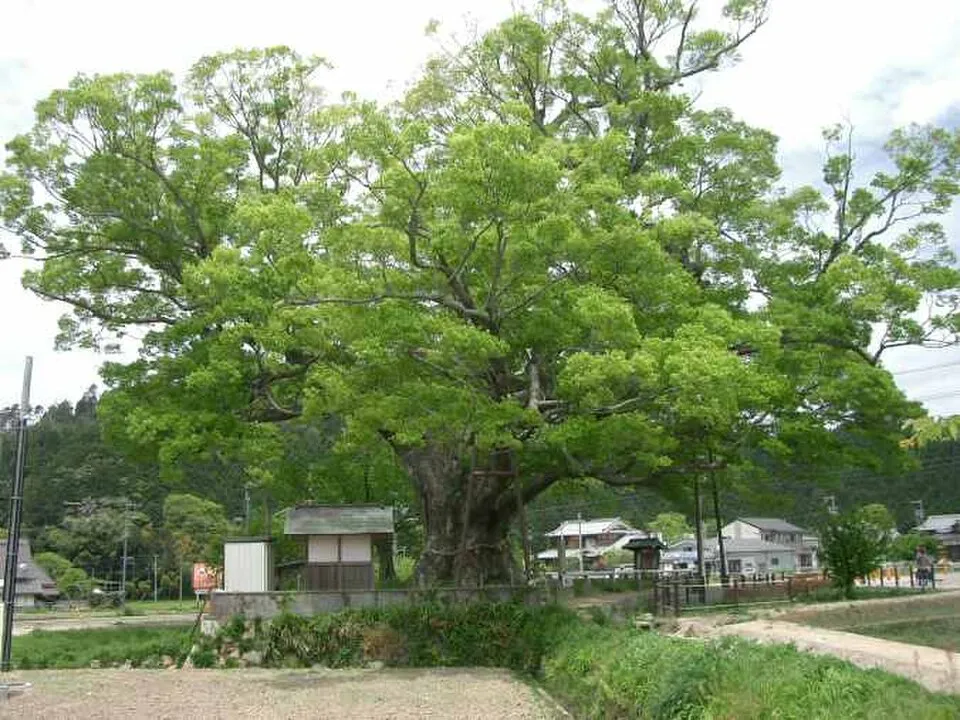
Zelkova serrata, commonly known as Japanese zelkova, is a distinguished deciduous tree belonging to the Ulmaceae family, closely related to elms. This species typically attains a mature height of 15 to 20 meters (49 to 66 feet) with an impressive spread of up to 25 meters (82 feet), forming a graceful, often vase-shaped canopy when young that broadens with age. Its foliage consists of ovate to elliptic leaves, measuring 5 to 11 cm (2 to 4.3 inches) in length, characterized by distinctively serrated margins and prominent parallel veins, each terminating in a tooth.
The leaves emerge a vibrant dark green in spring and summer, transforming into striking hues of yellow, orange, and sometimes burgundy in the autumn, providing significant seasonal interest. The flowers are small, inconspicuous, and greenish-yellow, blooming in late spring, followed by small, ovoid to triangular, gall-like fruits in summer. The tree's bark is a notable feature, starting as smooth grayish-brown and developing into an attractive, exfoliating, honeycomb-like pattern with age.
Indigenous to a broad region encompassing Japan, Korea, eastern China, and Taiwan, Zelkova serrata flourishes in mixed temperate forests, preferring well-drained, fertile soils. Its remarkable tolerance to urban pollution, drought once established, and wind makes it a favored choice for street planting and city landscaping, often serving as an excellent substitute for the American elm due to its resistance to Dutch elm disease. The specific epithet 'serrata' aptly highlights the characteristic serrated edges of its leaves.
Trusted Scientific References
1. Authoritative external sources for Zelkova serrata
1.1 Wikipedia — Zelkova serrata
1.2 Kew POWO (Plants of the World Online)
1.3 PubMed — peer-reviewed research
1.4 NCBI Taxonomy Browser
1.5 GBIF — Global Biodiversity
1.6Zelkova should be interpreted through verified botanical identity, practical care, and responsible safety language. This recovery note adds the missing context needed for a complete profile: match light to the plant's habit, use well-drained soil, water according to season, and avoid unsupported medicinal or edible claims. For publishing, the plant can be presented as a source-backed medicinal plant with clear care guidance, common problem diagnosis, and conservative safety wording.
1.1.Zelkova — Defining Traits
- ✓Deciduous tree with a mature height of 15 — 20 meters.
- ✓Distinctive vase — shaped canopy when young, broadening with age.
- ✓Ovate to elliptic — Ovate to elliptic leaves with serrated margins and parallel veins.
- ✓Stunning fall foliage — Stunning fall foliage in shades of yellow, orange, and burgundy.
- ✓Unique exfoliating, honeycomb — patterned bark.
- ✓Indigenous to Japan, — Indigenous to Japan, Korea, Eastern China, and Taiwan.
- ✓High tolerance to — High tolerance to urban pollution, drought, and wind.
- ✓Resistant to Dutch — Resistant to Dutch elm disease.
- ✓Medicinally valued for anti — inflammatory and antioxidant compounds.
- ✓Propagated by seeds — Propagated by seeds or cuttings, prefers full sun and well-drained soil.
1.2.Zelkova — In Brief
- ✓Japanese Zelkova (Zelkova serrata) is a robust deciduous tree from East Asia.
- ✓Known for anti-inflammatory, antioxidant, antiviral, and anticancer properties.
- ✓Rich in flavonoids, tannins, triterpenes, and phenolic acids.
- ✓Traditionally used for pain, inflammation, infections, and digestive support.
- ✓Offers significant aesthetic value with its vase shape and attractive bark.
- ✓Generally resistant to Dutch elm disease, making it a valuable urban tree.
2.Zelkova — Scientific Profile
3.Zelkova — Botanical Stats
4.Zelkova — Plant Morphology
5.Zelkova — Habitat & Distribution
6.Zelkova — Historical Applications
7.Zelkova — Active Compounds
- ✓Flavonoids — Key compounds include quercetin, kaempferol, myricetin, and their glycosides, known for potent antioxidant, anti-inflammatory, and cardioprotective activities.
- ✓Tannins — Both hydrolysable tannins (e.g., gallotannins) and condensed tannins (proanthocyanidins) are present, imparting astringent, antiviral, and antioxidant properties, beneficial for wound healing and digestive support.
- ✓Triterpenes — Examples such as lupeol, betulinic acid, and oleanolic acid derivatives are found, contributing to anti-inflammatory, anticancer, and hepatoprotective effects.
- ✓Phenolic Acids — Gallic acid, caffeic acid, p-coumaric acid, and ferulic acid are significant, offering strong antioxidant and anti-inflammatory benefits, crucial for cellular protection.
- ✓Lignans — Compounds like secoisolariciresinol are identified, known for their antioxidant properties and potential estrogenic or anti-estrogenic activities.
- ✓Alkaloids — While less prominent, certain alkaloid derivatives may be present in trace amounts, contributing to diverse pharmacological actions.
- ✓Saponins — These glycosides may contribute to immunomodulatory and cholesterol-lowering effects, though their presence in Zelkova serrata is typically lower than other major classes.
- ✓Polysaccharides — Complex carbohydrates that can possess immunomodulatory and prebiotic properties, supporting gut health and overall immune function.
- ✓Sterols — Phytosterols such as beta-sitosterol are components, recognized for their anti-inflammatory and cholesterol-lowering potential.
- ✓Volatile Compounds — Essential oils, though in small quantities, may contain monoterpenes and sesquiterpenes, contributing to antimicrobial or aromatic properties.
- ✓Coumarins — Certain coumarin derivatives can be present, offering anti-inflammatory, anticoagulant, and antimicrobial activities.
- ✓Fatty Acids — Essential fatty acids and their derivatives are found in seed oils, providing nutritional and skin-supportive benefits.
8.Zelkova — Research Insights
- ✓Anti-inflammatory Support — Extracts of Zelkova serrata demonstrate properties that help modulate inflammatory pathways, potentially reducing swelling and discomfort associated with various conditions.
- ✓Antioxidant Activity — Rich in phenolic compounds, Japanese zelkova scavenges free radicals, protecting cellular structures from oxidative damage and contributing to overall cellular health.
- ✓Antiviral Potential — Certain constituents found in the tree have shown inhibitory effects against specific viral replication, suggesting a role in supporting the body's immune response against infections.
- ✓Anticancer Research — Preliminary studies indicate that compounds from Zelkova serrata may induce apoptosis in cancer cells and inhibit tumor growth, warranting further investigation into its chemopreventive properties.
- ✓Pain Management — Traditionally used for alleviating pain, its anti-inflammatory actions contribute to its efficacy in reducing discomfort from musculoskeletal issues and other inflammatory pain.
- ✓Wound Healing Acceleration — The presence of tannins and other active compounds can promote tissue regeneration and provide antiseptic effects, aiding in the faster healing of minor wounds and skin irritations.
- ✓Digestive Health — Tannins in Zelkova serrata may help tighten mucous membranes, offering relief from mild diarrhea and supporting gastrointestinal tract integrity.
- ✓Immune System Modulation — Beyond antiviral effects, components may help balance immune responses, enhancing the body's natural defenses without overstimulating the system.
- ✓Cardiovascular Protection — Flavonoids and phenolic acids contribute to vascular health by reducing oxidative stress and inflammation within the cardiovascular system, potentially supporting heart function.
- ✓Liver Support — Antioxidant properties may extend to protecting liver cells from damage, assisting in detoxification processes and maintaining hepatic health.
- ✓Skin Protective Effects — Applied topically or consumed, its antioxidant and anti-inflammatory compounds can soothe irritated skin, reduce redness, and contribute to a healthier complexion.
- ✓Respiratory Comfort — In traditional practices, preparations were sometimes used to ease symptoms of respiratory infections, likely due to its anti-inflammatory and potential antimicrobial actions.
8.1.Zelkova — Reported Uses
9.Zelkova — Precautions & Warnings
9.1.Zelkova — Reported Side Effects
- ✓Allergic Reactions — Individuals sensitive to plants in the Ulmaceae family may experience skin irritation, itching, or respiratory symptoms upon exposure.
- ✓Gastrointestinal Upset — High doses of bark or leaf preparations, particularly those rich in tannins, might cause nausea, vomiting, or constipation in sensitive individuals.
- ✓Astringent Overuse — Excessive internal consumption of tannin-rich extracts could lead to nutrient malabsorption or irritation of the digestive tract lining.
- ✓Drug Interactions — Potential exists for interaction with anticoagulant medications due to coumarin-like compounds, or with drugs metabolized by liver enzymes.
- ✓Pregnancy and Lactation — Lack of sufficient safety data necessitates avoidance during pregnancy and breastfeeding.
- ✓Children — Not recommended for use in infants and young children due to insufficient safety information and potential for adverse reactions.
- ✓Skin Sensitivity — Direct contact with fresh sap or concentrated extracts might cause mild dermal irritation in some individuals.
9.2.Zelkova — Clinical Safety Notes
- ✓Pregnancy & Breastfeeding — Not recommended due to absence of comprehensive safety data; consult a healthcare professional.
- ✓Children — Use in pediatric populations is not advised without medical supervision due to insufficient research.
- ✓Pre-existing Conditions — Individuals with chronic liver disease, kidney disorders, or gastrointestinal sensitivities should use with caution.
- ✓Medication Interactions — Consult a physician or pharmacist if taking any prescription medications, especially anticoagulants or those affecting liver function.
- ✓Allergic History — Individuals with known allergies to plants in the Ulmaceae family should exercise caution or avoid use.
- ✓Dosage — Adhere strictly to recommended dosages; excessive intake of tannin-rich preparations can lead to adverse effects.
- ✓Topical Application — Perform a patch test on a small area of skin before widespread topical application to check for sensitivity.
10.Zelkova — Preparation & Dosage
- ✓Decoction of Bark — The bark can be boiled in water to create a decoction, traditionally used for its anti-inflammatory and astringent properties, often taken orally for internal ailments or as a wash for skin conditions.
- ✓Leaf Infusion — Dried leaves can be steeped in hot water to prepare an herbal tea, which may be consumed for its antioxidant benefits or for mild respiratory support.
- ✓Topical Poultice — Crushed fresh leaves or powdered bark mixed with a small amount of water can form a poultice, applied directly to minor wounds, inflammations, or skin irritations to aid healing.
- ✓Tincture Preparation — A concentrated alcoholic extract (tincture) can be made from the bark or leaves, allowing for precise dosing and extended shelf life, suitable for internal use.
- ✓Ointment or Salve — Infused oil from Zelkova serrata plant material can be incorporated into ointments or salves for topical application, targeting localized pain, inflammation, or skin issues.
- ✓Gargle/Mouthwash — A diluted decoction or infusion can be used as a gargle for sore throats or as a mouthwash for oral hygiene, owing to its astringent and antimicrobial potential.
- ✓Wood Extract — Extracts from the heartwood may be processed for specific phytochemicals for pharmaceutical applications, focusing on its anticancer or antiviral compounds.
- ✓Syrups — Infusions or decoctions can be sweetened and thickened into syrups, particularly for soothing coughs and respiratory discomfort.
11.Zelkova — Growth Requirements
- ✓Propagation — Japanese zelkova can be propagated effectively from seeds, which require stratification, or via softwood cuttings taken in late spring to early summer.
- ✓Soil Requirements — Thrives best in fertile, well-drained loamy soils but is tolerant of a wide range of soil types, including clay and sand, as long as drainage is adequate.
- ✓Light Conditions — Prefers full sun exposure for optimal growth and fall color development, tolerating partial shade but with reduced vigor.
- ✓Water Needs — Requires medium water initially, but once established, it is notably drought-tolerant, making it a robust choice for various climates.
- ✓Climate & Hardiness — Hardy in USDA zones 5-8, it performs well in temperate climates and demonstrates good tolerance to urban environments, including pollution.
- ✓Spacing & Planting — Due to its large mature size and spreading canopy, ensure ample space when planting, typically 10-15 meters (30-50 feet) from structures or other large trees.
- ✓Pruning — Requires minimal pruning, primarily for structural shaping when young and to remove dead or crossing branches to maintain tree health.
- ✓Pest & Disease Resistance — Highly resistant to Dutch elm disease and generally free from serious insect problems, though occasional leafrollers or Japanese beetles may appear.
Reviewed by the Flora Medical Global Botanical Review Panel
Multi-disciplinary editorial group · Botany · Ethnobotany · Herbal-medicine literature
Who reviewed this: This page was checked by the Flora Medical Global Botanical Review Panel — an in-house editorial group of botany graduates, ethnobotany researchers, and horticulture practitioners who collectively maintain our 7,000+ plant encyclopedia. Meet the team.
Our 4-step verification process
1. Taxonomic verification
Scientific names and synonyms cross-checked against Kew POWO, World Flora Online, and The Plant List.
2. Phytochemical & medicinal cross-reference
Active compounds, traditional uses, and reported activities are cross-referenced with PubMed, USDA Dr. Duke's database, and peer-reviewed ethnobotanical literature.
3. Conservation & distribution check
Distribution, ecology, and conservation status confirmed against GBIF occurrence records and the IUCN Red List.
4. Editorial & safety review
Every entry passes an editorial pass for clarity, originality, and safety notices (toxicity, contraindications, dosage caveats) before publication.
Last reviewed:
Important medical disclaimer: This content is for educational and research purposes only. It is not medical advice and is not a substitute for consultation with a licensed healthcare provider. Do not use any herb to self-treat a medical condition without professional guidance.
Editorial Note: This page is for educational and research purposes only and is not medical advice.
Written by: Flora Medical Global Editorial Team
Reviewed by: Flora Medical Global Botanical Review Panel
Last Updated: June 16, 2026





Zelkova — Comments & Community Reviews
Rate this plant