
Medical Disclaimer: This content is for educational purposes only. It is not medical advice. Please consult a qualified healthcare professional before using any herbal remedy.
Safety Overview
1.Zygophyllum — Plant Snapshot
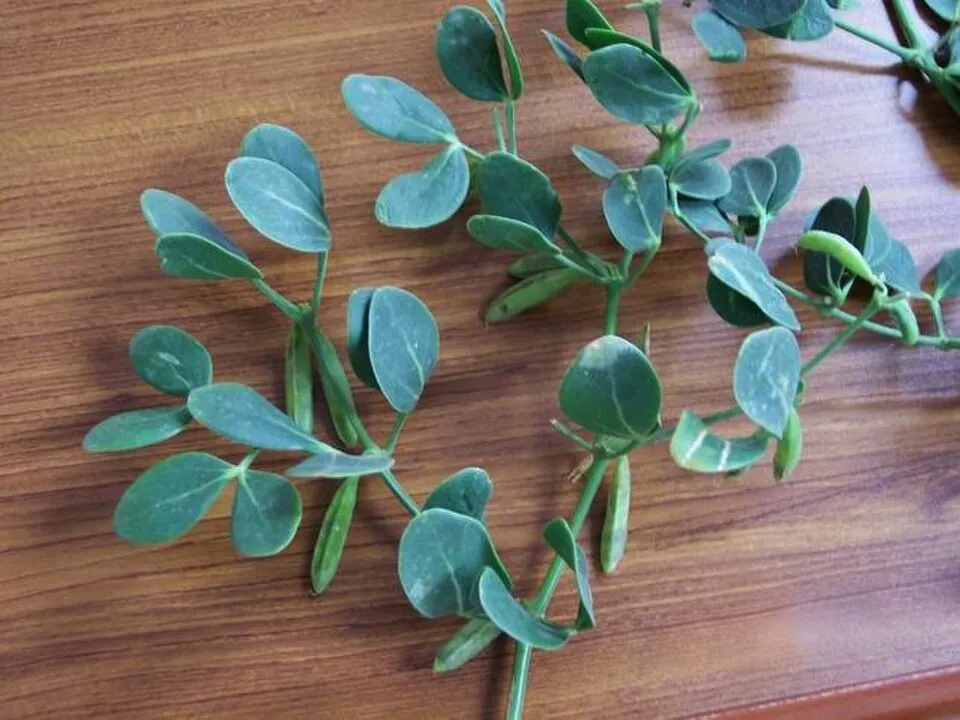
Zygophyllum fabago, widely recognized as Syrian bean-caper, is a remarkably resilient perennial herbaceous plant belonging to the diverse Zygophyllaceae family. Typically reaching heights of 30 to 80 centimeters, this species is characterized by its distinctive morphology adapted to arid and semi-arid environments. Its stems are often smooth and succulent, sometimes developing a slightly woody texture towards the base, aiding in water retention. The plant features fleshy, glaucous leaves, oppositely arranged and ranging from lanceolate to ovate in shape, growing approximately 3 to 7 centimeters long.
These specialized leaves further minimize water loss through their thick cuticle and waxy coating. Solitary flowers emerge during spring and early summer, presenting in shades of white or pale yellow, each adorned with five petals and measuring about 2 to 3 centimeters in diameter. These conspicuous blooms attract a variety of pollinators. Following successful pollination, the plant produces a capsule-like fruit containing several brown to black seeds, which are dispersed upon maturity to facilitate propagation.
Native to the Mediterranean basin, its distribution extends across parts of southwestern and central Asia, as well as northern Africa. Zygophyllum fabago thrives in challenging habitats such as coastal dunes, rocky outcrops, and saline soils, showcasing its exceptional ability to adapt to xerophytic and stress-prone conditions, making it a subject of significant botanical interest.
Trusted Scientific References
1. Authoritative external sources for Zygophyllum fabago
1.1 Wikipedia — Zygophyllum fabago
1.2 Kew POWO (Plants of the World Online)
1.3 PubMed — peer-reviewed research
1.4 NCBI Taxonomy Browser
1.5 GBIF — Global Biodiversity
1.6Zygophyllum should be interpreted through verified botanical identity, practical care, and responsible safety language. This recovery note adds the missing context needed for a complete profile: match light to the plant's habit, use well-drained soil, water according to season, and avoid unsupported medicinal or edible claims. For publishing, the plant can be presented as a source-backed medicinal plant with clear care guidance, common problem diagnosis, and conservative safety wording.
1.1.Zygophyllum — Key Features
- ✓Resilient xerophyte native — Resilient xerophyte native to arid Mediterranean, Asian, and North African regions.
- ✓Characterized by fleshy, — Characterized by fleshy, glaucous leaves and pale yellow to white solitary flowers.
- ✓Traditional uses span anti — inflammatory, analgesic, anthelmintic, and purgative applications.
- ✓Contains potent beta — carboline alkaloids, including harmine, harmaline, and harmalol.
- ✓Unique prenylated flavone — Unique prenylated flavone glycosides, such as Zygocaperoside, are identified in its roots.
- ✓Sulphated triterpenoid saponins, — Sulphated triterpenoid saponins, like Zygophylosides, contribute to its diverse bioactivity.
- ✓Known for its — Known for its exceptional adaptability to saline and stress-prone soils.
- ✓Folk medicine in — Folk medicine in Iran utilizes its roots and aerial parts topically for insect bites and pain relief.
- ✓Preliminary research indicates — Preliminary research indicates significant antioxidant and butyrylcholinesterase inhibitory effects.
- ✓Pollen is recognized — Pollen is recognized as an allergen due to the presence of profilin protein.
1.2.Zygophyllum — At-a-Glance Summary
- ✓Zygophyllum fabago, or Syrian bean-caper, is a resilient perennial herb of the Mediterranean and Asian arid regions.
- ✓Traditionally valued for its potent anti-inflammatory, analgesic, and purgative properties.
- ✓Rich in diverse phytochemicals including harmine alkaloids, Zygocaperoside flavonoids, and triterpenoid saponins.
- ✓Used in folk medicine for conditions like rheumatism, skin ailments, parasitic worms, and insect bites.
- ✓Requires careful use and professional guidance due to potent compounds; contraindicated in pregnancy and lactation.
- ✓Exhibits remarkable adaptability to saline, drought-prone, and stress-filled environments.
2.Zygophyllum — Scientific Profile
3.Zygophyllum — Botanical Stats
4.Zygophyllum — Morphological Account
5.Zygophyllum — Habitat & Distribution
6.Zygophyllum — Historical Applications
7.Zygophyllum — Secondary Metabolites
- ✓Alkaloids — Key compounds include harmine, harmaline, and harmalol, which are beta-carboline alkaloids known for their diverse pharmacological effects, including potential psychoactive and enzyme inhibitory activities.
- ✓Flavonoids — Identified compounds such as Zygocaperoside (a prenylated flavone glycoside) and Isorhamnetin-3-O-glucoside contribute significantly to the plant's antioxidant and anti-inflammatory properties.
- ✓Saponins — This category encompasses sulphated triterpenoid saponins like fabagoin and various zygophylosides (e.g., E, G, O-R, and A), which have shown enzyme inhibitory effects, notably urease inhibition by Zygophyloside A.
- ✓Tannins — Astringent polyphenolic compounds present in the plant, contributing to its traditional use as an antiseptic and in wound healing by precipitating proteins.
- ✓Volatile Oils — Comprising primarily sesquiterpene hydrocarbons and diterpenoids, these oils are responsible for the plant's characteristic aroma and may possess antimicrobial and insect-repellent properties.
- ✓Triterpenoid Glycosides — Including 27-nortriterpenoid glycosides, these complex molecules contribute to the plant's broad spectrum of biological activities and defensive mechanisms.
- ✓Disulfated Triterpenoid Derivatives — Unique structural variants of triterpenoids with specific sulfation patterns, potentially involved in specialized physiological roles and enzyme interactions.
- ✓Proteins — Profilin, a known allergen protein, has been identified in the pollen, responsible for potential immunological reactions in sensitive individuals.
8.Zygophyllum — Modern Studies
- ✓Anti-inflammatory — Reduces swelling and pain, potentially through the modulation of inflammatory pathways and mediators within the body.
- ✓Analgesic — Alleviates various types of pain, likely by interacting with pain receptors or influencing neural pain transmission.
- ✓Antiseptic — Helps prevent the growth and spread of pathogenic microorganisms, making it useful for cleansing wounds and preventing infections.
- ✓Anti-rheumatic — Traditionally employed to mitigate symptoms associated with rheumatism and arthritis, including joint stiffness and discomfort.
- ✓Anthelmintic — Effective in expelling parasitic worms from the digestive tract, a long-standing use in traditional medicine systems.
- ✓Cathartic/Purgative — Induces significant bowel movements, aiding in detoxification processes and relief from constipation.
- ✓Anti-asthmatic & Antitussive — May help alleviate respiratory distress by relaxing airways and suppressing cough reflexes, offering relief from asthma and persistent coughs.
- ✓Expectorant — Facilitates the expulsion of mucus and phlegm from the respiratory system, easing congestion and improving breathing.
- ✓Skin Health Support — Applied externally to treat various skin diseases, promote healing of wounds, and alleviate septic conditions due to its soothing and antimicrobial actions.
- ✓Insect Bite Relief — Used topically in folk medicine to reduce inflammation and pain caused by insect stings and bites, such as those from bees and scorpions.
- ✓Antioxidant Activity — Contains compounds that scavenge free radicals, thereby protecting cellular structures from oxidative damage and supporting overall cellular health.
- ✓Butyrylcholinesterase Inhibition — Preliminary pharmacological studies indicate potent inhibitory effects on butyrylcholinesterase, suggesting potential applications in neurodegenerative conditions.
8.1.Zygophyllum — Therapeutic Indications
9.Zygophyllum — Adverse Effects
9.1.Zygophyllum — Warnings
- ✓Allergic Reactions — The plant's pollen contains profilin, a known allergen, which may trigger respiratory allergies or skin sensitivities in susceptible individuals.
- ✓Gastrointestinal Upset — High doses, particularly of preparations used for cathartic effects, can lead to severe abdominal cramping, diarrhea, and potentially dehydration.
- ✓Hepatic and Renal Strain — Potent alkaloids and saponins, if consumed excessively or over prolonged periods, may exert undue stress on the liver and kidneys.
- ✓Hypotensive Effects — Certain alkaloids present in Zygophyllum fabago might induce a lowering of blood pressure, which could be problematic for individuals on antihypertensive medications.
- ✓Central Nervous System Effects — Alkaloids like harmine can have psychoactive properties, potentially causing dizziness, altered perception, sedation, or other neurological disturbances.
- ✓Skin Irritation — Direct topical application of raw plant material or highly concentrated extracts may cause localized skin irritation or contact dermatitis in sensitive individuals.
- ✓Photosensitivity — Some plant compounds can increase skin sensitivity to sunlight, leading to sunburn or rashes.
9.2.Zygophyllum — Clinical Safety Notes
- ✓Pregnancy and Lactation — Strictly contraindicated due to the presence of potent alkaloids which could potentially induce uterine contractions or pose unknown risks to the developing fetus or nursing infant.
- ✓Children — Not recommended for use in pediatric populations due to insufficient safety data and the potency of its chemical constituents, which may be too strong for young systems.
- ✓Pre-existing Conditions — Individuals with liver disease, kidney impairment, gastrointestinal disorders, or cardiovascular conditions should avoid using this plant.
- ✓Drug Interactions — May interact significantly with various medications, including blood pressure regulators, central nervous system depressants, MAOIs, and other purgative agents; consult a physician.
- ✓Professional Guidance — Essential to seek advice from a qualified healthcare professional or experienced herbalist before any internal use, especially for chronic conditions or concomitant medication.
- ✓Dosage Adherence — Strict adherence to recommended dosages is critical; exceeding prescribed amounts can significantly increase the risk and severity of adverse effects.
- ✓Allergic Sensitivities — Caution is advised for individuals with known allergies to plants in the Zygophyllaceae family or those with pollen allergies, given the presence of profilin.
10.Zygophyllum — How to Use
- ✓Decoctions — Prepare by boiling dried roots or aerial parts in water for an extended period, traditionally used for internal anthelmintic or purgative effects.
- ✓Poultices — Fresh or dried leaves, crushed and moistened, can be directly applied to the skin to alleviate inflammation, treat wounds, or soothe insect bites.
- ✓Tinctures — Alcoholic extracts of the plant material can be made, offering a concentrated form for internal use, often for anti-inflammatory or anti-rheumatic purposes, under professional guidance.
- ✓Ointments/Creams — Extracts or infused oils can be incorporated into topical formulations for localized pain relief, antiseptic application, and promoting skin healing.
- ✓Herbal Teas — Dried leaves or flowers can be steeped in hot water to create infusions, though less potent than decoctions, used for respiratory support or general wellness.
- ✓External Washes — Diluted decoctions or infusions serve as effective antiseptic washes for minor cuts, abrasions, and inflammatory skin conditions.
- ✓Professional Consultation — Due to the presence of potent compounds, it is imperative to consult a qualified medical herbalist or healthcare professional before any internal or prolonged external use.
11.Zygophyllum — Growth Requirements
- ✓Site Selection — Choose a sunny location that receives full sun exposure for at least 6-8 hours daily, mimicking its natural arid habitat.
- ✓Soil Requirements — Prefers well-drained, sandy or loamy soils with a slightly alkaline to neutral pH, typically ranging between 6.0 and 7.5.
- ✓Soil Amendment — While tolerant of poor soils, incorporating moderate amounts of organic matter, such as compost, can enhance drainage and provide essential nutrients.
- ✓Propagation — Can be effectively propagated from seeds, which benefit from scarification before spring sowing, or from semi-hardwood stem cuttings taken in late spring or early summer.
- ✓Watering — Requires minimal watering once established due to its drought-tolerant nature; allow the soil to dry out completely between waterings to prevent root rot.
- ✓Fertilization — Generally low-maintenance regarding nutrients; a light application of a balanced, slow-release granular fertilizer in early spring is usually sufficient.
- ✓Pest and Disease Management — Exhibits good natural resistance to most common garden pests and diseases, requiring little intervention.
- ✓Climate — Best suited for Mediterranean, arid, or semi-arid climates, as it tolerates high temperatures and can withstand saline soil conditions.
Reviewed by the Flora Medical Global Botanical Review Panel
Multi-disciplinary editorial group · Botany · Ethnobotany · Herbal-medicine literature
Who reviewed this: This page was checked by the Flora Medical Global Botanical Review Panel — an in-house editorial group of botany graduates, ethnobotany researchers, and horticulture practitioners who collectively maintain our 7,000+ plant encyclopedia. Meet the team.
Our 4-step verification process
1. Taxonomic verification
Scientific names and synonyms cross-checked against Kew POWO, World Flora Online, and The Plant List.
2. Phytochemical & medicinal cross-reference
Active compounds, traditional uses, and reported activities are cross-referenced with PubMed, USDA Dr. Duke's database, and peer-reviewed ethnobotanical literature.
3. Conservation & distribution check
Distribution, ecology, and conservation status confirmed against GBIF occurrence records and the IUCN Red List.
4. Editorial & safety review
Every entry passes an editorial pass for clarity, originality, and safety notices (toxicity, contraindications, dosage caveats) before publication.
Last reviewed:
Important medical disclaimer: This content is for educational and research purposes only. It is not medical advice and is not a substitute for consultation with a licensed healthcare provider. Do not use any herb to self-treat a medical condition without professional guidance.
Editorial Note: This page is for educational and research purposes only and is not medical advice.
Written by: Flora Medical Global Editorial Team
Reviewed by: Flora Medical Global Botanical Review Panel
Last Updated: June 16, 2026





Zygophyllum — Comments & Community Reviews
Rate this plant